
Related News
- 00
0000-00
How to Choose Urban Commuting E-bikes for Rental Fleets by Range, Durability, and Serviceability - 00
0000-00
E-Bike Component Selection: How to Evaluate a Torque Sensor for Commuting and Cargo Use - 00
0000-00
What Drives Low Carbon E-bike Price: Materials, Battery Specs, and Compliance Costs - 00
0000-00
Utility Maximization in E-bikes: Which Motor, Battery, and Range Trade-offs Matter Most? - 00
0000-00
Brushless Motor for Scooters: How to Compare Power, Torque, and Efficiency
Micro-Mobility Strategist
Weekly Insights
Stay ahead with our curated technology reports delivered every Monday.
E-Bikes for City Commuting: Motor Types, Battery Range, and Buying Tips





Choosing e-bikes for city commuting is no longer only about finding a lighter alternative to driving.
Motor layout, battery range, braking confidence, and daily comfort all shape how practical the ride feels after the first week.
As urban micro-mobility expands, e-bikes have become a serious part of low-carbon transport, last-mile planning, and personal mobility decisions.
Why E-Bikes Matter in Modern City Commuting
Cities are under pressure from congestion, parking limits, emissions targets, and short trips that waste time in cars.
E-bikes answer that pressure by blending human power with electric assistance, without fully removing the rider from the experience.
They are especially useful for routes that feel too long, too hilly, or too tiring on a conventional bicycle.
For many urban trips, the real advantage is predictability. A commute becomes less dependent on traffic, fuel prices, or crowded transit.
This is why e-bikes now sit at the center of the last-mile revolution alongside smart scooters and electric two-wheelers.
The strongest models are not simply “bicycles with batteries.” They are compact mobility systems with motors, controllers, sensors, and energy management.
Understanding the Main Motor Types
Motor choice changes how e-bikes accelerate, climb, handle corners, and use battery energy.
The best option depends on route conditions, riding style, maintenance expectations, and budget.
Hub motors
Hub motors sit inside the front or rear wheel. They are common on commuter e-bikes because they are simple and affordable.
Rear hub motors usually feel more stable because power is applied from behind, closer to traditional cycling dynamics.
Front hub motors can work well on lighter urban bikes, but traction may feel weaker on wet roads or steep climbs.
For flat city streets, hub-drive e-bikes often provide enough performance with lower service complexity.
Mid-drive motors
Mid-drive motors are placed near the crank, where the rider pedals.
They send power through the drivetrain, which helps e-bikes use gears more efficiently on hills.
This layout usually feels more natural, especially when cadence and torque sensors are well calibrated.
The trade-off is cost. Mid-drive systems can also increase chain, cassette, and chainring wear.
Torque sensors and cadence sensors
A motor is only part of the story. The sensor system decides when assistance arrives and how refined it feels.
Cadence sensors detect pedal movement. They are reliable and inexpensive, but assistance may feel less precise.
Torque sensors measure pedaling force. They make e-bikes respond more smoothly to real rider effort.
For stop-and-go commuting, good sensor tuning can matter as much as headline motor power.
Battery Range Is About More Than a Big Number
Range claims on e-bikes often look generous, but real-world results depend on several changing factors.
Rider weight, speed, tire pressure, temperature, hills, wind, and assist level all affect battery consumption.
A bike advertised for 70 kilometers may deliver far less during winter, with cargo, or on steep streets.
Instead of trusting the maximum range, estimate a comfortable daily range with reserve capacity.
For commuting, a practical rule is to cover the round trip using no more than 60 to 70 percent of capacity.
That buffer protects against detours, cold mornings, battery aging, and forgotten overnight charging.
Battery capacity and voltage
Battery capacity is usually shown in watt-hours, or Wh. Higher Wh generally means longer range.
Voltage influences system behavior, but capacity tells more about how much energy the battery stores.
Common commuter e-bikes may use batteries between 400Wh and 750Wh, depending on frame style and motor output.
A compact last-mile bike may need less, while a heavy cargo-capable model requires more energy.
Charging habits and battery health
Daily convenience depends on where the battery can be charged.
Removable batteries are useful for apartments, shared parking areas, and workplaces without outdoor outlets.
Fixed batteries can look cleaner and improve frame integration, but charging flexibility may be reduced.
Battery management systems also matter. They help control charging, discharging, temperature, and cell balancing.
This is a key reason technical intelligence around e-bikes increasingly focuses on high-density battery management logic.
Comfort and Control Shape the Daily Experience
A powerful motor cannot compensate for poor fit, weak brakes, or an uncomfortable riding position.
City commuting involves repeated starts, curb transitions, narrow lanes, and mixed traffic conditions.
Good commuter e-bikes should feel stable at low speed and predictable when braking in traffic.
Frame geometry and riding posture
Upright geometry improves visibility and comfort for urban riding. Sportier geometry may suit faster, longer routes.
Step-through frames make mounting easier, especially with bags, work clothing, or frequent stops.
Weight also matters. Heavier e-bikes feel secure on roads but can be difficult on stairs or public transit.
Brakes, tires, and suspension
Hydraulic disc brakes offer strong, consistent stopping power and are worth considering for wet cities.
Mechanical disc brakes are easier to service, though they may need more frequent adjustment.
Tires should match the route. Puncture protection and reflective sidewalls are valuable for daily e-bikes.
Suspension can soften rough roads, but it adds weight and may reduce efficiency on smooth pavement.
Matching E-Bikes to Real Commute Scenarios
The right choice becomes clearer when the route is described honestly.
A short flat ride, a hilly suburb-to-center route, and a cargo-heavy school run require different e-bikes.
- Short last-mile trips: compact frames, simple hub motors, and easy storage usually matter most.
- Hilly commutes: mid-drive motors, lower gears, and larger batteries offer better climbing confidence.
- All-weather use: fenders, lights, hydraulic brakes, and puncture-resistant tires become essential.
- Cargo and errands: stronger racks, stable geometry, and higher payload ratings should be checked carefully.
- Shared storage areas: removable batteries and strong locking points can reduce daily friction.
These scenarios also show why comparing e-bikes only by price can be misleading.
A cheaper bike may be sensible for light use, but frustrating when the route demands more from the system.
Regulations, Safety, and Connected Features
Local rules can affect speed limits, assist modes, helmet requirements, and where e-bikes may be ridden.
In many regions, pedal-assist categories are treated differently from throttle-equipped electric bikes.
Checking regulations before purchase avoids problems with insurance, commuting routes, and access to cycle infrastructure.
Safety equipment should be judged as part of the whole mobility system, not as accessories added later.
Integrated lights, reflective details, bell placement, and reliable displays all improve daily usability.
Some e-bikes now include app connectivity, theft alerts, GPS support, diagnostics, or ride data.
These features are useful when they improve reliability, but they should not distract from core mechanical quality.
Buying Tips That Prevent Costly Mistakes
A good purchase starts with the commute, not the product page.
Measure the route distance, note hills, identify charging options, and decide how often the bike carries cargo.
Then compare e-bikes against that reality, using specifications as evidence rather than decoration.
- Test ride at low speed, during starts, and on a small incline if possible.
- Check whether the assist feels smooth, delayed, aggressive, or natural.
- Confirm battery replacement cost, warranty period, and charger availability.
- Look for service access, especially for brakes, drivetrain parts, and electrical diagnostics.
- Compare total ownership cost, not only the initial price.
- Avoid oversized batteries or motors if the daily route does not require them.
It is also worth checking component compatibility. Tires, brake pads, chains, and lights should be easy to source.
Proprietary parts are not always a problem, but they can make long-term ownership more dependent on one supplier.
How Industry Intelligence Helps Better Decisions
Urban micro-mobility is changing quickly, and e-bikes are influenced by more than consumer preference.
Subsidy policies, battery safety standards, right-of-way rules, and drivetrain innovation all shape available choices.
Platforms focused on micro-mobility intelligence track these signals across electric bicycles, scooters, motorcycles, and precision components.
That broader view is useful because technologies often overlap across categories.
Battery management, brushless motor efficiency, electronic shifting, and connected diagnostics all influence future e-bikes.
For commuting choices, this means better judgment comes from looking at both today’s needs and tomorrow’s support ecosystem.
A Practical Way to Narrow the Choice
The most suitable e-bikes are not always the most powerful, longest-range, or most expensive models.
They are the ones that match distance, terrain, storage, comfort, safety, and service expectations.
For flat city rides, a reliable rear hub model with strong brakes may be enough.
For hills or longer routes, a mid-drive system and larger battery may justify the extra cost.
For mixed daily use, practical details often decide satisfaction: racks, fenders, lights, tire quality, and charging convenience.
Before deciding, compare a shortlist using real commute conditions and a realistic range buffer.
Then review motor behavior, battery serviceability, braking performance, and local compliance together.
That approach turns e-bikes from an attractive purchase into a dependable part of everyday urban mobility.
Related News
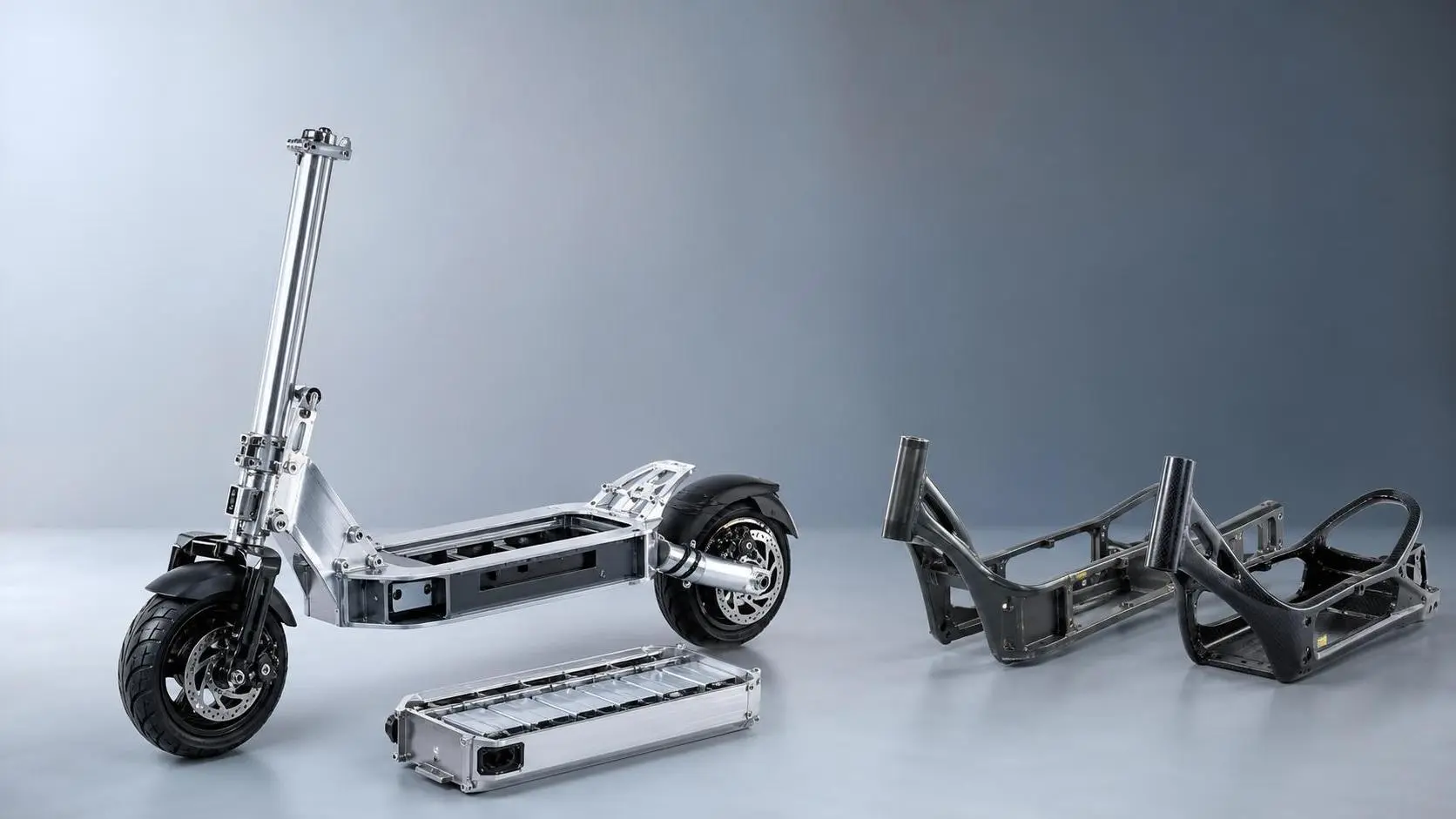
How to Choose Lightweight Scooter Frames in Europe: Materials, Standards, and Use Cases
Lightweight scooter frames Europe buyers need should balance materials, EN standards, durability, and real use cases. Discover how to choose safer, smarter, compliant frames.
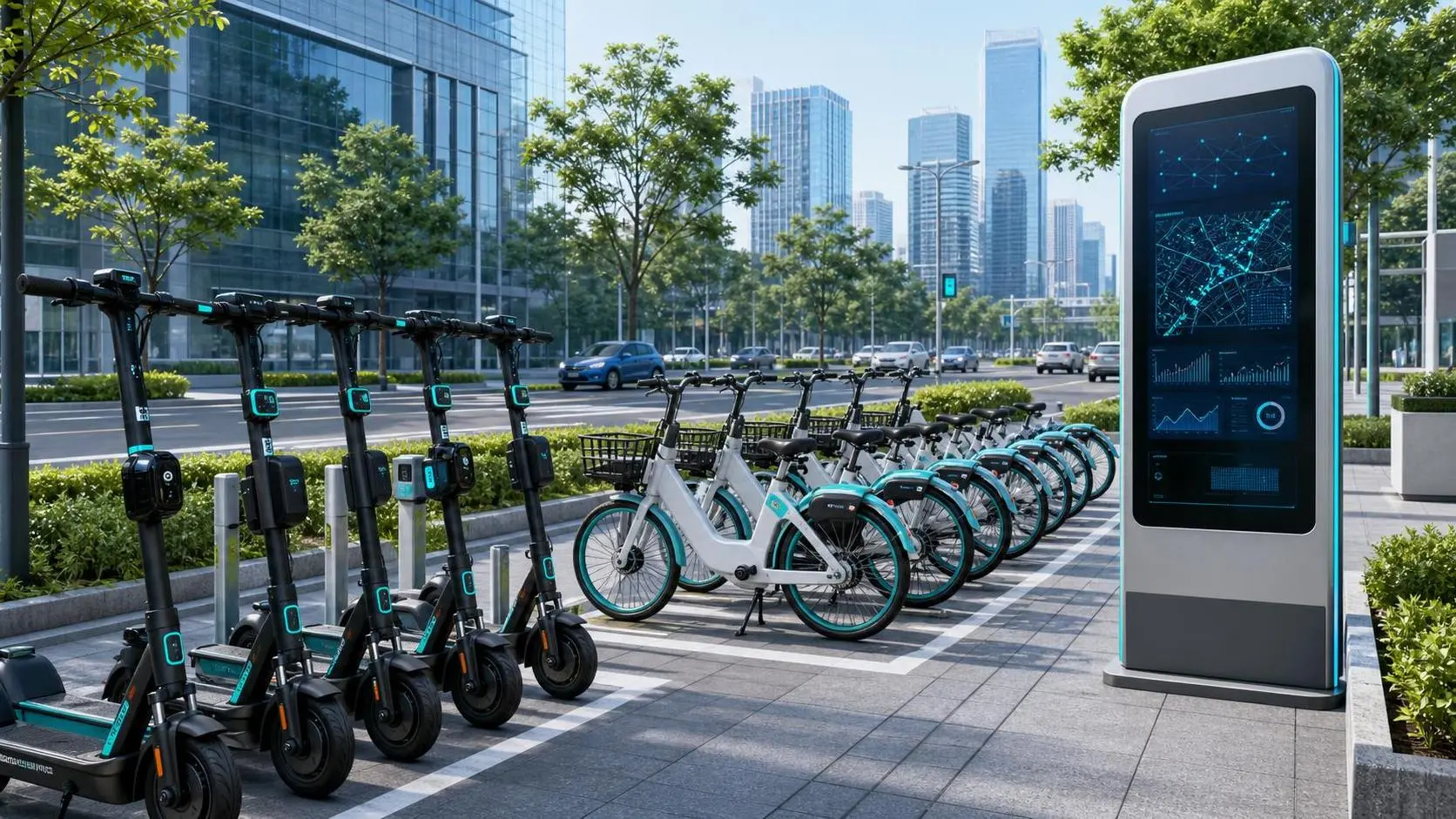
What Is the Intellectualization of Mobility Platform and How Is It Applied in Shared Fleets?
Intellectualization of mobility platform is reshaping shared fleets with real-time data, predictive maintenance, and smarter compliance—learn how it boosts safety, uptime, and urban mobility efficiency.
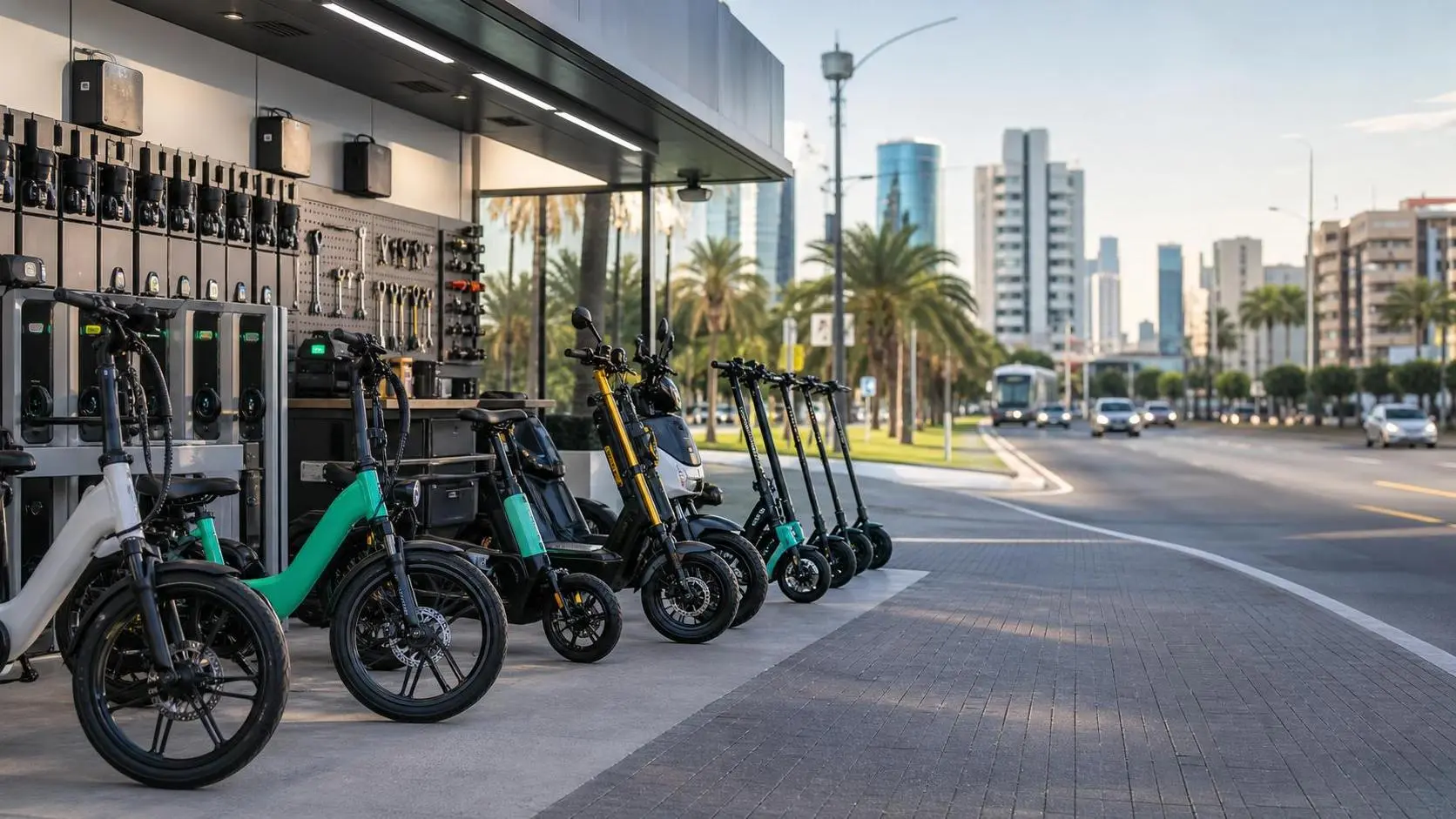
Urban Micro-Mobility Systems in Latin America: Key Market Drivers, Barriers, and Growth Segments
Urban micro-mobility systems Latin America are reshaping city transport. Explore key drivers, barriers, and high-growth segments to spot the region’s most investable opportunities.
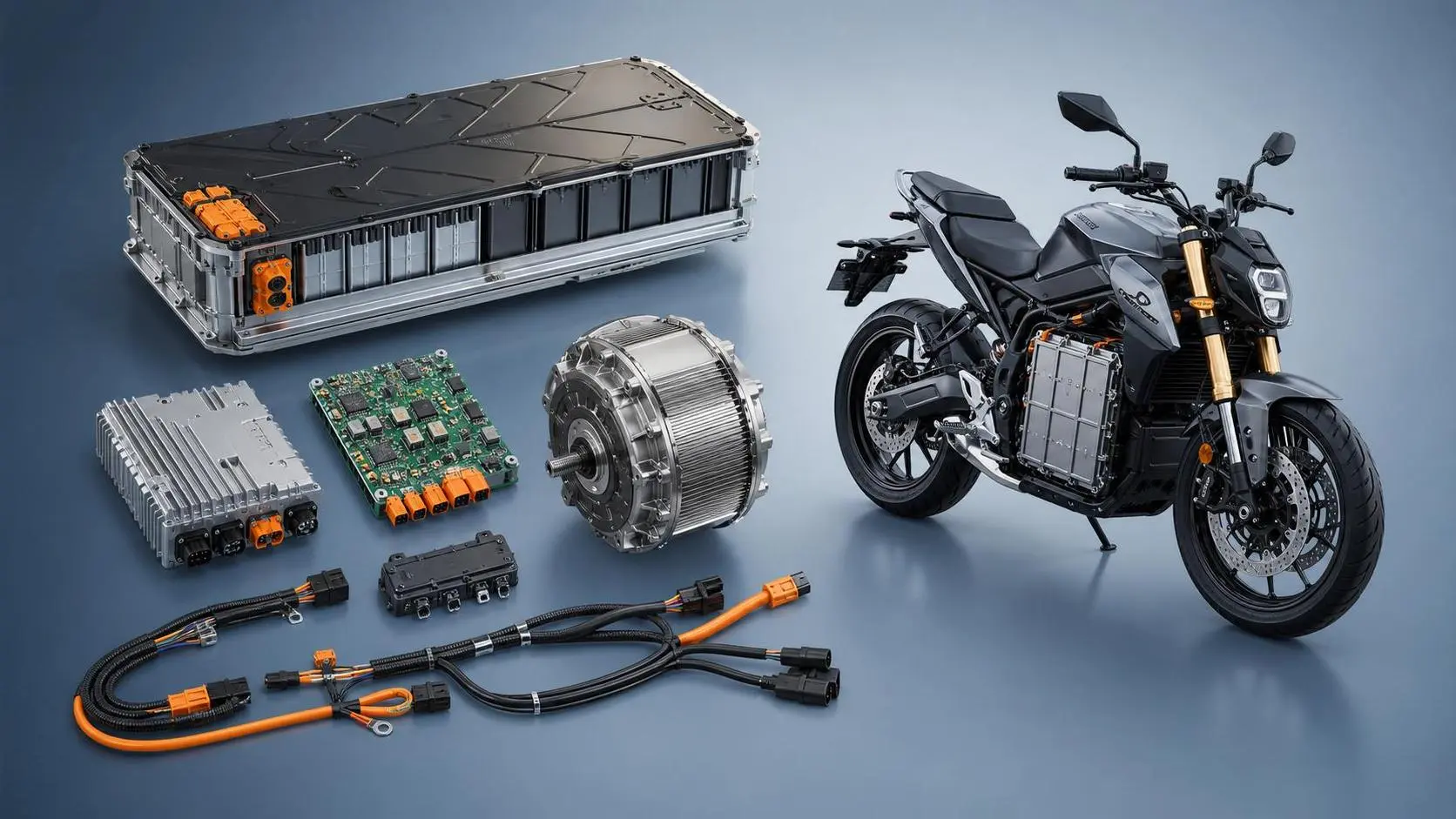
Electric Motorcycle Systems Price Breakdown: What Affects Cost From Battery to Controller?
Electric motorcycle systems price explained: see how battery, controller, motor, BMS, and wiring affect total cost, reliability, and sourcing value before you buy.
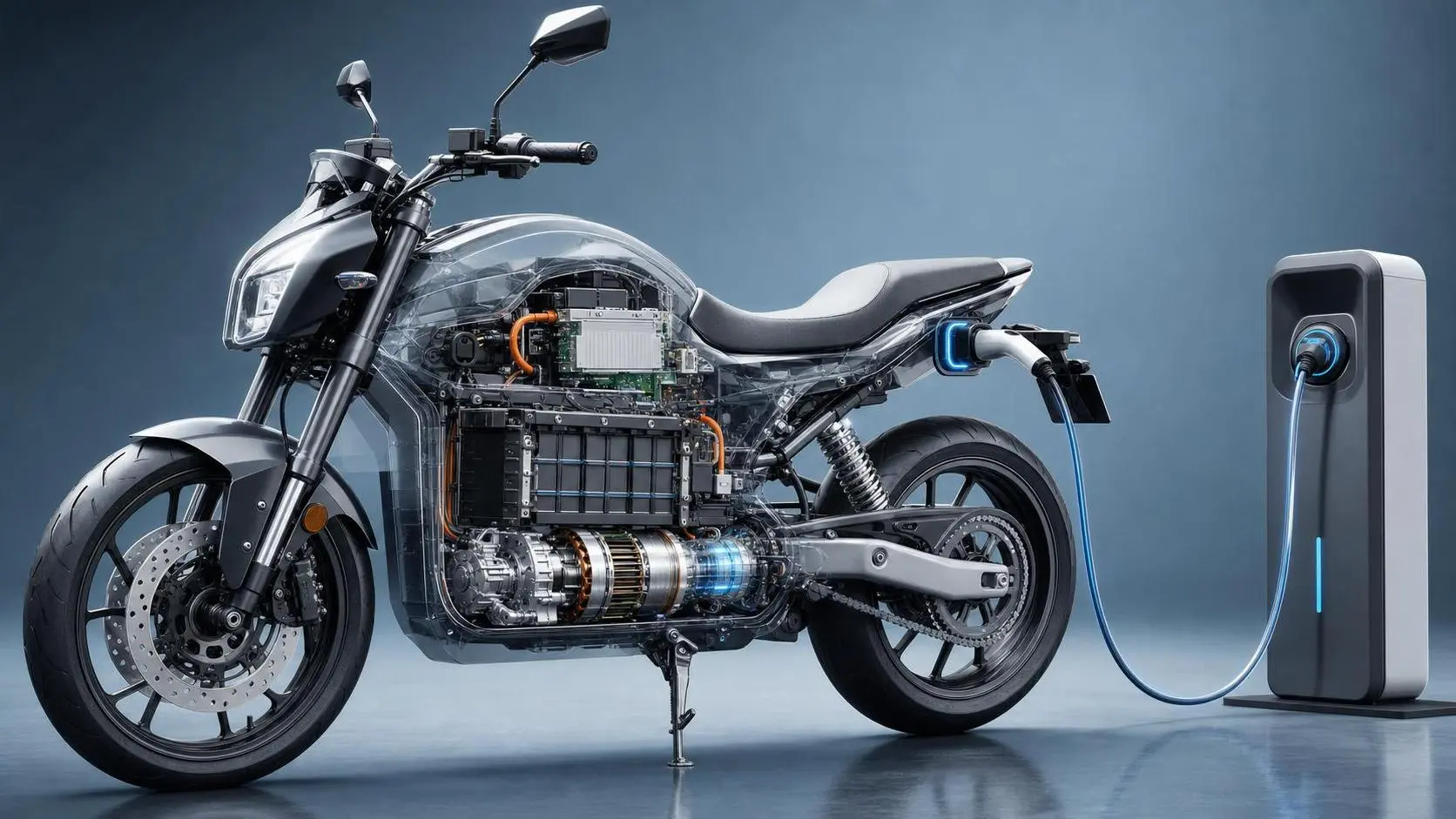
72V Electric Motorcycle Technology Explained: Motors, Controllers, Range, and Charging
Electric motorcycle technology 72V explained clearly: compare motors, controllers, range, battery design, and charging to choose a smoother, stronger, and smarter electric ride.
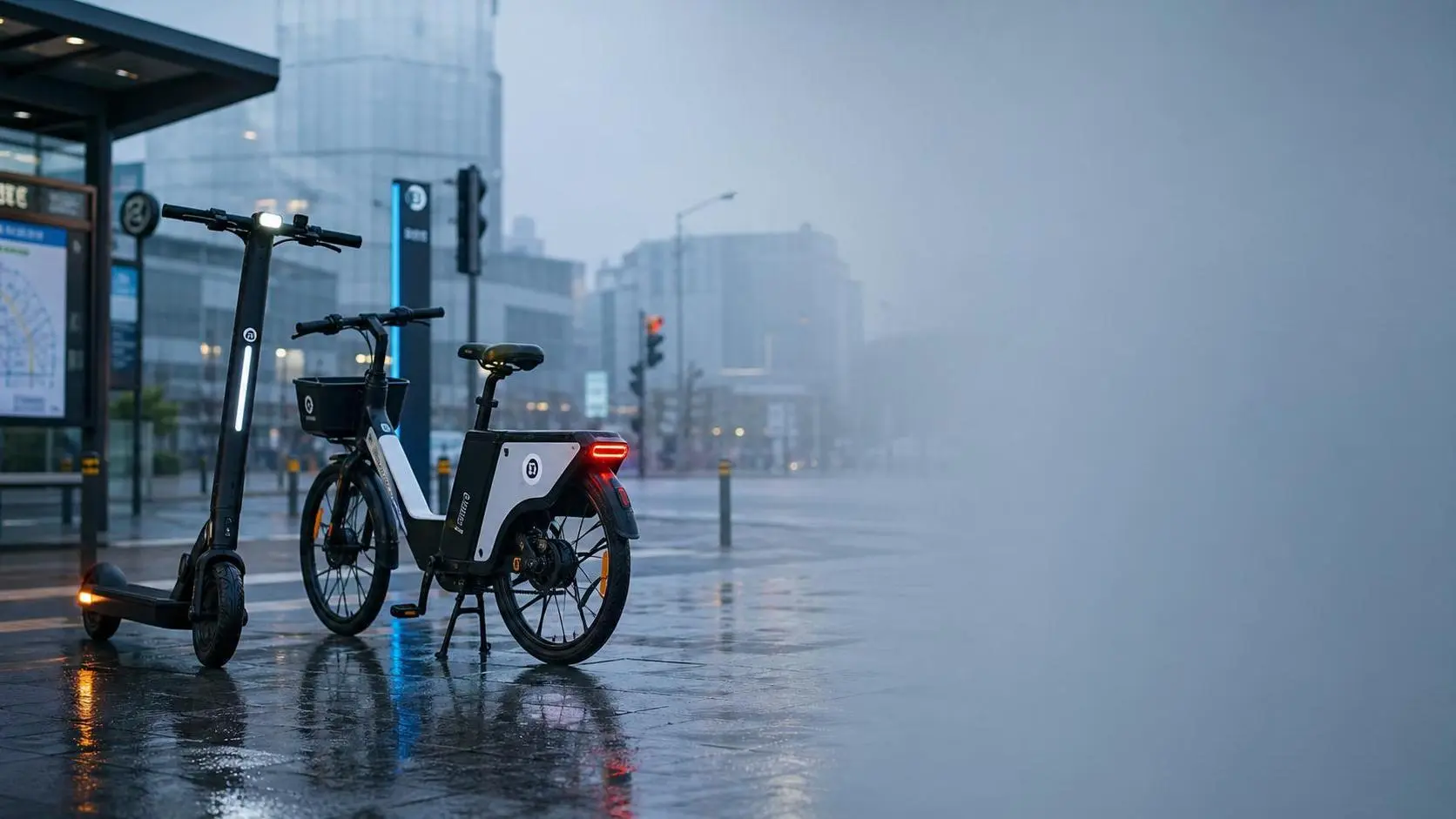
Where LED Urban Visibility Safety Systems Fit Best in Shared Scooters and City E-bikes
LED urban visibility safety systems deliver the most value in shared scooters and city e-bikes by improving multi-angle safety, fleet durability, and urban compliance across real-world routes.
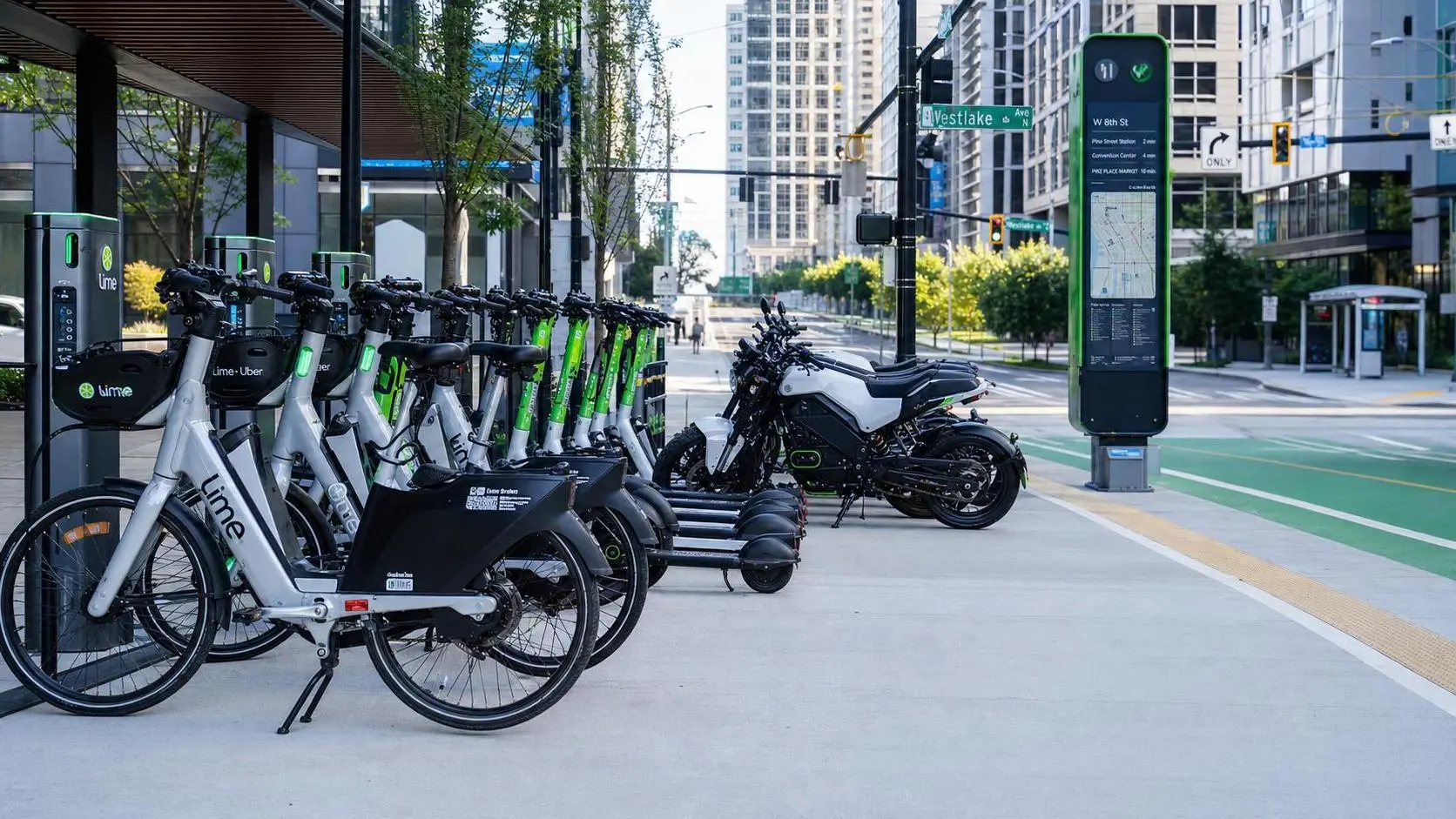
Intellectualization of Mobility in North America: What Is Driving Adoption Across Urban Transport?
Intellectualization of mobility North America is reshaping urban transport through data, smart fleets, and battery intelligence. Explore what is driving adoption and why cities and operators are accelerating now.
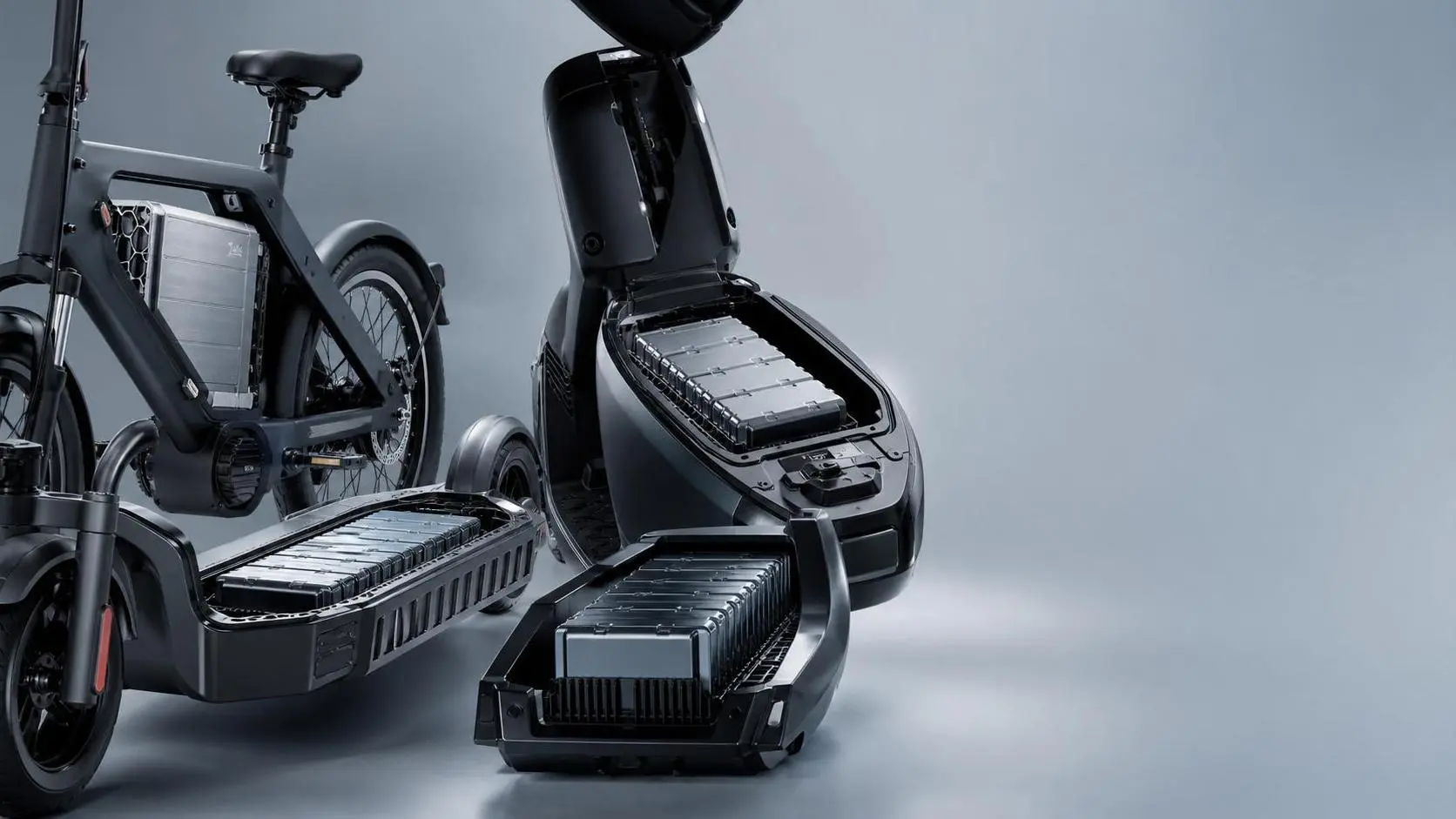
How to Choose a Compact Battery Pack: Size, Energy Density, Thermal Design, and Cycle Life
Compact battery pack selection starts with more than size. Learn how energy density, thermal design, and cycle life shape range, safety, and long-term value.
What Is Driving Green Two-wheelers Demand in Europe? Policy, Fuel Costs, and Buyer Segments
Green two-wheelers demand Europe is rising as policy support, fuel cost pressure, and diverse buyer segments reshape urban mobility. Explore the trends driving the next growth wave.