
Related News
- 00
0000-00
E-Bike Incentives Explained: How Riders Can Find Local Rebates and Tax Credits - 00
0000-00
How to Choose Urban Commuting E-bikes for Rental Fleets by Range, Durability, and Serviceability - 00
0000-00
E-Bike Component Selection: How to Evaluate a Torque Sensor for Commuting and Cargo Use - 00
0000-00
What Drives Low Carbon E-bike Price: Materials, Battery Specs, and Compliance Costs - 00
0000-00
Utility Maximization in E-bikes: Which Motor, Battery, and Range Trade-offs Matter Most?
Micro-Mobility Strategist
Weekly Insights
Stay ahead with our curated technology reports delivered every Monday.
How is smart urban travel changing daily city commutes?





Smart urban travel is changing daily city commutes by making movement cleaner, faster, and more flexible. In crowded streets, time, cost, safety, and convenience now shape every travel decision.
From e-bikes to smart e-scooters and connected traffic systems, smart urban travel supports low-carbon mobility while reducing friction in short-distance trips. It also creates new decision points for riders, operators, and city planners.
For a platform like UMMS, this shift matters because the future of commuting depends on efficient drivetrains, battery intelligence, vehicle visibility, data connectivity, and real-world policy adaptation.
Why commute context now matters more than ever
Not every city trip has the same purpose. A five-kilometer office ride differs from a food delivery route, a campus transfer, or a rainy evening connection to transit.
That is why smart urban travel should be judged by scenario, not by hype. The best option depends on street density, parking access, weather, battery range, and traffic rules.
Modern commuters increasingly expect one system to solve many problems. They want faster first-mile and last-mile travel, predictable travel times, easier parking, and lower emissions.
Cities also want better micro-circulation. When short trips move from private cars to compact electric vehicles, congestion pressure drops and road space can be used more efficiently.
Scenario one: short office commutes in dense urban cores
In central business districts, smart urban travel often replaces slow car trips and crowded buses. E-bikes and smart e-scooters perform well where roads are saturated and parking is limited.
The main judgment points are trip distance, traffic light frequency, secure parking, and local lane infrastructure. If a commute is under eight kilometers, compact electric mobility is often highly competitive.
What matters most in this scenario
- Fast acceleration in stop-and-go traffic
- Easy parking near offices or stations
- Battery range that covers two daily trips
- Integrated lights, brakes, and anti-theft functions
For this setting, smart urban travel is less about top speed and more about dependable door-to-door efficiency. Consistent arrival time becomes the real value advantage.
Scenario two: first-mile and last-mile transit connections
Many daily commutes fail at the edges. The train may be efficient, but getting to the station or leaving it can waste time. Smart urban travel solves this gap well.
Foldable e-bikes, light e-scooters, and connected sharing fleets help riders bridge short distances without needing a car. This is where mobility systems matter as much as the vehicle itself.
Core judgment points for transit-linked travel
- Vehicle portability or station docking availability
- App-based route planning and real-time fleet visibility
- Battery charge reliability during peak hours
- Rules for carrying devices onto transit
In this scenario, smart urban travel becomes an ecosystem question. Seamless payment, route intelligence, and access management can determine whether users stay with the service.
Scenario three: flexible urban errands and mixed-purpose trips
City residents rarely travel for only one reason. A single trip may include shopping, school pickup, a pharmacy stop, and a coffee meeting across several neighborhoods.
Smart urban travel works well here because it supports spontaneous routing. E-bikes with cargo options, secure storage, and stable braking are especially useful for variable daily needs.
Best-fit features for mixed-purpose mobility
- Cargo carrying capacity or basket integration
- Comfortable geometry for frequent starts and stops
- Weather-ready safety elements, including visibility support
- Reliable drivetrain efficiency across varied road surfaces
This is where precision components become important. Smooth shifting, efficient transmission, and better battery management improve comfort and energy use across unpredictable urban patterns.
Scenario four: high-speed corridor commuting at the city edge
Outer districts and peri-urban areas need a different solution. Distances are longer, speeds are higher, and road interaction can be more complex than in city centers.
Here, high-speed e-motorcycles may fit better than light scooters. Smart urban travel in these corridors depends on torque delivery, battery thermal management, and charging or swapping access.
Decision factors in edge-city commuting
- Daily distance beyond typical e-scooter range
- Safer performance in faster traffic environments
- Thermal stability during repeated use
- Battery-swapping or charging network density
For these users, smart urban travel is not only about convenience. It is about replacing internal combustion trips without losing commuting reliability or road confidence.
How different commute scenarios create different mobility needs
Practical recommendations for choosing smart urban travel
The best smart urban travel choice starts with route reality, not product marketing. Daily conditions reveal which platform delivers lasting value.
- Measure actual round-trip distance, not estimated distance.
- Check slope, road quality, and stop frequency.
- Review local rules on lanes, helmets, speed, and parking.
- Prioritize safety systems, lighting, and braking before top speed.
- Consider drivetrain quality and battery management for long-term use.
- Compare charging convenience with battery-swapping availability.
- Assess weather exposure, especially rain visibility and traction needs.
These steps make smart urban travel decisions more accurate. They also reduce the risk of buying for occasional needs instead of everyday performance.
Common mistakes when judging daily commute scenarios
One common mistake is choosing only by price. A low upfront cost may lead to weak battery life, poor ride comfort, or limited reliability in dense traffic.
Another mistake is ignoring weather. Smart urban travel must work in rain, heat, and low-light conditions. Visibility support, surface grip, and component durability become essential.
Many people also underestimate maintenance quality. Precision derailleur systems, motor efficiency, and battery protection strongly affect performance over time.
A final misjudgment is treating all micro-mobility devices as equal. The right answer changes with distance, speed environment, and trip purpose.
Why connected systems will define the next phase of city commuting
The future of smart urban travel is not just better vehicles. It is better coordination between vehicles, infrastructure, software, and policy.
IoT tracking, anti-theft systems, battery analytics, wireless shifting intelligence, and traffic data integration will make commuting more predictable and safer.
This is where industry intelligence becomes critical. Understanding subsidy changes, right-of-way rules, thermal models, and drivetrain evolution helps people adapt to a fast-moving market.
As cities push for decarbonization, smart urban travel will increasingly shape how streets are designed, how short trips are priced, and how mobility services compete.
Next steps for making smarter daily commute decisions
Start by mapping your most common routes across one week. Identify bottlenecks, parking stress, charging access, and transfer gaps. This will clarify which form of smart urban travel fits best.
Then compare mobility options by scenario, not by trend. Short dense trips, transit links, mixed errands, and edge-city travel each reward different design choices.
For deeper insight into e-bikes, smart e-scooters, high-speed e-motorcycles, and precision mobility systems, following trusted sector intelligence can turn commute uncertainty into practical action.
Smart urban travel is changing daily city commutes because it aligns movement with real urban life: less waiting, less waste, more flexibility, and better use of every kilometer.
Related News
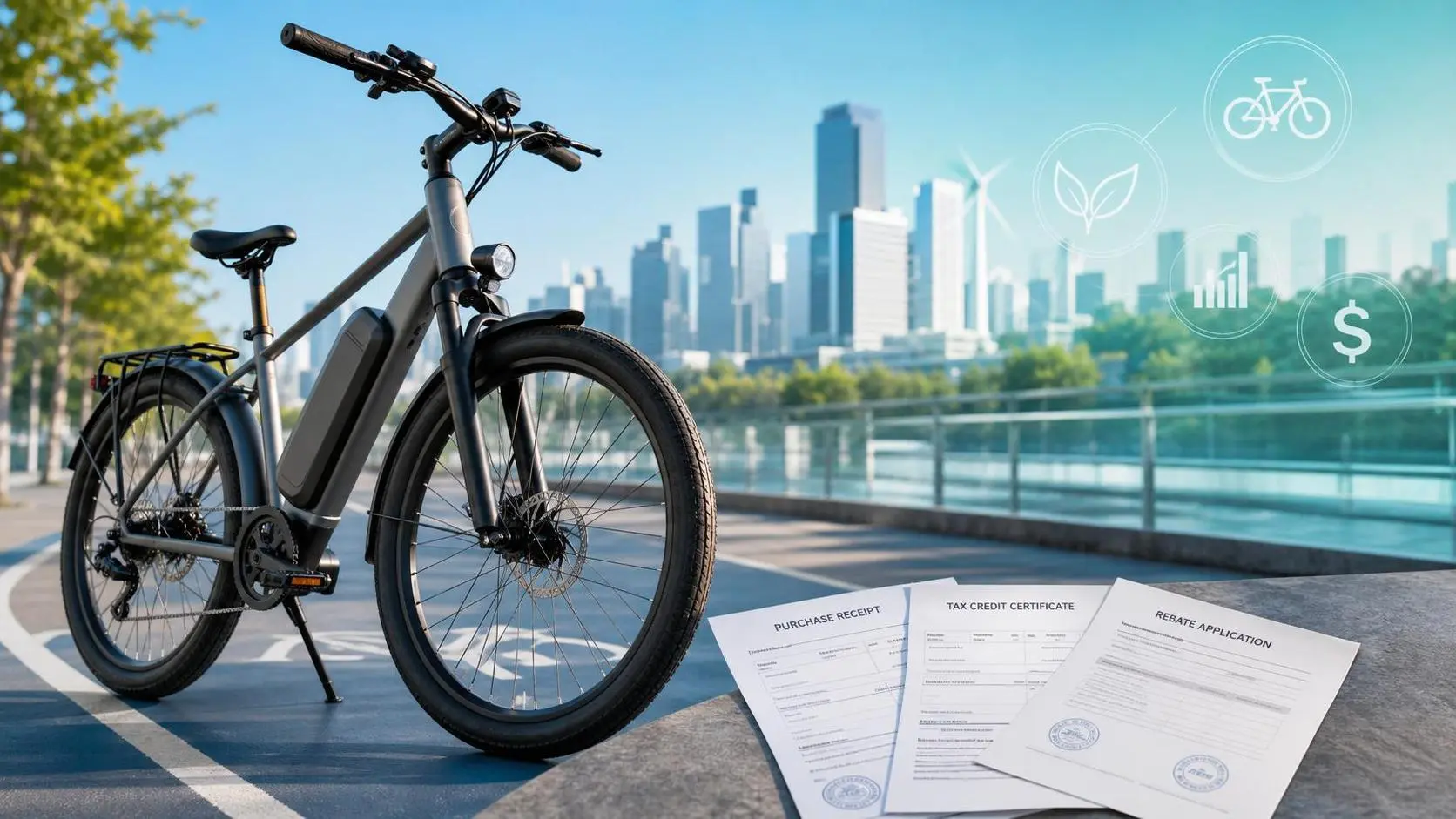
E-Bike Incentives Explained: How Riders Can Find Local Rebates and Tax Credits
E bike incentives explained: learn how to find local rebates, tax credits, and utility offers, avoid common mistakes, and cut the real cost of your next e-bike.
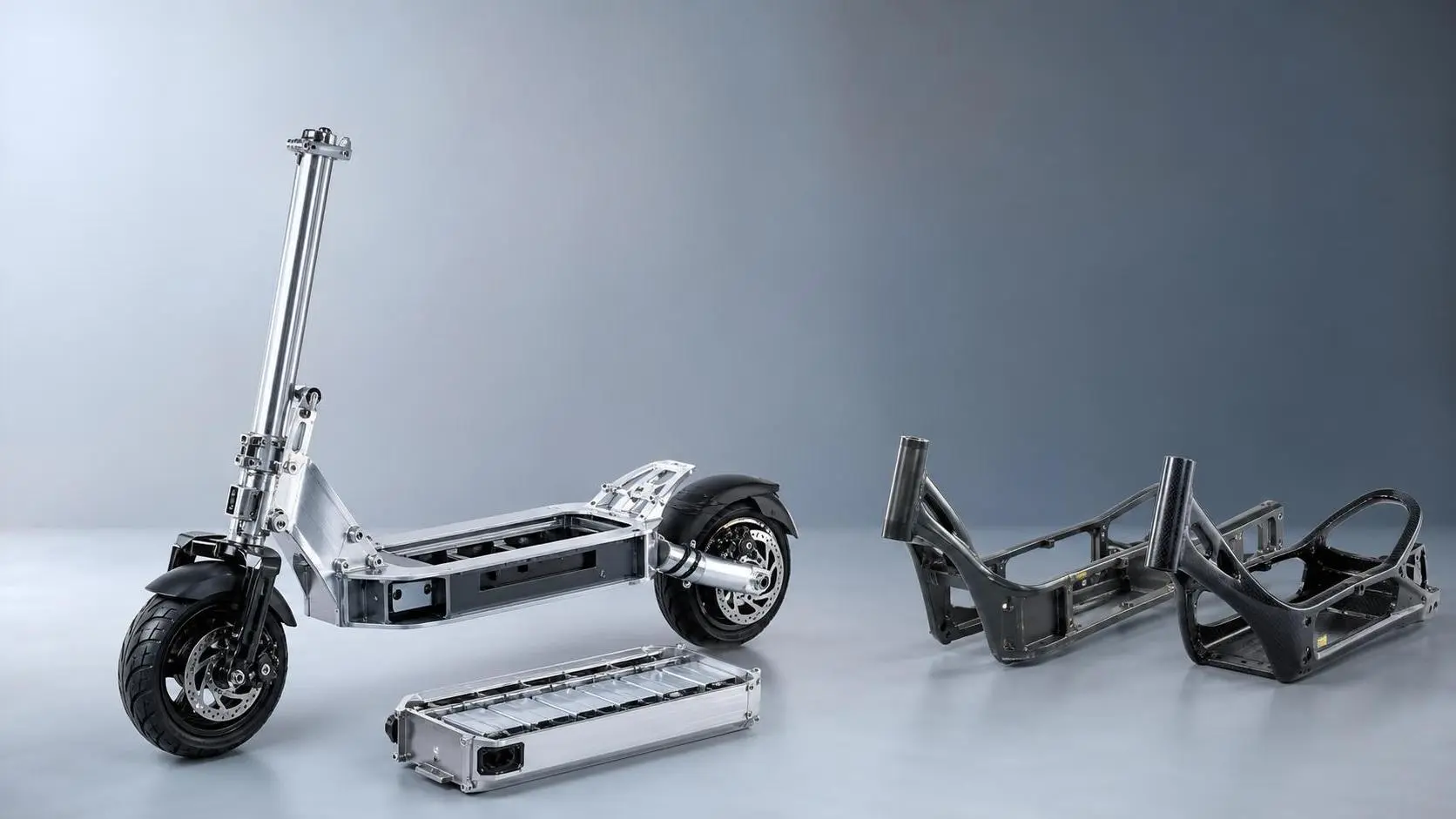
How to Choose Lightweight Scooter Frames in Europe: Materials, Standards, and Use Cases
Lightweight scooter frames Europe buyers need should balance materials, EN standards, durability, and real use cases. Discover how to choose safer, smarter, compliant frames.
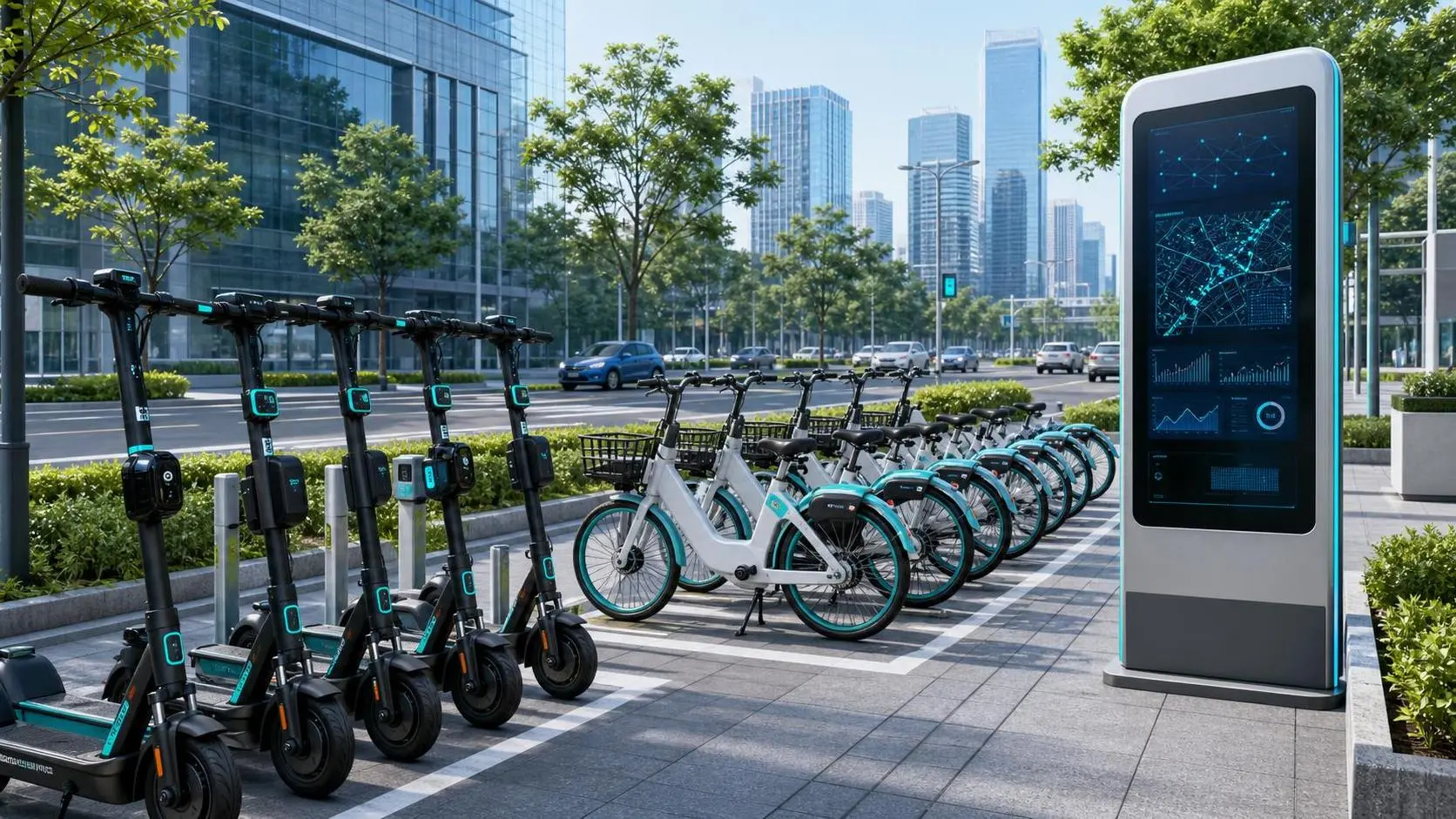
What Is the Intellectualization of Mobility Platform and How Is It Applied in Shared Fleets?
Intellectualization of mobility platform is reshaping shared fleets with real-time data, predictive maintenance, and smarter compliance—learn how it boosts safety, uptime, and urban mobility efficiency.
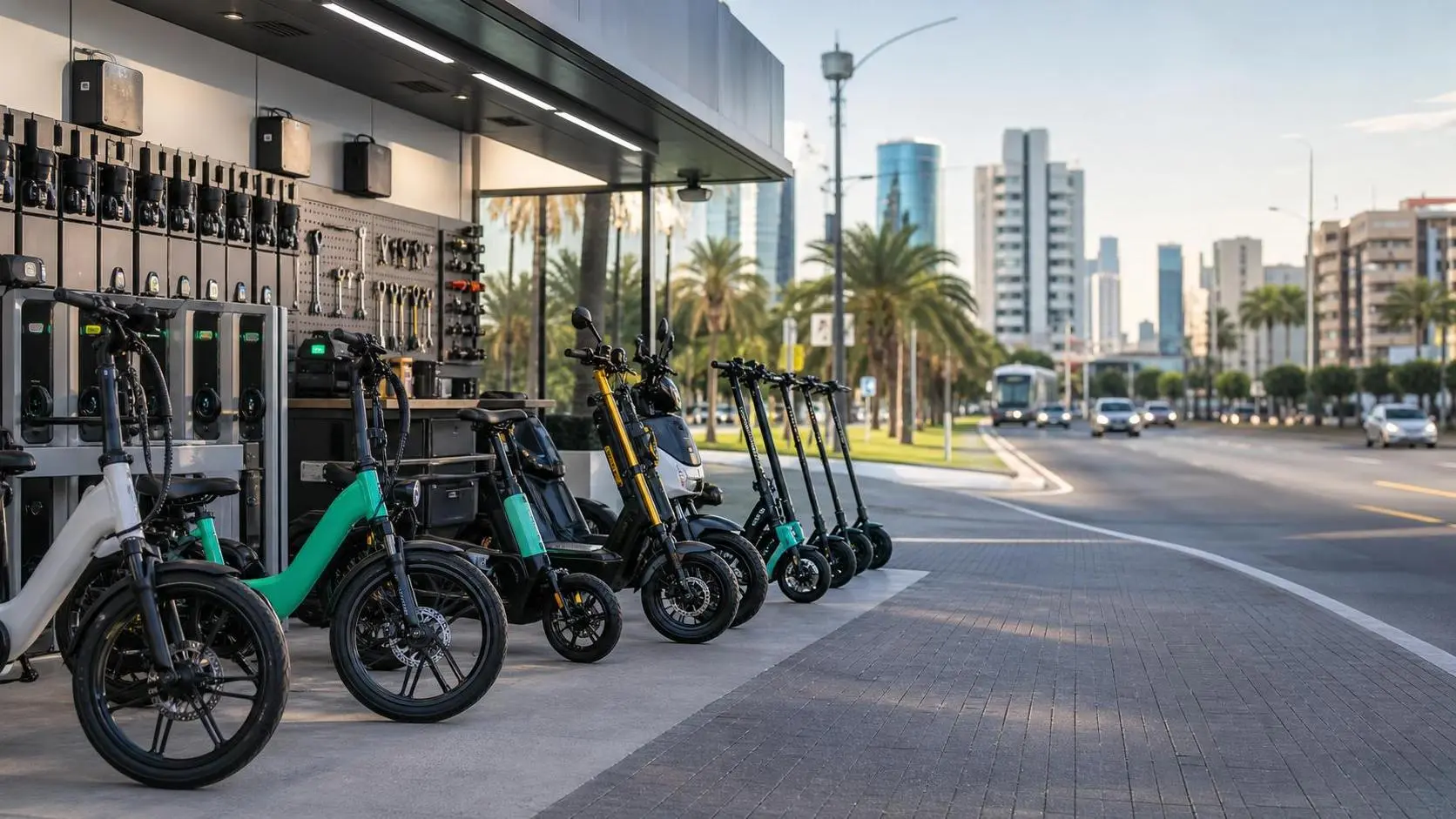
Urban Micro-Mobility Systems in Latin America: Key Market Drivers, Barriers, and Growth Segments
Urban micro-mobility systems Latin America are reshaping city transport. Explore key drivers, barriers, and high-growth segments to spot the region’s most investable opportunities.
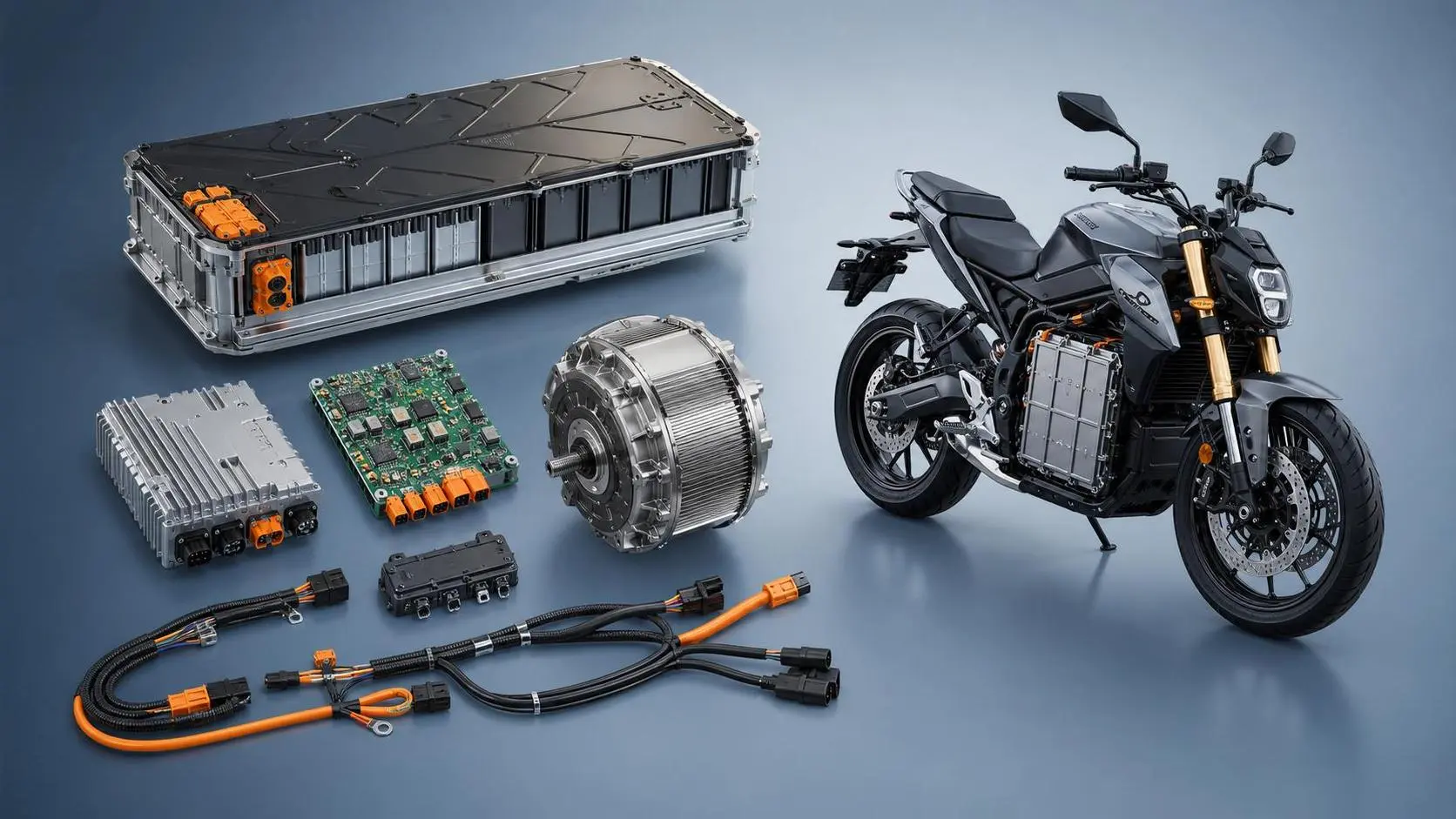
Electric Motorcycle Systems Price Breakdown: What Affects Cost From Battery to Controller?
Electric motorcycle systems price explained: see how battery, controller, motor, BMS, and wiring affect total cost, reliability, and sourcing value before you buy.
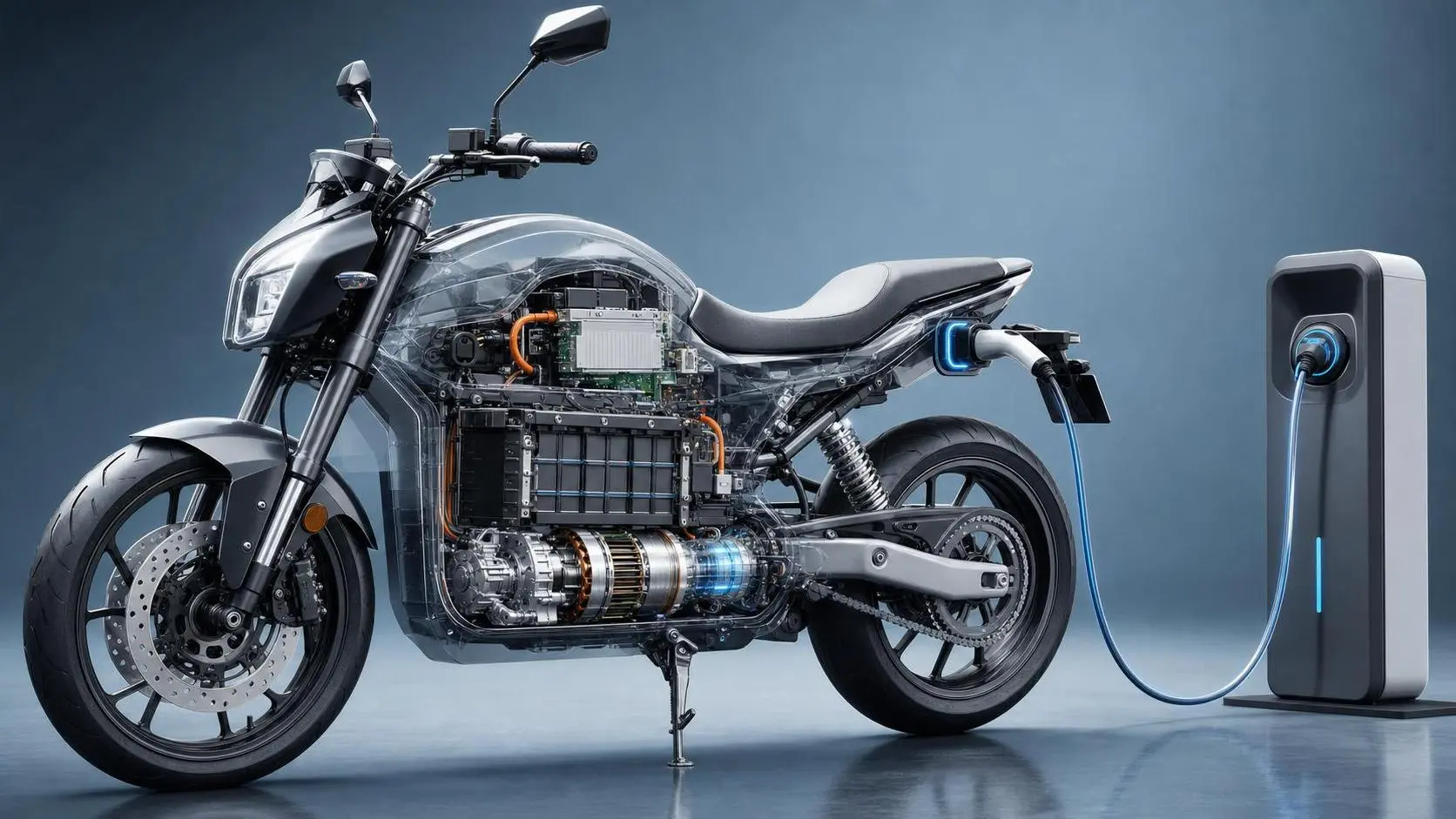
72V Electric Motorcycle Technology Explained: Motors, Controllers, Range, and Charging
Electric motorcycle technology 72V explained clearly: compare motors, controllers, range, battery design, and charging to choose a smoother, stronger, and smarter electric ride.
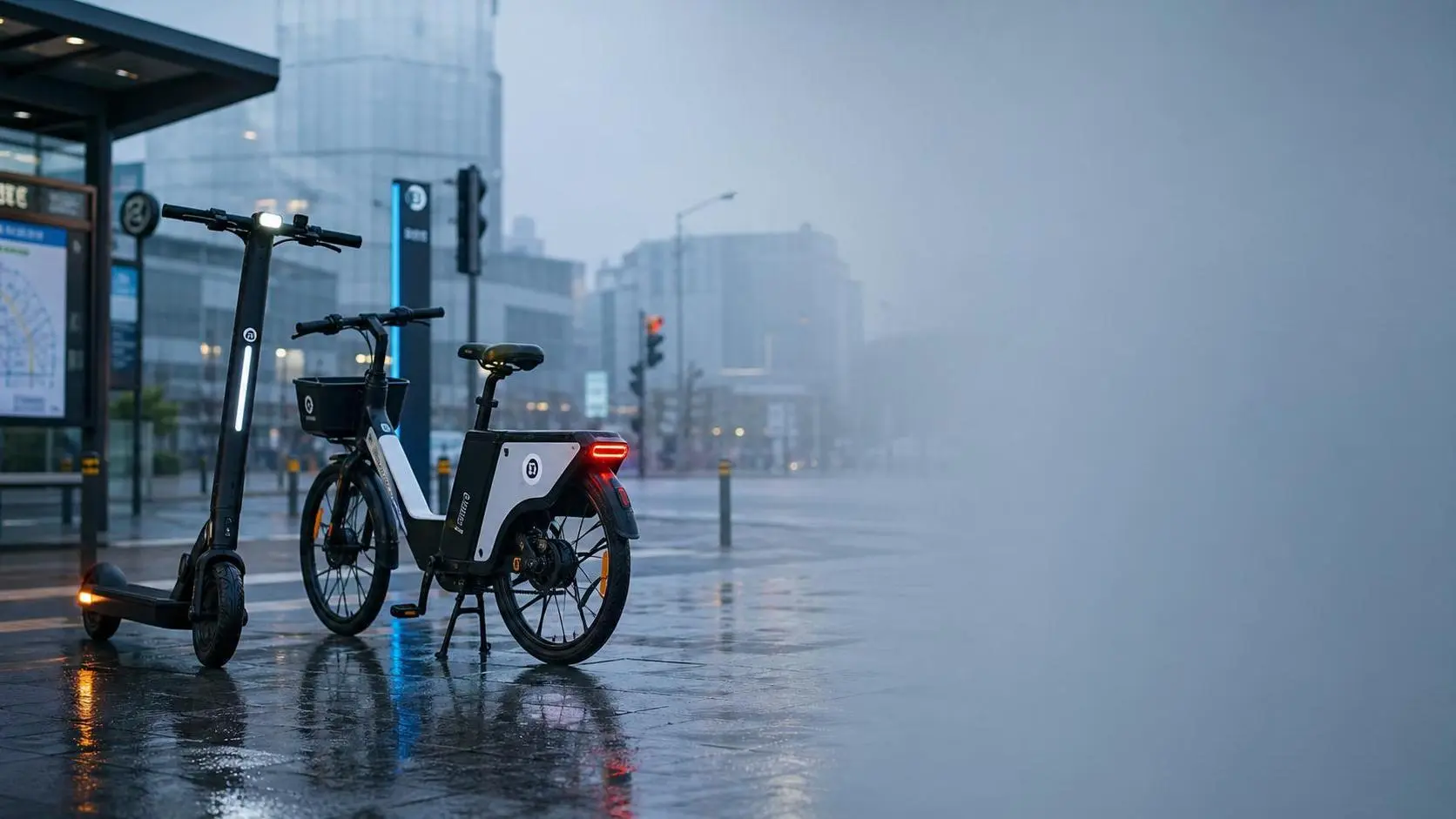
Where LED Urban Visibility Safety Systems Fit Best in Shared Scooters and City E-bikes
LED urban visibility safety systems deliver the most value in shared scooters and city e-bikes by improving multi-angle safety, fleet durability, and urban compliance across real-world routes.
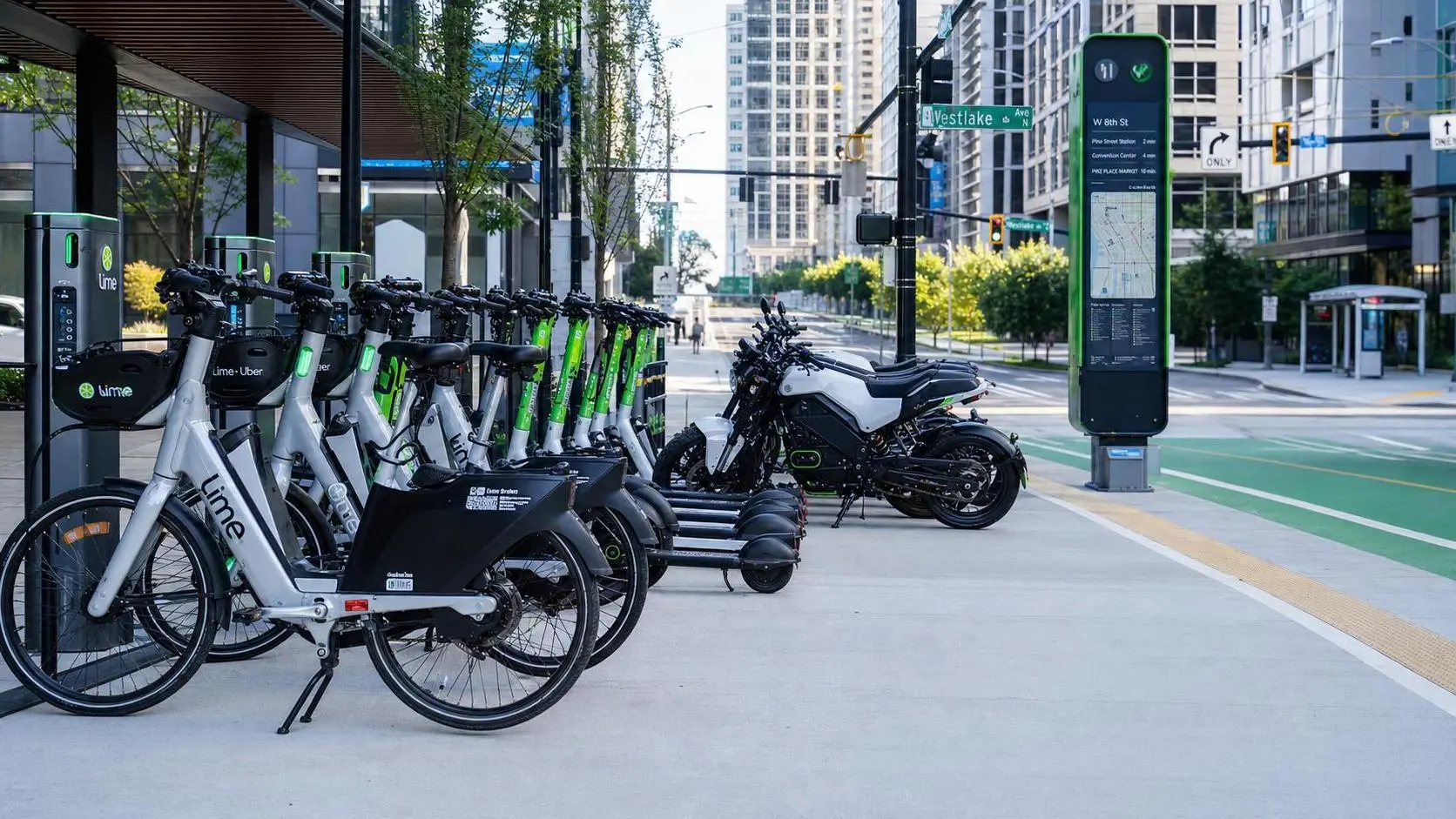
Intellectualization of Mobility in North America: What Is Driving Adoption Across Urban Transport?
Intellectualization of mobility North America is reshaping urban transport through data, smart fleets, and battery intelligence. Explore what is driving adoption and why cities and operators are accelerating now.
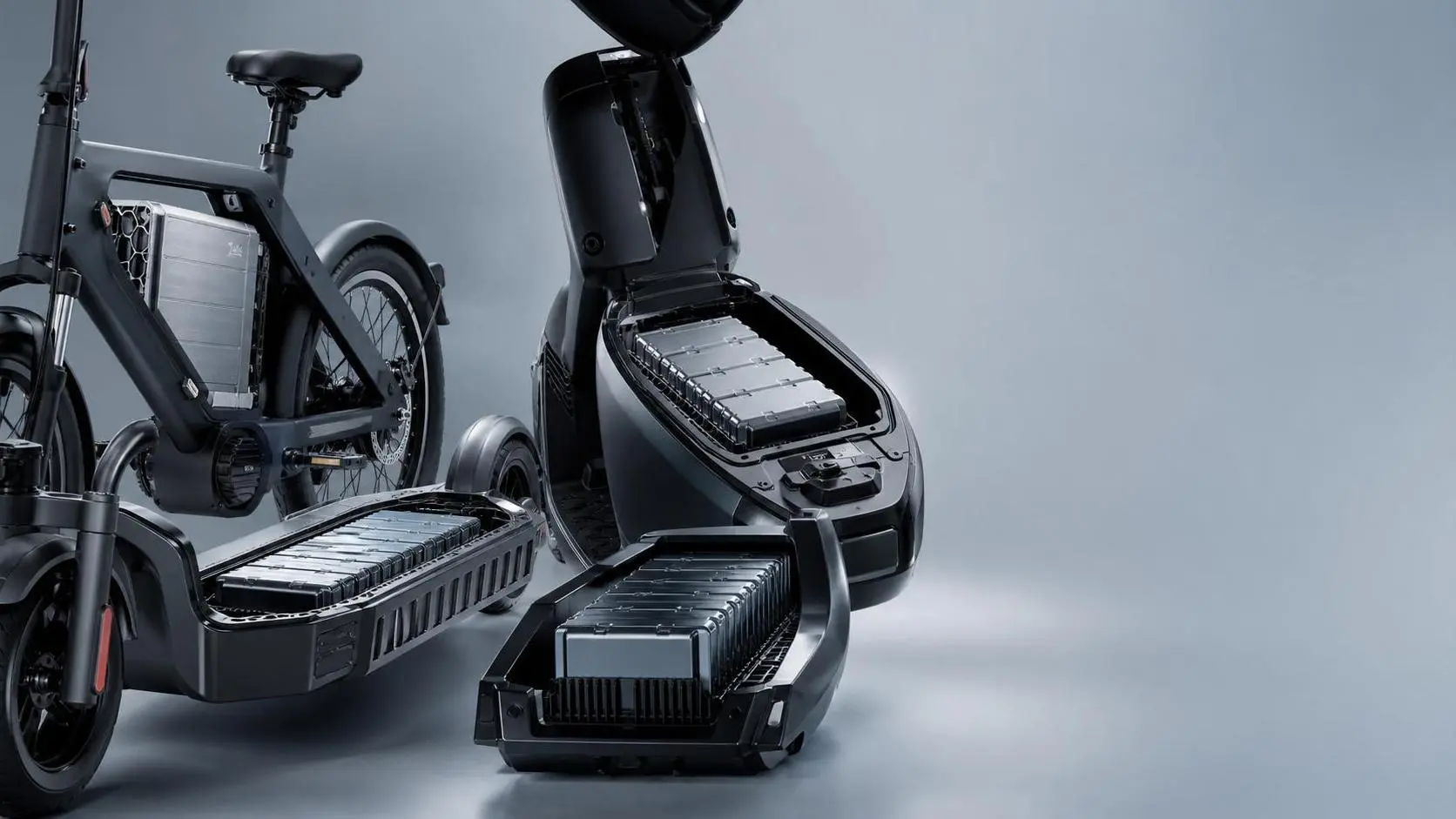
How to Choose a Compact Battery Pack: Size, Energy Density, Thermal Design, and Cycle Life
Compact battery pack selection starts with more than size. Learn how energy density, thermal design, and cycle life shape range, safety, and long-term value.