
Related News
- 00
0000-00
How to Choose Urban Commuting E-bikes for Rental Fleets by Range, Durability, and Serviceability - 00
0000-00
E-Bike Component Selection: How to Evaluate a Torque Sensor for Commuting and Cargo Use - 00
0000-00
What Drives Low Carbon E-bike Price: Materials, Battery Specs, and Compliance Costs - 00
0000-00
Utility Maximization in E-bikes: Which Motor, Battery, and Range Trade-offs Matter Most? - 00
0000-00
Brushless Motor for Scooters: How to Compare Power, Torque, and Efficiency
Micro-Mobility Strategist
Weekly Insights
Stay ahead with our curated technology reports delivered every Monday.
What matters most when choosing electric bike components





For urban mobility brands, selecting electric bike components now shapes far more than assembly cost. It influences safety, warranty rates, ride quality, compliance readiness, and brand trust across fast-changing global markets.
As e-bikes move from niche commuting tools to mainstream transport, component decisions must support efficiency, durability, serviceability, and regulatory alignment. The best choices balance technical performance with supply resilience and long-term platform strategy.
Why electric bike components are under closer scrutiny now
The electric bike components market is changing quickly. Cities want cleaner transport, riders expect stronger performance, and regulators demand higher battery, brake, and electrical safety standards.
At the same time, competition has intensified. A bike that looks similar on paper can feel completely different depending on the motor response, battery logic, drivetrain compatibility, and braking confidence.
That is why electric bike components should be evaluated as an integrated system. A strong battery cannot compensate for weak thermal control. A powerful motor cannot hide poor gear matching.
The strongest trend signals shaping component selection
Several market signals explain why electric bike components selection has become more strategic than before. These signals affect specifications, sourcing choices, and platform planning.
- Higher urban usage frequency is raising expectations for reliability and service intervals.
- Battery safety concerns are pushing stricter certification and traceability requirements.
- Premium riders increasingly compare torque feel, noise control, and shifting smoothness.
- More regions require compliance with local electrical, transport, and recycling rules.
- Supply chain volatility is making second-source planning a core purchasing consideration.
These shifts mean electric bike components must be reviewed not only by unit price, but also by lifecycle cost and market-fit potential.
What is driving the shift in electric bike components demand
The components that matter most, and why weak matching creates risk
Motor systems define the ride character
When comparing electric bike components, the motor is often the first checkpoint. Yet torque numbers alone are misleading without reviewing efficiency curves, thermal behavior, noise, and sensor integration.
A well-matched motor should deliver predictable support in traffic, on hills, and during stop-start riding. Response smoothness often matters more than peak power in daily urban use.
Battery systems determine both range and trust
Battery-related electric bike components require the deepest validation. Cell chemistry, pack design, BMS logic, thermal protection, waterproofing, and charger compatibility all affect safety and brand reputation.
Range claims should be tested under realistic conditions. High-density packs are attractive, but durability under charge cycles and temperature variation is equally important.
Controllers and sensors shape efficiency
Controllers are among the most underestimated electric bike components. They influence acceleration feel, battery consumption, fault diagnosis, and compatibility with pedal assist sensors or torque sensors.
Poor controller calibration can create jerky starts, wasted energy, and higher return rates. Software stability matters as much as hardware quality.
Drivetrain and derailleur parts affect energy transfer
Efficient electric bike components include the mechanical transmission system. Chains, cassettes, chainrings, and derailleur components must handle higher torque loads than conventional bicycles.
If drivetrain strength is underestimated, wear accelerates quickly. That leads to noise, poor shifting, and rider dissatisfaction, especially on mid-drive platforms.
Braking systems are a safety-critical decision
Not all electric bike components carry equal risk. Brakes are among the most critical because e-bikes are heavier and often faster than standard bicycles.
Hydraulic disc brakes, rotor sizing, pad consistency, and wet-weather performance should be checked carefully. Stopping confidence strongly influences user retention and market feedback.
How these choices affect business performance across the value chain
The quality of electric bike components affects more than assembly results. It shapes inventory planning, service network complexity, certification timelines, and even channel confidence.
A component set with weak documentation or unstable supply can delay launch schedules. A technically strong system with poor field repairability can also create hidden downstream costs.
- Engineering impact: redesigns increase when interfaces are inconsistent.
- Commercial impact: poor ride experience weakens reviews and repeat sales.
- Service impact: proprietary parts can slow repairs and raise spare stock needs.
- Compliance impact: unclear test data may block entry into target regions.
The most important checkpoints when evaluating electric bike components
A practical evaluation framework helps compare electric bike components beyond brochure claims. The following checkpoints are especially useful in fast-moving mobility markets.
- System compatibility: confirm interfaces across motor, battery, controller, display, and drivetrain.
- Certification readiness: review applicable safety, transport, EMC, and battery standards.
- Environmental durability: check water resistance, corrosion tolerance, and vibration performance.
- Serviceability: assess spare parts access, diagnostics, and replacement procedures.
- Supply continuity: examine production capacity, lead times, and backup sourcing paths.
- Lifecycle economics: compare warranty risk, maintenance frequency, and failure trends.
A simple way to judge which specifications deserve priority
How to respond as market expectations keep rising
The smartest response is to treat electric bike components as a platform decision, not a parts list exercise. Technical consistency and market adaptability should be evaluated together.
- Build a shared scorecard for performance, compliance, durability, and supply risk.
- Test electric bike components as a complete riding system, not in isolation.
- Request failure data, certification files, and field validation evidence early.
- Prioritize components with clear upgrade paths and maintainable interfaces.
- Track regional policy shifts that may affect batteries, speed classes, and safety rules.
In a market shaped by electrification and urban mobility intelligence, the right electric bike components create real strategic advantage. Better specifications today can prevent expensive corrections tomorrow.
Use the next review cycle to compare current component choices against lifecycle risk, compliance readiness, and rider experience goals. That is where stronger product positioning begins.
Related News
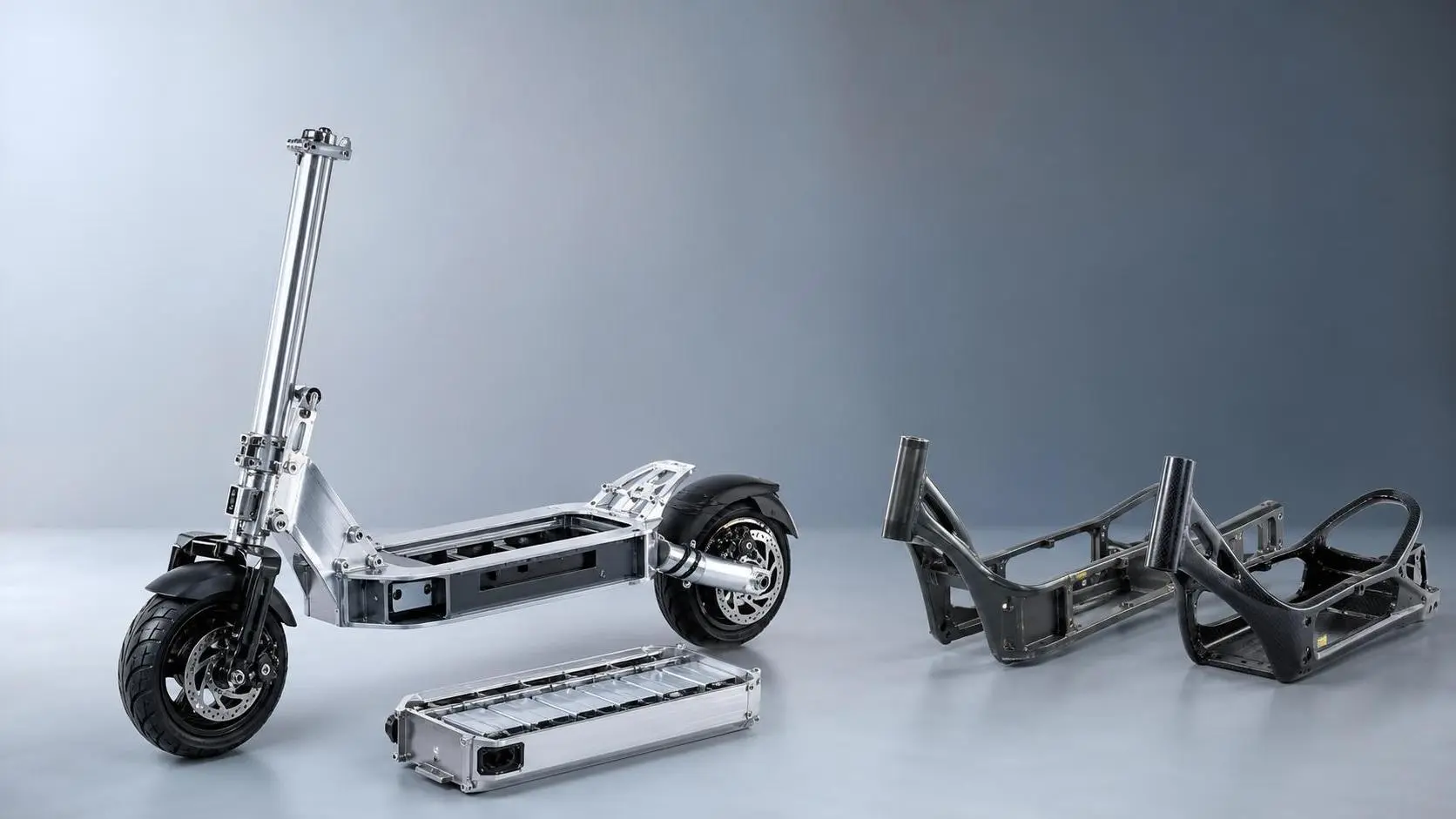
How to Choose Lightweight Scooter Frames in Europe: Materials, Standards, and Use Cases
Lightweight scooter frames Europe buyers need should balance materials, EN standards, durability, and real use cases. Discover how to choose safer, smarter, compliant frames.
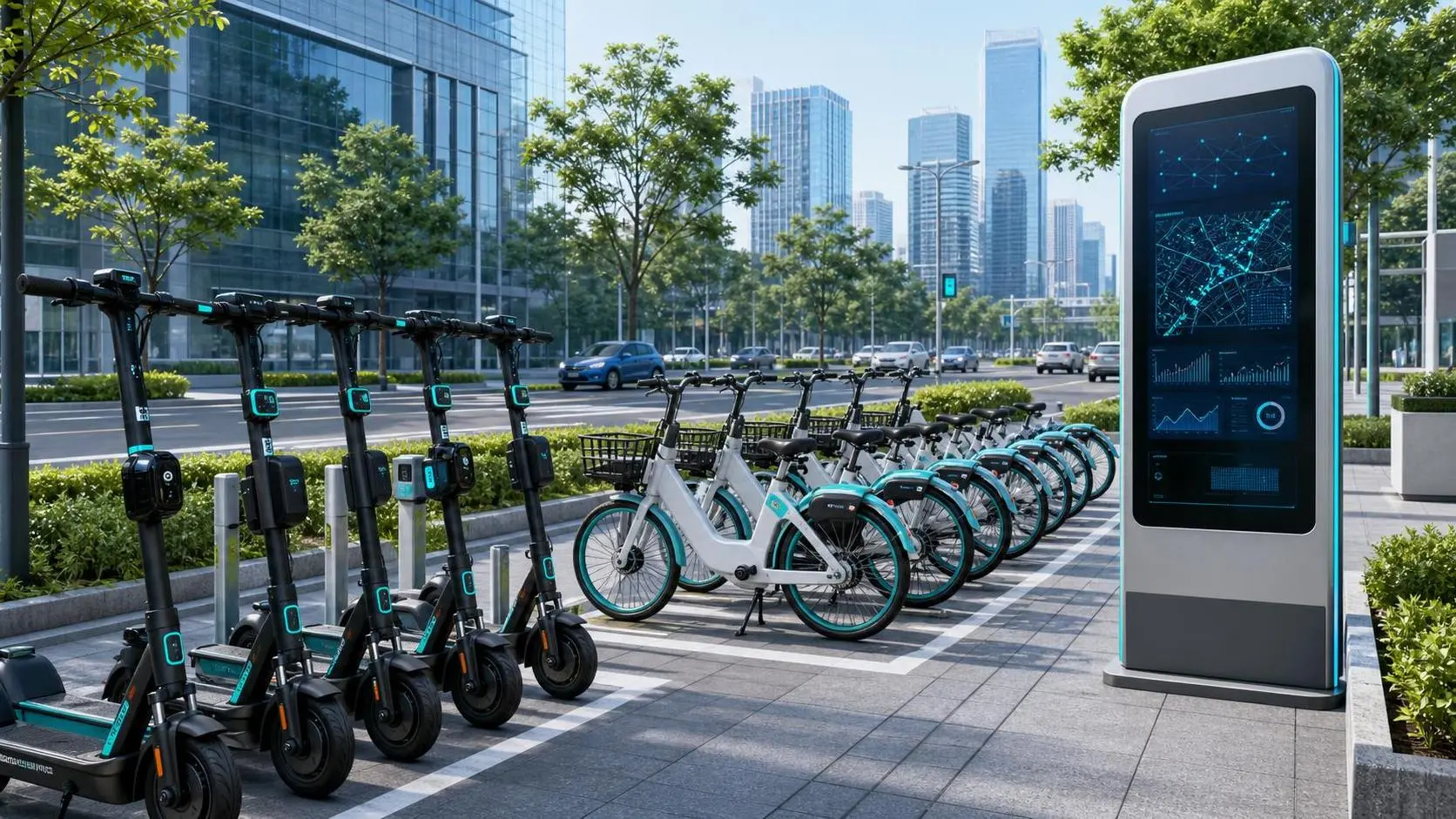
What Is the Intellectualization of Mobility Platform and How Is It Applied in Shared Fleets?
Intellectualization of mobility platform is reshaping shared fleets with real-time data, predictive maintenance, and smarter compliance—learn how it boosts safety, uptime, and urban mobility efficiency.
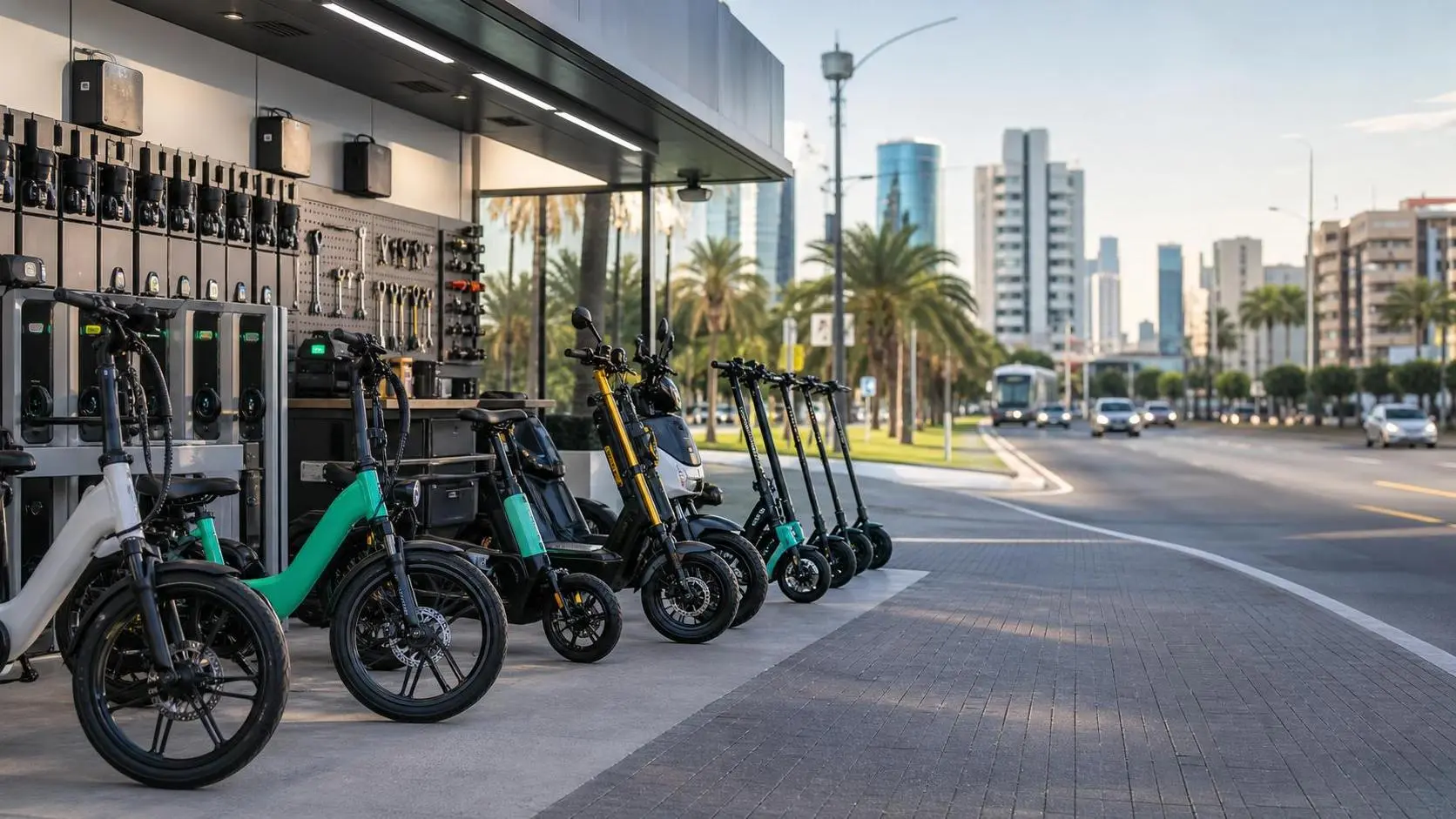
Urban Micro-Mobility Systems in Latin America: Key Market Drivers, Barriers, and Growth Segments
Urban micro-mobility systems Latin America are reshaping city transport. Explore key drivers, barriers, and high-growth segments to spot the region’s most investable opportunities.
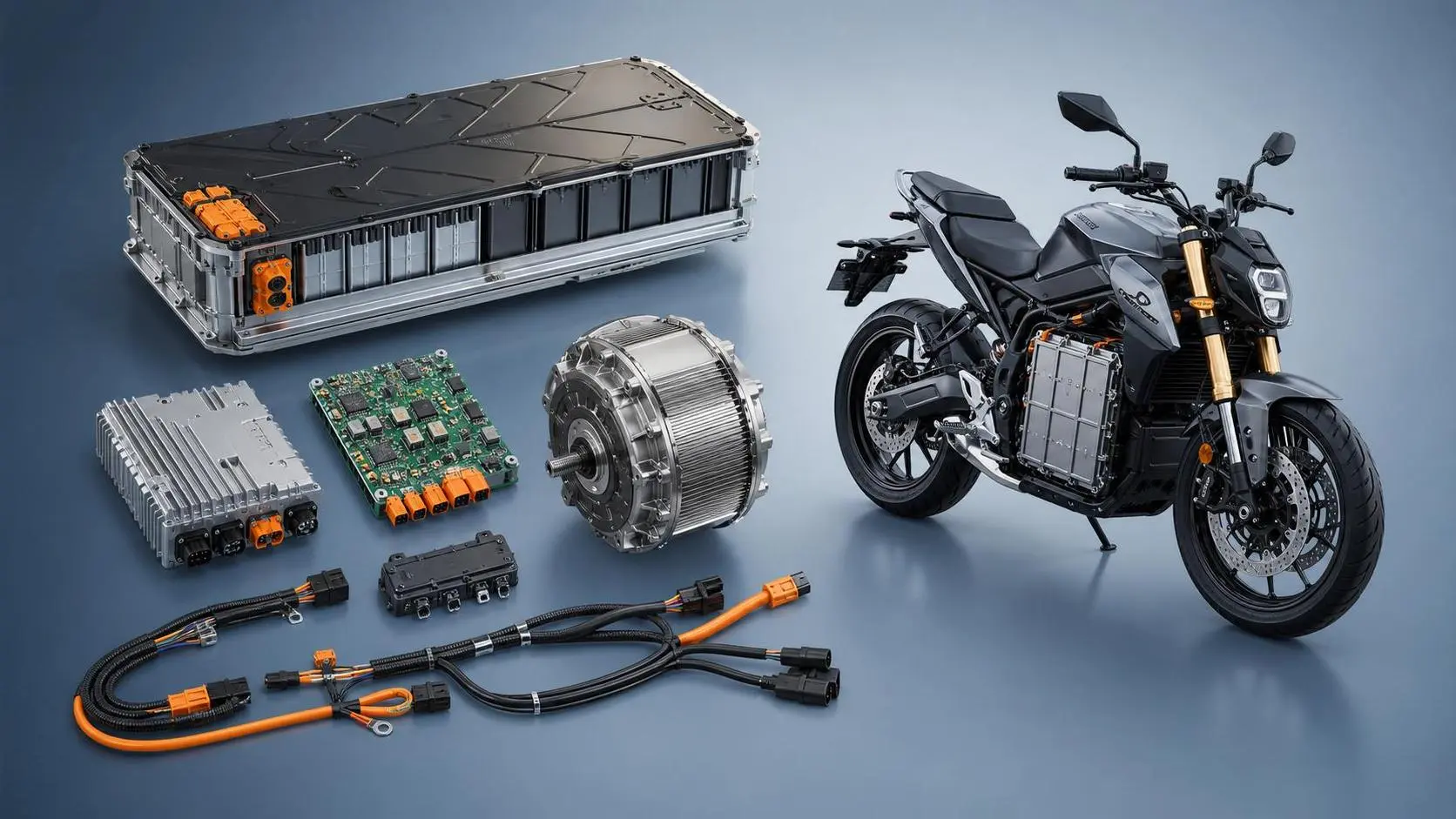
Electric Motorcycle Systems Price Breakdown: What Affects Cost From Battery to Controller?
Electric motorcycle systems price explained: see how battery, controller, motor, BMS, and wiring affect total cost, reliability, and sourcing value before you buy.
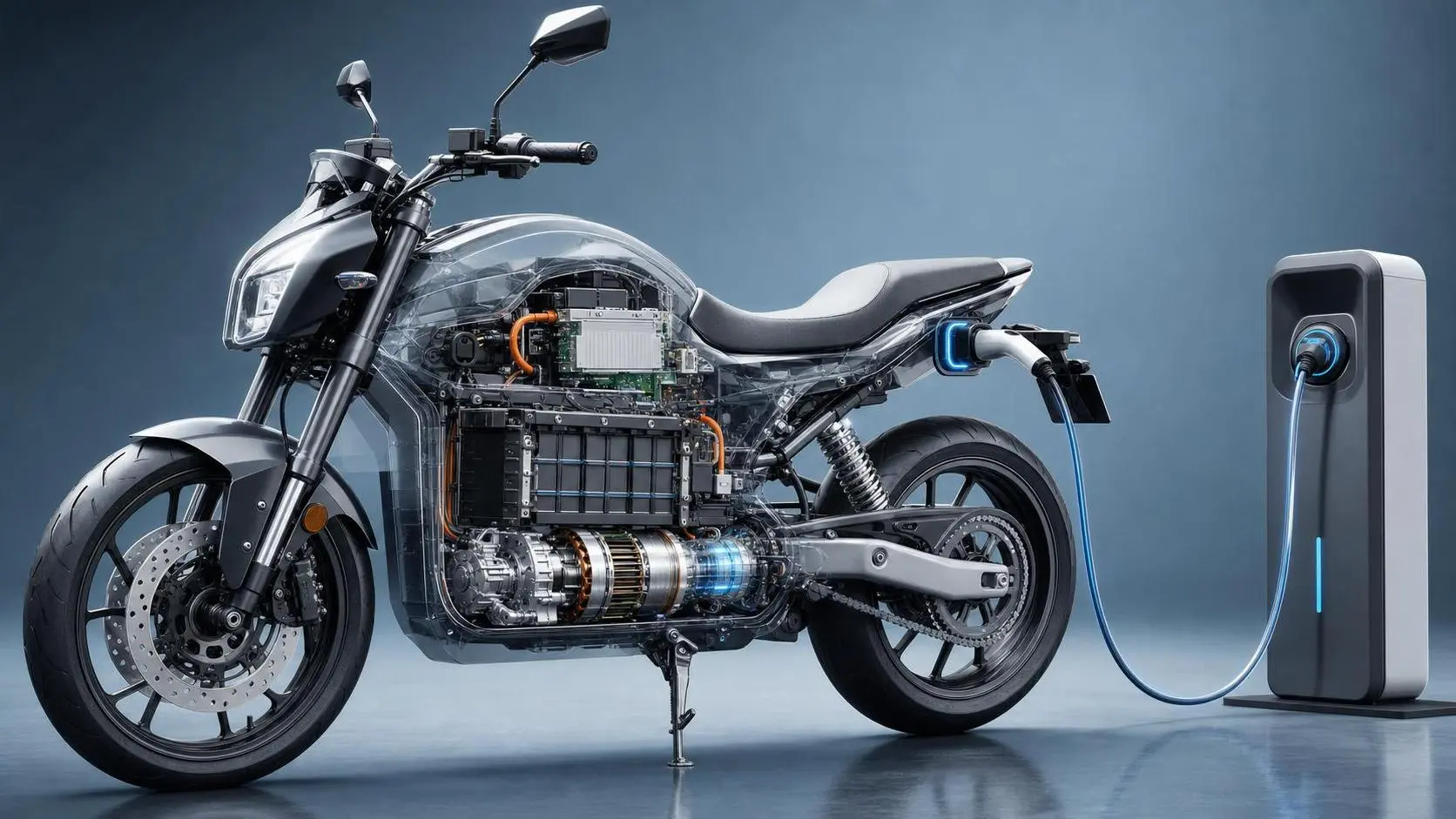
72V Electric Motorcycle Technology Explained: Motors, Controllers, Range, and Charging
Electric motorcycle technology 72V explained clearly: compare motors, controllers, range, battery design, and charging to choose a smoother, stronger, and smarter electric ride.
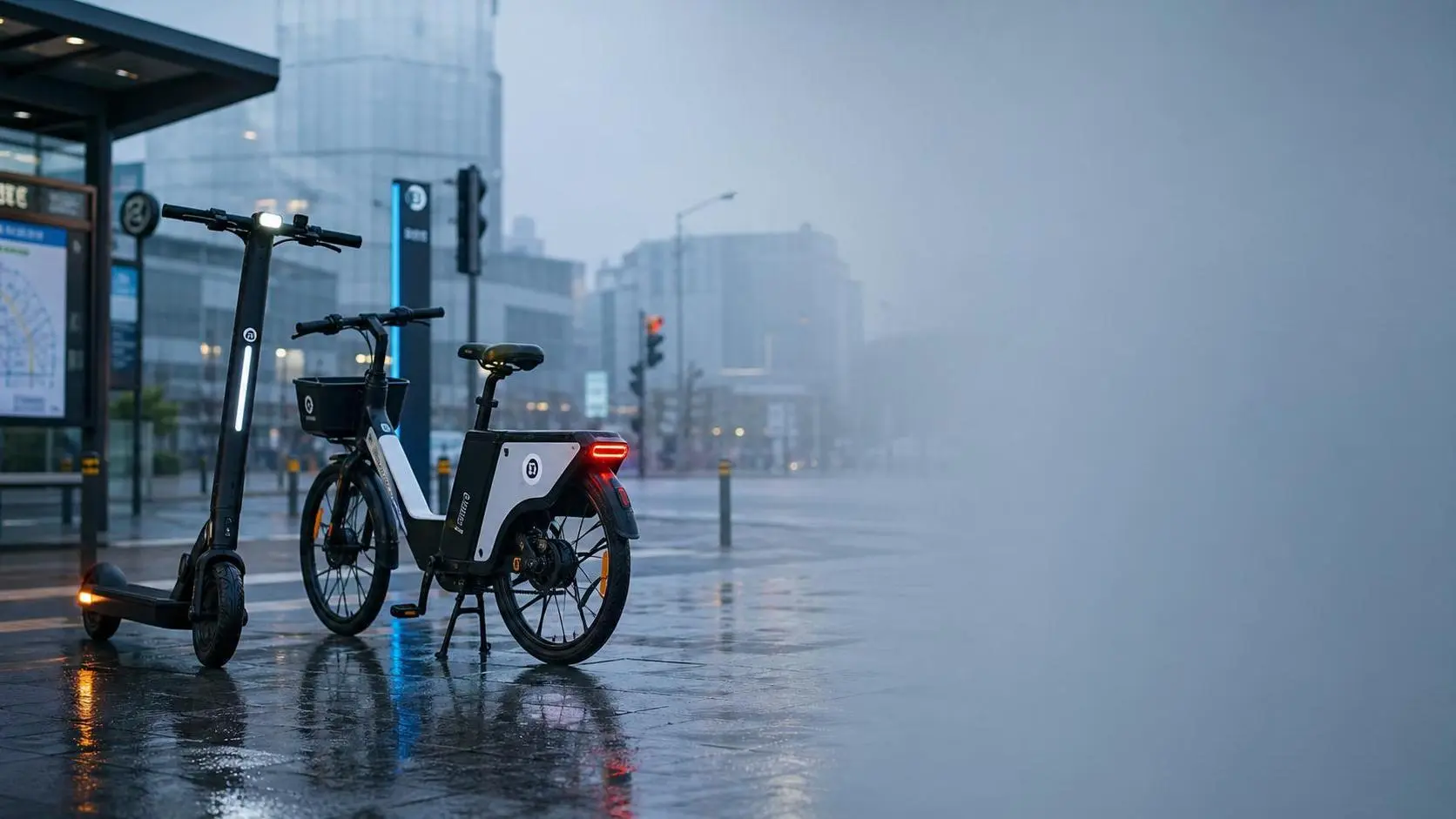
Where LED Urban Visibility Safety Systems Fit Best in Shared Scooters and City E-bikes
LED urban visibility safety systems deliver the most value in shared scooters and city e-bikes by improving multi-angle safety, fleet durability, and urban compliance across real-world routes.
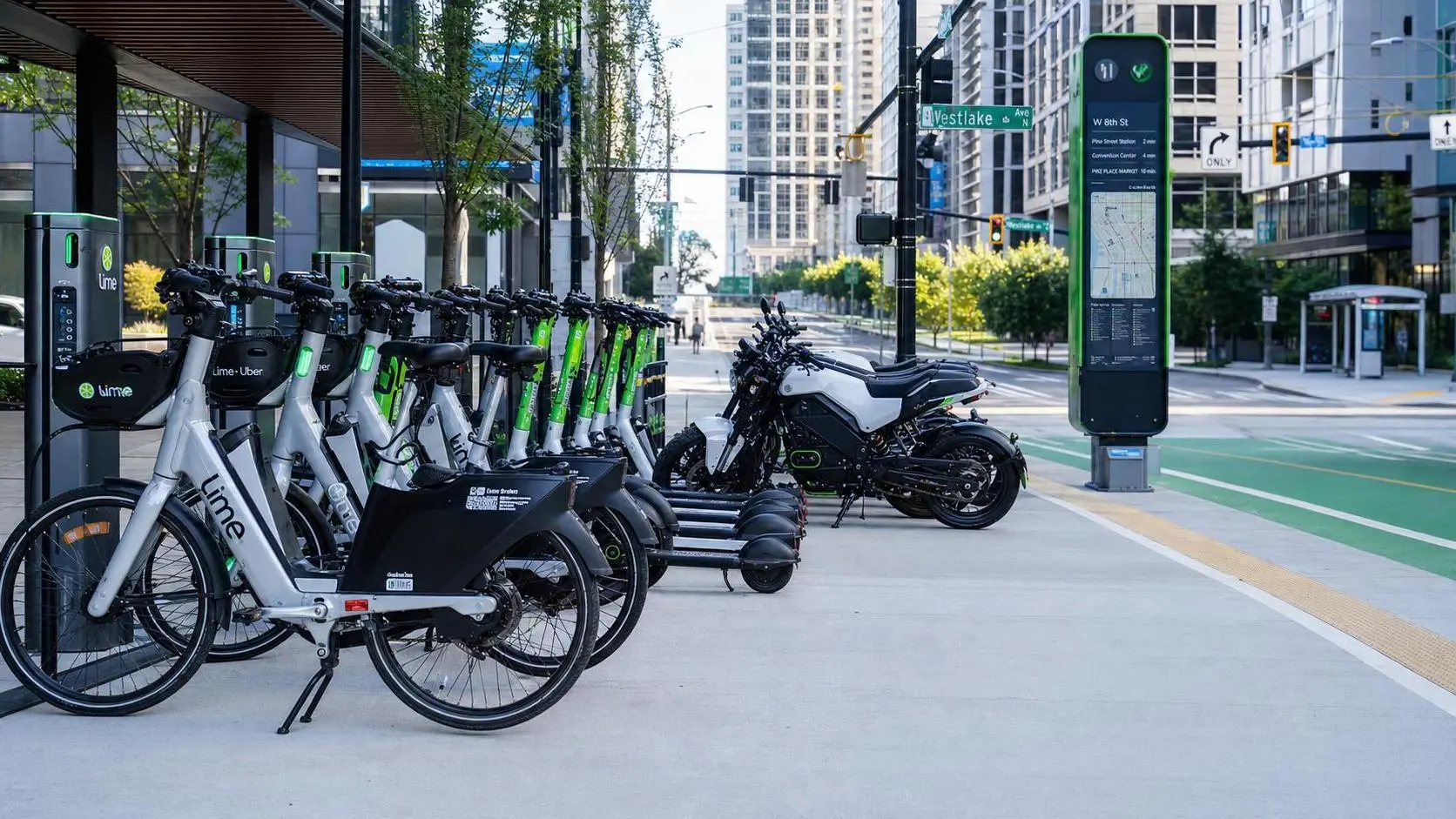
Intellectualization of Mobility in North America: What Is Driving Adoption Across Urban Transport?
Intellectualization of mobility North America is reshaping urban transport through data, smart fleets, and battery intelligence. Explore what is driving adoption and why cities and operators are accelerating now.
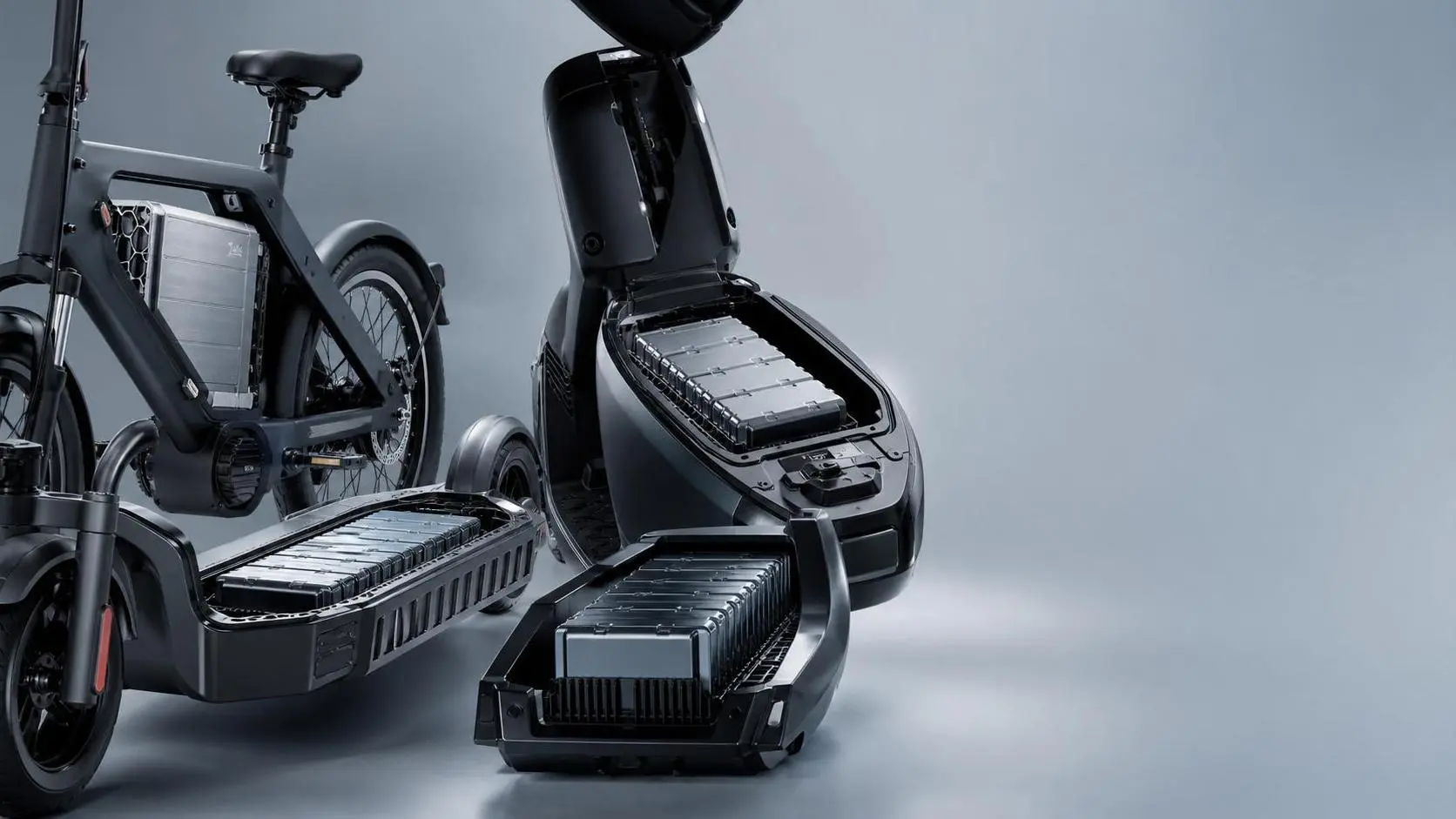
How to Choose a Compact Battery Pack: Size, Energy Density, Thermal Design, and Cycle Life
Compact battery pack selection starts with more than size. Learn how energy density, thermal design, and cycle life shape range, safety, and long-term value.
What Is Driving Green Two-wheelers Demand in Europe? Policy, Fuel Costs, and Buyer Segments
Green two-wheelers demand Europe is rising as policy support, fuel cost pressure, and diverse buyer segments reshape urban mobility. Explore the trends driving the next growth wave.