
Related News
- 00
0000-00
How to Choose Urban Commuting E-bikes for Rental Fleets by Range, Durability, and Serviceability - 00
0000-00
E-Bike Component Selection: How to Evaluate a Torque Sensor for Commuting and Cargo Use - 00
0000-00
What Drives Low Carbon E-bike Price: Materials, Battery Specs, and Compliance Costs - 00
0000-00
Utility Maximization in E-bikes: Which Motor, Battery, and Range Trade-offs Matter Most? - 00
0000-00
Brushless Motor for Scooters: How to Compare Power, Torque, and Efficiency
Micro-Mobility Strategist
Weekly Insights
Stay ahead with our curated technology reports delivered every Monday.
Why aerodynamics now matters more in e-bike range





For technical evaluators, aerodynamics has become a decisive variable in e-bike range because every watt now matters more than ever. As batteries, motors, and control systems improve, reducing drag delivers measurable gains in efficiency, thermal stability, and real-world riding consistency. Understanding how aerodynamics influences energy consumption is now essential for comparing platforms, validating design choices, and identifying the true drivers of next-generation e-bike performance.
Why does aerodynamics now influence e-bike range so much?
In earlier e-bike generations, technical reviews often focused on battery capacity, motor torque, controller tuning, and frame durability. Those remain important, but aerodynamics now deserves equal attention because the marginal gains from battery and motor upgrades are getting harder to achieve without cost, weight, or thermal penalties.
At urban and suburban riding speeds, aerodynamic drag rises rapidly with velocity. Once an e-bike moves beyond low-speed stop-and-go operation, drag becomes one of the largest resistive loads the system must overcome. That means range is not decided by battery watt-hours alone, but by how effectively the full vehicle-rider system cuts through air.
For technical evaluators, this changes the assessment logic. A platform with a slightly smaller battery may deliver similar or better real-world range than a heavier competitor if its aerodynamics are better managed. This is especially relevant in Europe and other export markets where commuter speed profiles, long-cycle efficiency, and regulatory power limits shape design trade-offs.
- Higher average riding speeds increase the energy share consumed by drag.
- Regulated motor output means efficiency gains must often come from reducing losses, not adding power.
- Lighter batteries and compact frames can only go so far before rider comfort, cost, and safety are affected.
- Fleet buyers and OEMs now need stable, repeatable range performance across varying user postures and accessory configurations.
The key shift: range evaluation is now a systems problem
Aerodynamics is no longer a niche concern reserved for racing bicycles. In the UMMS view of urban micro-mobility, it belongs inside a wider systems equation that connects drivetrain efficiency, battery management, thermal control, and rider usage patterns. A design team that optimizes only electrical efficiency but ignores airflow may leave significant range gains unrealized.
Which aerodynamic factors matter most in technical evaluation?
When assessing aerodynamics in e-bike range, evaluators should avoid reducing the topic to frame tube shapes alone. The effective drag signature comes from the complete moving package: rider posture, front-end geometry, cable routing, battery placement, fork and wheel interaction, accessories, and even mounted cargo or fenders.
The table below helps structure aerodynamic review criteria for practical e-bike comparison. It focuses on variables that affect energy consumption, repeatability, and platform selection.
This framework shows why aerodynamic evaluation must be scenario-based. A sleek frame can test well in isolation yet underperform once a commuter cockpit, front basket, and upright posture are added. For procurement teams, the practical question is not whether a frame looks aerodynamic, but whether the operational configuration preserves range efficiency.
Why rider-system interaction matters more than isolated component claims
Many product pages still highlight only motor wattage or battery size. Technical evaluators should push further. Ask how the claimed range was measured, what rider position was used, whether accessories were mounted, and whether the test reflected headwind, crosswind, or urban interruptions. Aerodynamics is valuable only when its effect survives real usage.
How should buyers compare aerodynamic range performance across e-bike platforms?
Comparing e-bike range claims is difficult because test methods vary. Some manufacturers publish idealized figures under low-assist, low-drag conditions. Technical evaluators need a procurement-oriented comparison method that normalizes battery size, speed profile, rider mass, and accessory load before drawing conclusions.
The following comparison table is useful when screening platforms for commuter, cargo-light, and performance-urban applications where aerodynamics has a direct commercial effect.
This comparison reinforces a core purchasing lesson: aerodynamics does not reward every platform equally. On a compact city bike used for very short trips, drag improvements may be less decisive than battery durability or theft-resistant design. On a high-speed urban commuter or fitness e-bike, aerodynamic performance can materially change user satisfaction, recharge frequency, and warranty-related thermal stress.
A practical screening checklist for technical evaluators
- Normalize energy consumption as watt-hours per kilometer under defined speed bands.
- Record rider posture and accessory setup during range tests.
- Separate aerodynamic effects from rolling resistance and assist-mode calibration.
- Review battery heating during sustained higher-speed use, not only total distance achieved.
- Check whether design changes that improve airflow complicate maintenance or increase part cost.
What are the hidden technical benefits beyond longer range?
The conversation around aerodynamics often stops at distance per charge, but technical evaluators should look wider. Lower drag also supports better thermal stability because the motor and battery do not need to sustain as much output to hold target speed. That can influence component life, derating behavior, and consistency across repeated duty cycles.
In the broader UMMS intelligence perspective, this matters because electromechanical efficiency is never isolated. Aerodynamic reduction can improve the full powertrain logic chain by lowering peak electrical demand, smoothing assist delivery, and reducing the frequency of heat accumulation during longer rides or shared-fleet usage.
- Lower continuous power demand can reduce battery discharge stress during sustained cruising.
- Reduced motor loading may help preserve consistent assist feel across temperature swings.
- More efficient airflow management can support design integration of lights, displays, and cable routing.
- Better efficiency margins can create headroom for connected features without severely impacting usable range.
Why this matters in micro-mobility system planning
For OEMs, component suppliers, and platform evaluators, aerodynamics now intersects with battery sizing, charging policy, route planning, and even market positioning. If one design can reach the same real-world range with a smaller pack, it may gain advantages in cost, mass, recyclability, and urban handling. Those are strategic outcomes, not cosmetic improvements.
What mistakes do technical teams make when evaluating aerodynamics?
A common mistake is assuming aerodynamic gains are too small to justify attention. At low speed that may sometimes appear true, but modern e-bike use includes sustained commuter segments, speed-limited but efficient assist, and higher average trip quality expectations. Small efficiency gains can accumulate significantly over fleets, seasons, and battery lifecycles.
Another mistake is evaluating aerodynamics through visual design cues only. Deep tube profiles or integrated batteries do not automatically guarantee lower drag in practice. Real outcomes depend on the interaction between rider geometry, accessories, airflow separation points, and manufacturing tolerances.
Frequent misconceptions to avoid
- “A bigger battery solves the problem.” In reality, more battery adds weight and cost, and may hide inefficient system design.
- “Aerodynamics only matters for sport bikes.” It also matters for urban commuters when speeds are stable and daily mileage is meaningful.
- “One test route is enough.” Crosswinds, rider posture changes, and accessory loads can alter results substantially.
- “Frame shape is the whole story.” Rider position and front-area management often dominate the drag equation.
How should procurement and engineering teams build a better evaluation process?
A robust process starts with defining the target use case before any platform comparison begins. The aerodynamic requirements of a subscription fleet, a premium commuter export model, and a trekking e-bike are not identical. Technical evaluators should align test design with route type, speed band, payload assumptions, climate exposure, and expected accessory package.
The following table outlines a practical selection process for teams that need to convert aerodynamic theory into procurement decisions.
This process helps teams avoid a narrow battery-centric decision path. It also supports cross-functional reviews between engineering, sourcing, compliance, and commercial planning. That is especially important in micro-mobility, where cost pressure, certification timing, and export-market expectations often collide late in development.
Standards and compliance context
Aerodynamics is not usually a standalone certification item, but it affects how a design performs within broader safety and regulatory frameworks. Technical teams should review how integrated batteries, lighting systems, cable routing, and accessories interact with applicable regional requirements and with practical serviceability. An aerodynamic gain that complicates maintenance or visibility may not be commercially wise.
FAQ: what do technical evaluators ask most about aerodynamics and range?
How much can aerodynamics change e-bike range in real use?
The exact effect depends on speed, rider posture, wind conditions, and platform type. At lower urban speeds, the gain may appear modest. At sustained commuter speeds or on road-oriented e-bikes, aerodynamic improvements can become much more visible in watt-hour consumption and range consistency. The key is not chasing a single percentage claim, but measuring under your target operating conditions.
Is aerodynamics more important than battery size?
They should not be treated as opposites. Battery size sets the available energy, while aerodynamics influences how quickly that energy is consumed. For many technical evaluations, a well-optimized aerodynamic package can reduce the need for a larger battery, improving cost, weight, and thermal behavior at the same time.
Which e-bike category benefits most from better aerodynamics?
Road-style, fitness, trekking, and fast urban commuter platforms usually show the clearest benefit because they spend more time at steady speeds where drag dominates. Utility and cargo-light platforms also benefit, but the evaluation must account for payload and accessory variability.
What data should suppliers provide for a credible aerodynamic assessment?
Ask for test speed, rider posture, assist mode, route profile, total system mass, accessory configuration, ambient conditions, and energy consumption metrics such as watt-hours per kilometer. Without these details, a range figure alone offers limited procurement value.
Why choose us for micro-mobility intelligence and technical evaluation support?
UMMS supports technical evaluators by connecting aerodynamic analysis with the full micro-mobility system, not just isolated marketing claims. Our coverage spans e-bikes, smart e-scooters, high-speed e-motorcycles, and precision bicycle components, allowing teams to interpret range performance within a wider framework of drivetrain efficiency, battery logic, thermal behavior, and urban deployment realities.
If your team is comparing e-bike platforms or preparing sourcing decisions, you can consult us for practical support on:
- Parameter confirmation for range testing, speed bands, battery sizing, and aerodynamic assumptions.
- Product selection logic across commuter, trekking, compact, and utility e-bike categories.
- Delivery-cycle planning where prototype validation, accessory integration, and export requirements affect launch timing.
- Custom evaluation frameworks for OEMs, fleet planners, and core component suppliers.
- Certification and compliance discussion related to integrated design choices and market-entry readiness.
- Sample-review priorities and quotation communication criteria for technically grounded supplier comparison.
When aerodynamics starts to decide real e-bike range, technical evaluation must become more rigorous, more comparative, and more system-oriented. That is where informed intelligence creates value. Reach out to discuss your target platform, test assumptions, and sourcing questions before range claims turn into costly selection mistakes.
Related News
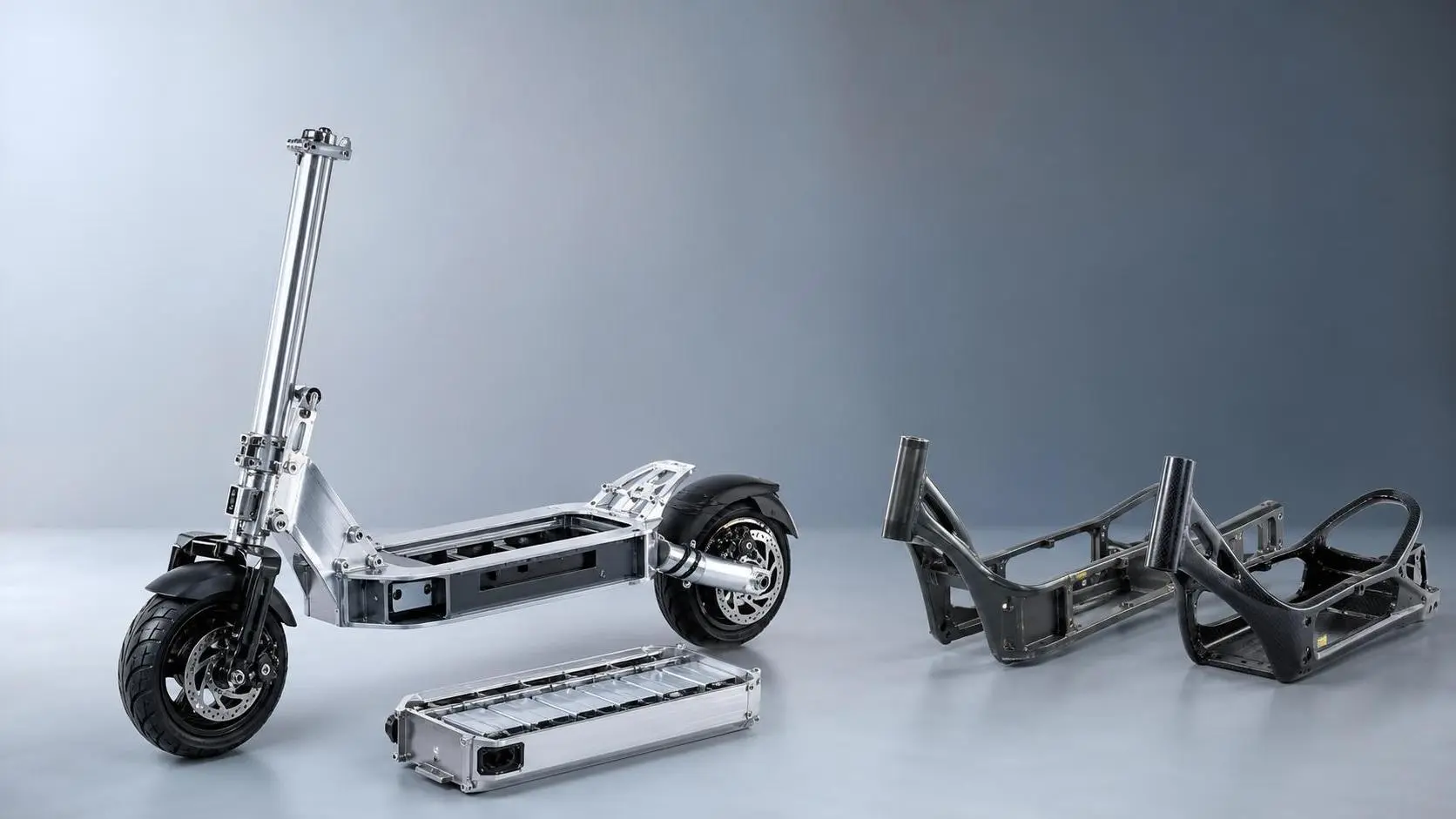
How to Choose Lightweight Scooter Frames in Europe: Materials, Standards, and Use Cases
Lightweight scooter frames Europe buyers need should balance materials, EN standards, durability, and real use cases. Discover how to choose safer, smarter, compliant frames.

What Is the Intellectualization of Mobility Platform and How Is It Applied in Shared Fleets?
Intellectualization of mobility platform is reshaping shared fleets with real-time data, predictive maintenance, and smarter compliance—learn how it boosts safety, uptime, and urban mobility efficiency.
Urban Micro-Mobility Systems in Latin America: Key Market Drivers, Barriers, and Growth Segments
Urban micro-mobility systems Latin America are reshaping city transport. Explore key drivers, barriers, and high-growth segments to spot the region’s most investable opportunities.
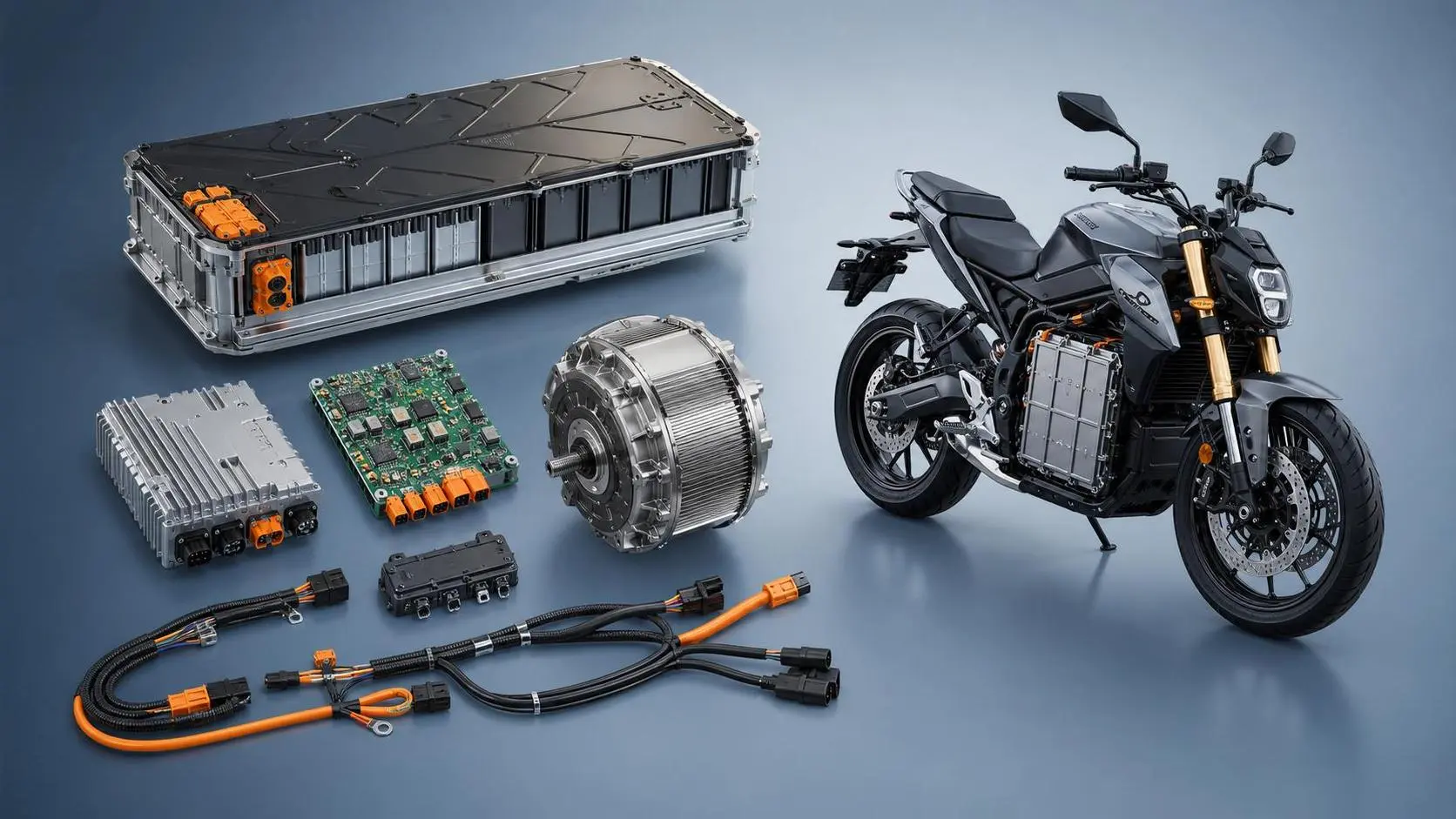
Electric Motorcycle Systems Price Breakdown: What Affects Cost From Battery to Controller?
Electric motorcycle systems price explained: see how battery, controller, motor, BMS, and wiring affect total cost, reliability, and sourcing value before you buy.
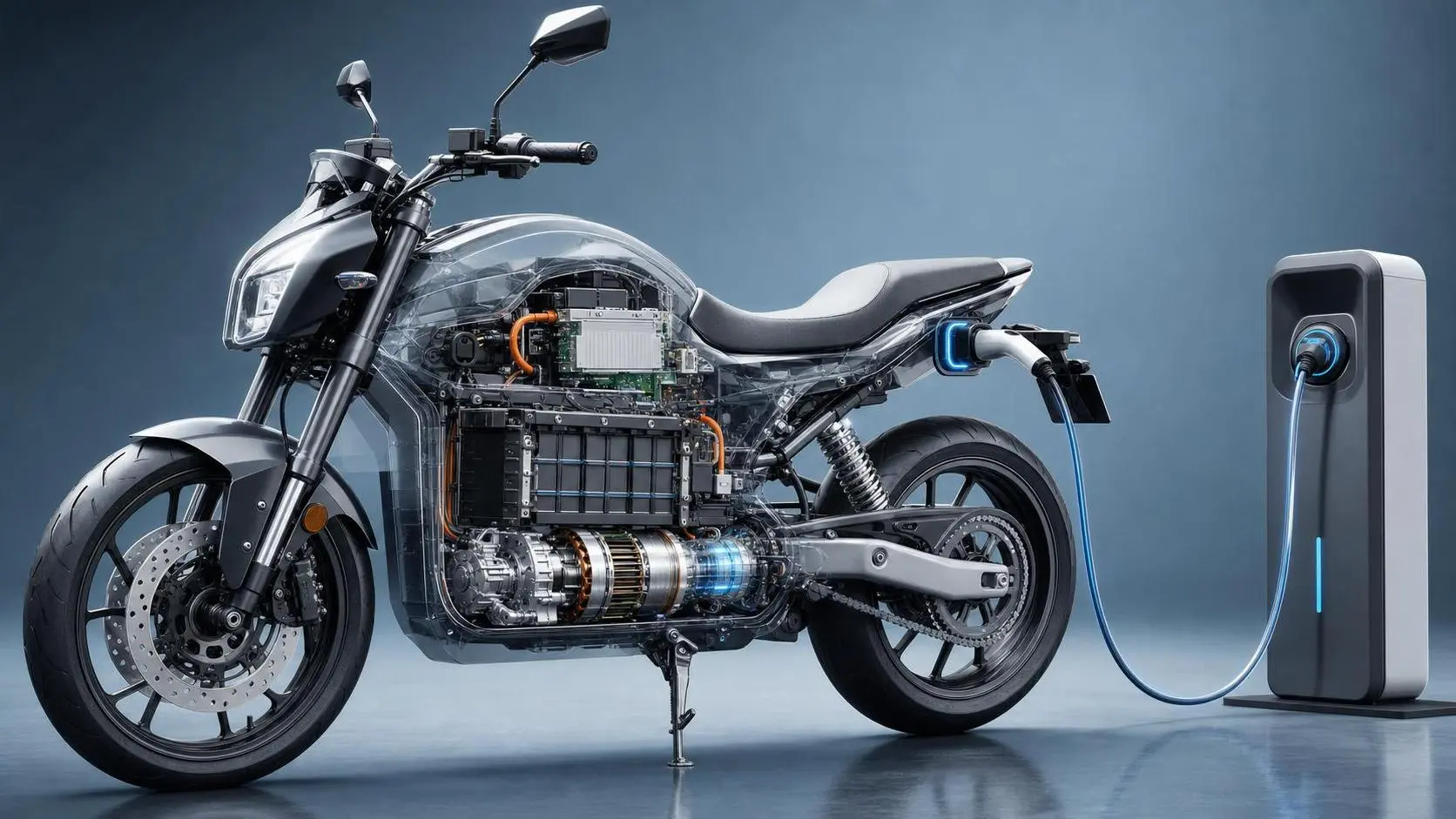
72V Electric Motorcycle Technology Explained: Motors, Controllers, Range, and Charging
Electric motorcycle technology 72V explained clearly: compare motors, controllers, range, battery design, and charging to choose a smoother, stronger, and smarter electric ride.
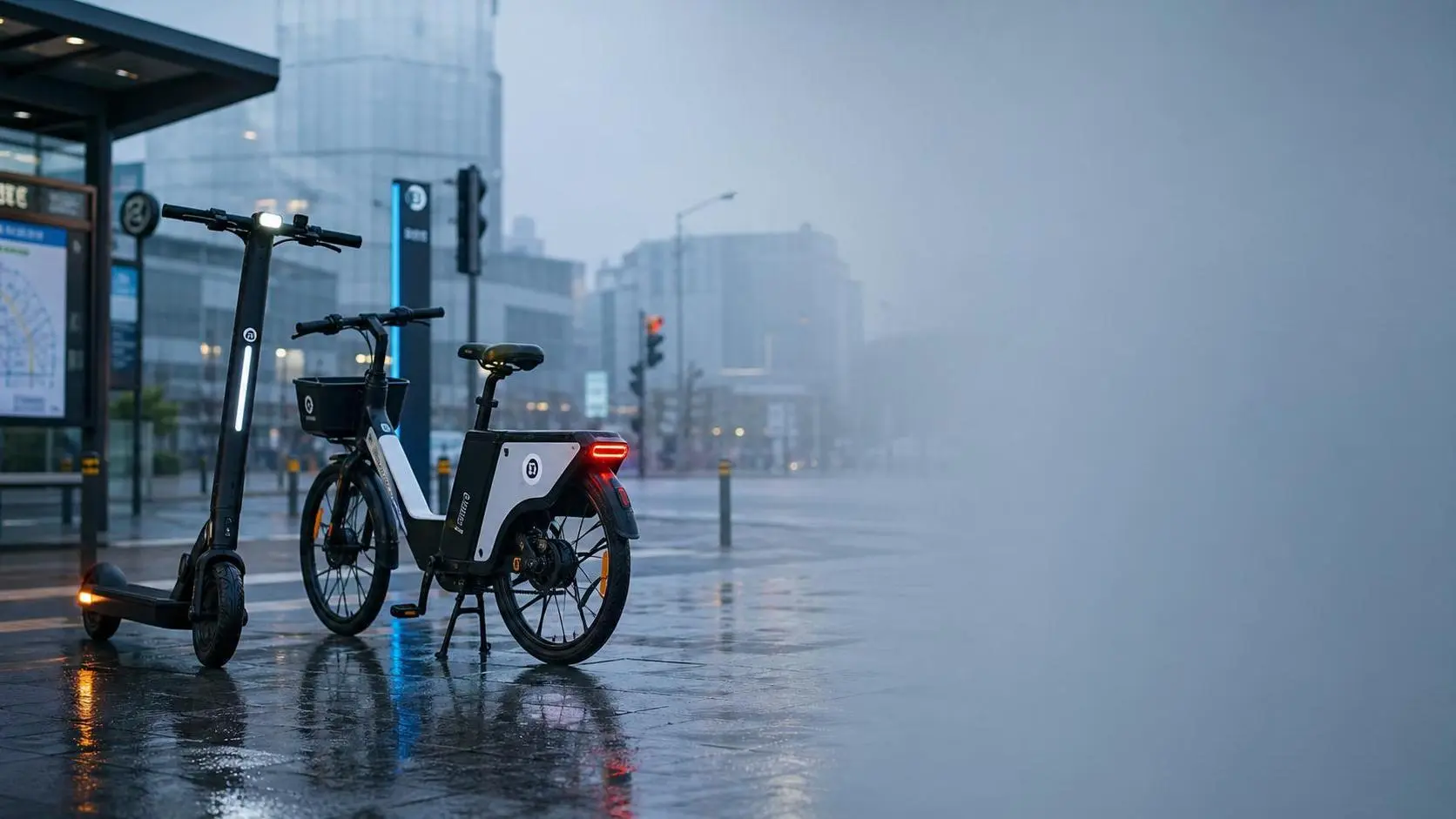
Where LED Urban Visibility Safety Systems Fit Best in Shared Scooters and City E-bikes
LED urban visibility safety systems deliver the most value in shared scooters and city e-bikes by improving multi-angle safety, fleet durability, and urban compliance across real-world routes.
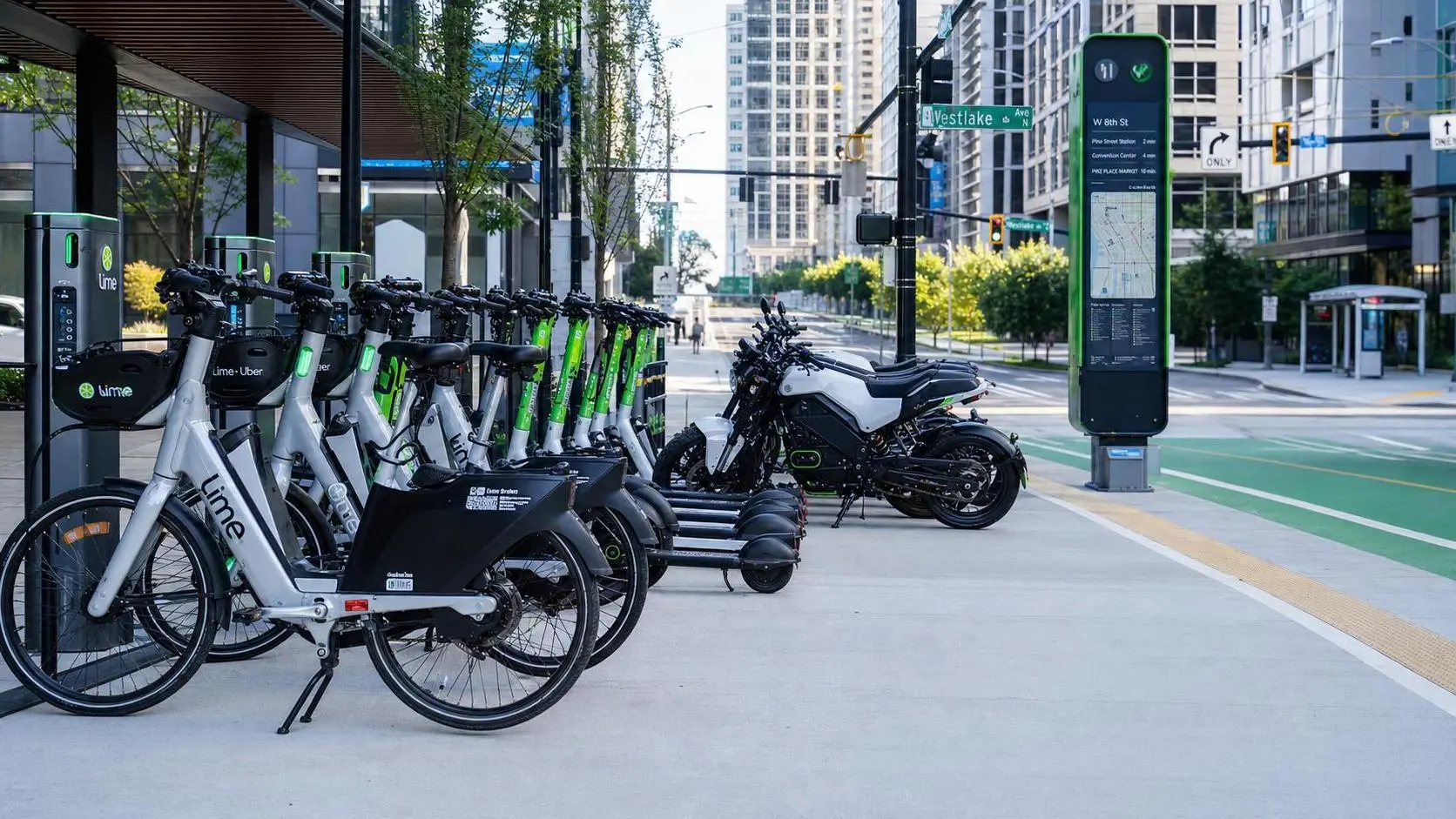
Intellectualization of Mobility in North America: What Is Driving Adoption Across Urban Transport?
Intellectualization of mobility North America is reshaping urban transport through data, smart fleets, and battery intelligence. Explore what is driving adoption and why cities and operators are accelerating now.
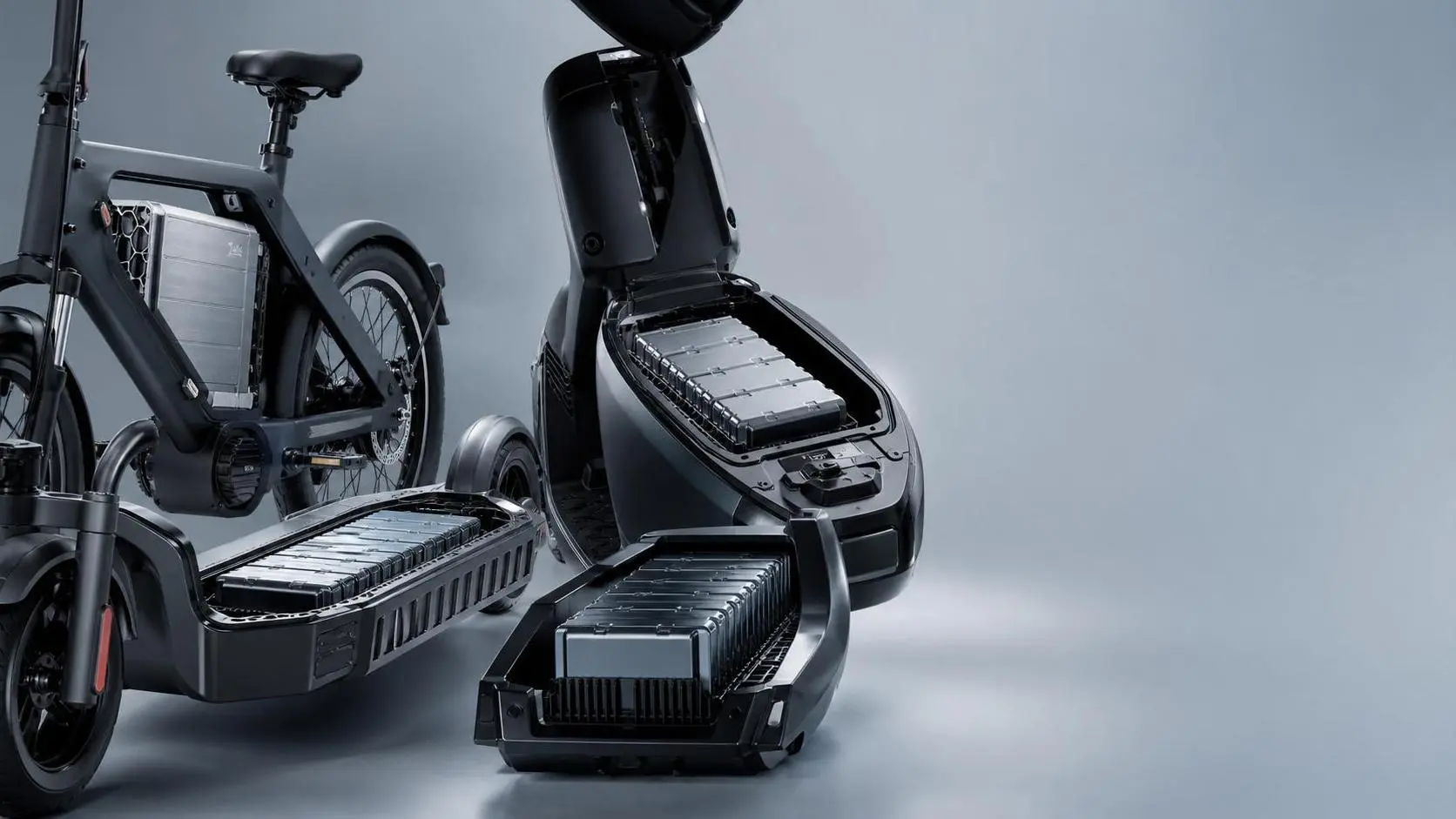
How to Choose a Compact Battery Pack: Size, Energy Density, Thermal Design, and Cycle Life
Compact battery pack selection starts with more than size. Learn how energy density, thermal design, and cycle life shape range, safety, and long-term value.
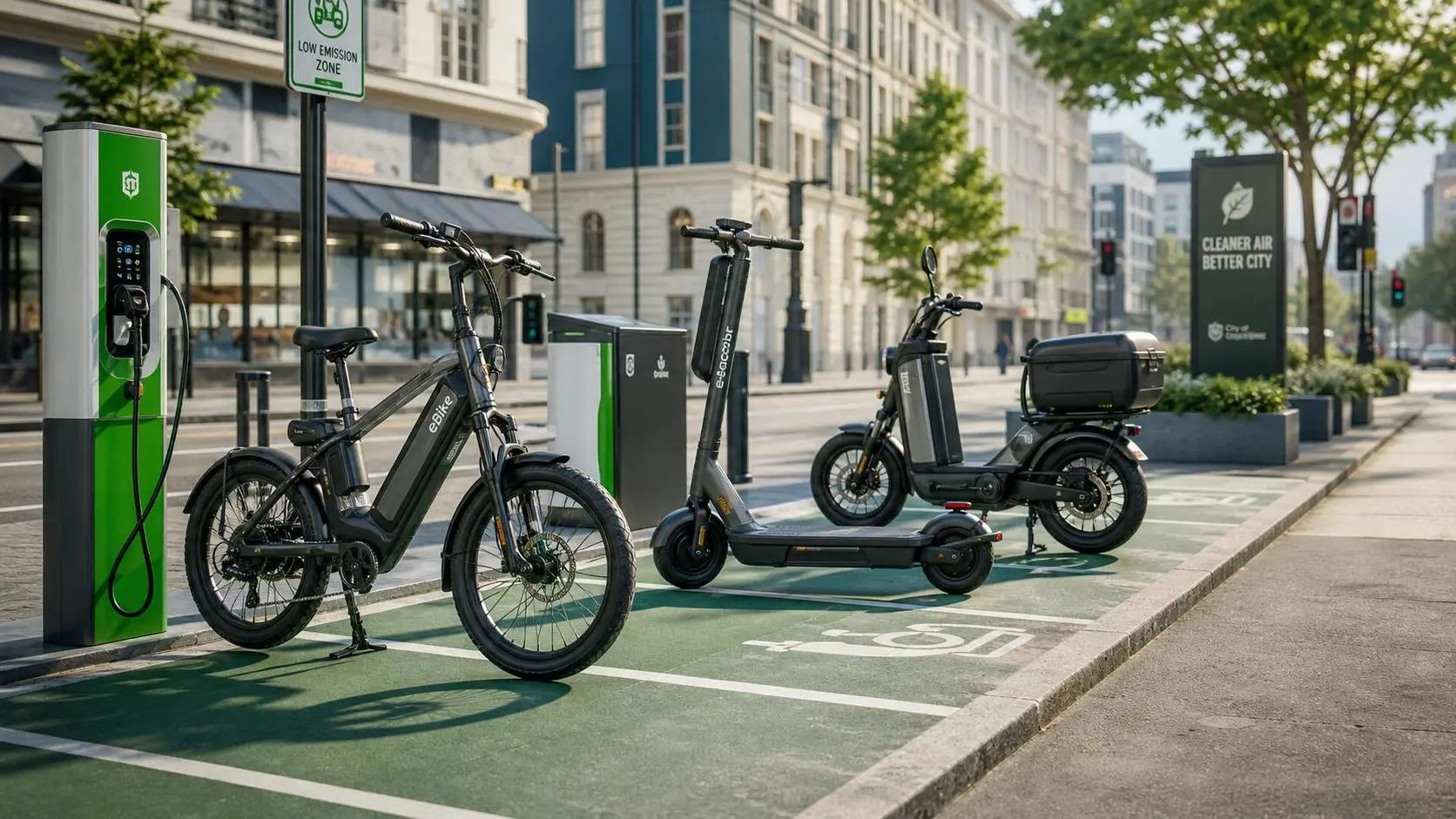
What Is Driving Green Two-wheelers Demand in Europe? Policy, Fuel Costs, and Buyer Segments
Green two-wheelers demand Europe is rising as policy support, fuel cost pressure, and diverse buyer segments reshape urban mobility. Explore the trends driving the next growth wave.