
Related News
- 00
0000-00
72V Electric Motorcycle Technology Explained: Motors, Controllers, Range, and Charging - 00
0000-00
High-speed Electric Motorcycles with Swappable Battery: What to Check Before Commercial Deployment - 00
0000-00
Urban Electric Motorcycle Buying Guide: Range, Top Speed, Licensing, and Daily Use - 00
0000-00
Electric Motorcycle Battery Trends: Cell Chemistry, Fast Charging, and Pack Design Shifts - 00
0000-00
What Causes Torque Lag in Electric Two-Wheelers and How Can Engineers Reduce It?
Electric Powertrain Analyst
Weekly Insights
Stay ahead with our curated technology reports delivered every Monday.
International Voice Building for E-moto Market Entry





For distributors, dealers, and agents entering the fast-evolving e-moto sector, international voice building is no longer optional—it is a market entry advantage.
As electrification accelerates, visibility shapes trust, and trust shapes demand, channel access, and long-term growth.
In this setting, UMMS connects technical intelligence, policy tracking, and market signals to support stronger global positioning.
For e-moto market entry, international voice building means becoming credible before becoming large.
Understanding International Voice Building in E-Moto Expansion
International voice building is the structured creation of recognition, authority, and trust across target markets.
It combines industry insight, technical communication, regulatory awareness, and consistent brand language.
In the e-moto field, voice is not only a branding issue.
It affects distributor confidence, media attention, partnership quality, and acceptance in policy-sensitive mobility ecosystems.
A strong international voice building strategy translates complex engineering into market-relevant narratives.
That includes battery safety, thermal management, charging logic, range realism, and urban usability.
For UMMS, this process is closely tied to the wider micro-mobility transition.
E-bikes, smart e-scooters, high-speed e-motorcycles, and precision components now share policy, technology, and user behavior intersections.
That is why international voice building must be informed by both product performance and system-level market intelligence.
Core Elements of a Visible Global Voice
- Clear technical credibility supported by facts, testing references, and use-case explanation.
- Consistent messaging across websites, news mentions, catalogs, and partner conversations.
- Market awareness linked to local regulations, incentives, and rider expectations.
- Thought leadership built through insights, not generic promotion.
Industry Context Shaping E-Moto Market Entry
The current e-moto landscape is shaped by policy volatility, technology iteration, and changing urban transport demand.
This creates both opportunity and noise.
Without international voice building, even capable market entrants can remain invisible or misunderstood.
UMMS observes that market credibility increasingly depends on how well a company explains its role in low-carbon mobility.
In many regions, e-moto adoption is not driven by speed alone.
It is connected to congestion relief, emissions targets, fleet economics, and charging practicality.
These signals show why international voice building is now part of market access strategy, not a later-stage branding exercise.
Business Value of International Voice Building
Well-executed international voice building improves how a new e-moto offer is discovered, evaluated, and remembered.
It can shorten trust-building cycles in unfamiliar markets.
It can also reduce confusion when technical specifications vary across regions and usage environments.
The value is practical and measurable.
Where the Advantage Appears
- Stronger first impressions in search, media references, and partner screening.
- Higher confidence in technical claims related to range, charging, and component integrity.
- Better alignment with local narratives around sustainability and mobility efficiency.
- Greater resilience when competitors compete mainly on price.
UMMS supports this process by turning fragmented market information into usable communication assets.
Its intelligence model links technology detail with commercial context.
That matters in an industry where battery density, drivetrain efficiency, and network readiness shape buying confidence.
International voice building becomes stronger when it is rooted in verified industry evolution, not isolated claims.
Typical Use Scenarios Across the E-Moto Value Chain
Different market entry situations require different forms of international voice building.
The message, proof points, and content emphasis should match the commercial reality.
This scenario-based approach helps international voice building stay relevant, specific, and commercially useful.
Practical Methods for Building an International Voice
A credible voice is built through repeated, consistent signals across multiple touchpoints.
It should balance technical depth with readability.
For e-moto market entry, the following practices are especially effective.
- Create a market narrative tied to urban mobility outcomes, not only machine specifications.
- Publish insight-led content on battery safety, powertrain efficiency, and real-use performance.
- Align messaging with local rules, incentive structures, and infrastructure maturity.
- Use industry platforms like UMMS to support authority through credible context.
- Maintain language consistency across product pages, articles, interviews, and partner documents.
Common Risks to Avoid
- Overstating range or charging speed without explaining test conditions.
- Using generic sustainability language with no technical support.
- Ignoring cross-category comparisons with e-bikes, scooters, or ICE motorcycles.
- Treating international voice building as a one-time campaign.
The strongest global voice is cumulative.
Each article, data point, and market comment should reinforce a clear position.
A Measured Next Step for Market Visibility
International voice building works best when it starts before full-scale expansion.
Early visibility creates familiarity, and familiarity improves conversion in later commercial discussions.
For e-moto market entry, the next step is to define three things clearly.
- What technical strengths deserve international attention.
- Which regional mobility themes best fit the market offer.
- How to communicate both through authoritative, search-friendly industry content.
UMMS provides a strategic environment for this work.
Its focus on e-bikes, smart e-scooters, high-speed e-motorcycles, and precision components supports a broader competitive perspective.
Within that ecosystem, international voice building becomes more than messaging.
It becomes a disciplined method for turning intelligence into recognition and recognition into market entry momentum.
For any organization seeking durable relevance in electric two-wheeler mobility, that foundation is worth building now.
Related News
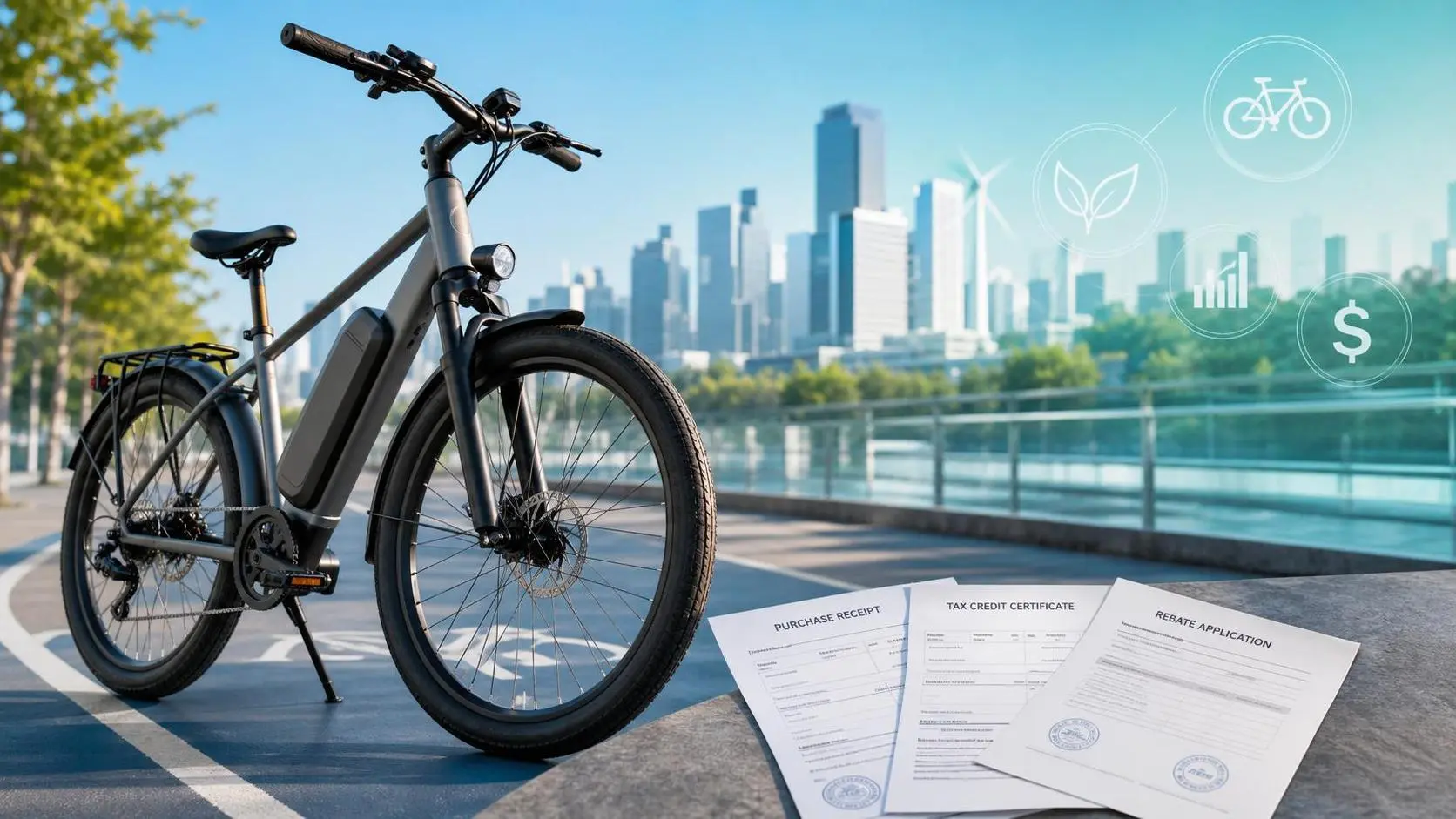
E-Bike Incentives Explained: How Riders Can Find Local Rebates and Tax Credits
E bike incentives explained: learn how to find local rebates, tax credits, and utility offers, avoid common mistakes, and cut the real cost of your next e-bike.
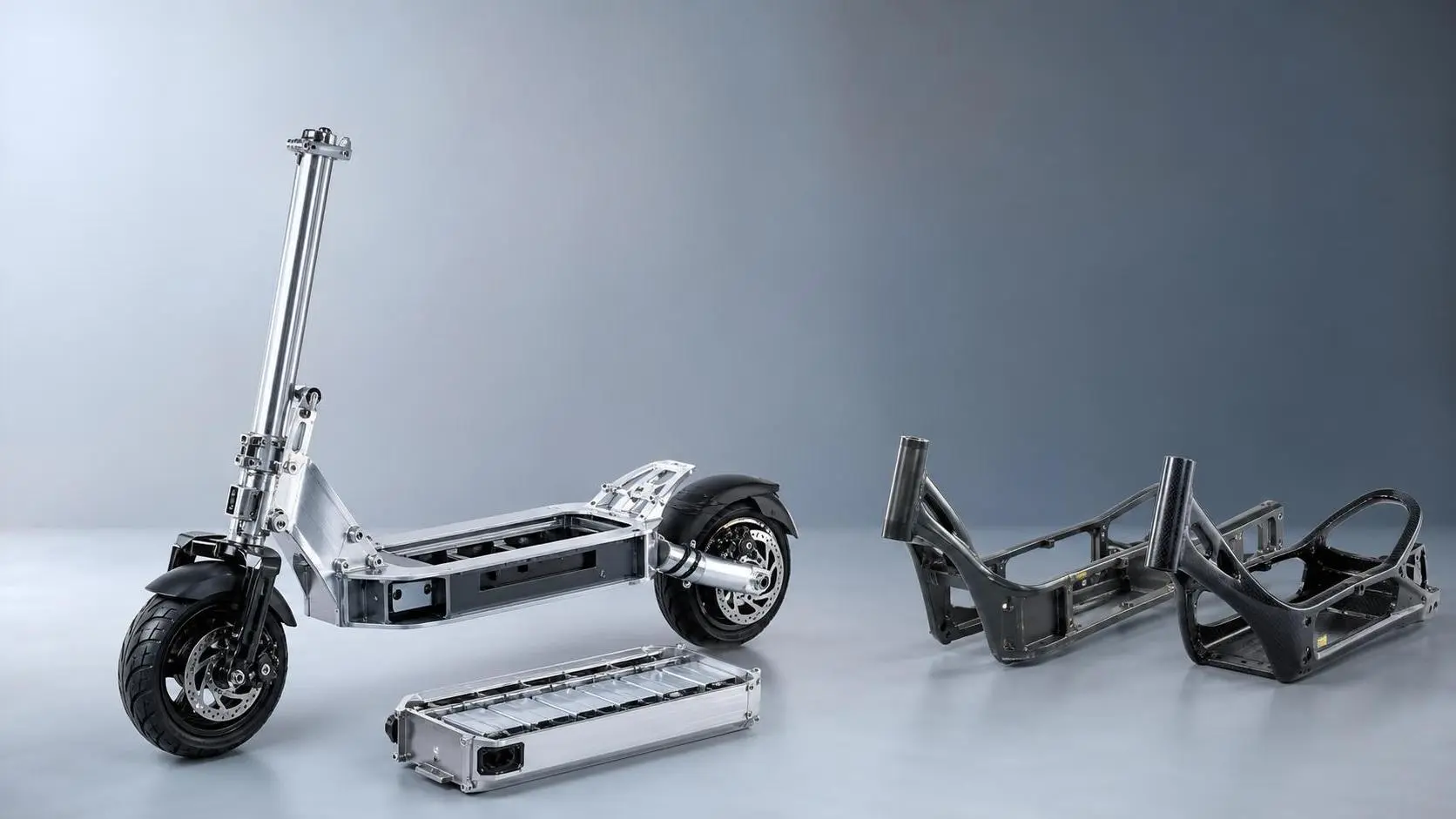
How to Choose Lightweight Scooter Frames in Europe: Materials, Standards, and Use Cases
Lightweight scooter frames Europe buyers need should balance materials, EN standards, durability, and real use cases. Discover how to choose safer, smarter, compliant frames.
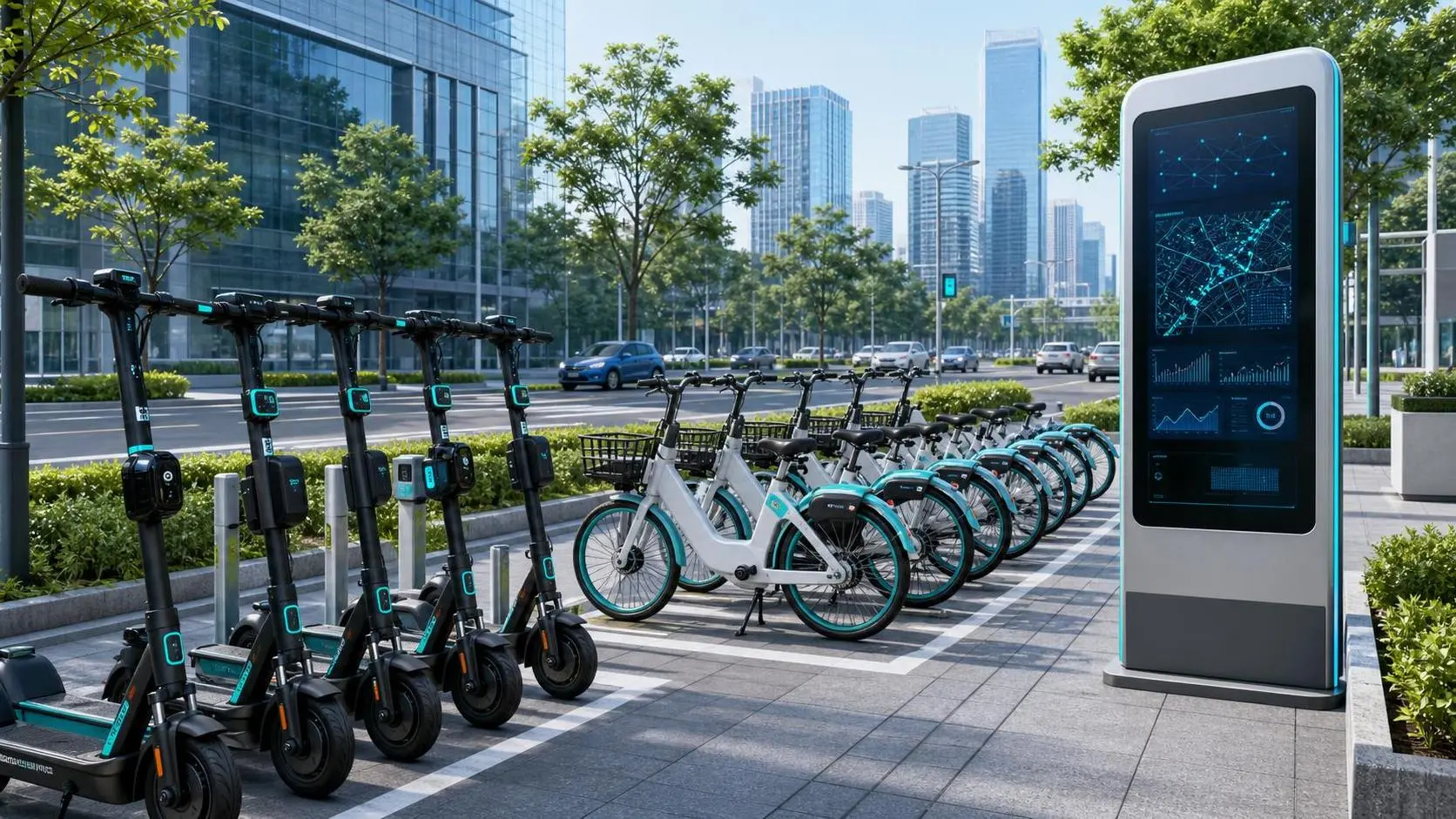
What Is the Intellectualization of Mobility Platform and How Is It Applied in Shared Fleets?
Intellectualization of mobility platform is reshaping shared fleets with real-time data, predictive maintenance, and smarter compliance—learn how it boosts safety, uptime, and urban mobility efficiency.
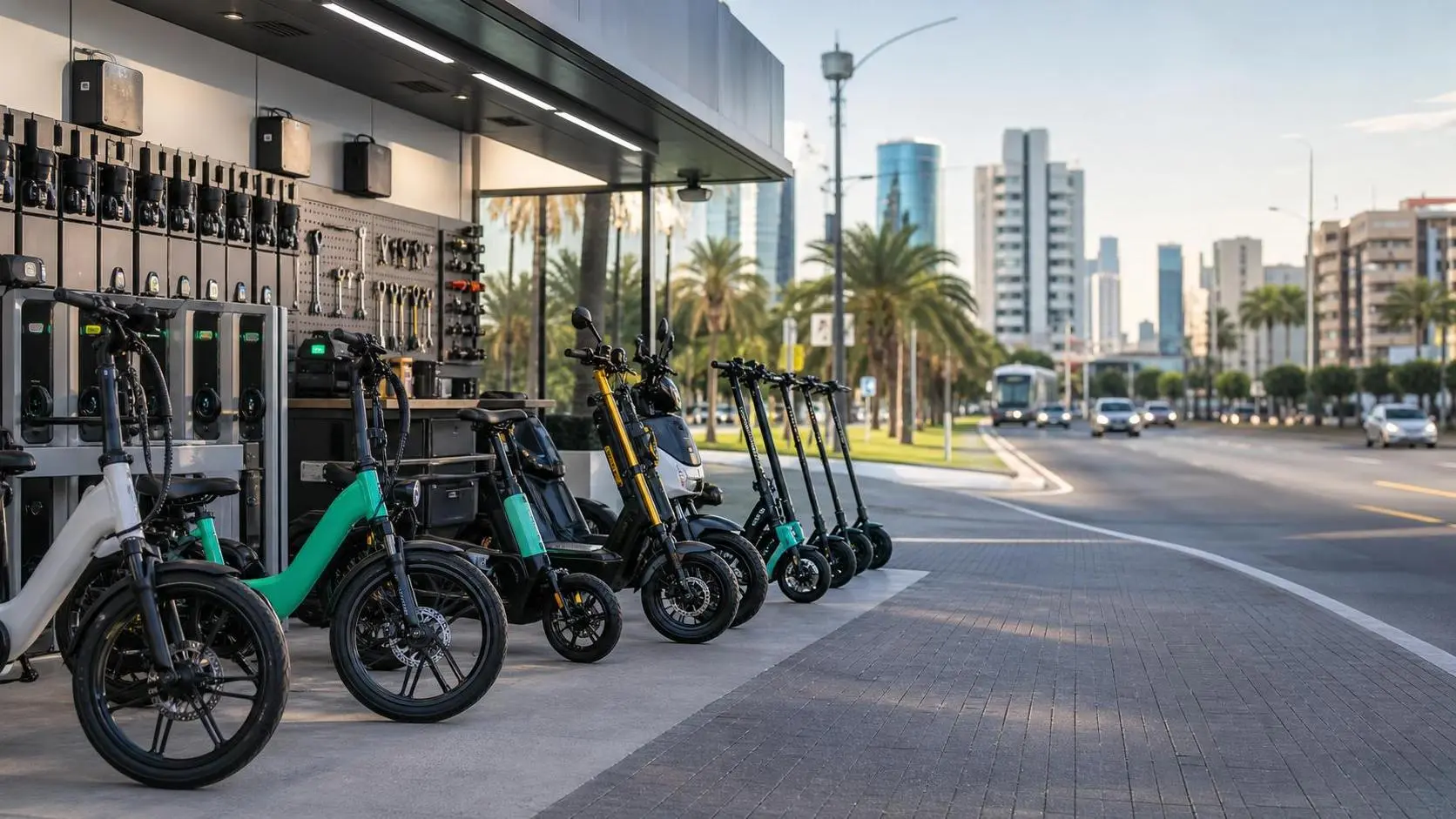
Urban Micro-Mobility Systems in Latin America: Key Market Drivers, Barriers, and Growth Segments
Urban micro-mobility systems Latin America are reshaping city transport. Explore key drivers, barriers, and high-growth segments to spot the region’s most investable opportunities.
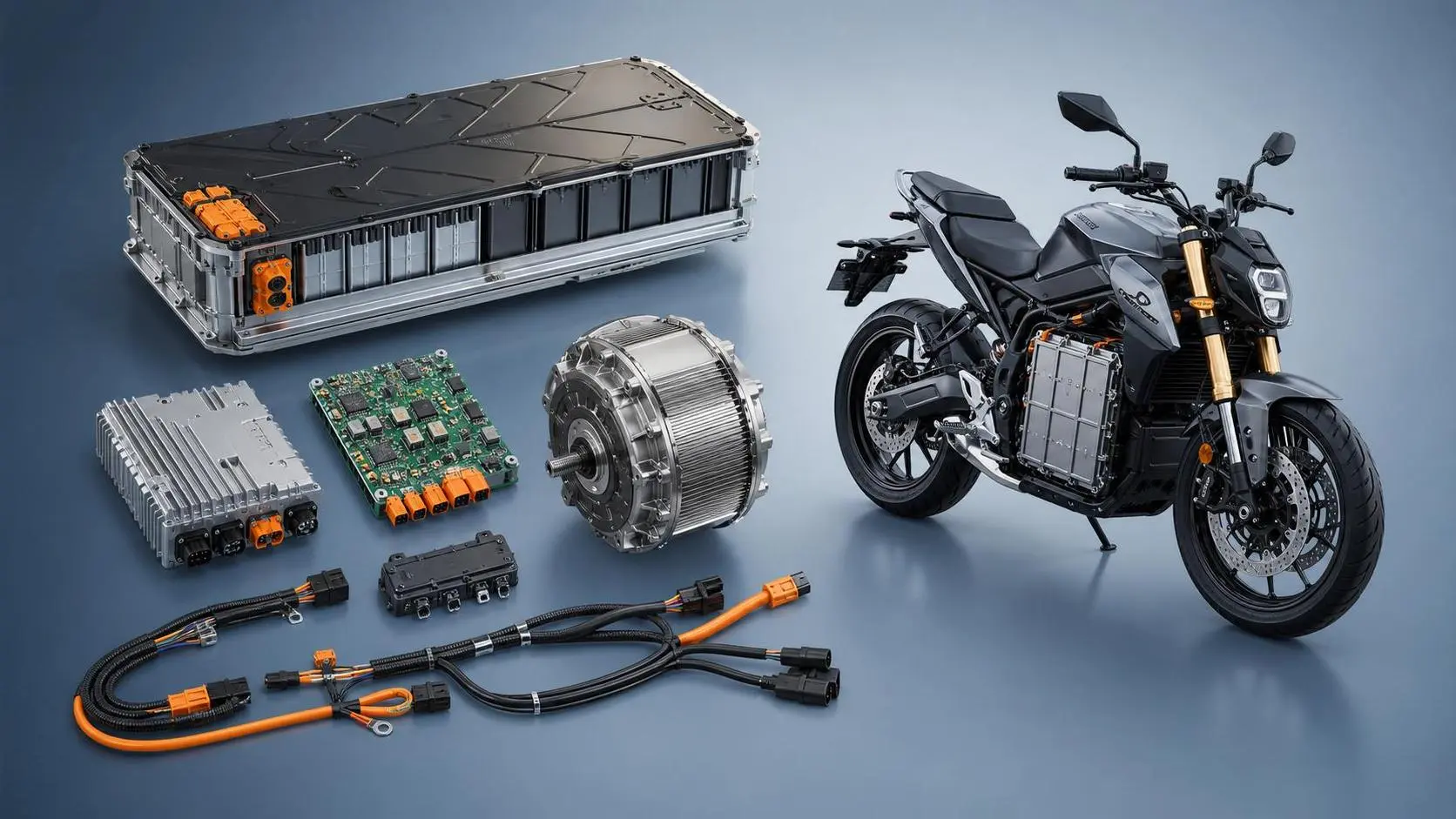
Electric Motorcycle Systems Price Breakdown: What Affects Cost From Battery to Controller?
Electric motorcycle systems price explained: see how battery, controller, motor, BMS, and wiring affect total cost, reliability, and sourcing value before you buy.
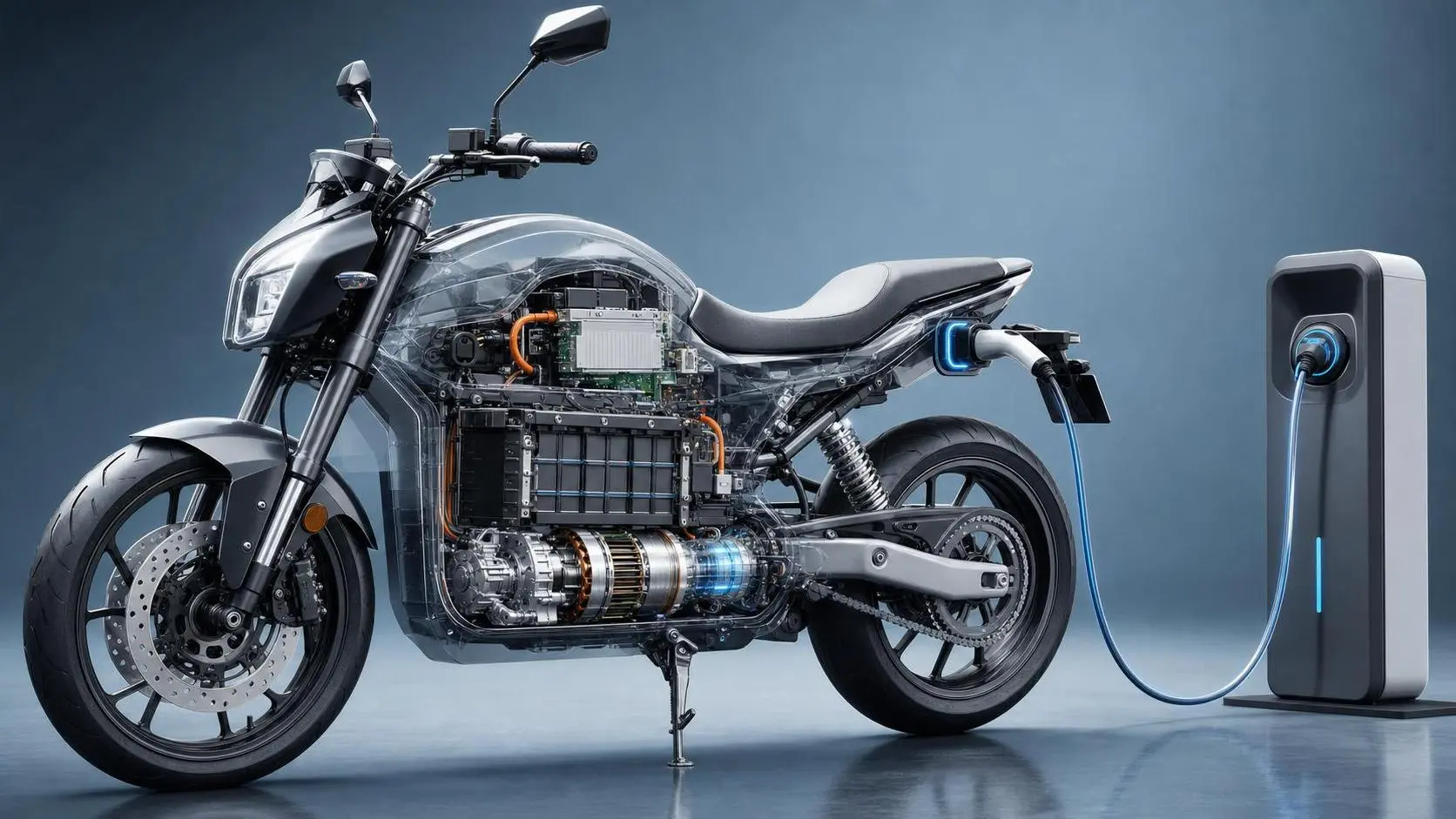
72V Electric Motorcycle Technology Explained: Motors, Controllers, Range, and Charging
Electric motorcycle technology 72V explained clearly: compare motors, controllers, range, battery design, and charging to choose a smoother, stronger, and smarter electric ride.

Where LED Urban Visibility Safety Systems Fit Best in Shared Scooters and City E-bikes
LED urban visibility safety systems deliver the most value in shared scooters and city e-bikes by improving multi-angle safety, fleet durability, and urban compliance across real-world routes.
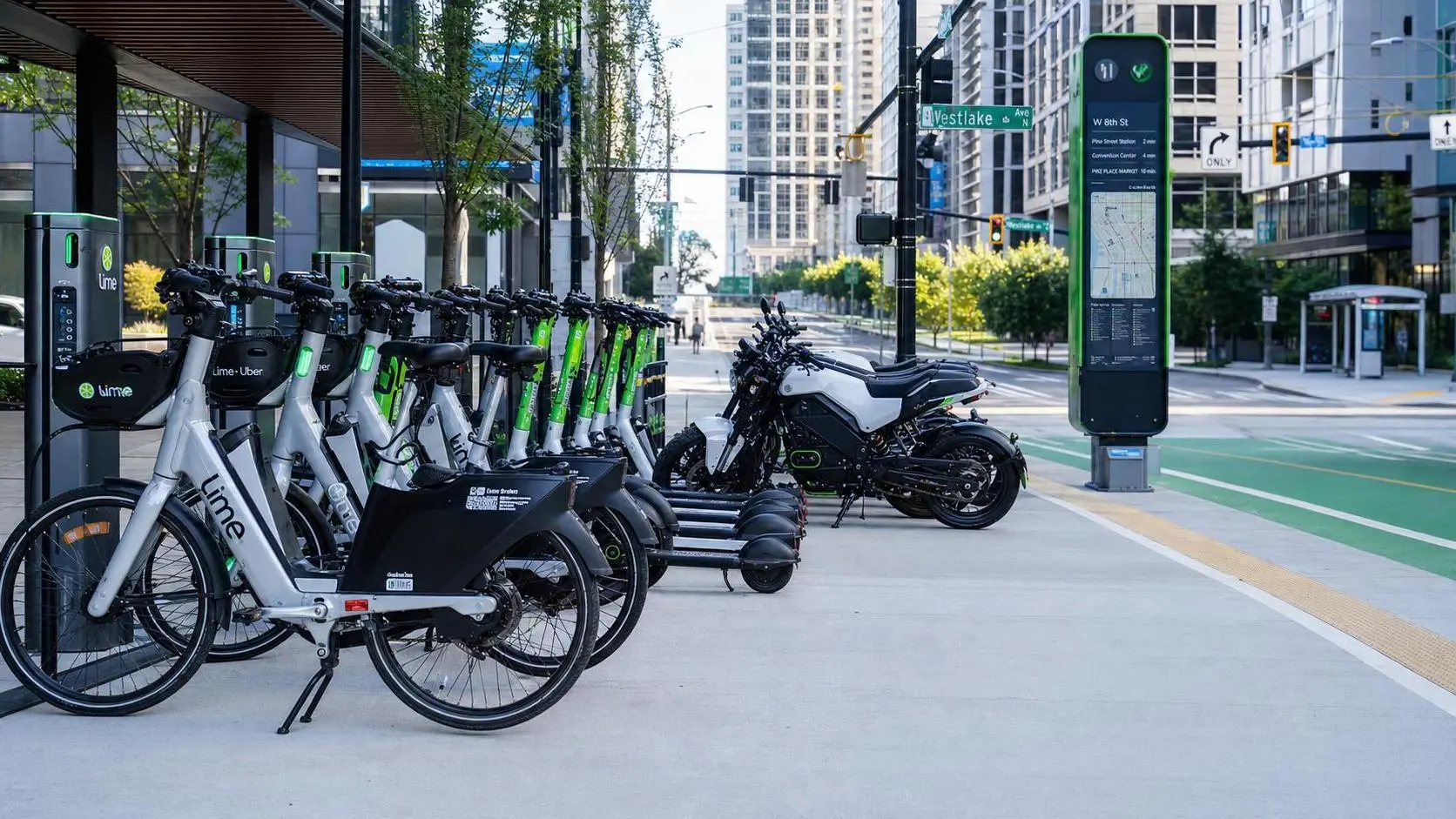
Intellectualization of Mobility in North America: What Is Driving Adoption Across Urban Transport?
Intellectualization of mobility North America is reshaping urban transport through data, smart fleets, and battery intelligence. Explore what is driving adoption and why cities and operators are accelerating now.
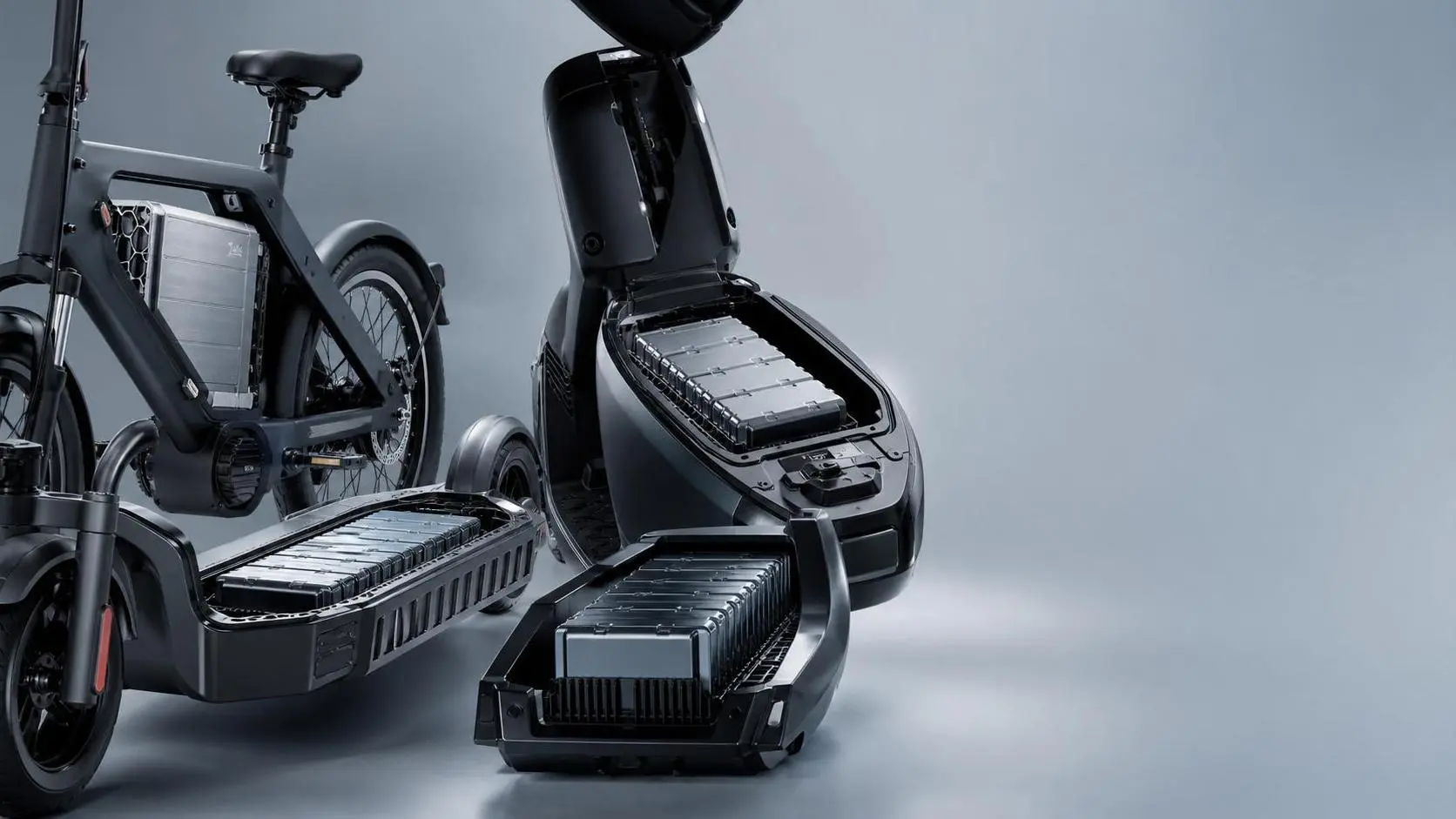
How to Choose a Compact Battery Pack: Size, Energy Density, Thermal Design, and Cycle Life
Compact battery pack selection starts with more than size. Learn how energy density, thermal design, and cycle life shape range, safety, and long-term value.