
Related News
- 00
0000-00
72V Electric Motorcycle Technology Explained: Motors, Controllers, Range, and Charging - 00
0000-00
High-speed Electric Motorcycles with Swappable Battery: What to Check Before Commercial Deployment - 00
0000-00
Urban Electric Motorcycle Buying Guide: Range, Top Speed, Licensing, and Daily Use - 00
0000-00
Electric Motorcycle Battery Trends: Cell Chemistry, Fast Charging, and Pack Design Shifts - 00
0000-00
What Causes Torque Lag in Electric Two-Wheelers and How Can Engineers Reduce It?
Electric Powertrain Analyst
Weekly Insights
Stay ahead with our curated technology reports delivered every Monday.
How Aerodynamics Improves E-Moto Range at Speed





At higher speeds, aerodynamics becomes one of the most decisive factors in e-moto efficiency, directly shaping drag, power demand, thermal load, and ultimately riding range. For technical evaluators, understanding how fairing design, rider posture, airflow management, and component integration influence real-world energy consumption is essential to assessing performance claims and platform competitiveness.
Why Aerodynamics Matters More Than Most Range Claims Admit
For technical evaluators, the short answer is clear: above urban speeds, aerodynamics often becomes the dominant limiter of e-moto range, more than rolling resistance or drivetrain losses.
That matters because many published range figures are achieved at modest speeds, where aerodynamic drag remains manageable and battery discharge rates stay comparatively low and stable.
Once speed rises, drag force increases roughly with the square of velocity, while power needed to overcome that drag rises approximately with the cube.
In practical terms, a machine that feels efficient at 50 km/h can become dramatically less efficient at 90 or 110 km/h, even without changes in terrain.
This is why high-speed e-motorcycles live or die by aerodynamic quality. Battery capacity alone cannot compensate for a platform that wastes energy pushing unnecessary air.
For evaluators comparing products, the right question is not simply battery size or nominal motor power. It is how effectively the full vehicle-rider system manages airflow.
What Searchers Really Want to Know About E-Moto Aerodynamics
The core search intent behind this topic is practical and performance-oriented. Readers want to know how aerodynamics improves range at speed, by how much, and under what conditions.
They also want to distinguish engineering reality from marketing language. Terms like streamlined, sporty, or wind-cheating mean little without measurable reductions in drag and energy consumption.
Technical audiences especially care about whether aerodynamic gains are repeatable in real riding, not just idealized wind-tunnel or simulation environments.
They need to understand which design choices actually move the efficiency needle: front fairings, side panels, windshield geometry, wheel treatment, cooling ducts, and rider posture support.
Just as importantly, they want to know how to evaluate tradeoffs. Improved aerodynamics can conflict with cooling, crosswind stability, manufacturability, service access, and rider comfort.
An article with real value must therefore connect aerodynamic theory to validation methods, real-world range impact, and platform-level engineering decisions.
How Drag Reduces Range at Higher Speeds
Aerodynamic drag is the resisting force created as the motorcycle and rider move through air. At low speed, its effect is noticeable but not always dominant.
At higher speed, drag becomes the largest external load on the powertrain in many riding conditions. This directly increases battery energy consumed per kilometer.
The standard drag relationship depends on air density, drag coefficient, frontal area, and vehicle speed. Technical evaluators should pay attention to all four variables.
Air density changes with temperature and altitude, so test conditions matter. However, drag coefficient and frontal area are where design teams have the greatest control.
Reducing CdA, the product of drag coefficient and frontal area, is usually the most meaningful aerodynamic target for an e-moto platform.
Even modest CdA improvements can translate into useful highway-range gains because they reduce continuous power draw exactly where battery drain is otherwise steepest.
For example, a machine needing 8 kW to cruise at one speed may need significantly more at a higher speed largely because of aerodynamic demand, not mass alone.
That extra power draw also increases thermal stress on the motor, inverter, and battery, further affecting efficiency during sustained high-speed operation.
Why the Rider Is a Major Part of the Aerodynamic System
One of the most common evaluation mistakes is treating the e-moto body alone as the aerodynamic object. In reality, the rider often dominates the airflow profile.
The rider’s torso, shoulders, helmet, elbows, knees, and foot position strongly affect wake formation, pressure drag, and local turbulence around the vehicle.
This means range at speed can vary meaningfully with posture, even on the same motorcycle, same route, and same weather conditions.
An upright naked-bike posture usually produces much higher aerodynamic losses than a slightly tucked position supported by a well-designed front fairing and screen.
For technical assessment, the key question is whether the motorcycle’s design naturally encourages a low-drag, repeatable posture without compromising control or safety.
If aerodynamic efficiency depends on an uncomfortable tuck that riders will not maintain, then real-world range benefits may be smaller than engineering projections suggest.
Seat-to-bar geometry, peg position, tank shaping, and windscreen height all influence whether the rider can stay within the intended airflow envelope.
Evaluators should therefore review aero claims as rider-inclusive performance metrics, not isolated bodywork performance numbers.
Which Aerodynamic Design Features Usually Deliver the Biggest Gains
Not every visible fairing feature produces meaningful range improvement. Some parts mainly shape brand identity, while others produce measurable efficiency benefits.
Front-end pressure management is usually the first major area. A well-resolved nose and screen can reduce stagnation losses and guide air cleanly around the rider.
Side fairings can help control separation and smooth the flow around battery enclosures, frame elements, and the rider’s legs.
Lower body panels may also reduce turbulence around the underbody, though gains depend heavily on wheel exposure, ground clearance, and packaging constraints.
Handlebar area treatment is often underrated. Mirrors, controls, brake reservoirs, and cable routing can all introduce local turbulence and drag.
Wheel and fork zones are another difficult area. Exposed rotating components disrupt airflow significantly, but complete enclosure is rarely practical on performance motorcycles.
Battery pack integration matters too. Since e-motos often have larger central volumes than comparable ICE motorcycles, enclosure shape has major aerodynamic consequences.
When these elements are developed as one system rather than as isolated styling pieces, aerodynamic gains become more consistent and easier to validate.
How Aerodynamics Interacts With Thermal Management
Range is not only about drag reduction. Aerodynamics also shapes cooling airflow, and poor thermal integration can erode efficiency even when drag numbers look promising.
Electric motorcycles rely on stable thermal control for batteries, motors, inverters, and chargers. At sustained speed, these systems generate heat that must be managed predictably.
A tightly faired body may lower drag while starving critical components of cooling air, forcing derating or reducing electrical efficiency under load.
Conversely, oversized cooling openings may protect thermal margins but increase drag, pressure losses, and turbulence that hurt cruising efficiency.
The best platforms solve both problems together. They route air intentionally, deliver sufficient cooling mass flow, and minimize unnecessary disturbance once air exits the system.
For technical evaluators, this means aero success cannot be judged from body shape alone. It must be reviewed against thermal performance across realistic speed and ambient conditions.
If a model achieves excellent short-duration efficiency but suffers sustained-speed heat buildup, its claimed aerodynamic advantage may have limited operational value.
How Much Range Improvement Is Realistically Possible
There is no universal percentage because results depend on baseline design, target speed, rider posture, weather, and duty cycle. Still, aerodynamic improvement can be substantial.
At urban speeds, gains may be modest because stop-start operation, acceleration events, and rolling losses dilute the effect of lower drag.
At suburban and highway speeds, the same aerodynamic refinement can produce much larger range benefits because drag dominates the energy equation for longer periods.
This is why evaluators should always ask at what speed the claimed range improvement was measured. A gain at 45 km/h is not equivalent to a gain at 100 km/h.
In some cases, a carefully optimized fairing and rider package can deliver clearly measurable double-digit percentage improvements in high-speed energy consumption versus a less optimized baseline.
However, those gains should be treated carefully unless testing controls for rider size, posture, wind, tire selection, state of charge window, and thermal state.
The most credible manufacturers present speed-indexed consumption curves rather than a single headline range number.
How Technical Evaluators Should Validate Aerodynamic Claims
For serious assessment, aerodynamic claims should be validated through a combination of CFD, wind-tunnel work where available, and structured road testing.
CFD is useful early because it reveals pressure zones, separation behavior, cooling paths, and design sensitivities before expensive physical changes are made.
But CFD quality depends on model fidelity, turbulence assumptions, rotating-wheel treatment, and rider representation. Poor setup can produce misleading confidence.
Wind-tunnel testing adds physical evidence, especially for comparative development. It can help quantify drag, lift balance, side-force behavior, and local flow features.
Yet tunnel results also have limits if the rider surrogate is unrealistic or cooling-system operation differs from real riding conditions.
Road testing remains essential because it captures dynamic factors that matter for range: crosswinds, rider movement, traffic pacing, surface variation, and thermal soak over time.
Evaluators should request constant-speed energy consumption data at multiple speeds, repeated in controlled directions to reduce wind bias.
They should also compare Wh/km results, not just total range, because energy-per-distance exposes aerodynamic effects more clearly across battery sizes.
Coastdown testing, when properly controlled, can also help estimate drag behavior and detect whether a claimed aero improvement is directionally plausible.
Common Reasons Real-World Results Fall Short of Simulations
Simulation-led development is valuable, but real roads punish assumptions. Many apparent aerodynamic wins shrink when exposed to actual rider behavior and operating variability.
One common issue is posture drift. Riders do not hold the exact optimized position used in virtual studies or track sessions for long-distance road use.
Another is accessory interference. Luggage, handguards, mirrors, phone mounts, top boxes, and aftermarket screens can quickly degrade the intended airflow pattern.
Crosswinds are especially important for two-wheelers. A shape with low head-on drag may perform poorly in yaw, affecting both efficiency and stability confidence.
Tire choice and ride height changes also alter effective flow paths, especially around the front wheel, belly area, and rear wake region.
Finally, battery and inverter temperature affect electrical efficiency independently of drag. Without isolating those variables, range deviations may be misattributed to aerodynamics alone.
What Makes an Aerodynamically Competitive High-Speed E-Moto Platform
For evaluators benchmarking future-ready products, aerodynamic competitiveness is not about a dramatic fairing silhouette alone. It is about integration quality.
A strong platform usually shows a clear relationship between body shape, rider ergonomics, cooling architecture, packaging discipline, and speed-specific energy data.
It should demonstrate that the design team understands CdA reduction, not just visual streamlining, and can defend choices with test-backed performance logic.
It should also preserve stability and usability. A highly efficient shape that creates fatigue, buffeting, steering sensitivity, or service complexity may be commercially weaker overall.
In procurement or product strategy reviews, the best indicator is consistency: similar efficiency behavior across repeated tests, rider conditions, and sustained-speed scenarios.
When aerodynamic performance is genuine, it will show up not only in better range, but also in lower steady-state power draw and more manageable thermal load.
Conclusion: Aerodynamics Is a Range Multiplier, Not a Styling Detail
How aerodynamics improves e-moto range at speed is ultimately a matter of physics, not branding. As velocity rises, airflow management becomes central to efficiency.
For technical evaluators, the most useful perspective is to assess the entire vehicle-rider system, not isolated bodywork claims or battery size headlines.
Look for measurable reductions in energy consumption at defined speeds, credible validation methods, and smart integration between drag control and thermal management.
In a market where high-speed electric motorcycles must balance range, performance, and cost, strong aerodynamics functions as a force multiplier across all three.
The platforms most likely to lead are those that turn aerodynamic engineering into repeatable real-world efficiency, not just attractive specification-sheet language.
Related News
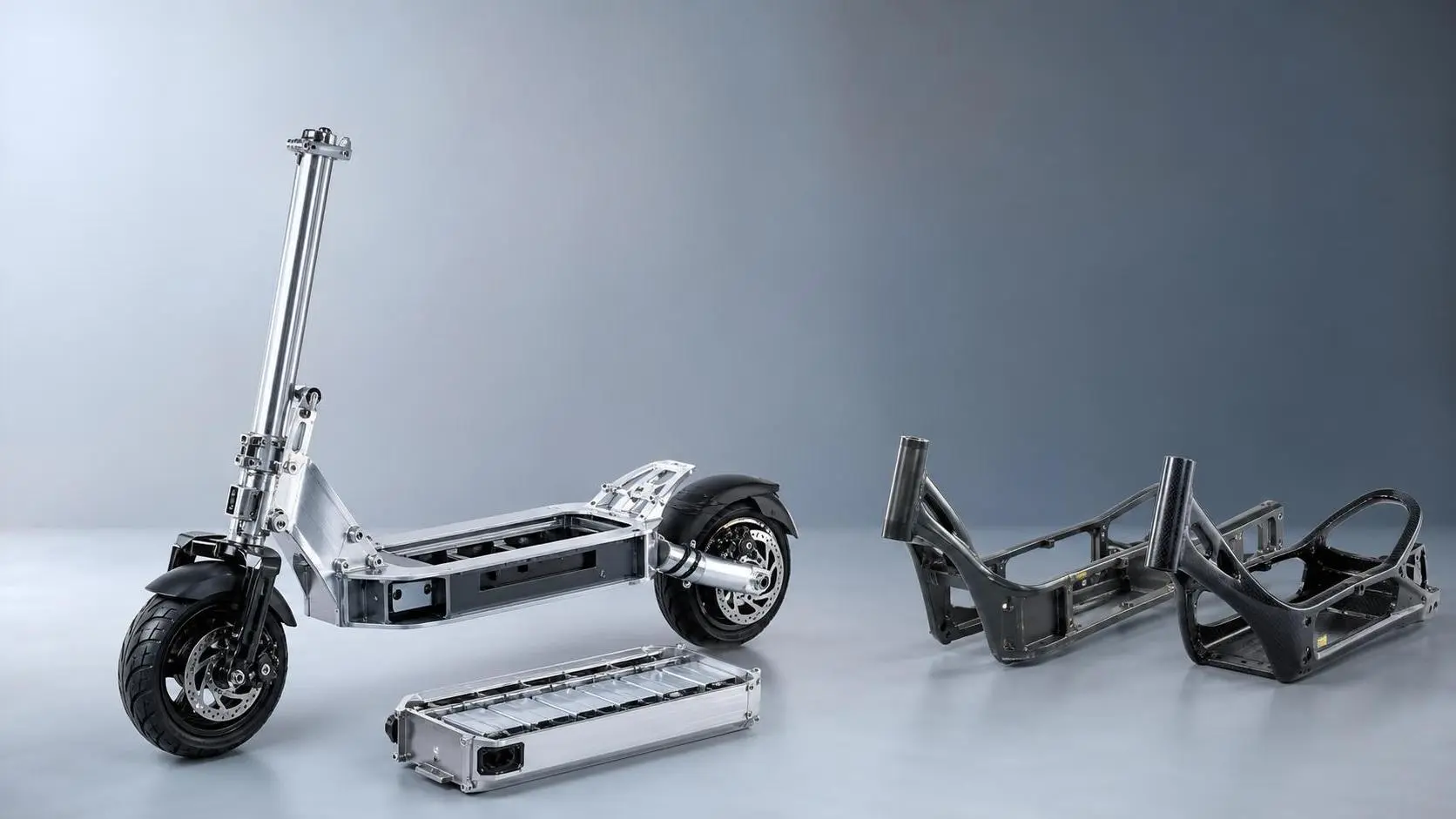
How to Choose Lightweight Scooter Frames in Europe: Materials, Standards, and Use Cases
Lightweight scooter frames Europe buyers need should balance materials, EN standards, durability, and real use cases. Discover how to choose safer, smarter, compliant frames.
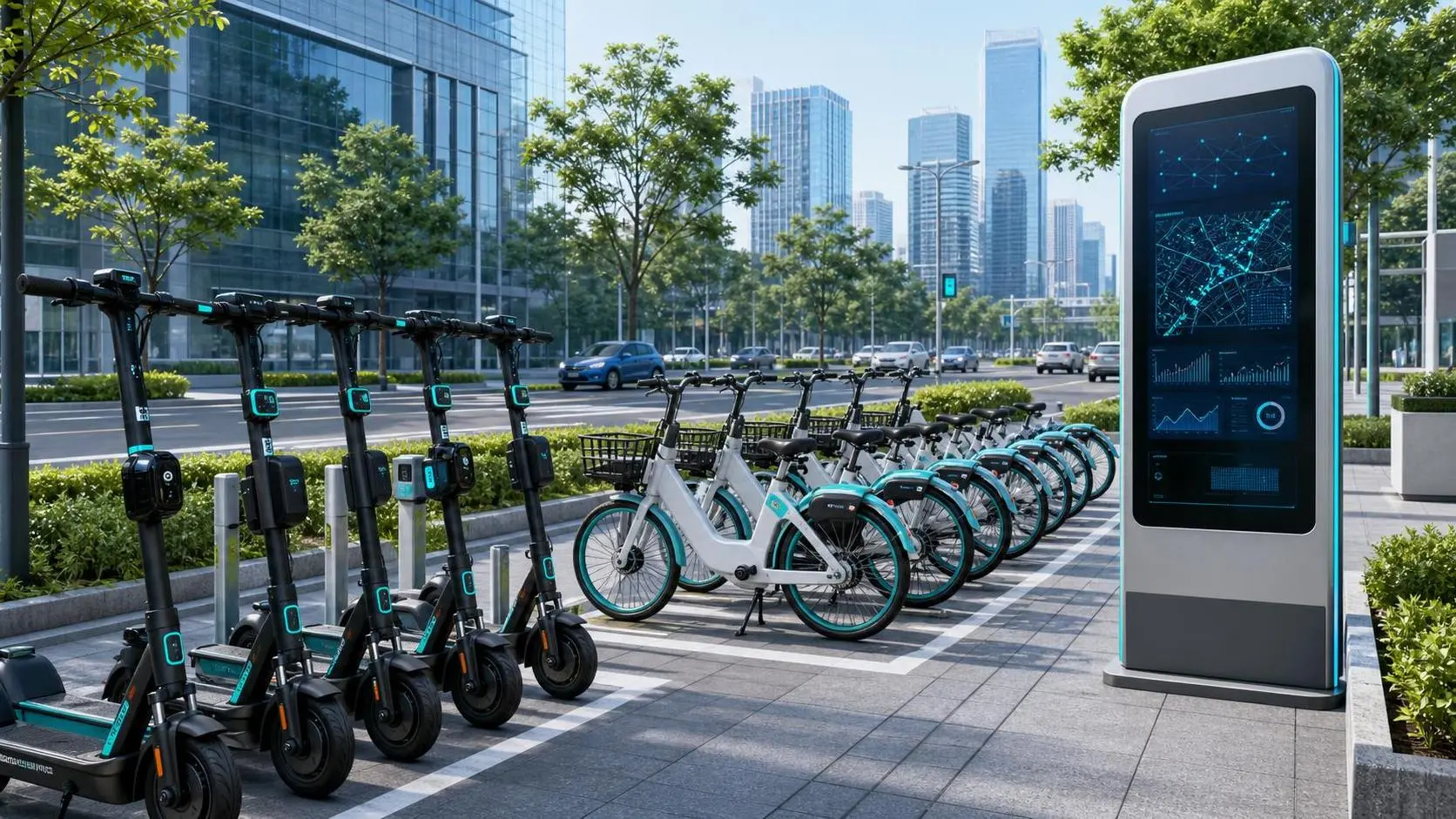
What Is the Intellectualization of Mobility Platform and How Is It Applied in Shared Fleets?
Intellectualization of mobility platform is reshaping shared fleets with real-time data, predictive maintenance, and smarter compliance—learn how it boosts safety, uptime, and urban mobility efficiency.
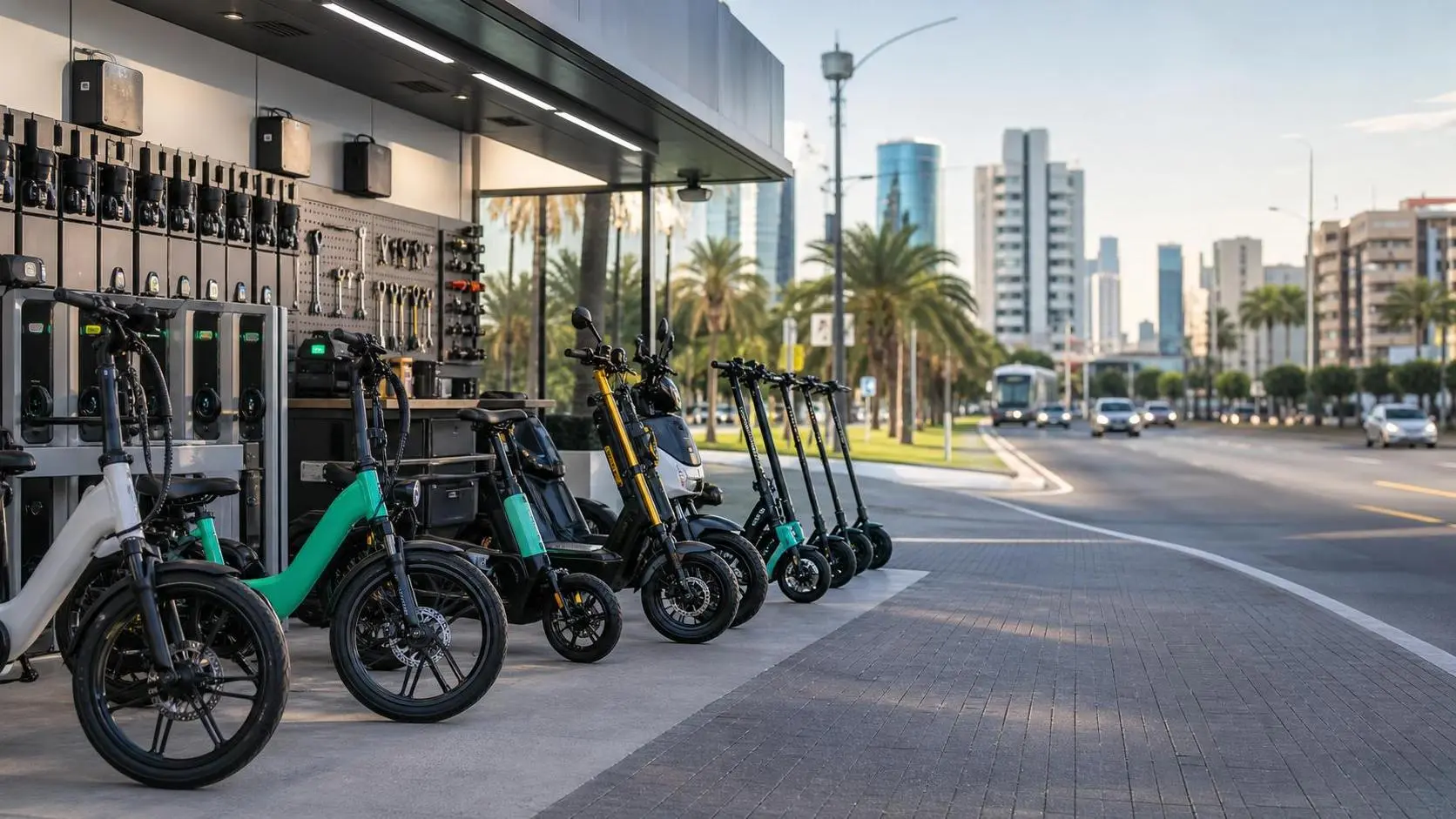
Urban Micro-Mobility Systems in Latin America: Key Market Drivers, Barriers, and Growth Segments
Urban micro-mobility systems Latin America are reshaping city transport. Explore key drivers, barriers, and high-growth segments to spot the region’s most investable opportunities.
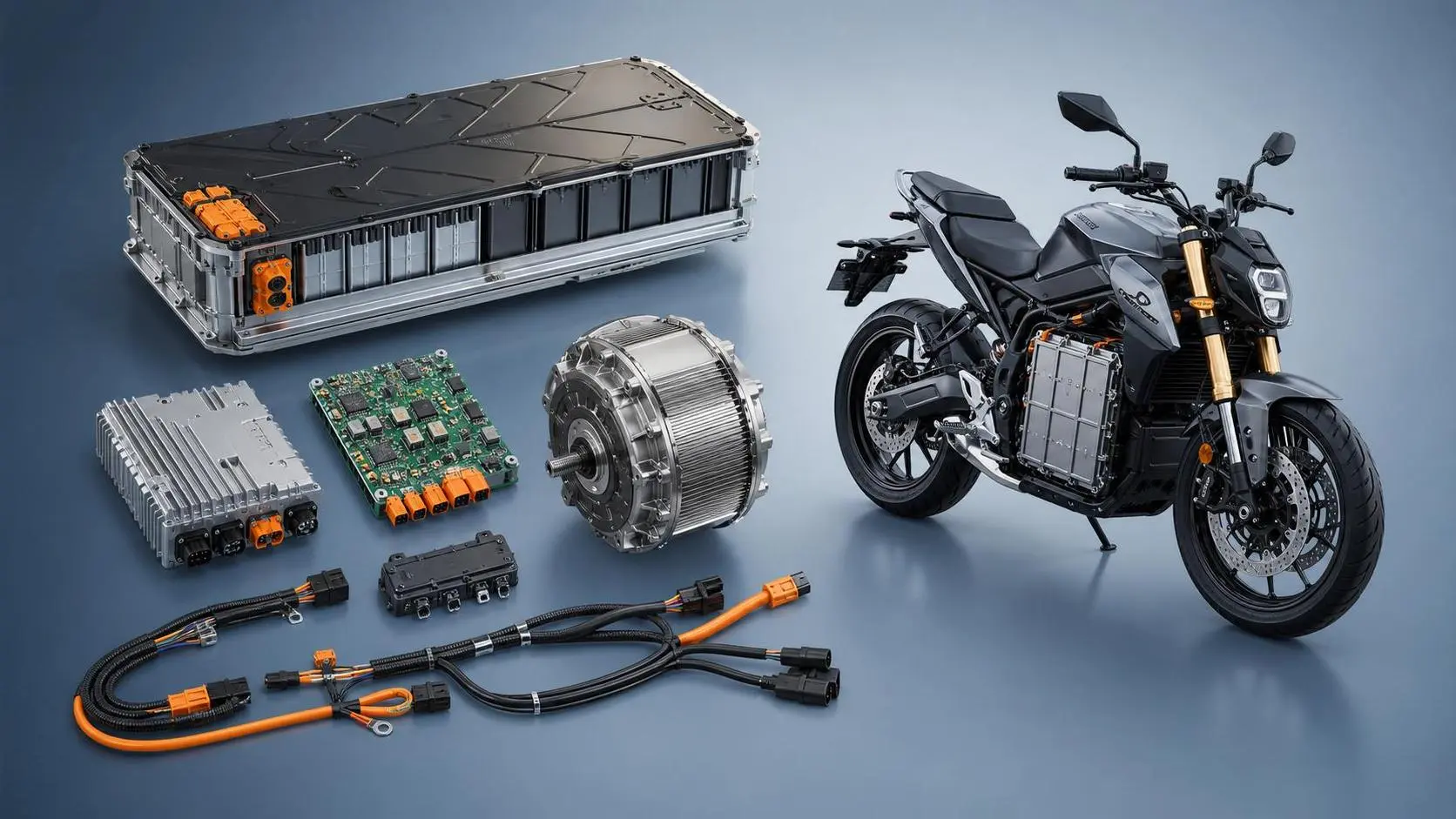
Electric Motorcycle Systems Price Breakdown: What Affects Cost From Battery to Controller?
Electric motorcycle systems price explained: see how battery, controller, motor, BMS, and wiring affect total cost, reliability, and sourcing value before you buy.
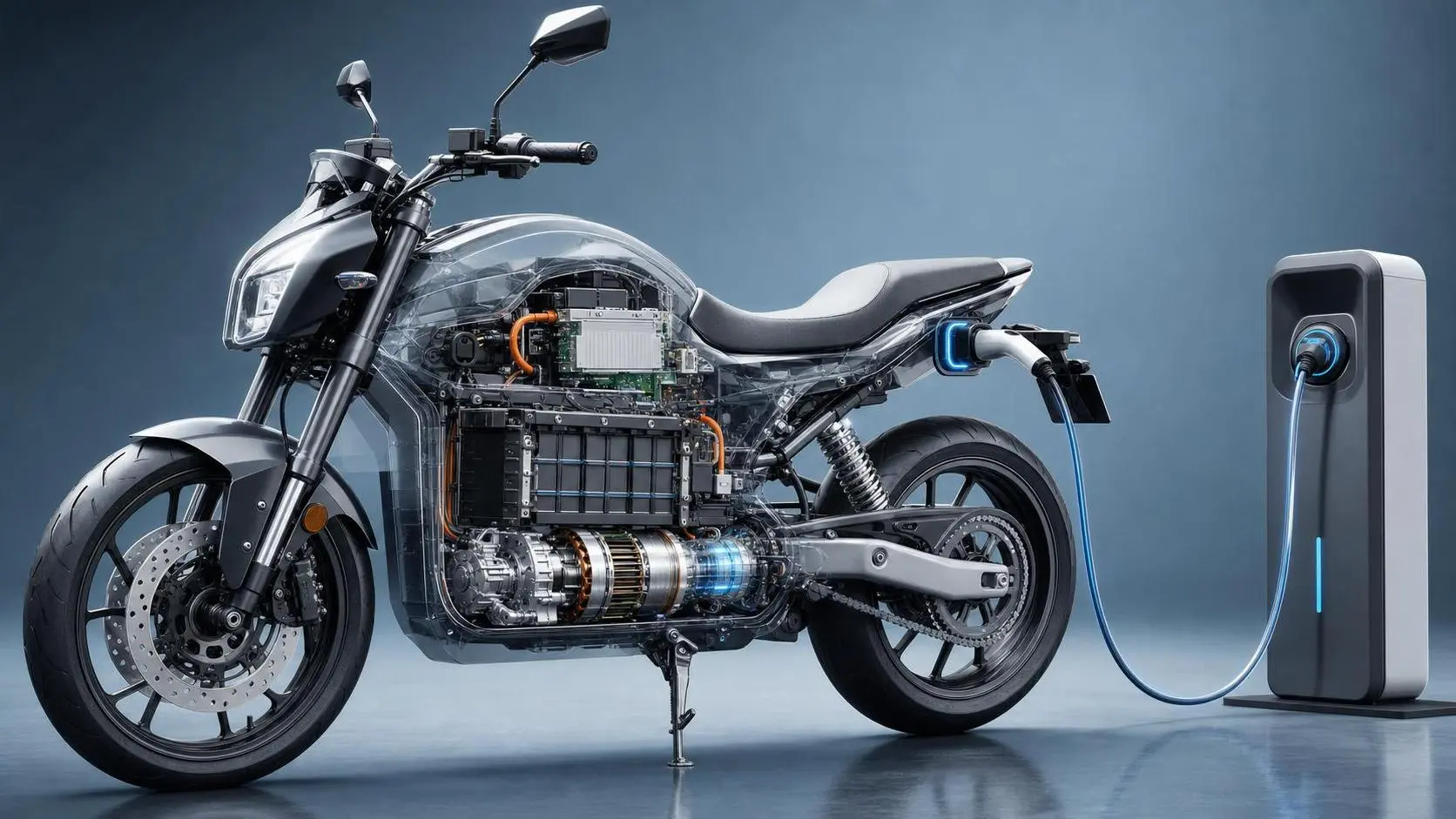
72V Electric Motorcycle Technology Explained: Motors, Controllers, Range, and Charging
Electric motorcycle technology 72V explained clearly: compare motors, controllers, range, battery design, and charging to choose a smoother, stronger, and smarter electric ride.
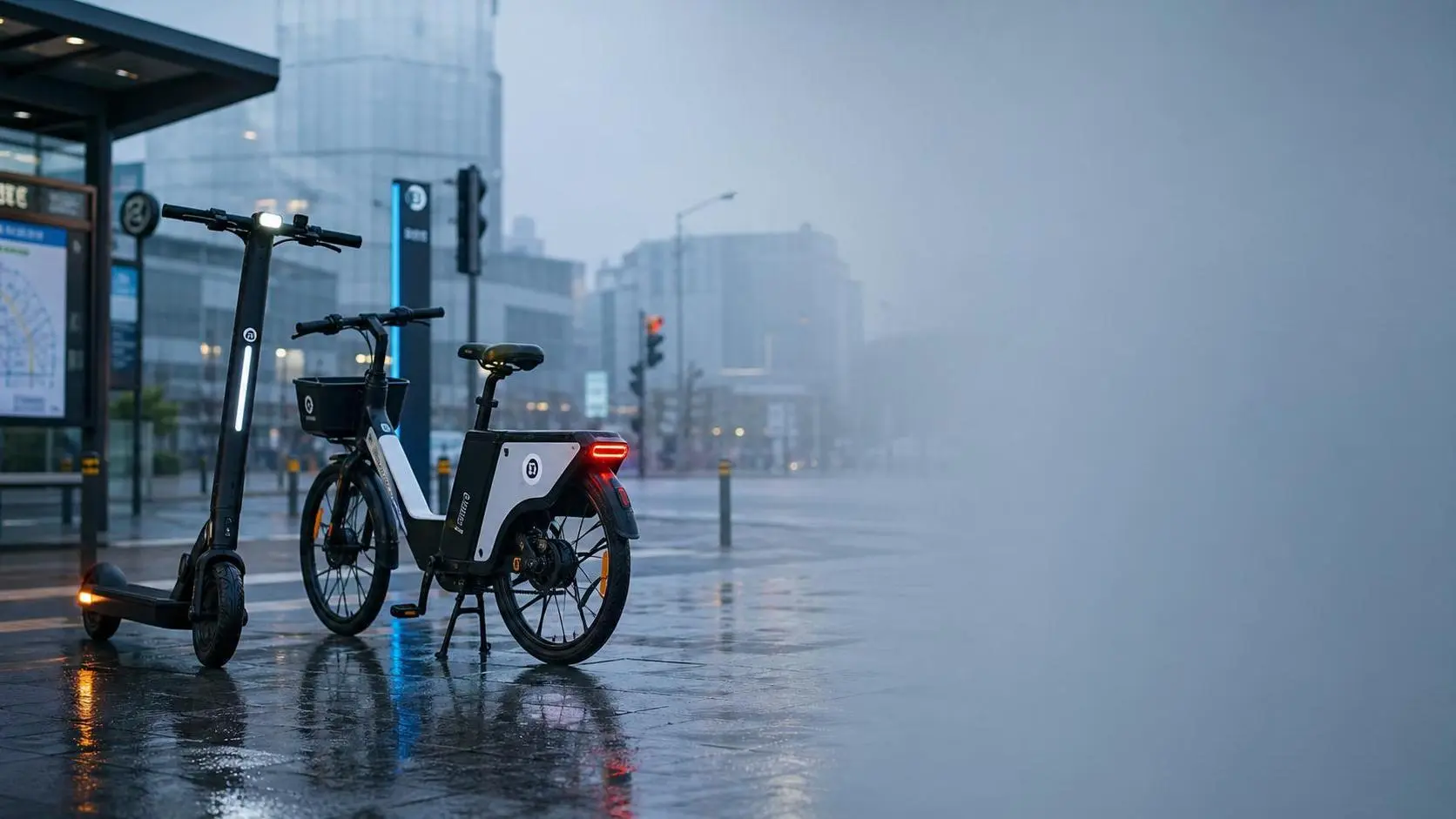
Where LED Urban Visibility Safety Systems Fit Best in Shared Scooters and City E-bikes
LED urban visibility safety systems deliver the most value in shared scooters and city e-bikes by improving multi-angle safety, fleet durability, and urban compliance across real-world routes.
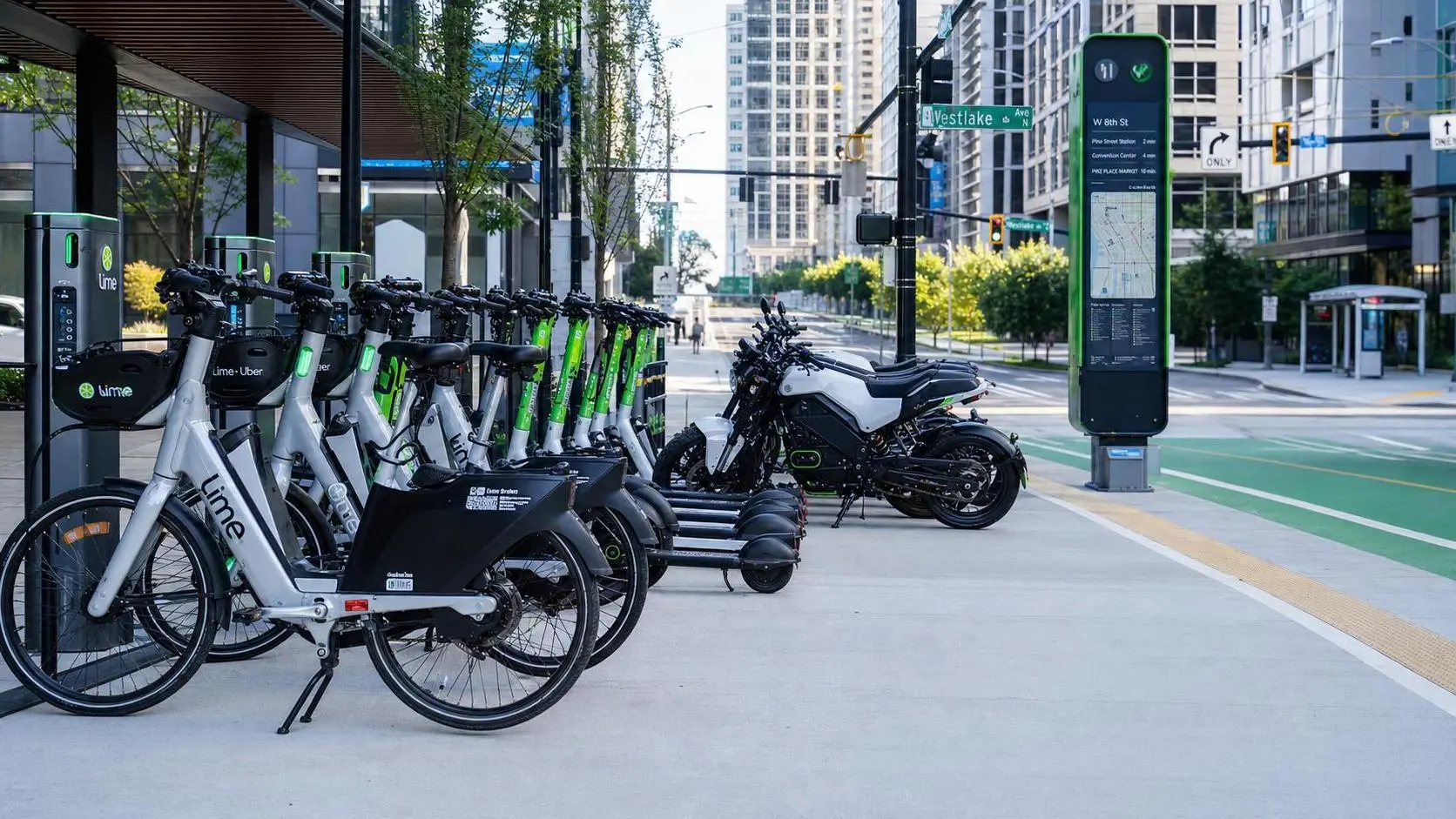
Intellectualization of Mobility in North America: What Is Driving Adoption Across Urban Transport?
Intellectualization of mobility North America is reshaping urban transport through data, smart fleets, and battery intelligence. Explore what is driving adoption and why cities and operators are accelerating now.
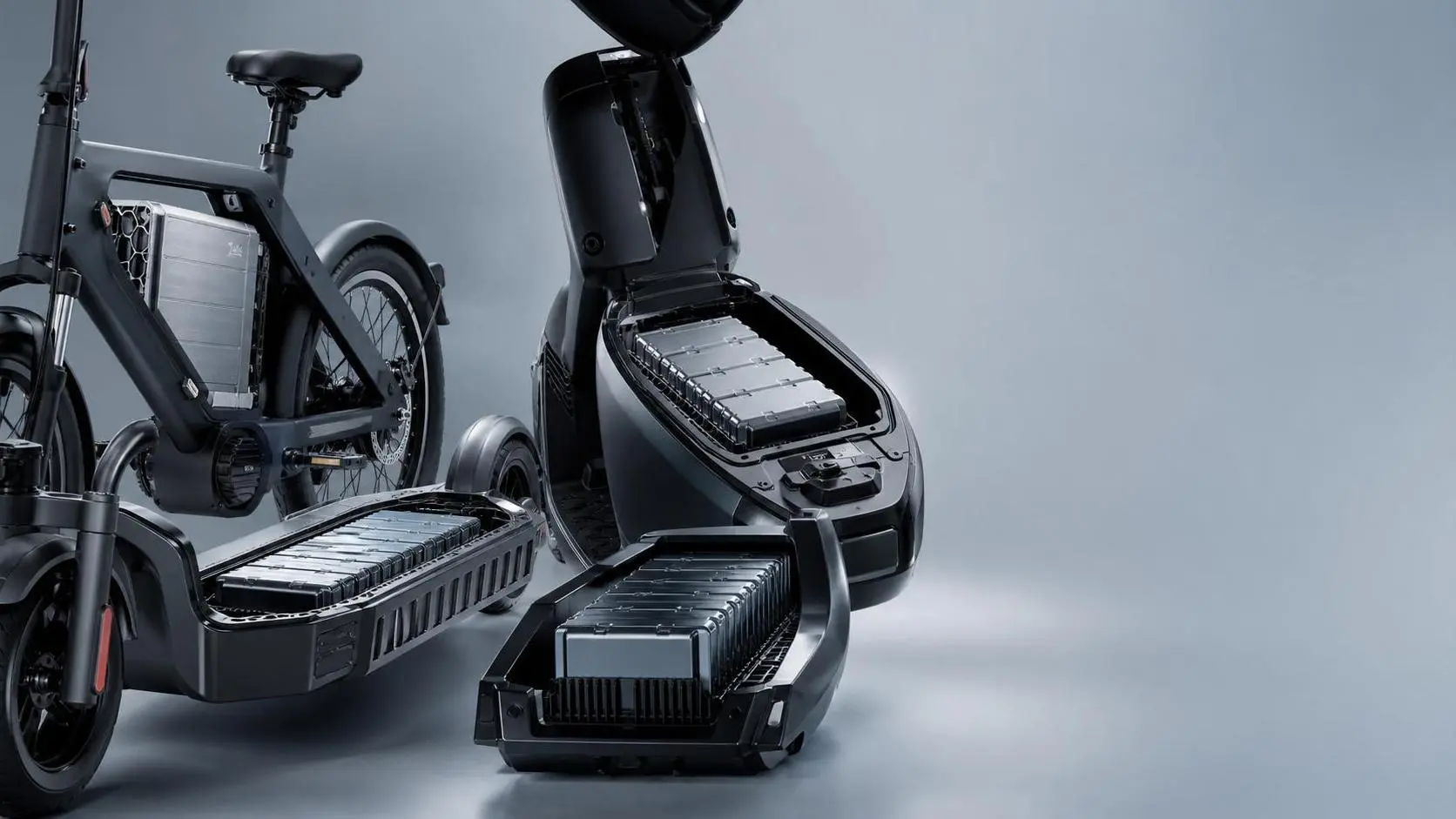
How to Choose a Compact Battery Pack: Size, Energy Density, Thermal Design, and Cycle Life
Compact battery pack selection starts with more than size. Learn how energy density, thermal design, and cycle life shape range, safety, and long-term value.
What Is Driving Green Two-wheelers Demand in Europe? Policy, Fuel Costs, and Buyer Segments
Green two-wheelers demand Europe is rising as policy support, fuel cost pressure, and diverse buyer segments reshape urban mobility. Explore the trends driving the next growth wave.