
Related News
- 00
0000-00
72V Electric Motorcycle Technology Explained: Motors, Controllers, Range, and Charging - 00
0000-00
High-speed Electric Motorcycles with Swappable Battery: What to Check Before Commercial Deployment - 00
0000-00
Urban Electric Motorcycle Buying Guide: Range, Top Speed, Licensing, and Daily Use - 00
0000-00
Electric Motorcycle Battery Trends: Cell Chemistry, Fast Charging, and Pack Design Shifts - 00
0000-00
What Causes Torque Lag in Electric Two-Wheelers and How Can Engineers Reduce It?
Electric Powertrain Analyst
Weekly Insights
Stay ahead with our curated technology reports delivered every Monday.
What sets modern electric motorcycle technology apart





Modern electric motorcycle technology stands apart because it is no longer defined by electrification alone. For technical evaluators, the real differentiator is system integration: how power electronics, battery architecture, thermal control, software, and vehicle dynamics work together under real operating conditions. Peak power and acceleration still matter, but they are no longer sufficient indicators of product quality.
In today’s market, the strongest electric motorcycle platforms combine high energy density, stable thermal behavior, fast torque response, functional safety, connected diagnostics, and scalable manufacturing logic. The gap between a promising prototype and a commercially viable machine is determined by efficiency, durability, serviceability, and control precision. That is what truly sets modern electric motorcycle technology apart.
What technical evaluators are really trying to determine
When readers search for electric motorcycle technology, they are rarely looking for a basic definition. They usually want to know which technical advances are meaningful, which claims are mostly marketing, and how to compare one platform against another.
For technical evaluation teams, the most important questions are practical. Does the system deliver repeatable performance? Can the battery survive aggressive use and temperature swings? Is the controller efficient across duty cycles? Can the architecture scale across regions, classes, and use cases?
These questions matter because modern high-speed e-motorcycles are entering a more demanding stage of competition. The market now expects not just electric propulsion, but superior total-system behavior across commuting, sport riding, fleet operation, and low-carbon urban mobility networks.
Instant torque is no longer the headline feature, but how it is managed still matters
Instant torque remains one of the clearest advantages of electric propulsion over internal combustion engines. Electric motorcycles can deliver rapid acceleration without clutch delay, gear hunting, or combustion lag. That creates a highly responsive riding experience and a strong performance identity.
However, modern electric motorcycle technology is distinguished less by raw torque output and more by torque orchestration. The best systems shape torque delivery based on traction conditions, battery state, motor temperature, vehicle speed, and rider mode selection.
In evaluation terms, this means torque must be smooth, predictable, and repeatable. A motorcycle that feels fast for one launch but derates heavily after several acceleration events is less advanced than one that maintains controllable output under sustained load.
Motor control software now plays a central role here. Sophisticated inverter mapping, traction algorithms, and regenerative blending allow manufacturers to tune not only speed, but also confidence, stability, and energy recovery. That is a major sign of technology maturity.
Battery systems define the platform more than any other subsystem
The battery is still the most decisive element in electric motorcycle technology because it controls range, cost, mass distribution, thermal constraints, charging behavior, and long-term reliability. For technical evaluators, battery performance must be judged as a complete system, not just by nominal capacity.
Modern platforms increasingly stand apart through high-density pack design, more intelligent battery management systems, and improved structural integration. These advances allow motorcycles to store more usable energy while maintaining acceptable size, stiffness, and safety margins.
Cell chemistry selection is also becoming more strategic. Some manufacturers prioritize energy density for range, while others favor thermal stability, cycle life, or high discharge capability. The right answer depends on whether the vehicle is intended for urban commuting, premium performance, or commercial fleet deployment.
Usable energy window is another critical measure. Two packs with similar kilowatt-hour ratings may perform very differently if one requires conservative buffering or suffers significant voltage sag under high load. Evaluators should always look beyond headline capacity figures.
Battery packaging has also evolved. Rather than treating the pack as a passive block, many modern designs use it as an integrated structural or semi-structural element. This can improve chassis compactness and weight distribution, though it also raises service and crash-repair considerations.
Thermal management is one of the clearest indicators of engineering depth
One of the biggest differences between early electric motorcycles and modern ones is thermal sophistication. High performance is easy to advertise in short bursts. Delivering it consistently across traffic, hill climbs, hot weather, rapid charging, and repeated acceleration events is much harder.
That is why thermal management now separates serious platforms from superficial ones. The battery, inverter, motor, charger, and even braking regeneration behavior are all affected by thermal limits. If heat is not controlled well, range drops, charging slows, and power output becomes inconsistent.
Advanced systems use a combination of passive materials, airflow design, heat paths, liquid cooling, thermal sensors, and predictive control logic. The goal is not just to prevent failure, but to preserve stable operation inside the most efficient temperature window.
For technical assessment, derating behavior is especially important. When and how does the system reduce output? Is the transition abrupt or well managed? Does the motorcycle recover quickly after cooling? These factors reveal more than peak-power brochures ever can.
Power electronics and motor architecture have become major differentiators
Another reason modern electric motorcycle technology stands apart is the rapid improvement in power electronics. Inverters, semiconductors, switching strategies, and control logic now have a direct effect on efficiency, throttle fidelity, acoustic behavior, and thermal performance.
The motor itself also deserves closer evaluation. Permanent magnet motors remain common due to their power density and efficiency, but motor architecture choices involve tradeoffs in cost, heat, rare-earth dependence, and high-speed performance behavior.
Efficiency maps matter more than maximum output. A motorcycle used in mixed urban and peri-urban riding must perform well across partial loads, repeated start-stop cycles, and mid-range speeds. A highly optimized control system can significantly improve real-world energy consumption.
Transmission strategy is another point of differentiation. Some electric motorcycles use direct drive or simplified reductions for efficiency and low maintenance. Others adopt multi-ratio approaches to balance acceleration and top speed. The best solution depends on target use and platform priorities.
Software, connectivity, and diagnostics are now core technology, not add-ons
Modern electric motorcycles are increasingly software-defined products. Connectivity, over-the-air updates, fault logging, user profiles, battery analytics, and predictive maintenance are no longer optional premium features. They are becoming fundamental components of platform competitiveness.
For evaluators, this matters because software determines how effectively hardware can be used over time. A strong battery and motor package can underperform if controls are crude, calibration is weak, or diagnostics are limited. Conversely, software can unlock efficiency, safety, and lifecycle value.
Connected architecture also supports remote fleet management, warranty analysis, service planning, and product iteration. This is especially relevant for shared mobility operators, delivery applications, and brands expanding into multiple climates or regulatory regions.
Cybersecurity and functional reliability should also be part of any serious assessment. As connectivity increases, so does the need for robust communication protocols, secure firmware logic, and dependable sensor validation. Advanced electric motorcycle technology must be smart without becoming fragile.
Regenerative braking and energy management are becoming more refined
Regenerative braking is often discussed as a simple efficiency feature, but in modern electric motorcycles it is better understood as a control and rideability function. Well-calibrated regeneration can improve energy recovery, reduce brake wear, and enhance rider confidence.
The challenge is achieving smooth integration with hydraulic braking and vehicle stability. Excessive or poorly tuned regenerative force can unsettle the chassis, especially in corner entry, wet conditions, or low-speed maneuvering. Better systems adapt regeneration to speed, lean sensitivity, and traction state.
Energy management also extends beyond braking. Smart control of accessory loads, charging profiles, battery conditioning, and rider modes can materially change real-world efficiency. This is one reason why range claims should always be evaluated together with usage assumptions and control strategy.
Chassis integration matters because battery mass changes everything
Electric motorcycle design is not just about replacing an engine with a motor and a fuel tank with a battery. The mass, shape, and placement of the battery change the entire dynamic behavior of the motorcycle, including center of gravity, torsional stiffness, and load transfer.
Modern platforms stand apart when they are designed around electrification from the beginning. Purpose-built e-motorcycle chassis architectures usually manage packaging, cooling, structural loads, and rider ergonomics better than conversion-based designs.
Technical evaluators should pay close attention to how the battery interacts with the frame, suspension calibration, and service access. Good packaging can improve handling and stability. Poor packaging can create thermal congestion, awkward maintenance procedures, or undesirable weight concentration.
Noise, vibration, and harshness also take on new meaning in electric motorcycles. Without engine sound masking other signals, gear whine, inverter switching noise, resonance, and chassis vibration become more noticeable. Refinement in these areas often indicates mature engineering.
Charging strategy and battery swapping shape real-world usability
One major area where modern electric motorcycle technology is evolving rapidly is energy replenishment. The competitive question is no longer just range, but how quickly and conveniently the vehicle returns to service.
Fast charging capability can be valuable, but it introduces thermal stress, infrastructure dependency, and packaging complexity. For some use cases, especially urban fleets and commercial riders, battery swapping networks may offer a stronger operational advantage than high-rate charging alone.
Technical evaluators should therefore assess charging architecture in context. Connector standards, charger efficiency, communication reliability, pack cooling during charging, and grid compatibility all affect usability and cost of ownership.
The most advanced platforms treat charging as part of a broader system strategy rather than an isolated specification. That includes battery health preservation, downtime minimization, and alignment with local mobility infrastructure.
Safety has expanded from mechanical protection to system intelligence
Safety in electric motorcycles now spans crashworthiness, electrical isolation, thermal event prevention, software fault handling, and rider-assistance logic. This broader safety scope is another reason modern electric motorcycle technology differs sharply from earlier generations.
Battery enclosure integrity, high-voltage disconnect design, sensor redundancy, and fault-tolerant control behavior are central evaluation points. A strong platform should fail gracefully, isolate risk quickly, and provide actionable diagnostics during service events.
Rider safety functions are also improving. Traction control, corner-sensitive interventions, regenerative tuning, and adaptive ride modes can make high torque more manageable. These systems matter not because they add complexity, but because they make electric performance more usable across rider skill levels.
How to tell whether a platform is genuinely advanced or only well marketed
For technical evaluators, the best assessment approach is cross-functional. Do not judge a motorcycle by acceleration, top speed, or battery size in isolation. Examine repeatability, efficiency under varying loads, thermal resilience, charging behavior, diagnostics depth, and service implications together.
Look for evidence of integration. A genuinely advanced platform usually shows consistency across subsystems: stable power delivery, coherent calibration, thoughtful packaging, transparent battery logic, robust cooling, and reliable data visibility. Weak platforms often reveal mismatches between impressive specs and operational reality.
Testing should also include edge conditions. Urban stop-start traffic, sustained high-speed operation, temperature extremes, rapid recharge cycles, and degraded battery states often expose the true quality of an electric motorcycle system faster than standard launch demonstrations.
Why this technological gap matters in the low-carbon mobility market
As global mobility moves toward decarbonization, electric motorcycles are no longer niche products. They are becoming strategic transport assets for cities, fleets, premium consumer brands, and emerging market commuters. This raises the importance of evaluating technology through a lifecycle and infrastructure lens.
The platforms that stand apart will not simply be the fastest or most visually futuristic. They will be the ones that combine efficiency, thermal stability, scalable software, safe energy storage, and practical service models in ways that support real adoption.
That is especially relevant for stakeholders in the micro-mobility intelligence space. High-speed e-motorcycles now sit at the intersection of performance engineering, battery economics, urban policy, charging ecosystems, and digital vehicle architecture. Their success depends on all of these areas working together.
Conclusion
What sets modern electric motorcycle technology apart is not one breakthrough, but the maturity of the whole system. Instant torque, advanced batteries, thermal control, software intelligence, efficient power electronics, and integrated chassis design now define competitive advantage together.
For technical evaluators, the key is to move beyond headline claims and examine how the motorcycle behaves across real conditions, real temperatures, real duty cycles, and real service scenarios. The most advanced electric motorcycles are those that deliver not only performance, but reliable, efficient, scalable performance.
In a market shaped by low-carbon mobility goals and rising user expectations, that distinction is no longer subtle. It is the line between a product that attracts attention and a platform that can truly lead the next generation of two-wheeled transportation.
Related News
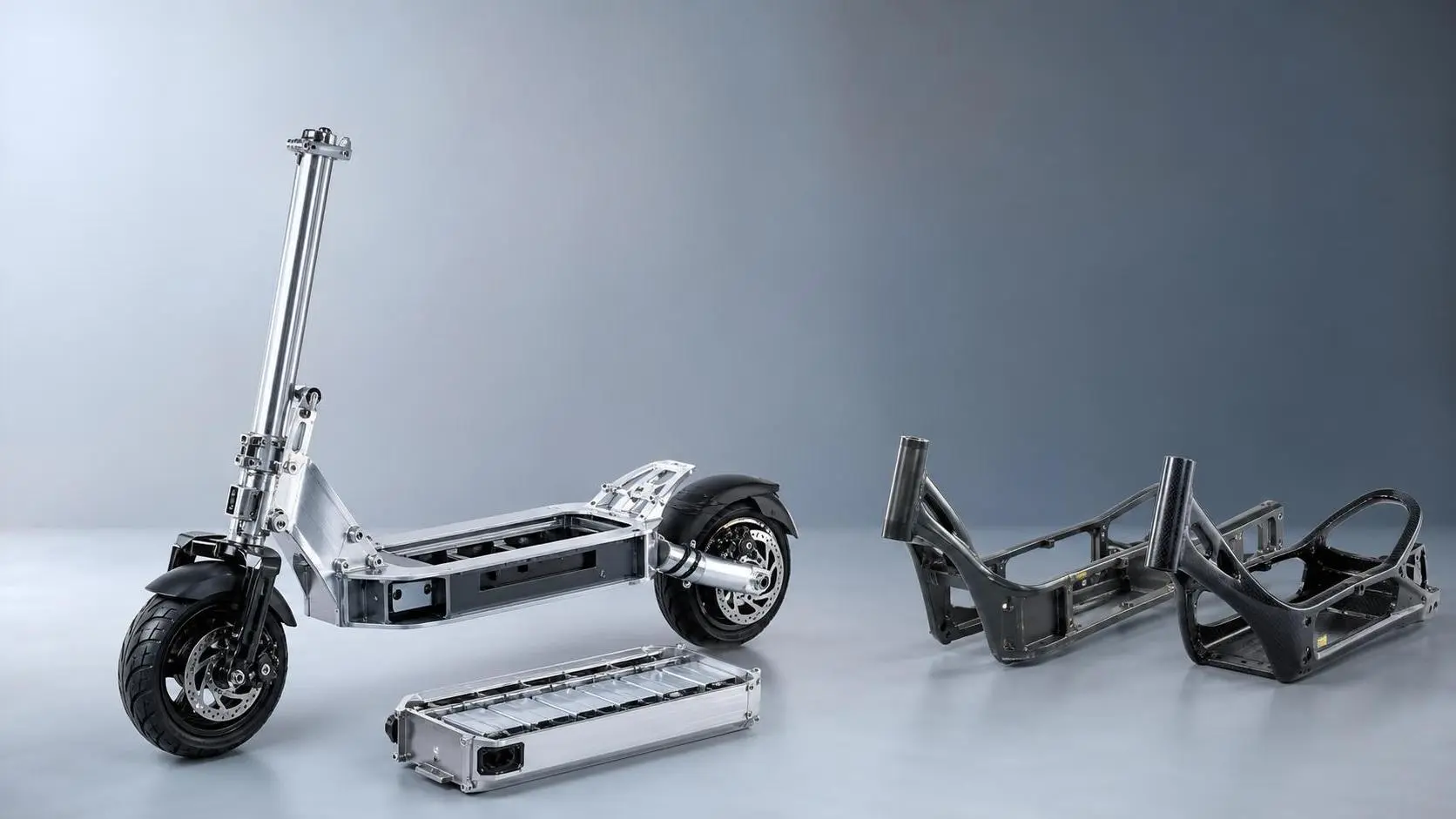
How to Choose Lightweight Scooter Frames in Europe: Materials, Standards, and Use Cases
Lightweight scooter frames Europe buyers need should balance materials, EN standards, durability, and real use cases. Discover how to choose safer, smarter, compliant frames.
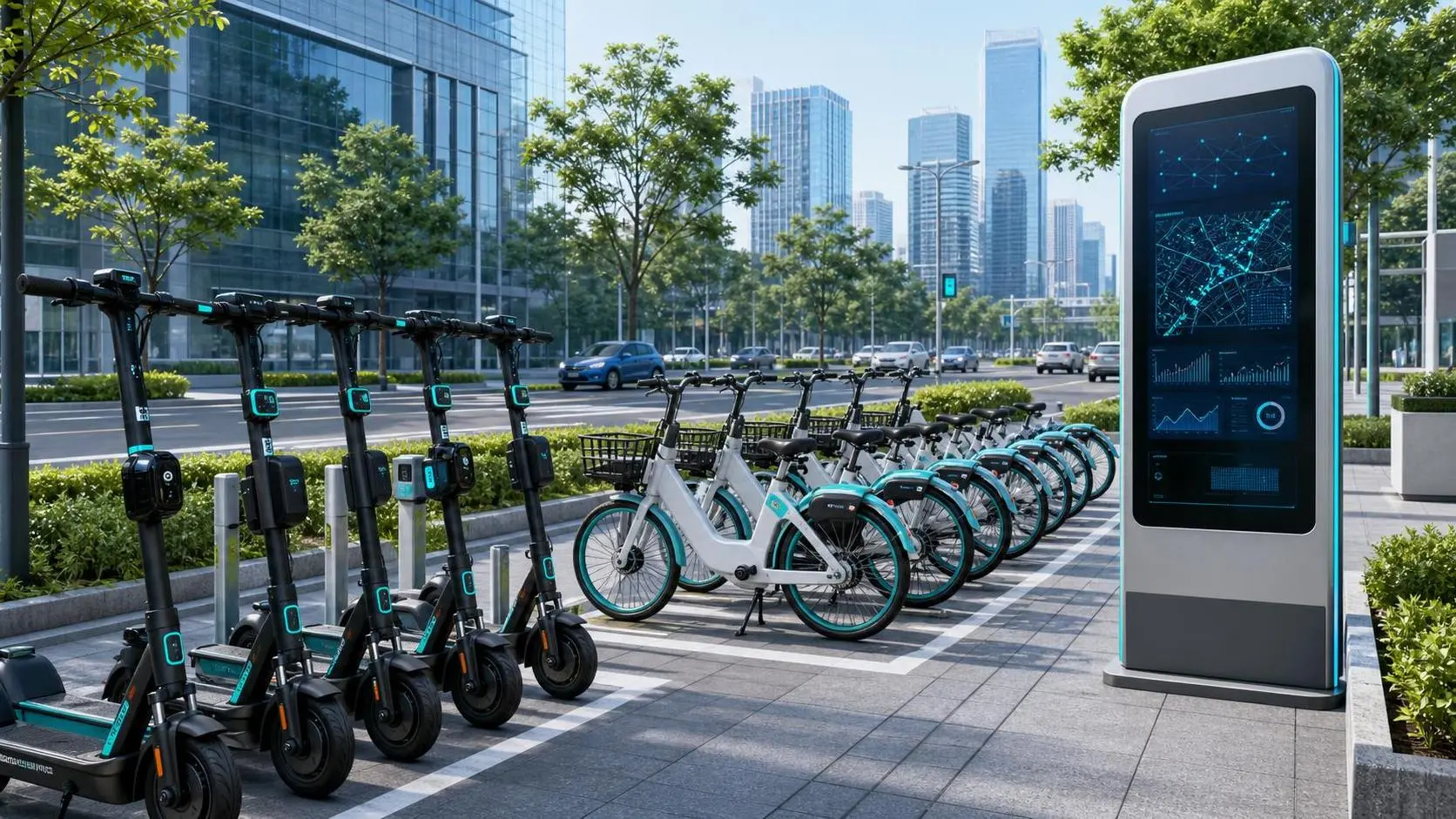
What Is the Intellectualization of Mobility Platform and How Is It Applied in Shared Fleets?
Intellectualization of mobility platform is reshaping shared fleets with real-time data, predictive maintenance, and smarter compliance—learn how it boosts safety, uptime, and urban mobility efficiency.
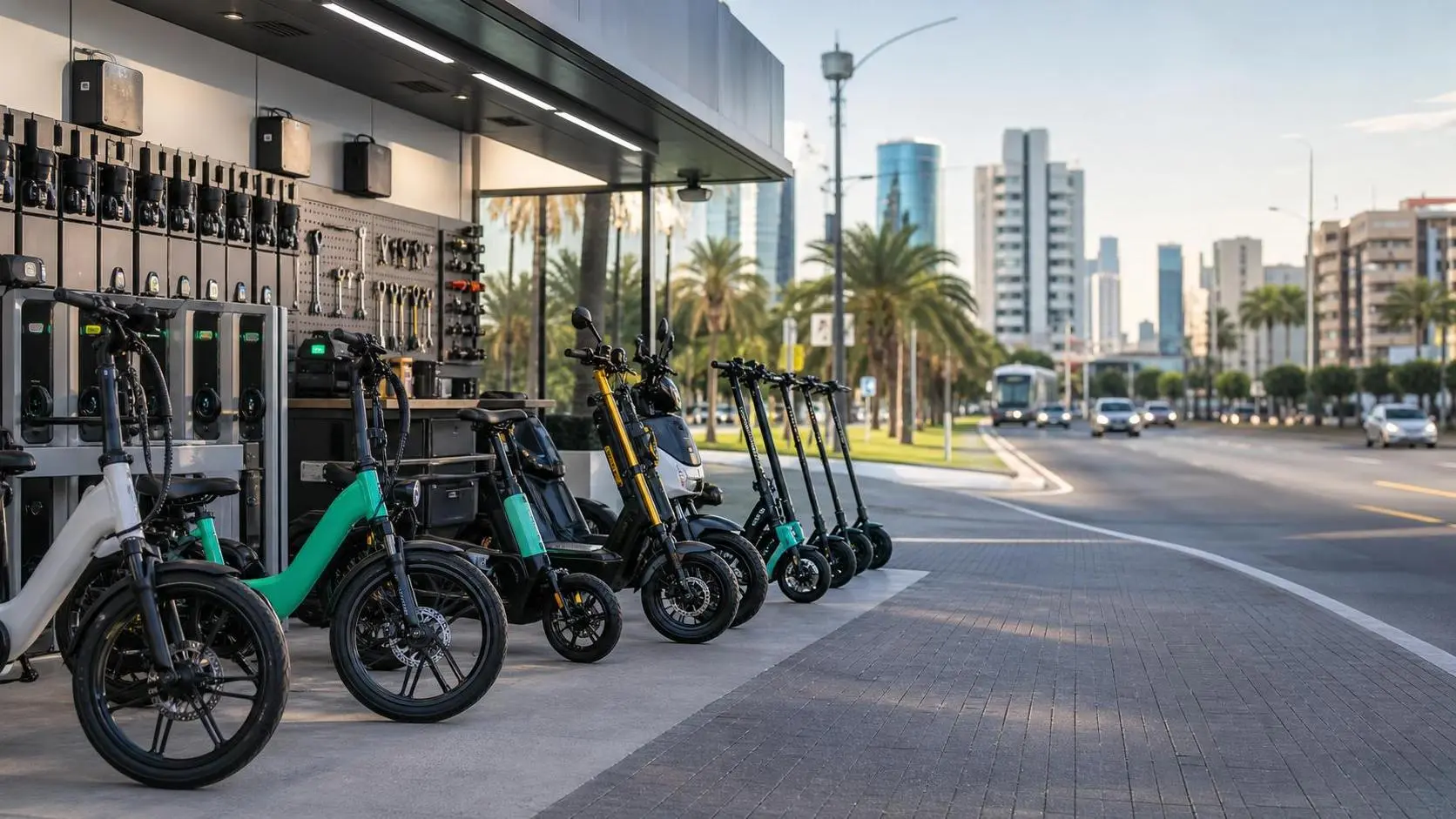
Urban Micro-Mobility Systems in Latin America: Key Market Drivers, Barriers, and Growth Segments
Urban micro-mobility systems Latin America are reshaping city transport. Explore key drivers, barriers, and high-growth segments to spot the region’s most investable opportunities.
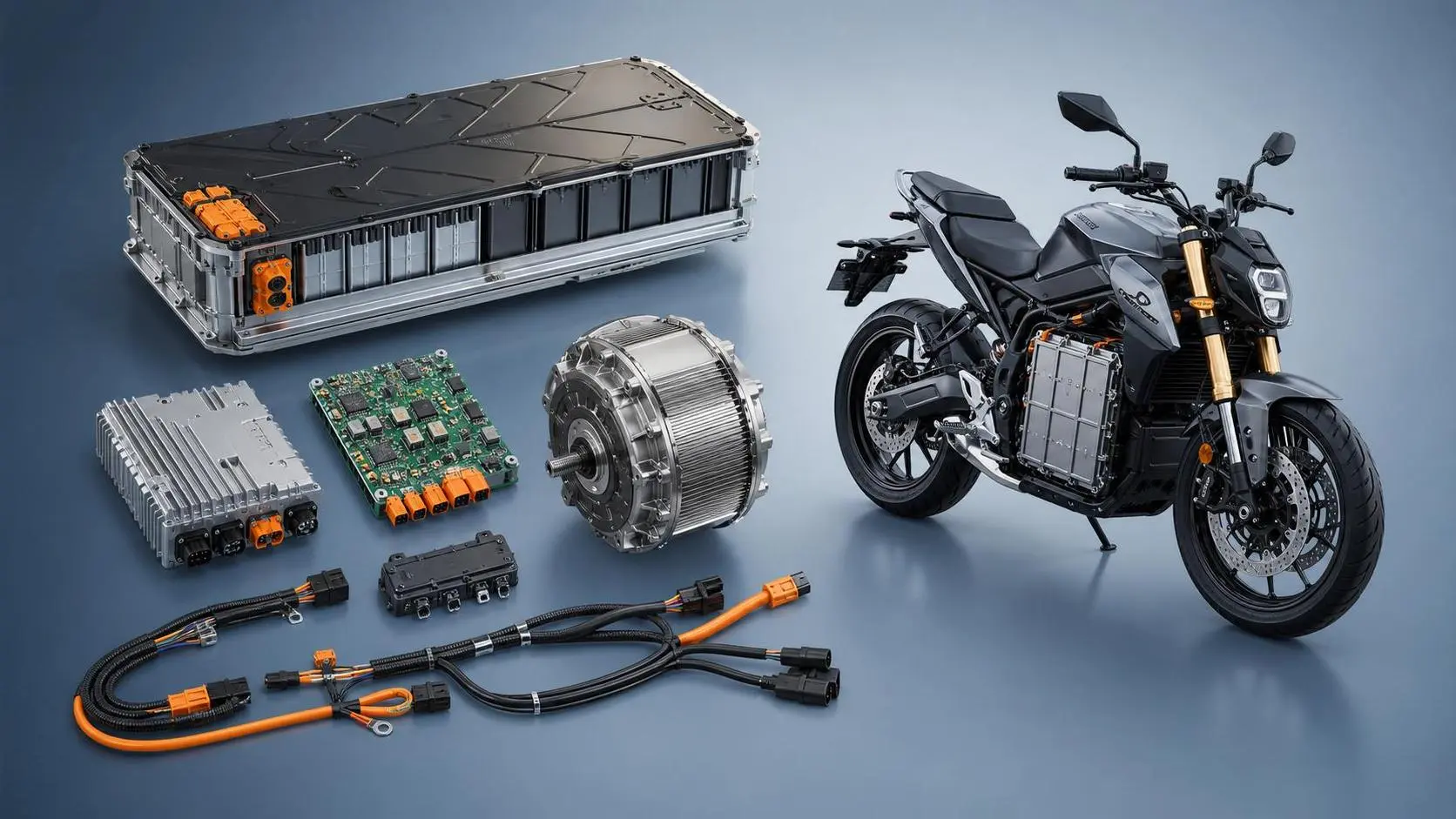
Electric Motorcycle Systems Price Breakdown: What Affects Cost From Battery to Controller?
Electric motorcycle systems price explained: see how battery, controller, motor, BMS, and wiring affect total cost, reliability, and sourcing value before you buy.
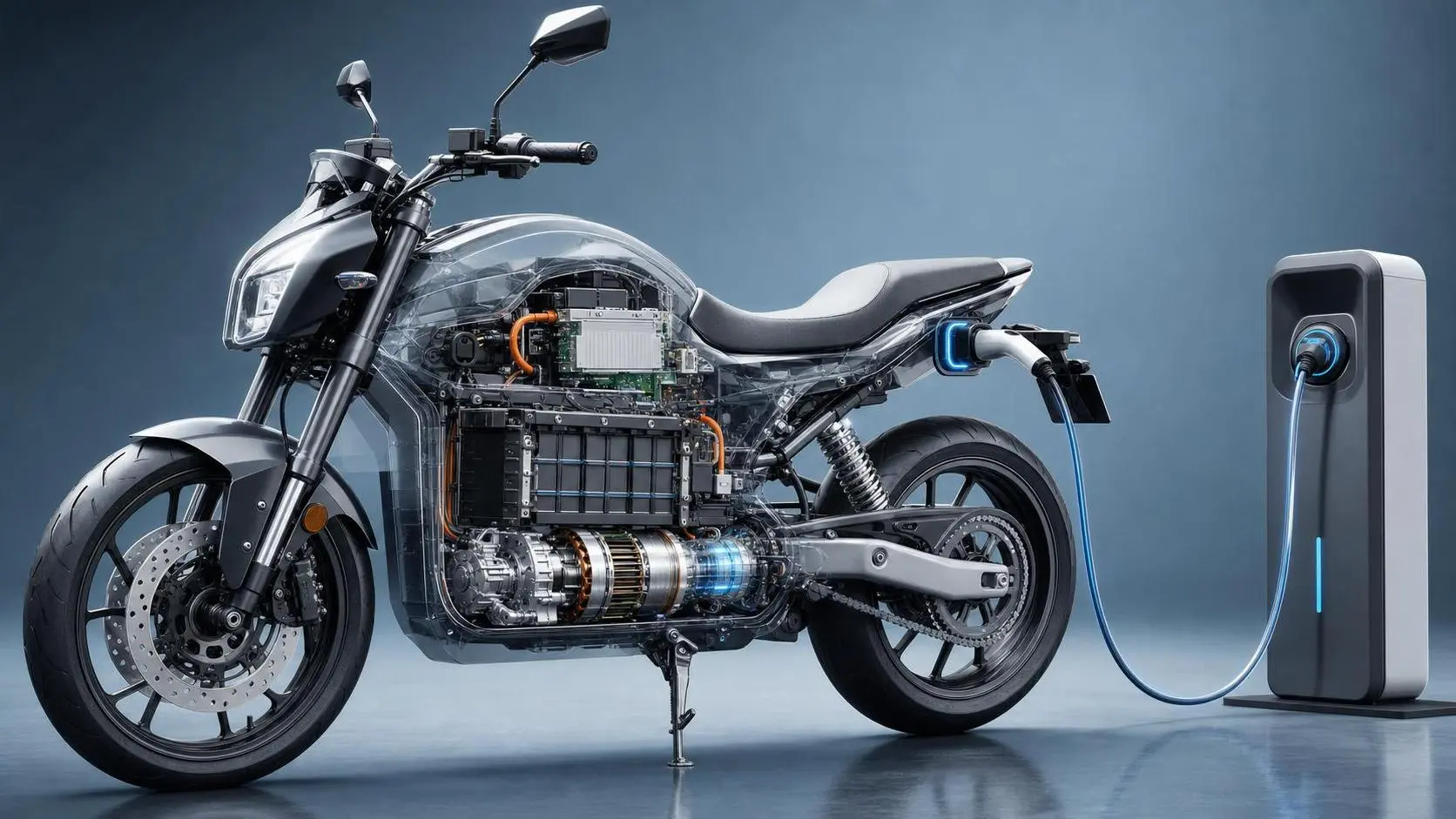
72V Electric Motorcycle Technology Explained: Motors, Controllers, Range, and Charging
Electric motorcycle technology 72V explained clearly: compare motors, controllers, range, battery design, and charging to choose a smoother, stronger, and smarter electric ride.
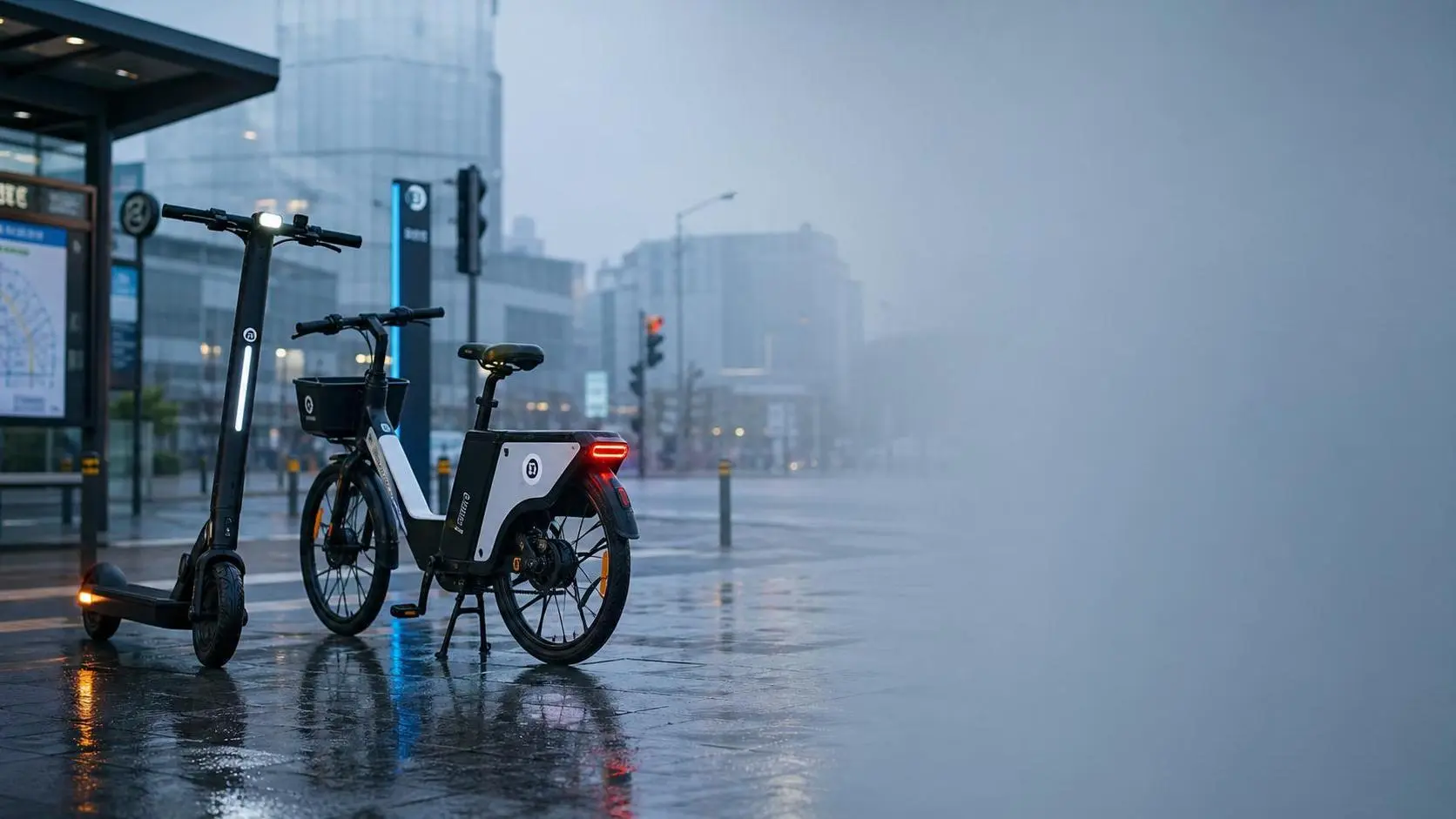
Where LED Urban Visibility Safety Systems Fit Best in Shared Scooters and City E-bikes
LED urban visibility safety systems deliver the most value in shared scooters and city e-bikes by improving multi-angle safety, fleet durability, and urban compliance across real-world routes.
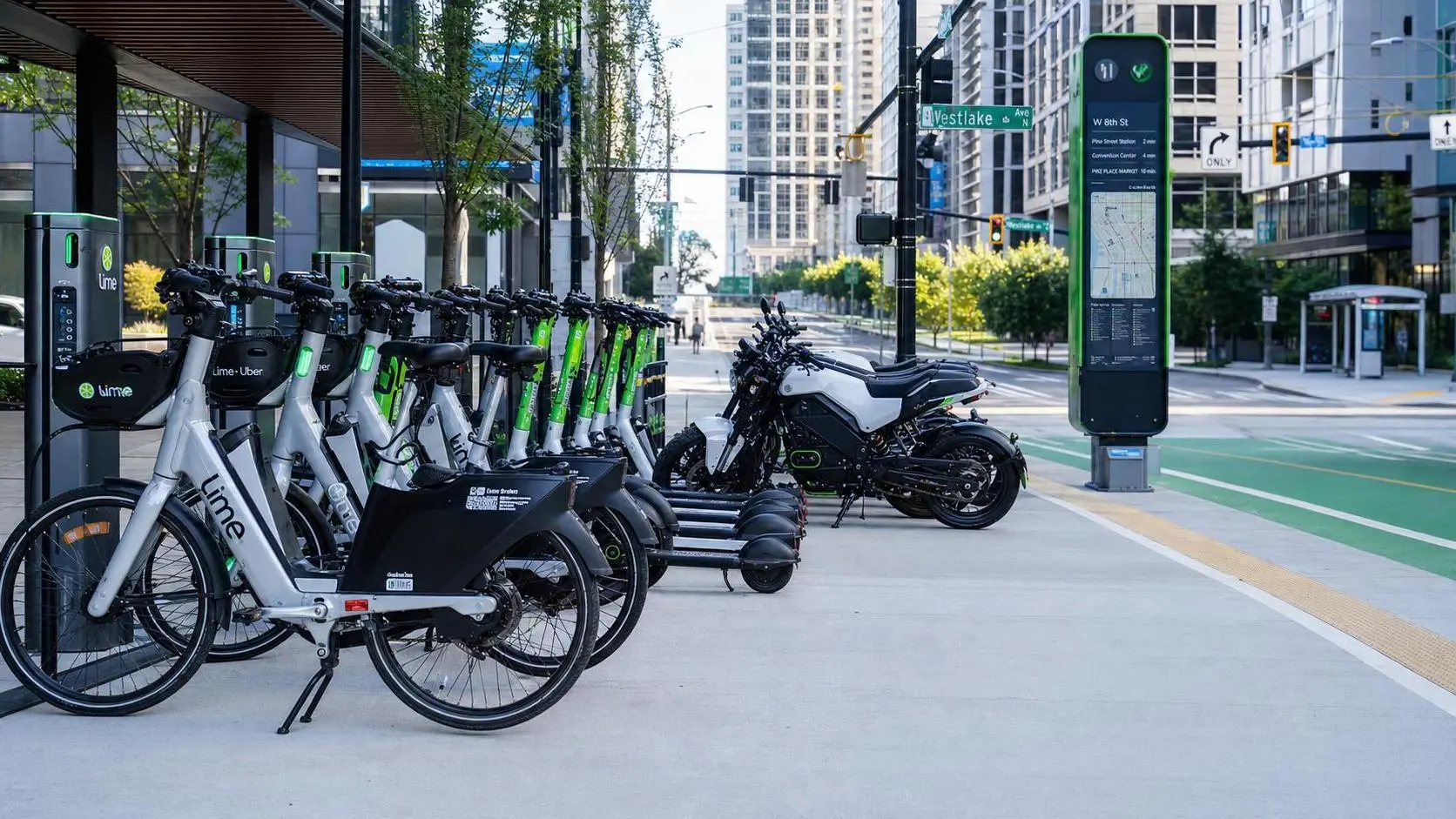
Intellectualization of Mobility in North America: What Is Driving Adoption Across Urban Transport?
Intellectualization of mobility North America is reshaping urban transport through data, smart fleets, and battery intelligence. Explore what is driving adoption and why cities and operators are accelerating now.
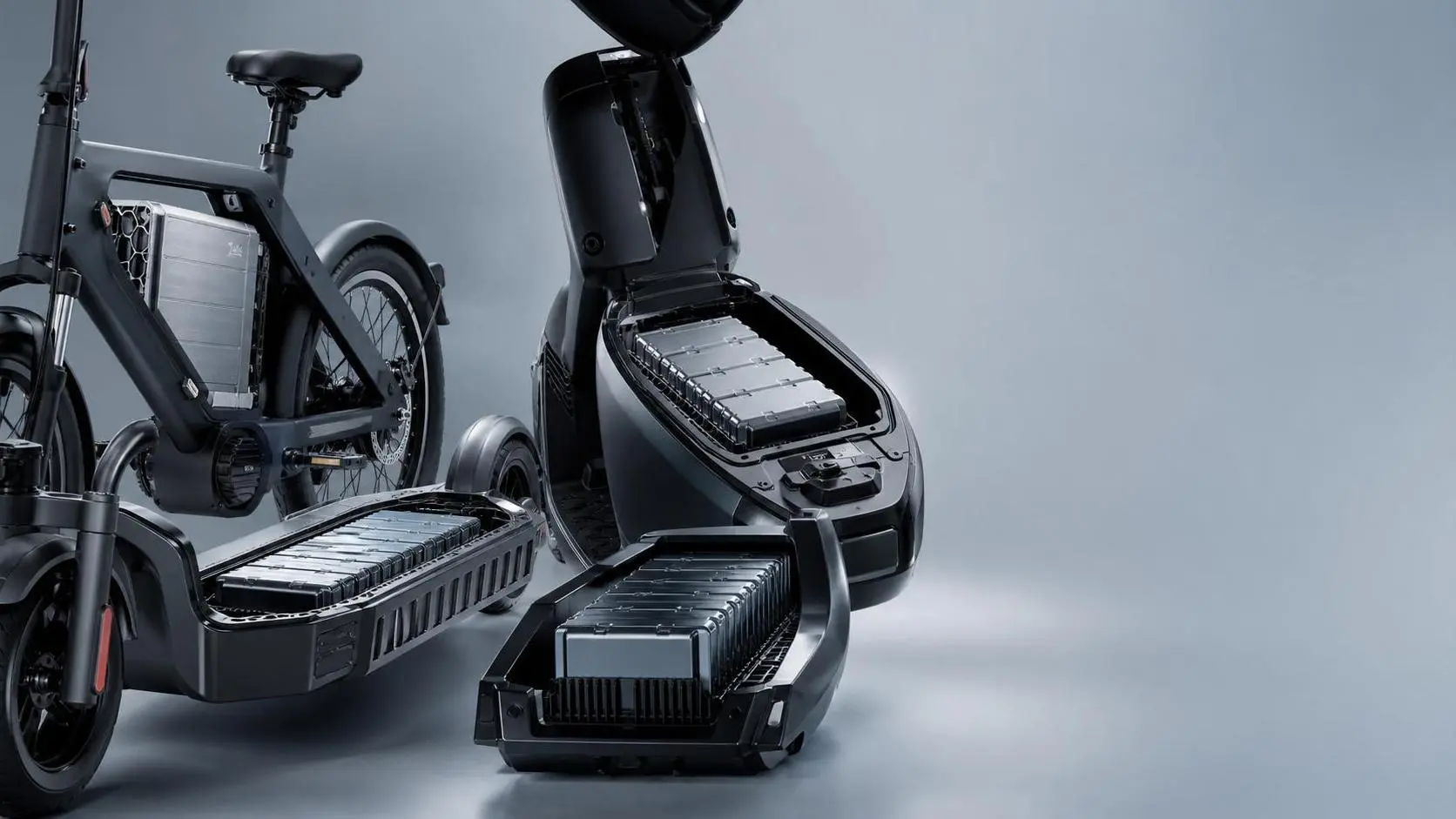
How to Choose a Compact Battery Pack: Size, Energy Density, Thermal Design, and Cycle Life
Compact battery pack selection starts with more than size. Learn how energy density, thermal design, and cycle life shape range, safety, and long-term value.
What Is Driving Green Two-wheelers Demand in Europe? Policy, Fuel Costs, and Buyer Segments
Green two-wheelers demand Europe is rising as policy support, fuel cost pressure, and diverse buyer segments reshape urban mobility. Explore the trends driving the next growth wave.