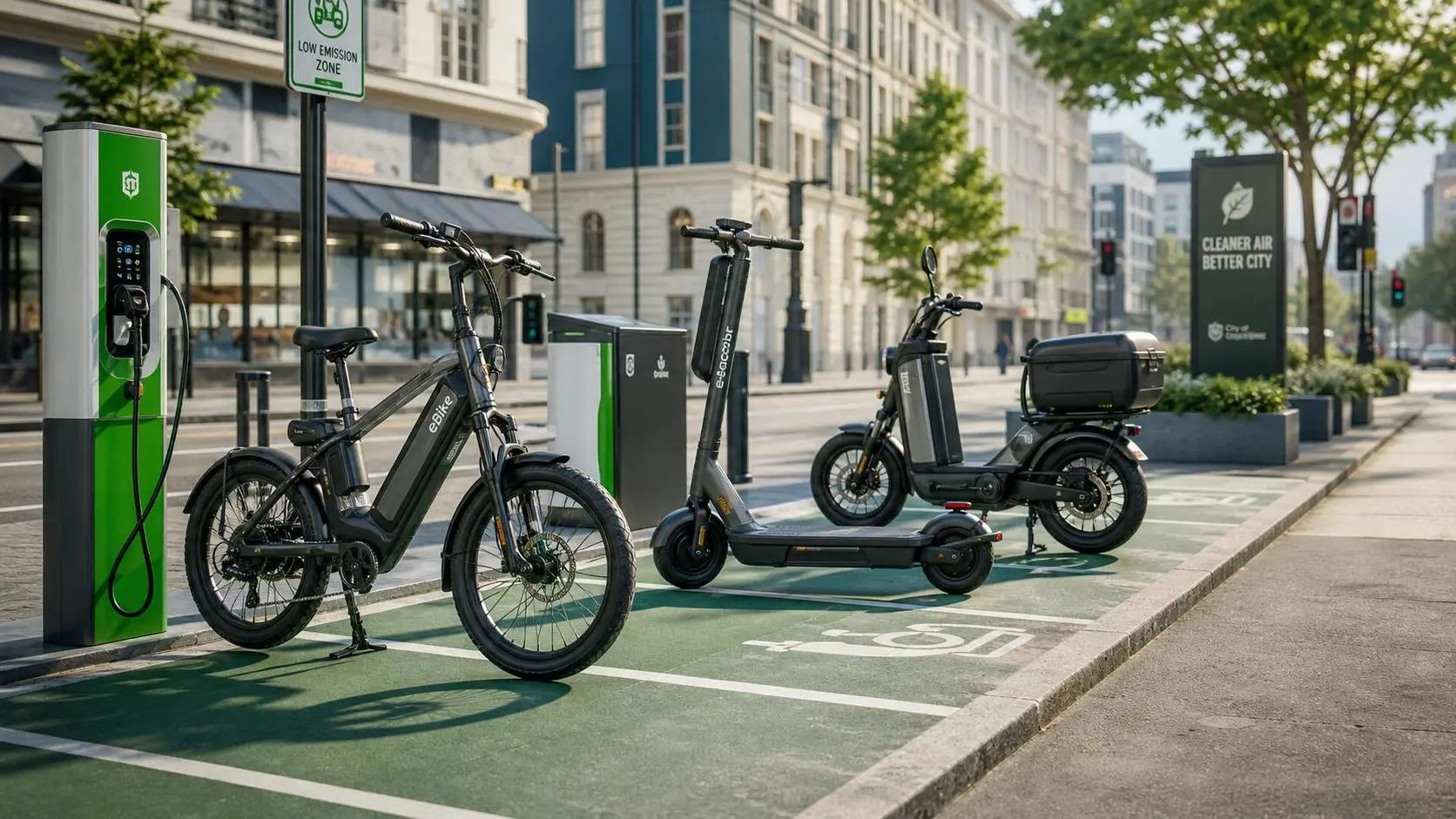
Battery safety in e-bikes, smart e-scooters, and high-speed e-motorcycles depends on more than cell chemistry or enclosure strength.
Effective thermal management controls heat generation, distribution, and dissipation across the pack, helping prevent accelerated aging, performance derating, and thermal runaway.
For technical evaluators, understanding how cooling structures, sensors, BMS algorithms, and duty cycles interact is essential to judging real-world battery stability.
The short answer: thermal management keeps batteries inside a safe operating window
Thermal management protects battery safety by preventing local temperatures from reaching levels where degradation, gas generation, separator damage, or thermal runaway can accelerate.
In micro-mobility vehicles, this matters because packs are compact, power demand is uneven, and riders often combine fast charging with aggressive urban acceleration.
A safe battery system does not simply stay cool during laboratory testing. It remains thermally controlled across climbing, braking, charging, storage, and aging conditions.
For evaluators, the main question is not whether a product has cooling. The question is whether its thermal strategy matches its actual electrical workload.
A well-designed system detects heat early, spreads it evenly, rejects it efficiently, and reduces current before the pack reaches dangerous conditions.
Why heat is a primary safety risk in micro-mobility battery packs
Lithium-ion cells generate heat during discharge and charging because of internal resistance, electrochemical polarization, and current flow through tabs, busbars, and connectors.
At moderate levels, heat mainly reduces efficiency and accelerates aging. At higher levels, it can initiate reactions that become difficult to stop.
The risk is amplified when one cell or module becomes hotter than its neighbors. A localized hot spot can weaken the entire pack’s safety margin.
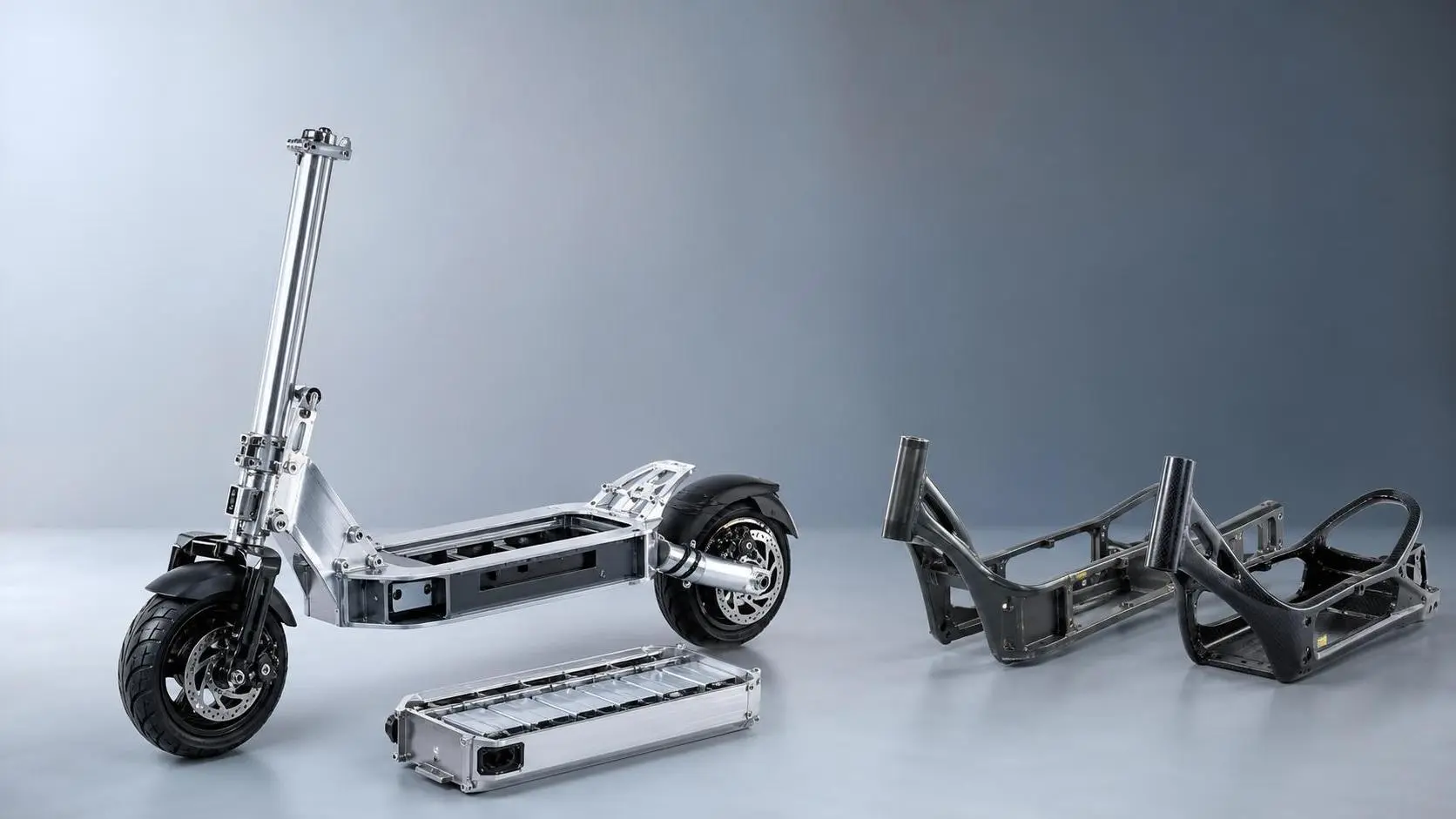
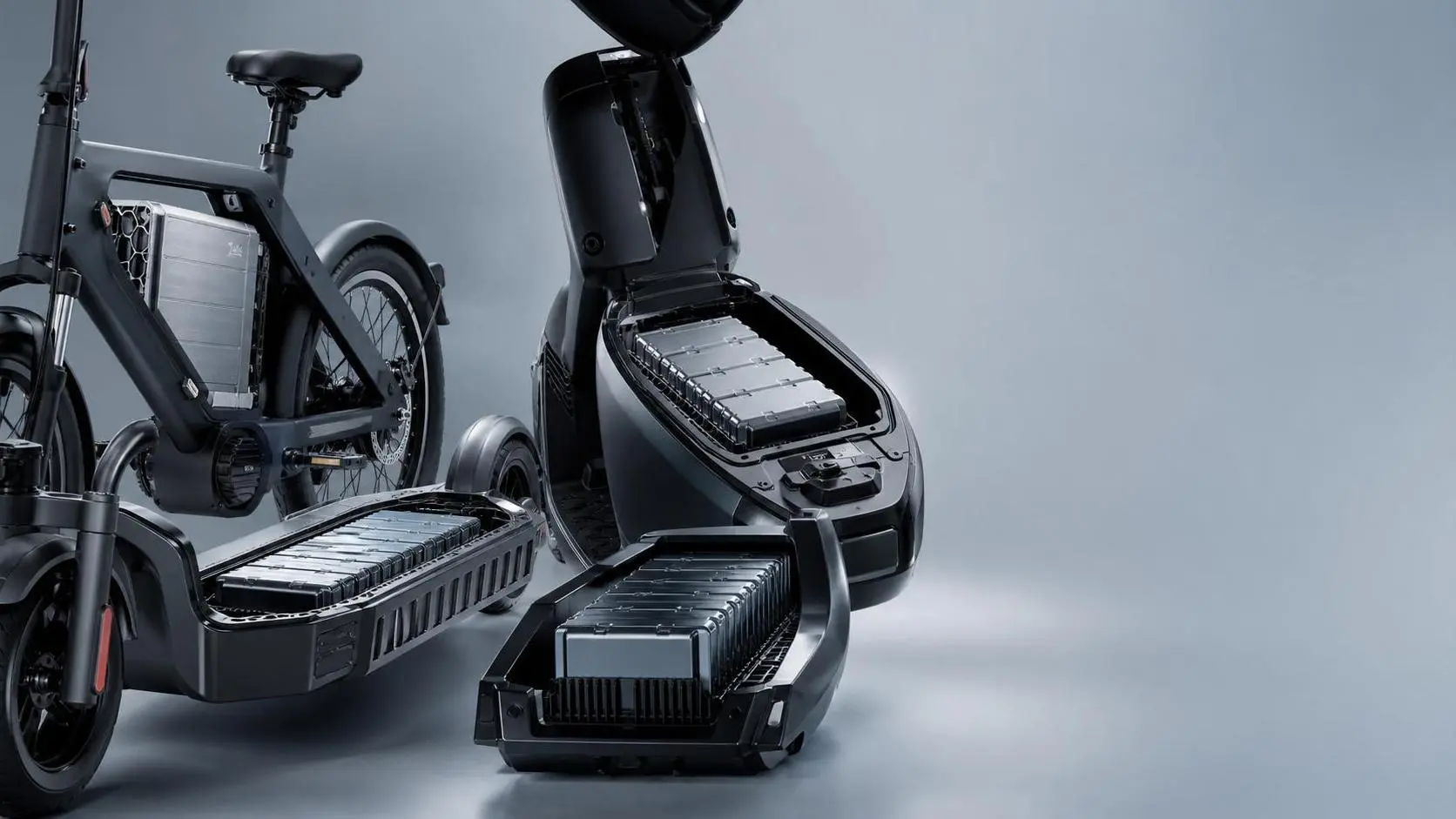
E-bikes and scooters often use dense battery packaging to reduce vehicle size and weight. Density improves range, but it also limits natural airflow.
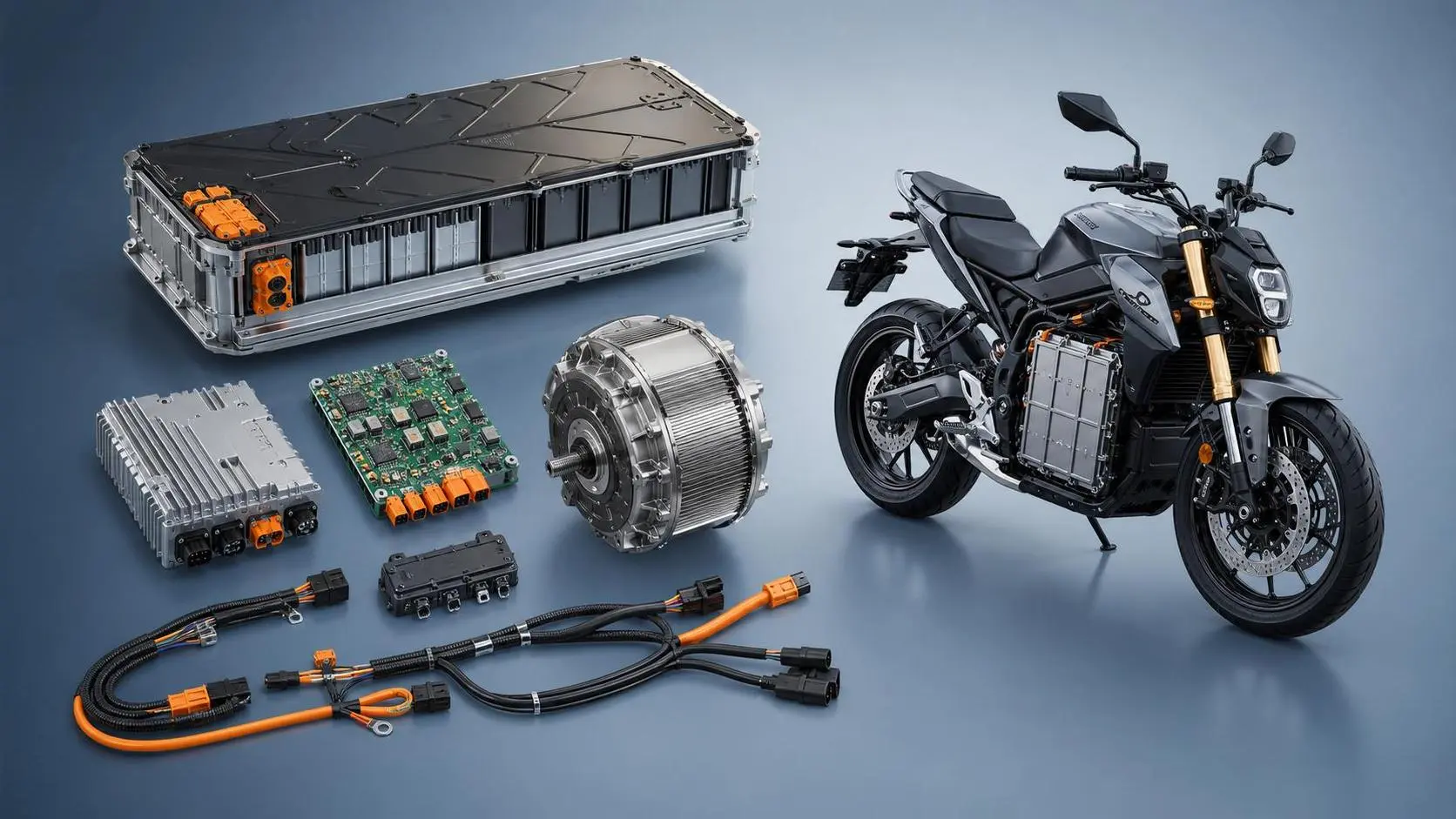
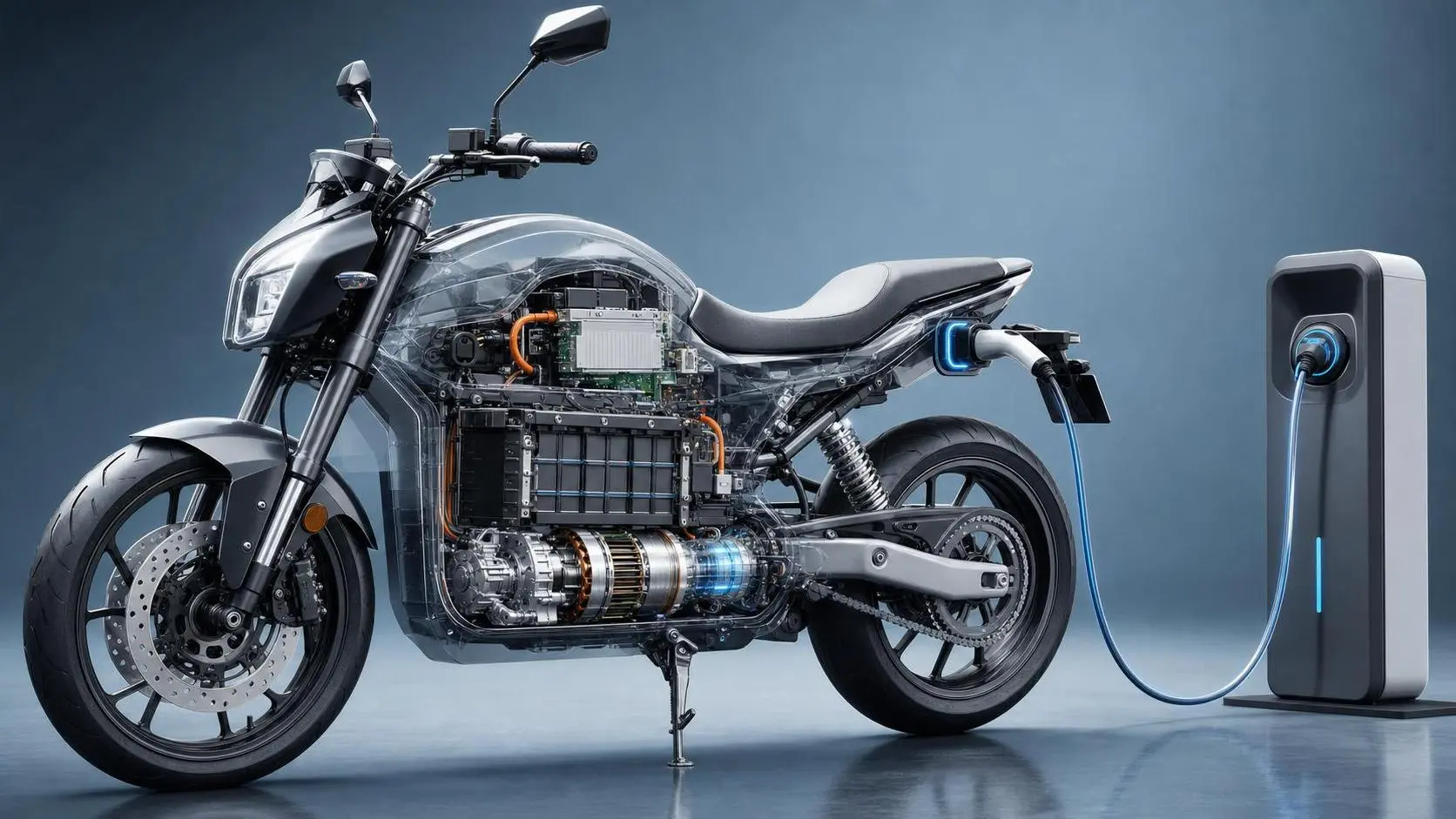
High-speed e-motorcycles face another challenge. Their packs must deliver sustained current, absorb regenerative braking energy, and sometimes support fast charging within short intervals.
Thermal management therefore acts as a safety layer between battery chemistry and real-world abuse, especially when user behavior is unpredictable or harsh.
What technical evaluators should look for first
The first evaluation point is temperature uniformity. A pack with low average temperature but severe internal gradients may still contain dangerous hot zones.
Evaluators should ask where sensors are located, what they measure, and whether they can detect worst-case cells rather than convenient surface positions.
The second point is derating logic. A battery management system should reduce charge or discharge current before temperature reaches a critical threshold.
The third point is heat path quality. Heat must move from cell cores to the enclosure or cooling medium without excessive thermal resistance.
The fourth point is validation under duty cycles. Flat-road testing is insufficient for vehicles used on hills, in traffic, or under payload variation.
A credible supplier should explain thermal limits with data, not slogans. Look for temperature maps, transient profiles, abuse tests, and aging correlations.
Heat generation: where the safety challenge begins
Battery heat begins inside each cell, but the system-level problem includes connections, welds, protection devices, power electronics, and pack mechanical interfaces.
High current increases resistive heating, especially during acceleration, hill climbing, or repeated stop-and-go riding common in urban micro-mobility routes.
Fast charging creates another heat source. Even when cells accept high current, uneven impedance can make some cells warm faster than others.
Aging worsens the problem because internal resistance typically increases over time. A pack that was thermally acceptable when new may degrade into risk.
Mechanical compression, vibration, moisture ingress, and manufacturing variation can also change heat generation patterns. Thermal management must tolerate these variations.
Heat spreading: why uniformity is as important as peak temperature
Many battery safety failures begin with imbalance, not overall overheating. One hot module can accelerate local degradation and create a feedback loop.
Heat spreading materials, cell holders, thermal pads, potting compounds, and module plates help distribute localized heat over a larger area.
Good spreading reduces cell-to-cell temperature differences, helping the BMS estimate state of charge and state of health more accurately.
Uniform temperature also improves charging safety. Cells at different temperatures accept current differently, which can increase imbalance and reduce protection accuracy.
However, spreading is not the same as cooling. It must be paired with a reliable route for heat to leave the pack.
Heat dissipation: passive, active, and hybrid approaches
Passive thermal management relies on conduction paths, aluminum housings, fins, airflow exposure, and material selection to remove heat without powered components.
This approach is common in e-bikes and shared scooters because it is compact, quiet, low cost, and generally more robust against maintenance neglect.
Active cooling uses fans, pumps, liquid circuits, or controlled airflow to increase heat rejection when passive structures are not enough.
High-speed e-motorcycles are more likely to need active or hybrid systems because their current levels and charging requirements are significantly higher.
Hybrid designs combine conductive spreading with controlled ventilation or liquid-assisted cooling, balancing reliability, energy consumption, serviceability, and thermal capacity.
The best choice depends on vehicle class, peak power, duty cycle, enclosure constraints, waterproofing targets, and expected ambient temperature range.
The BMS is the decision layer of thermal management
Mechanical cooling hardware cannot protect a battery alone. The battery management system interprets temperature data and decides when to intervene.
A capable BMS monitors cell voltages, pack current, temperature points, charging state, and fault signals to identify unsafe thermal trends early.
Protection actions may include current limiting, charge interruption, discharge cutoff, warning signals, or communication with the vehicle controller.
Advanced algorithms can estimate internal cell temperature, not only surface temperature, improving response during rapid current changes or fast charging.
For evaluators, a key issue is calibration. Overly conservative limits reduce usability, while permissive limits increase safety risk under real conditions.
The strongest systems integrate BMS logic with motor control, charger behavior, and user warnings, rather than treating the battery as isolated hardware.
Fast charging raises the standard for thermal protection
Fast charging is attractive for fleet operators and performance riders, but it narrows the margin between convenience and thermal stress.
During high-rate charging, lithium plating risk, cell imbalance, and elevated internal temperature can combine into a serious safety concern.
Thermal management must ensure that current is reduced when cells are too cold, too hot, or thermally uneven across the module.
Pre-charge checks should include temperature validation, voltage consistency, insulation status, and communication between charger and BMS.
A pack advertised as fast-charge capable should show repeatable thermal data across multiple cycles, not only a single controlled demonstration.
Evaluators should also examine connector heating, cable sizing, contact resistance, and charger fault response, because failures can occur outside the cells.
Thermal runaway prevention depends on both design and containment
Thermal runaway occurs when heat-producing reactions inside a cell become self-sustaining, often spreading if neighboring cells absorb enough energy.
Thermal management lowers the probability of reaching initiation conditions, but responsible design also considers what happens if a cell fails.
Propagation-resistant layouts use spacing, barriers, vent paths, flame-retardant materials, and module segmentation to slow or prevent chain reactions.
Venting design is especially important in compact vehicles. Gas must be directed away from riders, electronics, and ignition sources.
A safety evaluation should distinguish prevention from mitigation. A mature pack strategy includes both avoiding abnormal heat and limiting consequences.
Real-world duty cycles reveal weaknesses laboratory averages can hide
Urban micro-mobility vehicles rarely operate at steady power. They accelerate, brake, climb curbs, wait in traffic, and restart repeatedly.
Shared scooters may experience multiple users, poor charging discipline, outdoor storage, impacts, and operation in rain or high summer temperatures.
E-bike users may overload cargo racks, climb long grades, or use high assist levels continuously beyond the assumed commuter profile.
High-speed e-motorcycles may combine sustained highway speeds with fast charging, creating demanding thermal cycles for cells and power electronics.
Technical evaluators should request testing that reflects these patterns. Continuous discharge at a single rate is useful, but not sufficient.
Transient thermal response matters because short peaks can accumulate heat faster than the enclosure can reject it.
Environmental conditions change the safety equation
Ambient temperature strongly affects battery safety. A pack safe at 25°C may operate very differently at 40°C under direct sunlight.
Cold conditions also matter. Charging lithium-ion cells at low temperatures can increase plating risk, even when surface heating appears modest.
Waterproof enclosures improve durability but can trap heat. Designers must balance ingress protection with thermal conduction and pressure relief.
Dust, mud, and road debris can reduce airflow around housings or block cooling features, especially on scooters and utility e-bikes.
Evaluators should consider the target market. A design suitable for Northern Europe may not be adequate for tropical delivery fleets.
Materials and mechanical design directly affect thermal safety
Cell format, module structure, potting strategy, enclosure material, and mounting position all influence how heat moves through the battery system.
Cylindrical cells require attention to sidewall contact and spacing. Pouch and prismatic cells require compression control and broad surface heat paths.
Aluminum housings often improve heat rejection, but they require careful insulation, sealing, corrosion protection, and impact design.
Thermal interface materials must maintain performance despite vibration, aging, moisture, compression set, and repeated heating cycles.
Mechanical design should not create thermal bottlenecks. A strong enclosure that traps heat can still undermine battery safety.
How thermal management supports longer service life
Safety and durability are closely connected. Cells exposed to high temperature age faster, increasing resistance and creating more heat during use.
This feedback loop reduces range, weakens peak power, and may force earlier derating, which affects user satisfaction and fleet economics.
By keeping temperature moderate and uniform, thermal management slows capacity fade and preserves more predictable pack behavior over time.
For operators, this means fewer premature replacements, lower warranty exposure, and more stable vehicle availability across seasons.
For technical evaluators, life-cycle thermal data is often more valuable than a short peak-performance test.
Common warning signs of weak thermal management
A battery system may be under-designed if it frequently derates during normal riding, even when ambient temperature is not extreme.
Large temperature differences between sensors, unexplained charging interruptions, swollen modules, hot connectors, or inconsistent range can also indicate thermal issues.
Another warning sign is vague documentation. Suppliers should provide thresholds, sensor placement rationale, cooling path descriptions, and fault response logic.
If the manufacturer cannot explain how heat moves from cells to the environment, the safety case is incomplete.
Thermal management should be verifiable through measurements, simulation correlation, and repeatable tests, not treated as a marketing feature.
A practical evaluation checklist for battery thermal safety
Start by identifying maximum continuous current, peak current duration, charging rate, expected ambient range, and vehicle operating profile.
Review the cell manufacturer’s temperature limits, then compare them with pack-level limits, derating points, and shutdown thresholds.
Inspect thermal paths from cells to module structures, from modules to enclosure, and from enclosure to surrounding air or coolant.
Check sensor count, location, redundancy, accuracy, sampling rate, and whether sensor placement reflects worst-case thermal zones.
Evaluate BMS actions under overtemperature, undertemperature charging, sensor failure, charger mismatch, overcurrent, and communication loss.
Request test results for hill climbing, fast charging, hot soak, cold charging prevention, vibration, water ingress, and aging after thermal cycling.
Finally, confirm that service procedures preserve the thermal design. Poor repairs, wrong pads, or loose fasteners can defeat original protection.
What good thermal management looks like in each vehicle category
For e-bikes, the priority is compact passive cooling, reliable BMS limits, moisture resistance, and safety under long climbs or cargo loads.
For smart e-scooters, durability under shared use is critical. Thermal design must tolerate impacts, outdoor charging, vandalism, and inconsistent maintenance.
For high-speed e-motorcycles, evaluators should expect more advanced thermal modeling, stronger heat rejection, and deeper integration with powertrain control.
Across all categories, the best design is not always the most complex. It is the one matched to realistic power demand and risk.
Conclusion: thermal management is a core safety system, not an accessory
Thermal management protects battery safety by controlling heat at every stage: generation, spreading, dissipation, sensing, decision-making, and fault response.
For technical evaluators, the strongest evidence is not a claim of cooling technology, but data proving stable behavior under realistic stress.
A safe micro-mobility battery pack maintains temperature uniformity, derates intelligently, prevents unsafe charging, and limits propagation if a cell fails.
As e-bikes, smart scooters, and electric motorcycles become faster and more energy dense, thermal management will define both safety and market credibility.