
Related News
- 00
0000-00
72V Electric Motorcycle Technology Explained: Motors, Controllers, Range, and Charging - 00
0000-00
High-speed Electric Motorcycles with Swappable Battery: What to Check Before Commercial Deployment - 00
0000-00
Urban Electric Motorcycle Buying Guide: Range, Top Speed, Licensing, and Daily Use - 00
0000-00
Electric Motorcycle Battery Trends: Cell Chemistry, Fast Charging, and Pack Design Shifts - 00
0000-00
What Causes Torque Lag in Electric Two-Wheelers and How Can Engineers Reduce It?
Electric Powertrain Analyst
Weekly Insights
Stay ahead with our curated technology reports delivered every Monday.
Is electric motorcycle technology ready for daily use?





Is Electric Motorcycle Technology Ready for Daily Use?
Electric motorcycle technology is moving quickly from niche innovation to practical daily transport, but daily readiness still depends on real-world conditions.
Range, charging access, battery durability, safety systems, maintenance costs, and riding comfort now shape the decision more than novelty.
Across dense cities, cleaner two-wheel mobility is no longer a side trend. It is becoming part of urban traffic redesign.
For commuters, delivery riders, and weekend users, electric motorcycle technology can already deliver strong value when matched with the right usage pattern.
The Daily-Use Question Is No Longer Theoretical
The biggest shift is psychological. Riders increasingly compare electric models with gasoline motorcycles on convenience, not only emissions.
Earlier electric motorcycles suffered from limited range, slow charging, high prices, and uncertain service networks.
Today, electric motorcycle technology has improved through better lithium-ion packs, more efficient controllers, stronger motors, and smarter thermal management.
Urban trips are also changing. Many daily journeys are short, predictable, and repeated through the same corridors.
That pattern favors electric motorcycle technology because charging and range planning become easier when travel behavior is stable.
However, readiness is uneven. A city rider with home charging faces a different reality from a rural rider covering long distances.
Trend Signals Showing The Market Is Maturing
Several signals suggest electric motorcycle technology is entering a practical adoption phase rather than remaining an experimental category.
- Battery energy density is improving while pack management becomes more precise.
- Mid-range models now cover typical urban commuting needs with reserve capacity.
- Fast-charging, workplace charging, and battery swapping are expanding in selected regions.
- Connected dashboards provide battery health, route data, diagnostics, and theft alerts.
- Regulators are supporting low-emission two-wheelers through access rules and incentives.
These signals matter because daily transport requires reliability, not just impressive acceleration or futuristic styling.
Electric motorcycle technology is strongest where traffic congestion, short commutes, and strict emissions policies overlap.
Why The Technology Is Becoming More Usable
The transition is driven by engineering gains and changing city behavior. Both forces reinforce each other.
These improvements make electric motorcycle technology more predictable, which is essential for everyday confidence.
Still, technology alone cannot solve every barrier. Infrastructure and user habits remain equally important.
Range Is Ready For Many Riders, But Not All
For daily commuting, the key question is not maximum advertised range. It is dependable real-world range.
Cold weather, high speeds, passenger weight, hills, tire pressure, and aggressive acceleration can reduce range meaningfully.
Electric motorcycle technology performs best when riders choose a model with at least 30% range reserve beyond normal needs.
A commuter traveling 40 miles daily should avoid a motorcycle that only promises 45 miles under ideal conditions.
For city riders, many current models provide enough range for commuting, errands, and evening detours.
For highway-heavy use, the answer is more cautious. Sustained high speed consumes energy quickly and demands larger battery packs.
Charging Access Determines Practical Readiness
Charging is the daily-use dividing line. A good electric motorcycle becomes frustrating if charging is unreliable.
Home charging remains the most convenient scenario. Overnight charging turns the vehicle into a full-energy commuter each morning.
Apartment riders may face more complications. Shared parking, limited outlets, and building restrictions can weaken the ownership experience.
Battery swapping can solve this in dense markets, especially for commercial fleets and high-mileage riders.
However, swapping only works when standards, station density, and battery compatibility are well coordinated.
Electric motorcycle technology is ready for daily use when charging fits naturally into the rider’s existing routine.
Reliability And Maintenance Are Strong Advantages
Electric drivetrains have fewer moving parts than internal combustion systems. This reduces routine service complexity.
There is no oil change, spark plug replacement, fuel filter service, or exhaust maintenance.
Brake wear can also decline when regenerative braking is well calibrated and used consistently.
Yet maintenance is not zero. Tires, brake pads, suspension, bearings, belts, chains, and software checks still matter.
Battery health is the main long-term variable. Heat, deep discharges, poor storage, and excessive fast charging can accelerate degradation.
Quality electric motorcycle technology depends on cell chemistry, pack design, sealing, cooling, and accurate battery monitoring.
Safety Has Improved, But Rider Awareness Still Matters
Modern electric motorcycles can include ABS, traction control, ride modes, regenerative braking settings, and connected security systems.
Instant torque is useful in traffic, but it requires controlled throttle mapping and rider discipline.
Quiet operation is a benefit in cities, but pedestrians may not hear the motorcycle approaching.
Visibility, defensive riding, lighting quality, and horn effectiveness remain critical for daily urban use.
Thermal safety is another consideration. Reliable electric motorcycle technology should include overcurrent protection, waterproofing, insulation monitoring, and certified charging components.
Daily readiness depends on engineering quality and responsible usage, not only headline specifications.
Impact Across Commuting, Delivery, Leisure, And Urban Systems
For commuters, electric motorcycle technology can reduce fuel spending, simplify maintenance, and improve traffic flexibility.
For delivery operations, predictable routes and centralized charging make electrification especially attractive.
For leisure riders, acceleration is exciting, but charging availability near scenic routes remains a limitation.
For cities, electric motorcycles can reduce local emissions and noise while supporting low-carbon mobility goals.
The broader impact reaches component suppliers, battery platforms, charging operators, insurers, and smart mobility data services.
As adoption grows, electric motorcycle technology becomes part of a larger micro-mobility ecosystem, not a standalone product category.
What To Check Before Relying On One Every Day
The best decision starts with usage reality. Specifications should be tested against personal routes, climate, speed, and charging options.
- Confirm real-world range at typical speed, not only laboratory figures.
- Check charging time using the outlet or charger actually available.
- Review battery warranty terms, degradation coverage, and replacement cost.
- Evaluate service network access for diagnostics and critical repairs.
- Test seat comfort, suspension response, storage options, and passenger capability.
- Ask whether software updates require dealer visits or remote installation.
A practical electric motorcycle technology choice should match daily habits before matching lifestyle ambitions.
How To Judge The Next Stage Of The Trend
The next phase will be defined by affordability, infrastructure density, and battery lifecycle transparency.
These indicators show whether electric motorcycle technology is becoming universally practical or mainly city-specific.
The strongest near-term growth will likely occur in urban corridors with supportive regulation and dense charging access.
So, Is It Ready For Daily Use?
Yes, electric motorcycle technology is ready for many daily riders, especially those with predictable routes and reliable charging.
It is less ready for users who depend on long highway trips, uncertain parking, or remote-area refueling flexibility.
The practical answer is conditional, not negative. The technology has matured, but the ownership environment must support it.
Before switching, map weekly mileage, identify charging windows, compare service access, and calculate total ownership costs.
When those factors align, electric motorcycle technology can already be cleaner, quieter, cheaper to run, and highly enjoyable.
For deeper mobility intelligence, follow UMMS insights on electrified two-wheelers, battery systems, and urban micro-mobility evolution.
Related News
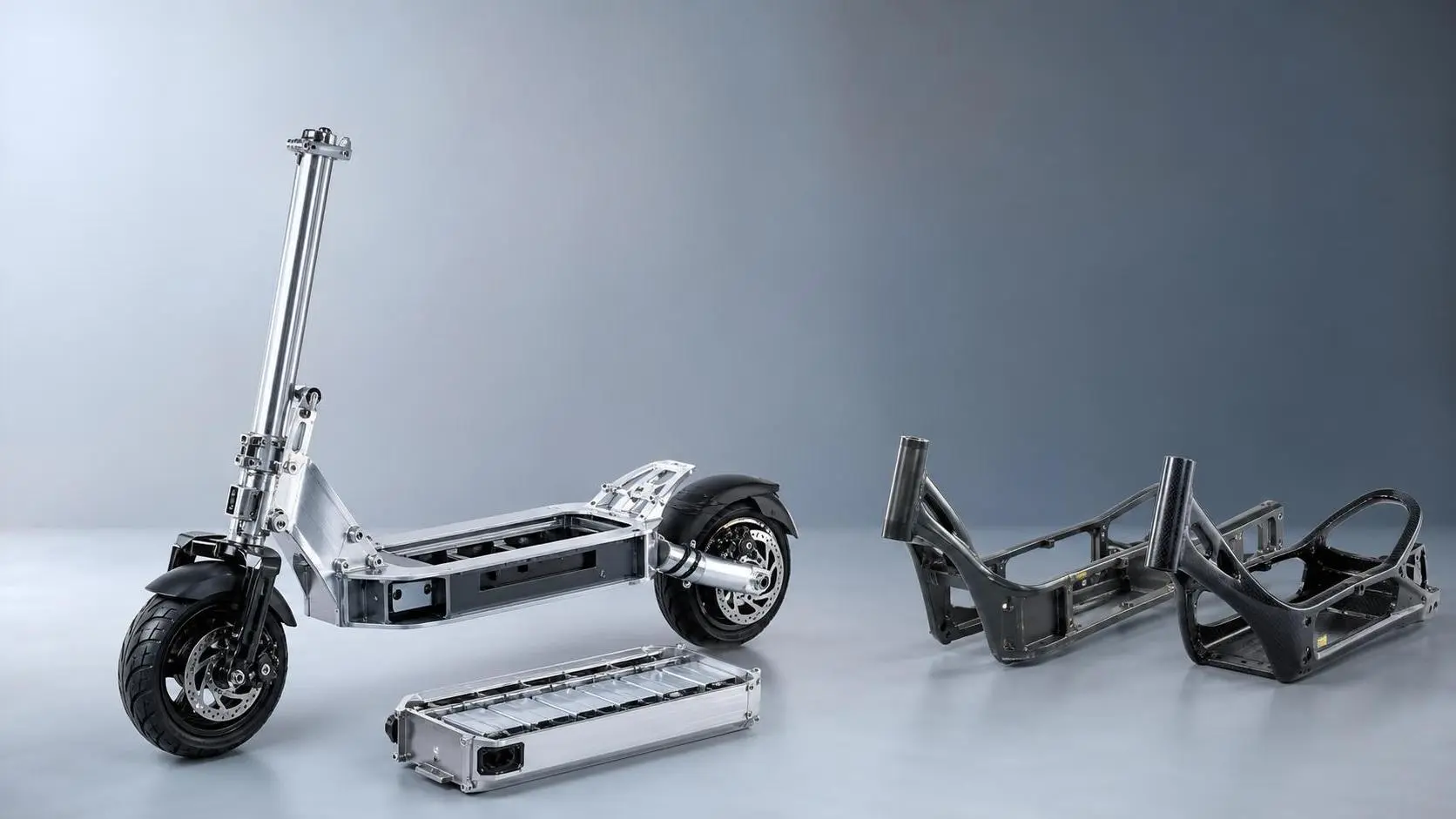
How to Choose Lightweight Scooter Frames in Europe: Materials, Standards, and Use Cases
Lightweight scooter frames Europe buyers need should balance materials, EN standards, durability, and real use cases. Discover how to choose safer, smarter, compliant frames.
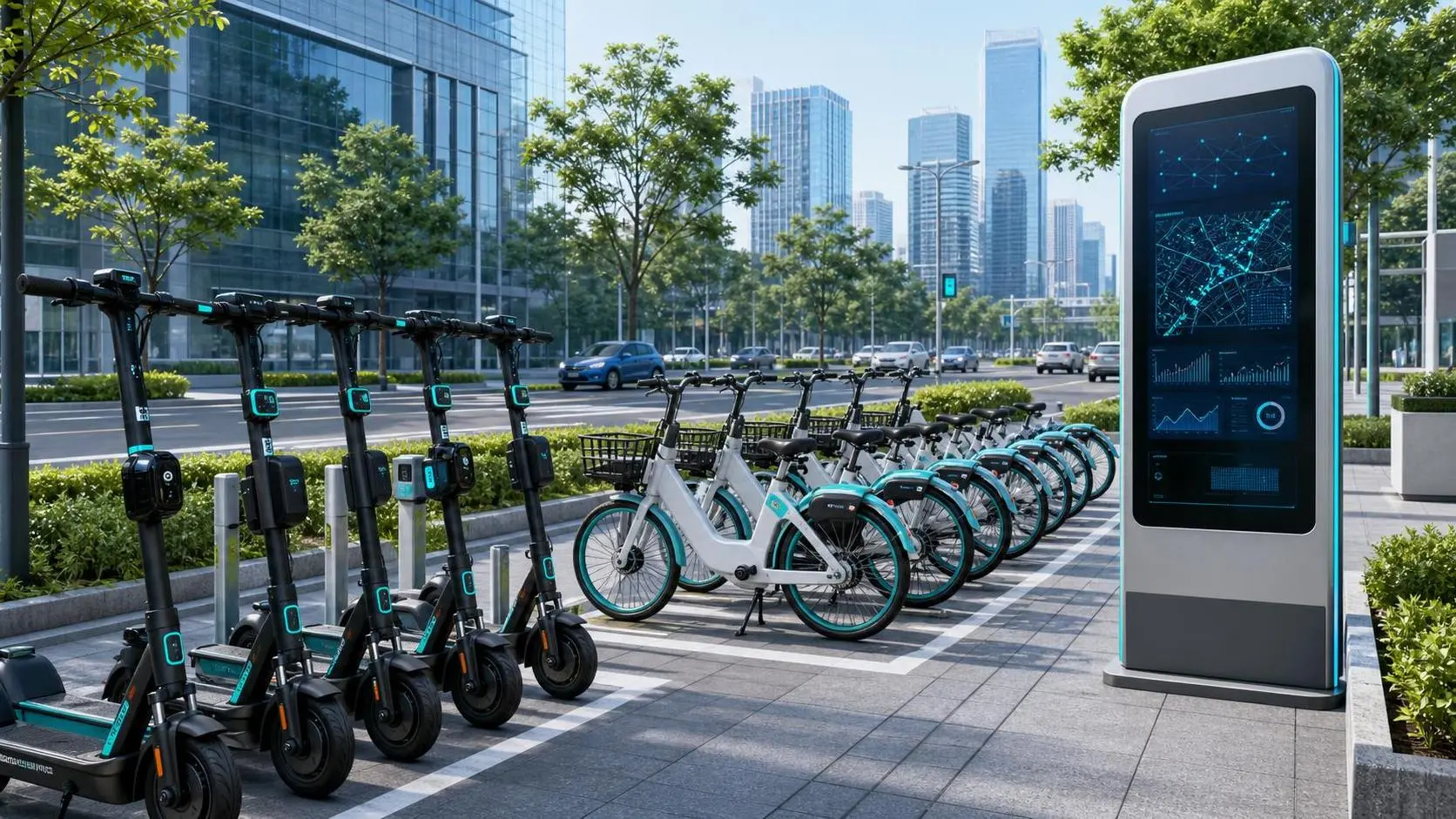
What Is the Intellectualization of Mobility Platform and How Is It Applied in Shared Fleets?
Intellectualization of mobility platform is reshaping shared fleets with real-time data, predictive maintenance, and smarter compliance—learn how it boosts safety, uptime, and urban mobility efficiency.
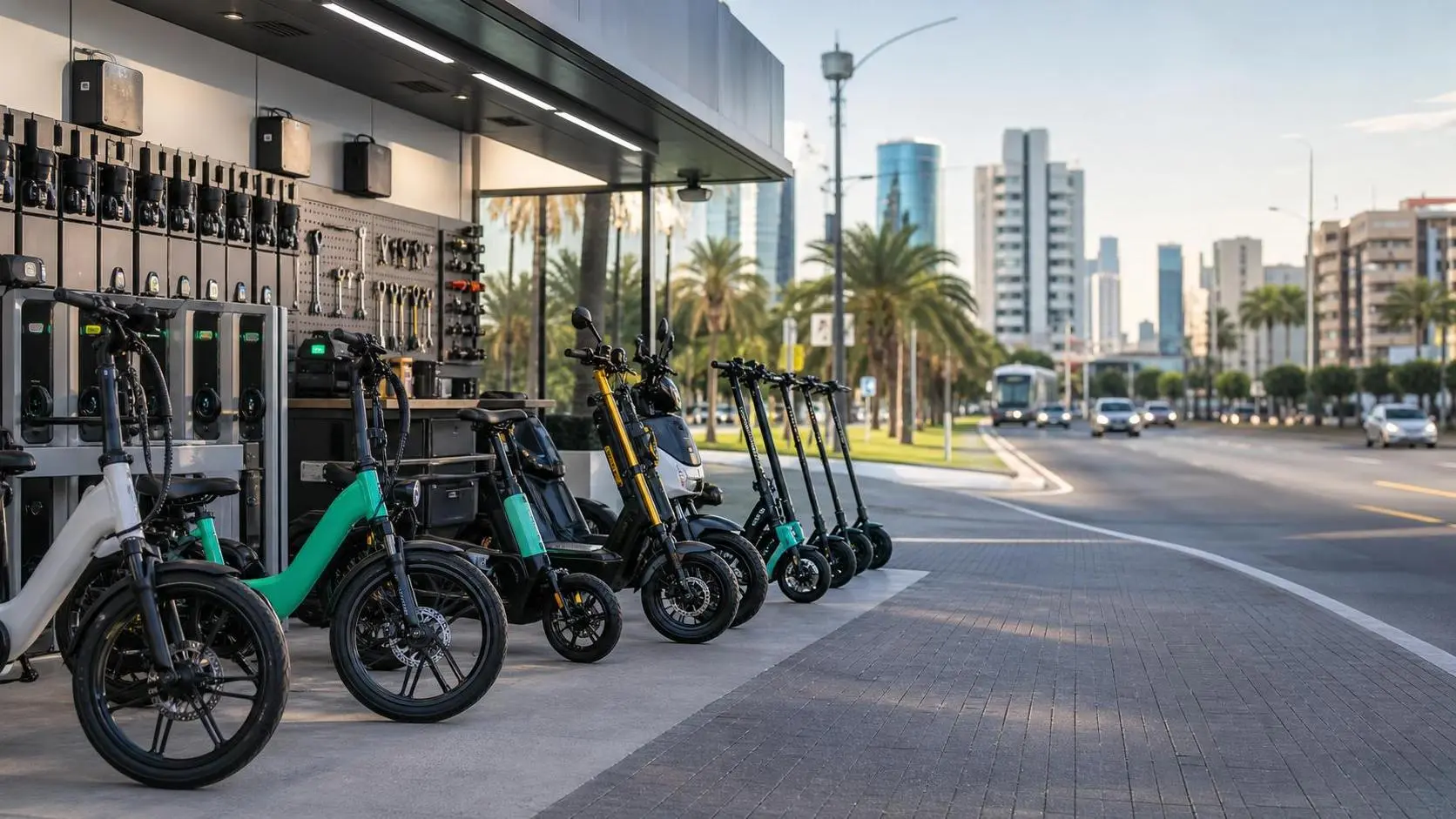
Urban Micro-Mobility Systems in Latin America: Key Market Drivers, Barriers, and Growth Segments
Urban micro-mobility systems Latin America are reshaping city transport. Explore key drivers, barriers, and high-growth segments to spot the region’s most investable opportunities.
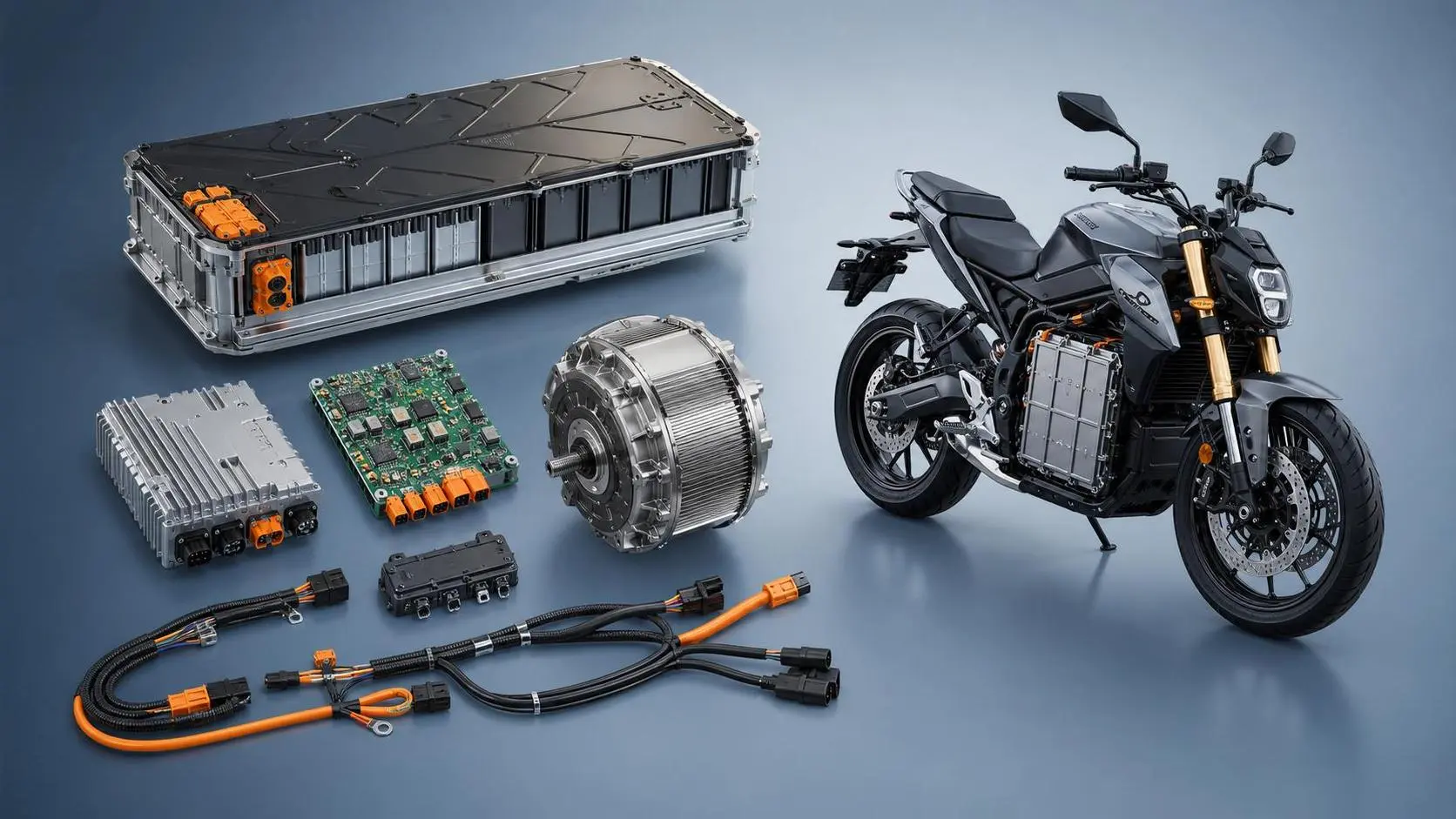
Electric Motorcycle Systems Price Breakdown: What Affects Cost From Battery to Controller?
Electric motorcycle systems price explained: see how battery, controller, motor, BMS, and wiring affect total cost, reliability, and sourcing value before you buy.
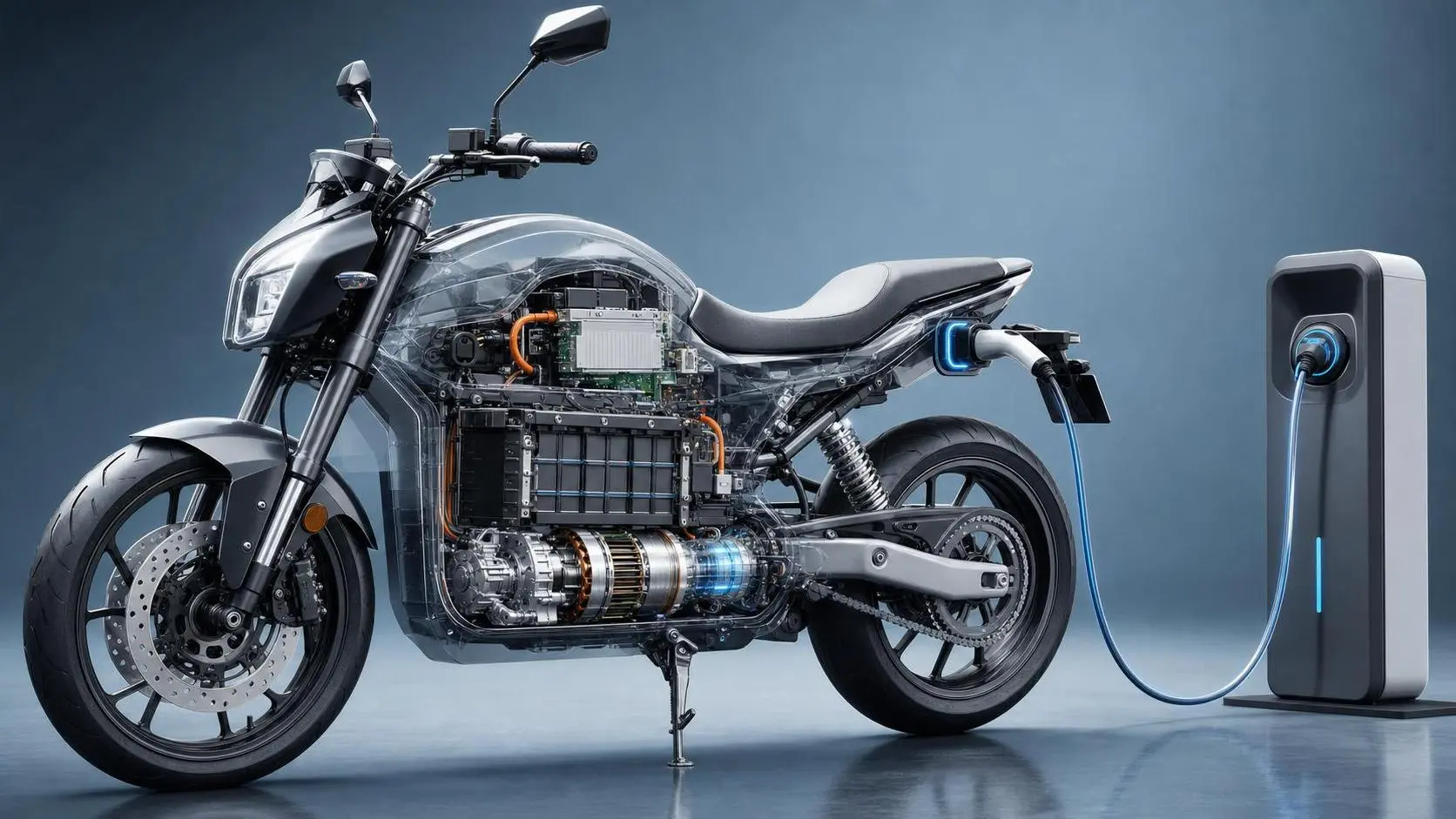
72V Electric Motorcycle Technology Explained: Motors, Controllers, Range, and Charging
Electric motorcycle technology 72V explained clearly: compare motors, controllers, range, battery design, and charging to choose a smoother, stronger, and smarter electric ride.
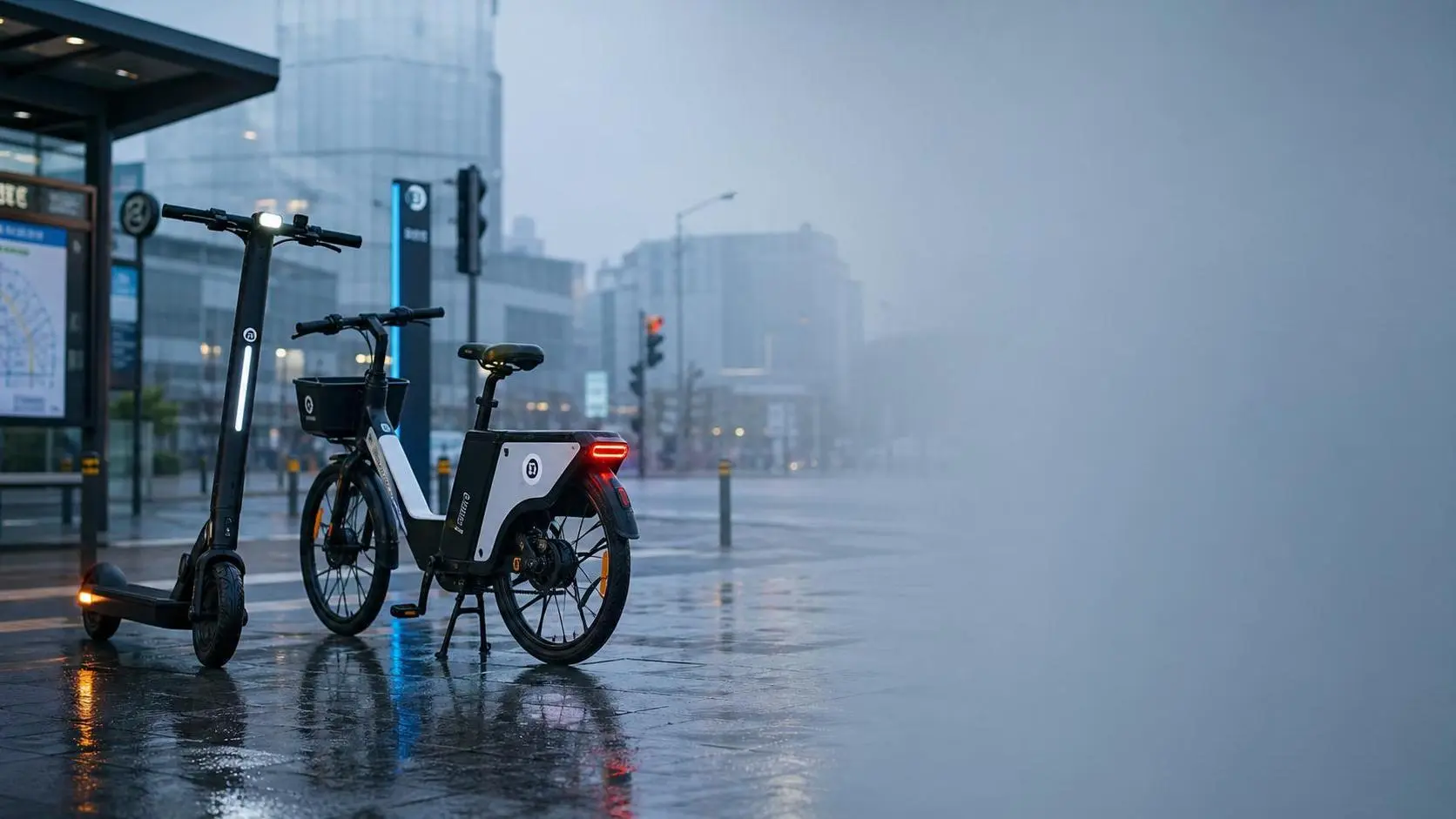
Where LED Urban Visibility Safety Systems Fit Best in Shared Scooters and City E-bikes
LED urban visibility safety systems deliver the most value in shared scooters and city e-bikes by improving multi-angle safety, fleet durability, and urban compliance across real-world routes.
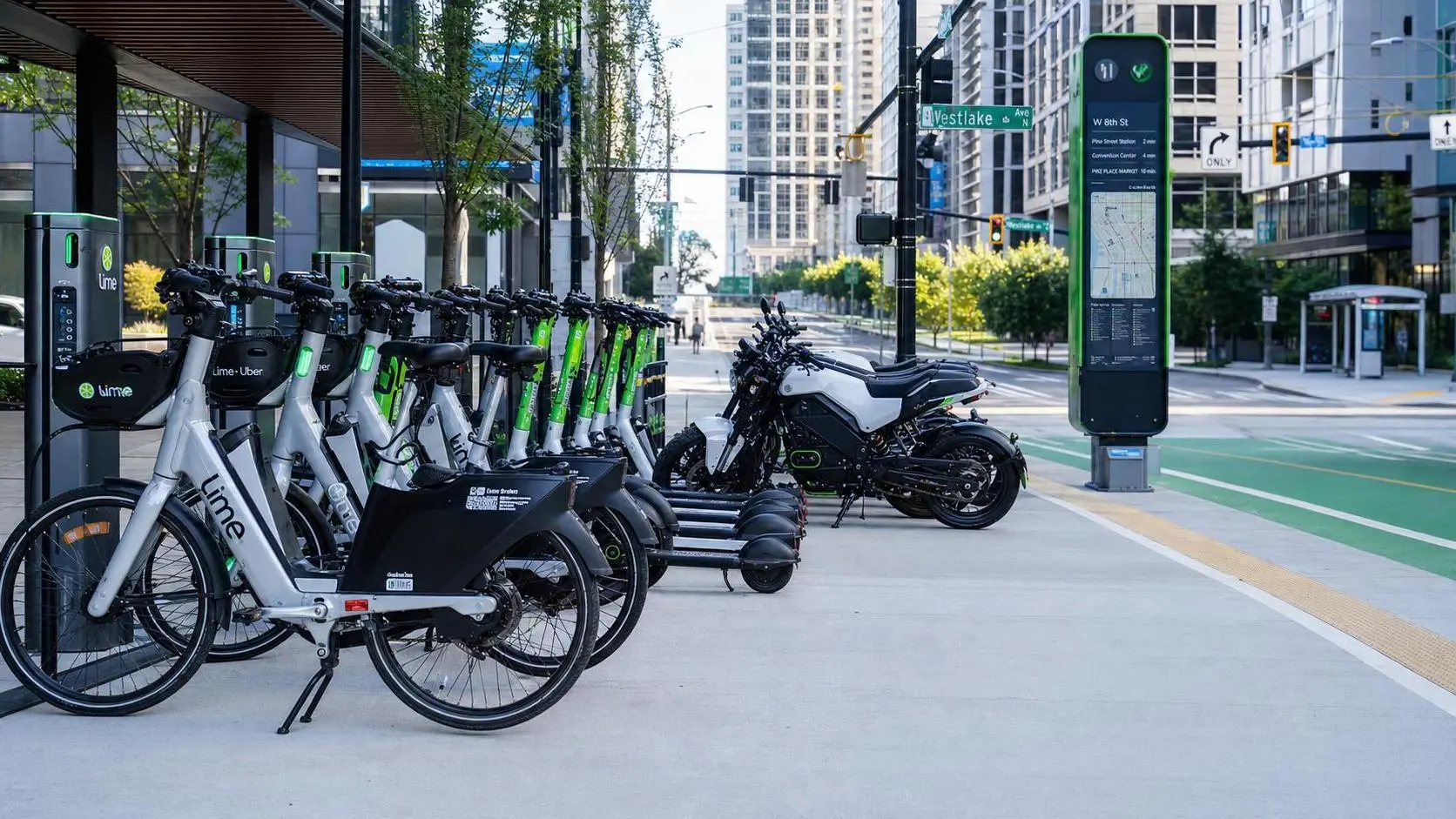
Intellectualization of Mobility in North America: What Is Driving Adoption Across Urban Transport?
Intellectualization of mobility North America is reshaping urban transport through data, smart fleets, and battery intelligence. Explore what is driving adoption and why cities and operators are accelerating now.
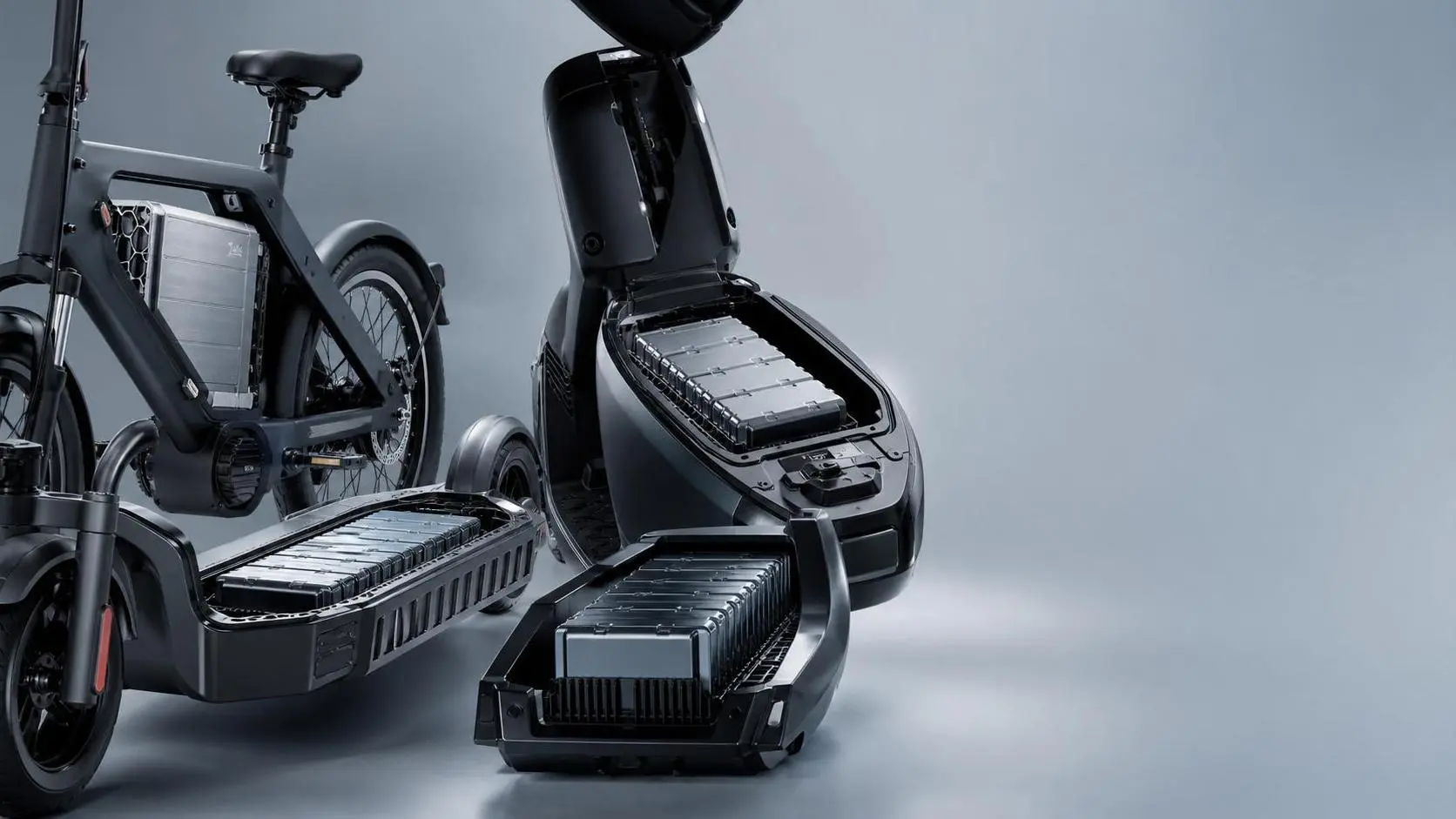
How to Choose a Compact Battery Pack: Size, Energy Density, Thermal Design, and Cycle Life
Compact battery pack selection starts with more than size. Learn how energy density, thermal design, and cycle life shape range, safety, and long-term value.
What Is Driving Green Two-wheelers Demand in Europe? Policy, Fuel Costs, and Buyer Segments
Green two-wheelers demand Europe is rising as policy support, fuel cost pressure, and diverse buyer segments reshape urban mobility. Explore the trends driving the next growth wave.