
Related News
- 00
0000-00
72V Electric Motorcycle Technology Explained: Motors, Controllers, Range, and Charging - 00
0000-00
High-speed Electric Motorcycles with Swappable Battery: What to Check Before Commercial Deployment - 00
0000-00
Urban Electric Motorcycle Buying Guide: Range, Top Speed, Licensing, and Daily Use - 00
0000-00
Electric Motorcycle Battery Trends: Cell Chemistry, Fast Charging, and Pack Design Shifts - 00
0000-00
What Causes Torque Lag in Electric Two-Wheelers and How Can Engineers Reduce It?
Electric Powertrain Analyst
Weekly Insights
Stay ahead with our curated technology reports delivered every Monday.
What electric torque really tells you before buying





Before you buy an e-bike, smart e-scooter, or high-speed e-motorcycle, one number can tell you more than many flashy marketing claims: electric torque. In simple terms, torque shows how strongly the motor can twist the wheel.
That matters because most riders do not care about motor theory. They care about fast takeoffs at traffic lights, easier hill climbing, carrying extra weight, and whether the vehicle feels smooth or weak in daily use.
If you only compare top speed or motor wattage, you can miss what the ride actually feels like. Electric torque often explains the real-world difference between a vehicle that seems responsive and one that feels underpowered.
For most consumers, the best buying decision is not choosing the highest torque number available. It is choosing the torque level that matches your city, your body weight, your cargo needs, and your usual riding conditions.
Why electric torque matters more than many buyers expect
When people search for electric torque before buying, their real question is usually practical: “Will this vehicle feel strong enough for the way I ride?” That is the buying intent behind the spec.
Electric torque helps answer that question because it affects low-speed pulling power. Unlike top speed, which may only matter occasionally, low-speed response influences almost every trip you take in urban traffic.
It tells you how quickly the vehicle starts moving from a stop, how naturally it responds when you twist the throttle or begin pedaling, and how much strain it shows on hills.
For city riders, that is extremely important. Urban mobility is full of stop-and-go traffic, short climbs, intersections, crowded lanes, and frequent restarts. In those conditions, torque often matters more than a high advertised maximum speed.
What electric torque actually tells you in real-world riding
First, electric torque tells you about acceleration feel. A motor with stronger torque can deliver more immediate push from low speeds, making the vehicle feel lively and confident rather than delayed or sluggish.
Second, it tells you about climbing ability. If your route includes bridges, parking ramps, hilly neighborhoods, or steep city streets, higher electric torque usually means less speed drop and less effort under load.
Third, it tells you about load tolerance. Riders who carry groceries, backpacks, delivery gear, child seats, or a second passenger on legal vehicles should pay close attention to torque, not just battery range.
Fourth, it tells you something about comfort and control. Adequate torque can make a vehicle feel smoother because it does not struggle during starts. Too little torque often creates an annoying sense of hesitation.
That said, torque alone does not guarantee a better ride. Motor tuning, controller quality, vehicle weight, tire size, drivetrain setup, and traction all shape how useful that torque feels on the road.
Electric torque vs wattage: why buyers often confuse the two
One of the biggest consumer mistakes is treating electric torque and motor wattage as if they mean the same thing. They do not. Both matter, but they describe different aspects of performance.
Wattage usually relates to power output over time. It helps indicate how much work the motor can do and often influences sustained performance and top-end capability. Torque is more about twisting force, especially at lower speed.
This is why two vehicles with similar watt ratings can feel very different when pulling away from a stop. One may deliver punchy, immediate acceleration, while the other feels softer or slower to respond.
For example, an e-bike with modest rated power but strong motor tuning and good electric torque may feel excellent in urban riding. Another bike with a bigger power claim may not feel as useful in traffic.
So when comparing products, do not ask only, “How many watts?” Also ask, “How much torque?” and “How does that torque show up in actual starts, hills, and carrying weight?”
How much electric torque is enough for your type of ride?
The right amount of electric torque depends on the vehicle category and your daily use. A flat-city commuter has very different needs from a rider dealing with steep hills or heavier cargo.
For e-bikes, moderate torque is often enough for light commuting on flatter roads. If you mainly want easier pedaling, less sweat, and smoother starts, you may not need the highest torque available.
If you ride in a hilly area, weigh more than average, or carry bags frequently, stronger electric torque becomes more valuable. It helps maintain momentum and reduces the feeling that the motor is struggling.
For smart e-scooters, torque matters heavily because small wheels can reveal weakness quickly on inclines and uneven roads. A scooter that looks stylish on paper may disappoint if its torque is too limited for your route.
For high-speed e-motorcycles, torque becomes even more central. Buyers in this category often expect instant acceleration, faster overtaking response, and stable performance with a heavier chassis and larger battery pack.
The key idea is simple: enough torque should make your normal ride feel easy, not barely acceptable. Buying at the minimum threshold can save money at first, but it may create frustration every day.
What torque numbers cannot tell you by themselves
Many brands advertise electric torque proudly, but raw numbers can mislead if you do not know how they were measured. One of the biggest issues is that not all torque figures are presented the same way.
Some brands quote motor shaft torque. Others may reference wheel torque. These numbers are not directly equivalent because gearing and drivetrain design can change how force reaches the road.
Another issue is that peak torque is not the same as continuous performance. A vehicle may produce a strong burst at launch, but that does not mean it will hold that feeling on a long hill.
Traction also matters. If a vehicle claims strong electric torque but has poor tires, weak weight distribution, or low-quality control systems, some of that force may be hard to use safely.
Software tuning matters too. The best riding experience often comes from well-managed torque delivery rather than aggressive output alone. Sudden, jerky power can feel exciting in a test ride but tiring in daily use.
Questions smart buyers should ask before trusting a torque spec
Start with the most practical question: where was the torque measured? If a seller cannot explain whether the number refers to motor torque or wheel torque, compare the claim carefully.
Next, ask how the vehicle performs on hills, especially with your expected load. Real-life hill climbing feedback is often more useful than a single technical figure in a product brochure.
Ask about rider weight assumptions too. A lightweight reviewer may report strong acceleration, while a heavier rider on the same machine may get a very different experience from the same electric torque rating.
You should also ask whether the vehicle’s acceleration is smooth or abrupt. Strong torque is good, but predictable torque delivery is better for confidence, safety, and comfort in crowded city conditions.
Finally, look for test rides, independent reviews, or owner comments that describe starts, inclines, and carrying loads. Those details reveal whether the torque number translates into useful everyday performance.
How electric torque changes the buying decision for e-bikes
For e-bike buyers, electric torque matters most when comparing commuting comfort, hill support, and natural riding feel. It is especially important if you want assistance without feeling like the bike is doing too little.
Mid-drive e-bikes often use torque effectively because they work through the bike’s gears. That can help them climb better and feel more efficient across varied urban routes and moderate gradients.
Hub-motor e-bikes can still be excellent, especially for simpler city riding, but buyers should pay attention to whether the bike feels responsive at lower speeds and under moderate load.
If your commute is flat and short, extremely high torque may be unnecessary. In that case, ride quality, battery reliability, braking, and overall comfort may deserve more attention than chasing a bigger spec number.
But if your ride includes steep starts, mixed terrain, or regular cargo, electric torque becomes a major value factor because it directly improves the parts of riding that otherwise feel difficult or tiring.
How electric torque changes the buying decision for e-scooters
Smart e-scooter buyers should take torque very seriously because scooters often have compact wheels, upright riding positions, and less mechanical advantage than bicycles. Weak torque becomes obvious very quickly in real use.
On a scooter, low torque can mean slow launches, reduced hill speed, and a noticeable drop in confidence when merging into traffic or crossing intersections. That can affect both convenience and safety perception.
Urban riders should especially think about bridge ramps, rough pavement, rider weight, and carried items. A scooter that handles these conditions easily will feel far more valuable over time than one chosen only for style.
At the same time, too much sudden torque in a small, lightweight scooter can feel unstable for beginners. Good control tuning matters as much as headline force. Smooth response is part of good design.
That is why the best purchase is rarely the one with the most aggressive marketing. It is the one whose electric torque matches your roads, your confidence level, and your everyday travel pattern.
How electric torque changes the buying decision for high-speed e-motorcycles
In high-speed e-motorcycles, electric torque is one of the main reasons riders consider electrification in the first place. Instant drive force creates fast launches and a strong sense of responsiveness.
But buyers should not focus only on the thrill factor. In this category, torque should also be evaluated alongside battery thermal management, controller calibration, braking quality, and chassis stability.
A high-speed machine with strong electric torque but poor control can become tiring or intimidating in normal traffic. Smoothness, predictability, and sustained delivery are critical for confident longer rides.
Consumers should also think about where they ride. If most trips are urban and medium-speed, strong low-end torque may matter more than an extreme top speed figure that is rarely used legally or safely.
For many riders, the best electric motorcycle is not the one with the wildest launch claim. It is the one that combines usable torque with stable handling, reliable range, and comfortable daily operation.
Common mistakes people make when shopping by torque alone
The first mistake is assuming more torque is always better. In reality, too much for your skill level or road conditions can feel jerky, waste energy, and reduce comfort during routine commuting.
The second mistake is ignoring vehicle weight. A strong torque number on a heavy platform may feel similar to a lower torque number on a lighter one. Performance is always a system, not a single spec.
The third mistake is overlooking battery and controller quality. Poor power delivery can make a promising electric torque figure feel inconsistent, especially when charge level drops or temperatures change.
The fourth mistake is forgetting legal limits and category rules. In some regions, e-bike or scooter performance is shaped by regulatory caps, which can influence how much of the torque advantage you actually experience.
The fifth mistake is skipping a route-based evaluation. Buyers should think less about abstract numbers and more about real situations: steep streets, stoplights, extra cargo, and daily traffic patterns.
A simple way to use electric torque when comparing products
Start by listing your real riding conditions: flat or hilly roads, short or long trips, body weight, cargo needs, and whether you often stop and restart in dense traffic.
Then compare electric torque together with vehicle weight, wheel size, motor type, and review feedback on starts and climbs. This gives a much clearer picture than looking at one isolated number.
Next, decide whether you want comfort, efficiency, sporty response, or heavier-load capability. Different torque levels and tuning styles suit different priorities, and there is no universal perfect setup.
If possible, test ride on an incline or simulate your normal load. A brief ride on flat pavement outside a store often hides the exact situations where torque matters most.
Finally, treat torque as a decision tool, not a trophy spec. Its value comes from how well it matches your daily mobility needs, not from being the biggest number on the comparison chart.
Conclusion: what electric torque really tells you before buying
Before buying any electric two-wheeler, electric torque tells you how capable the vehicle is likely to feel in the moments that matter most: starting, climbing, carrying, and responding in traffic.
It does not tell you everything. It cannot replace good braking, battery quality, smart tuning, stable handling, or practical comfort. But it does reveal a major part of real-world performance that many buyers overlook.
If you want a better purchase decision, use torque to judge everyday usefulness rather than showroom excitement. Ask how it behaves under your conditions, not just how it looks in marketing materials.
In the end, the right electric torque is the one that makes your regular ride feel easy, controlled, and confident. That is what turns a promising product into the right one for your life.
Related News
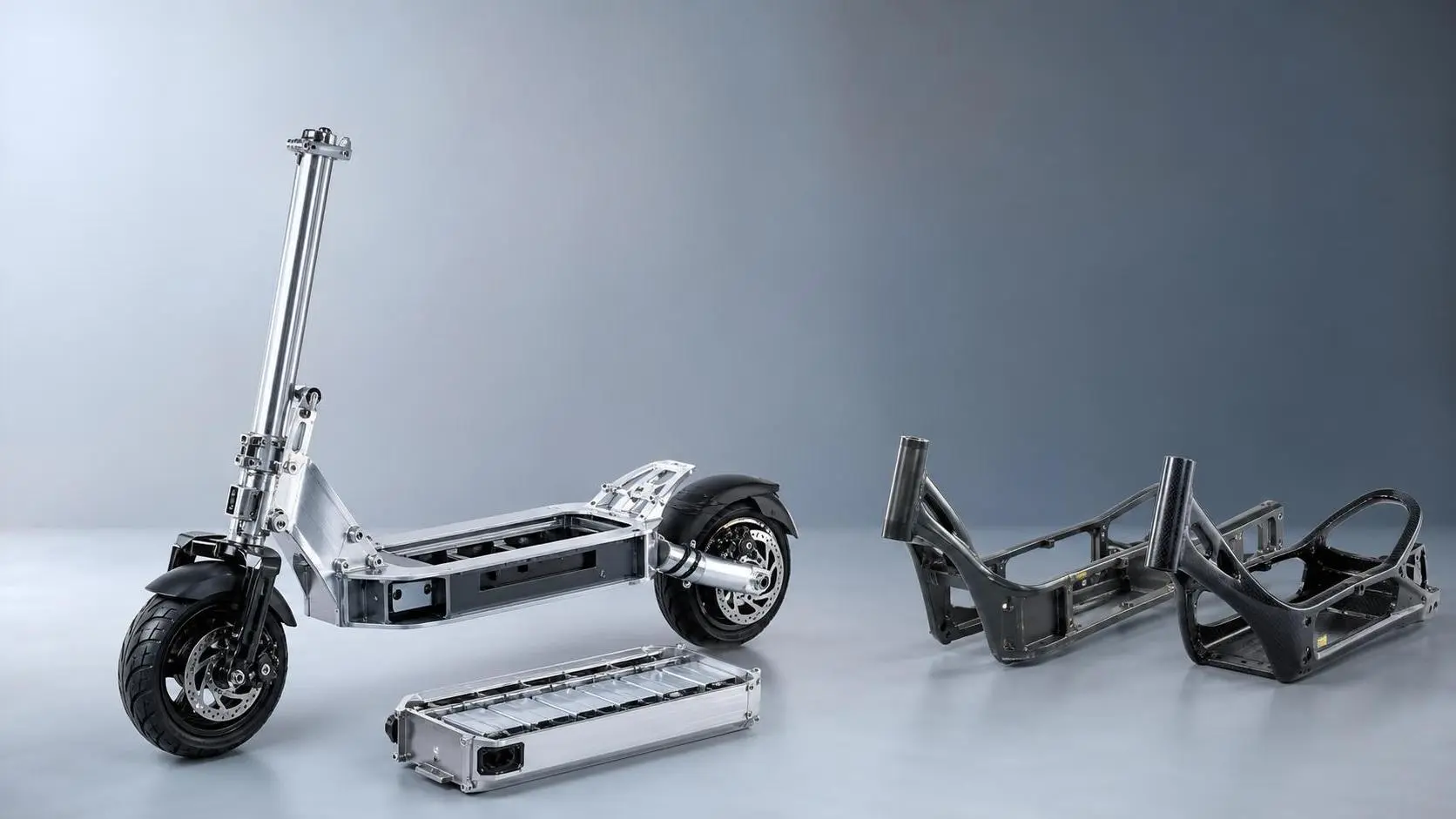
How to Choose Lightweight Scooter Frames in Europe: Materials, Standards, and Use Cases
Lightweight scooter frames Europe buyers need should balance materials, EN standards, durability, and real use cases. Discover how to choose safer, smarter, compliant frames.
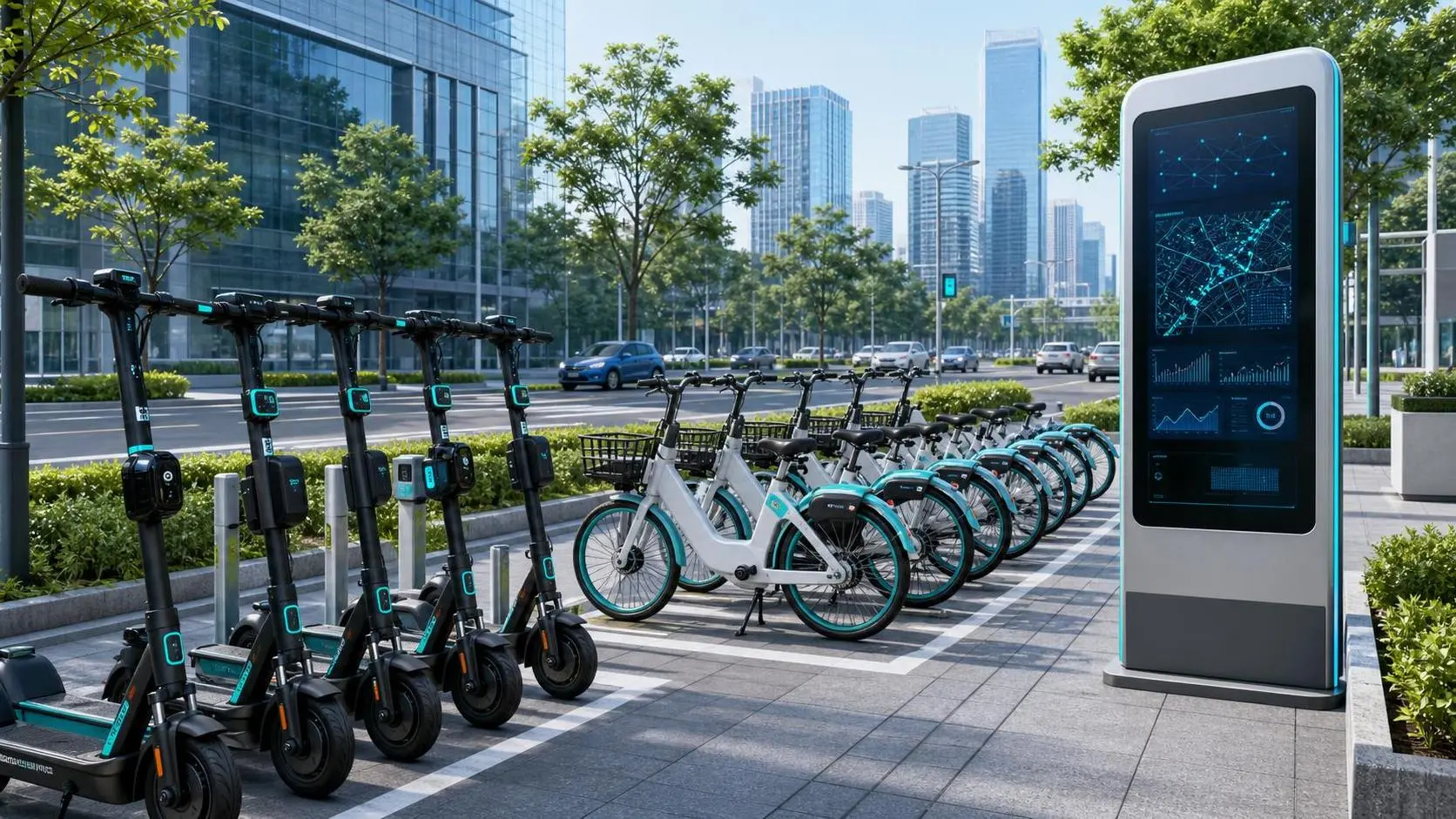
What Is the Intellectualization of Mobility Platform and How Is It Applied in Shared Fleets?
Intellectualization of mobility platform is reshaping shared fleets with real-time data, predictive maintenance, and smarter compliance—learn how it boosts safety, uptime, and urban mobility efficiency.
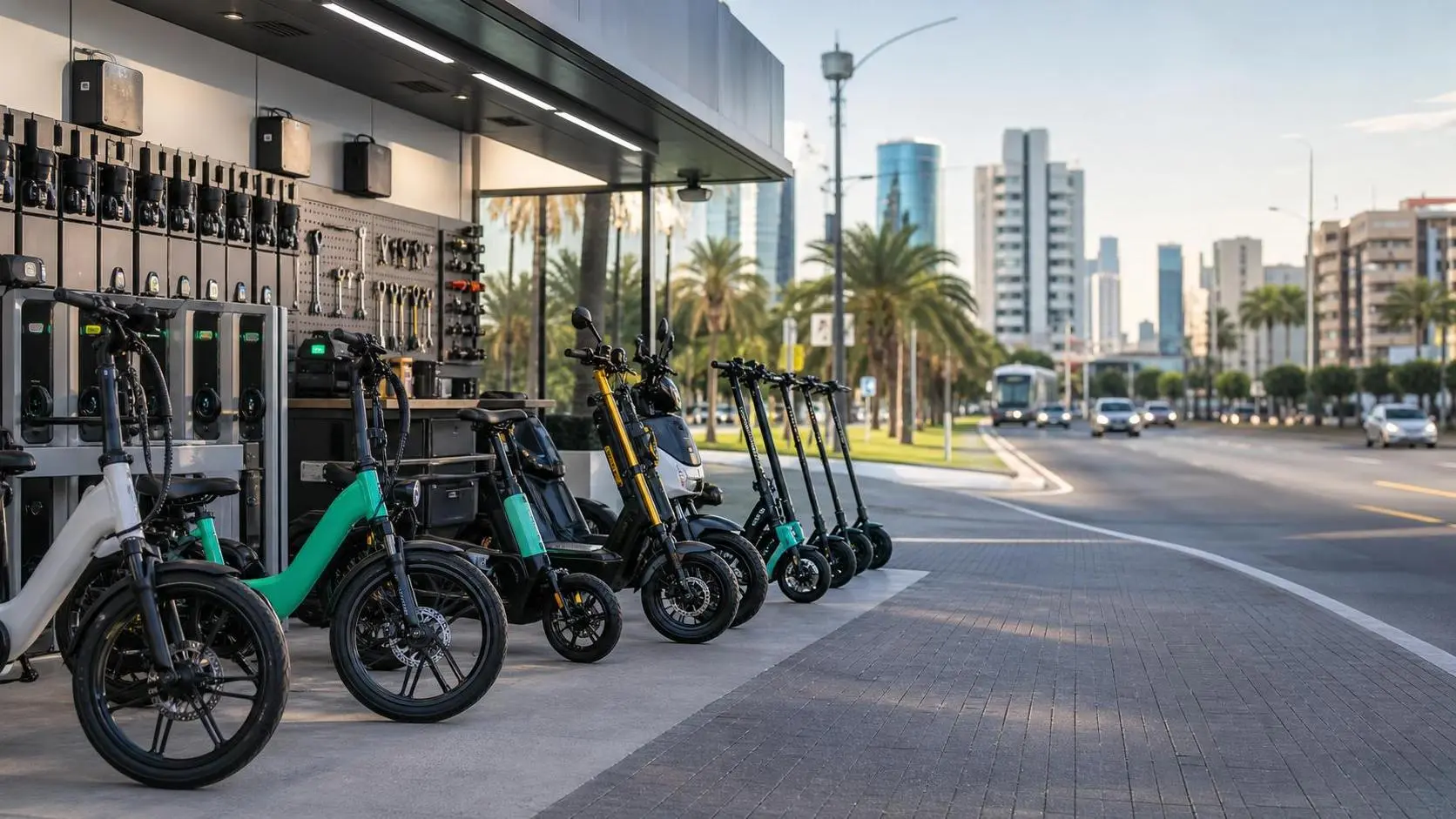
Urban Micro-Mobility Systems in Latin America: Key Market Drivers, Barriers, and Growth Segments
Urban micro-mobility systems Latin America are reshaping city transport. Explore key drivers, barriers, and high-growth segments to spot the region’s most investable opportunities.
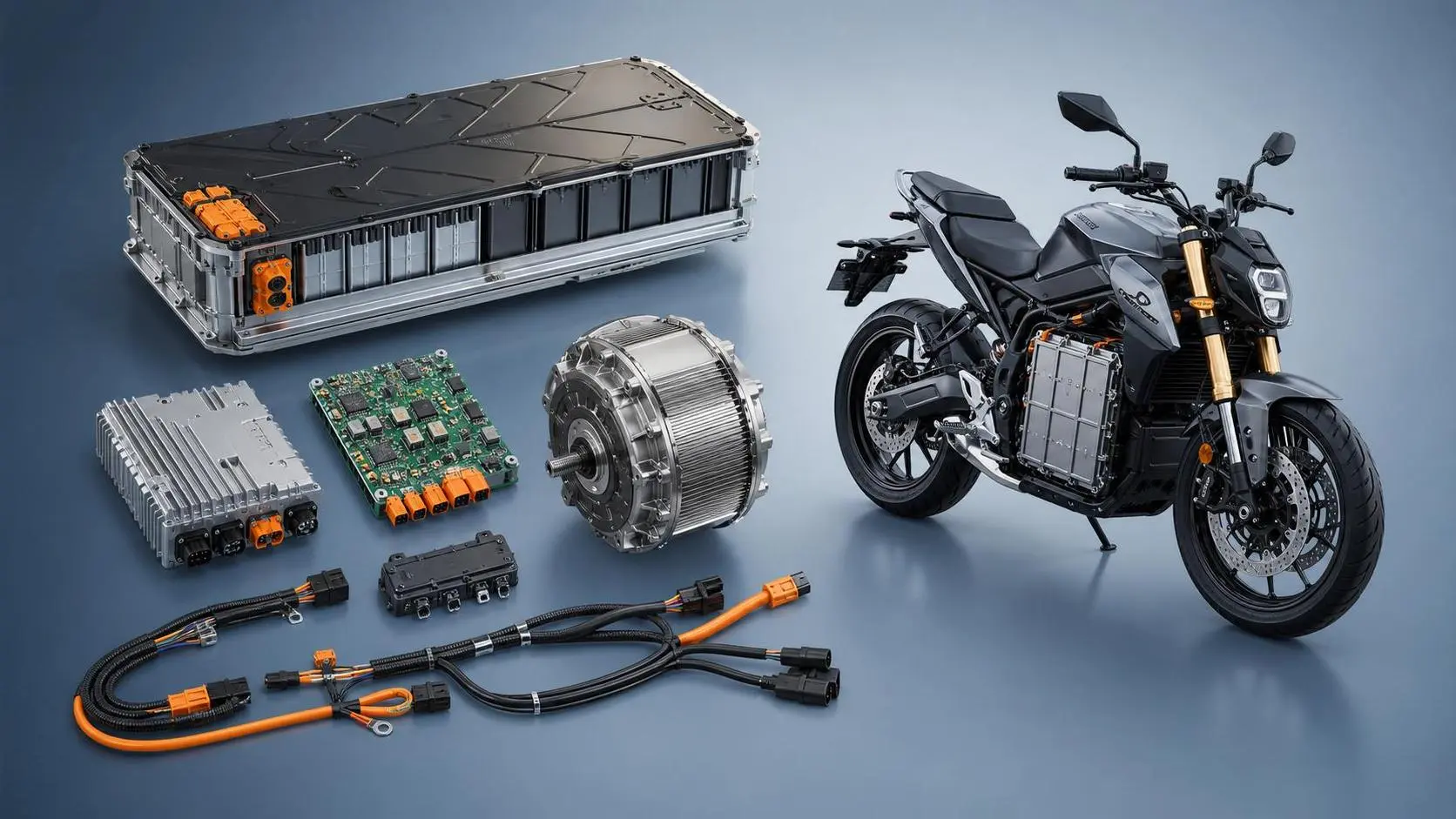
Electric Motorcycle Systems Price Breakdown: What Affects Cost From Battery to Controller?
Electric motorcycle systems price explained: see how battery, controller, motor, BMS, and wiring affect total cost, reliability, and sourcing value before you buy.
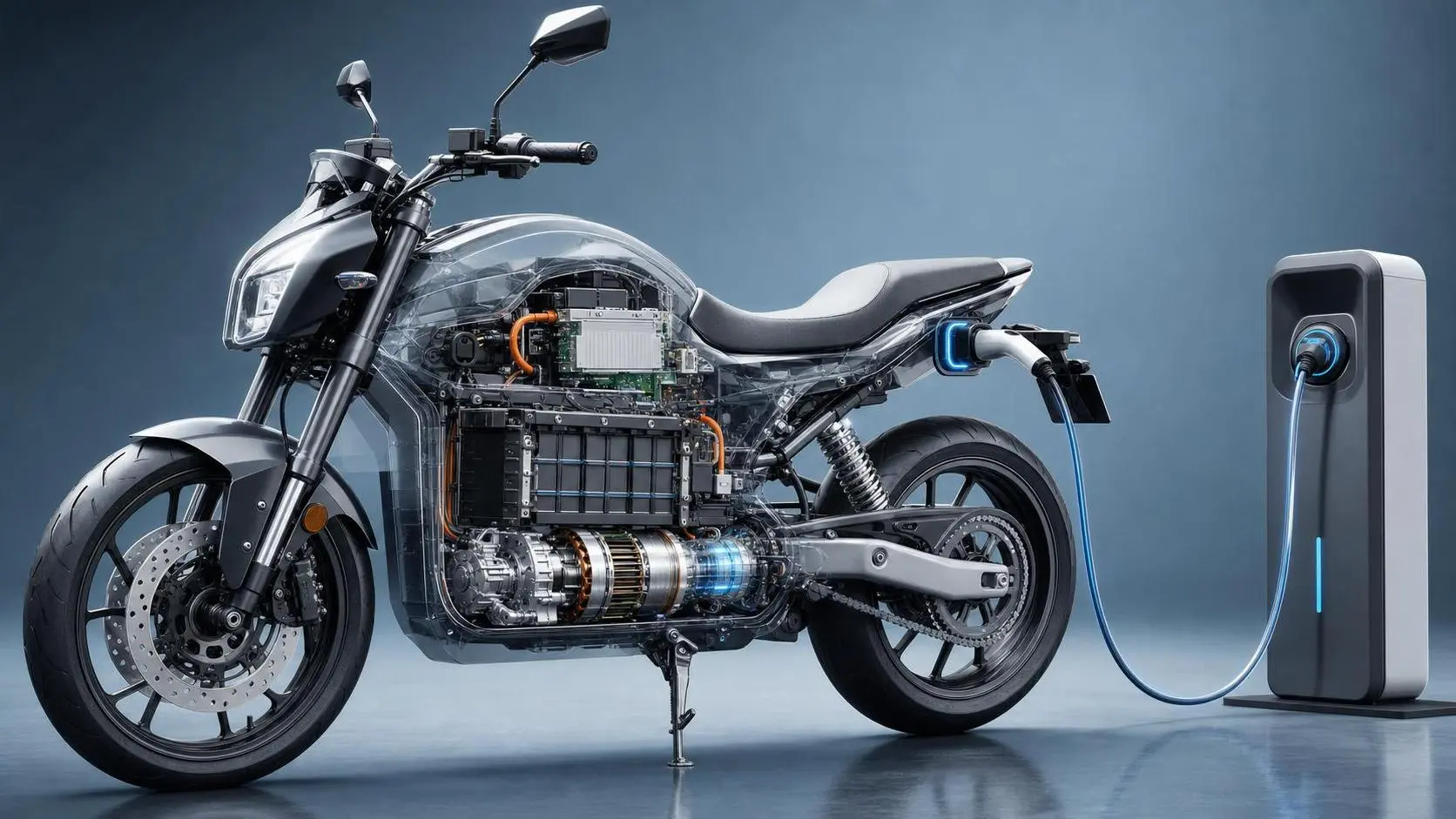
72V Electric Motorcycle Technology Explained: Motors, Controllers, Range, and Charging
Electric motorcycle technology 72V explained clearly: compare motors, controllers, range, battery design, and charging to choose a smoother, stronger, and smarter electric ride.
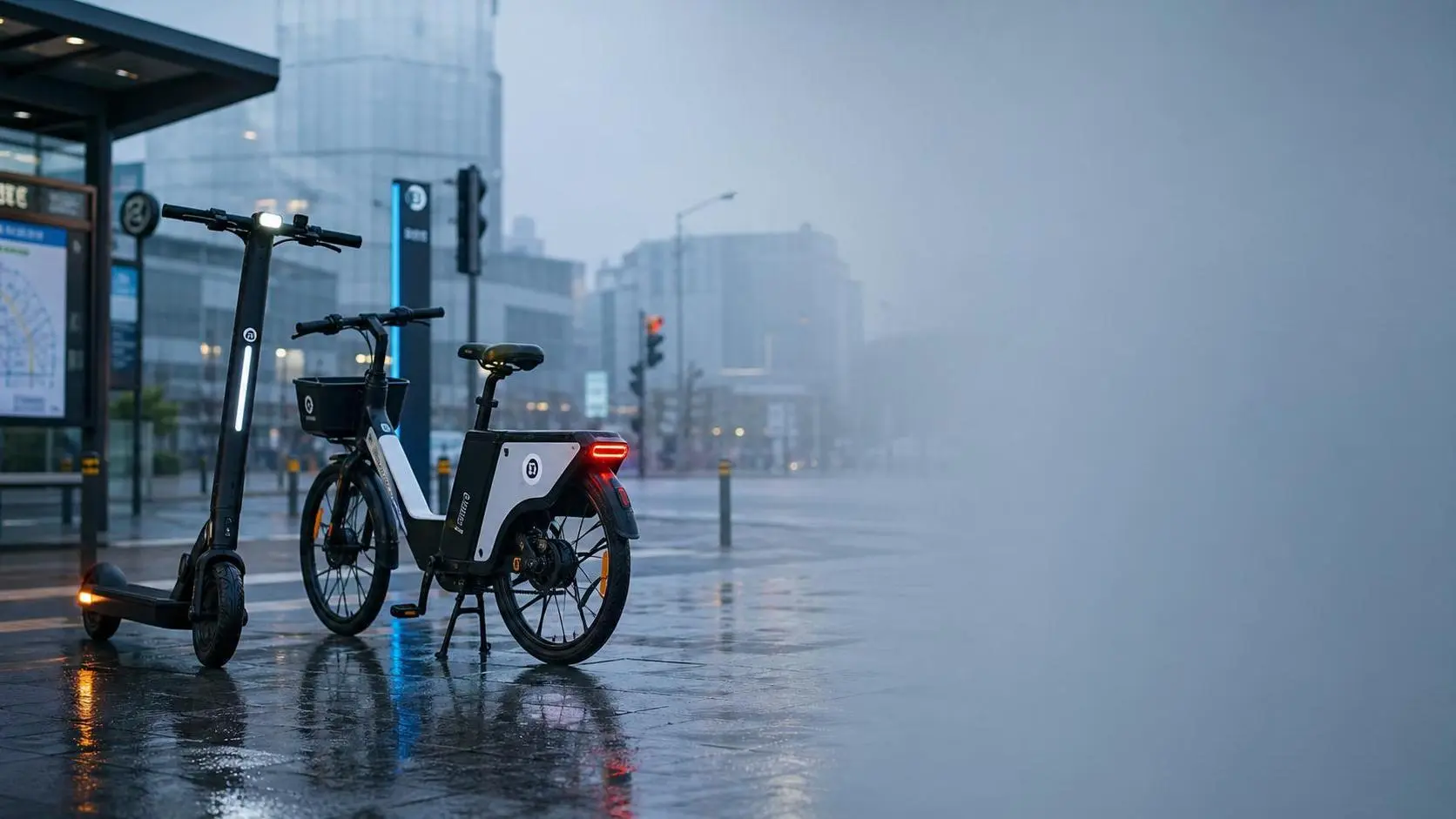
Where LED Urban Visibility Safety Systems Fit Best in Shared Scooters and City E-bikes
LED urban visibility safety systems deliver the most value in shared scooters and city e-bikes by improving multi-angle safety, fleet durability, and urban compliance across real-world routes.
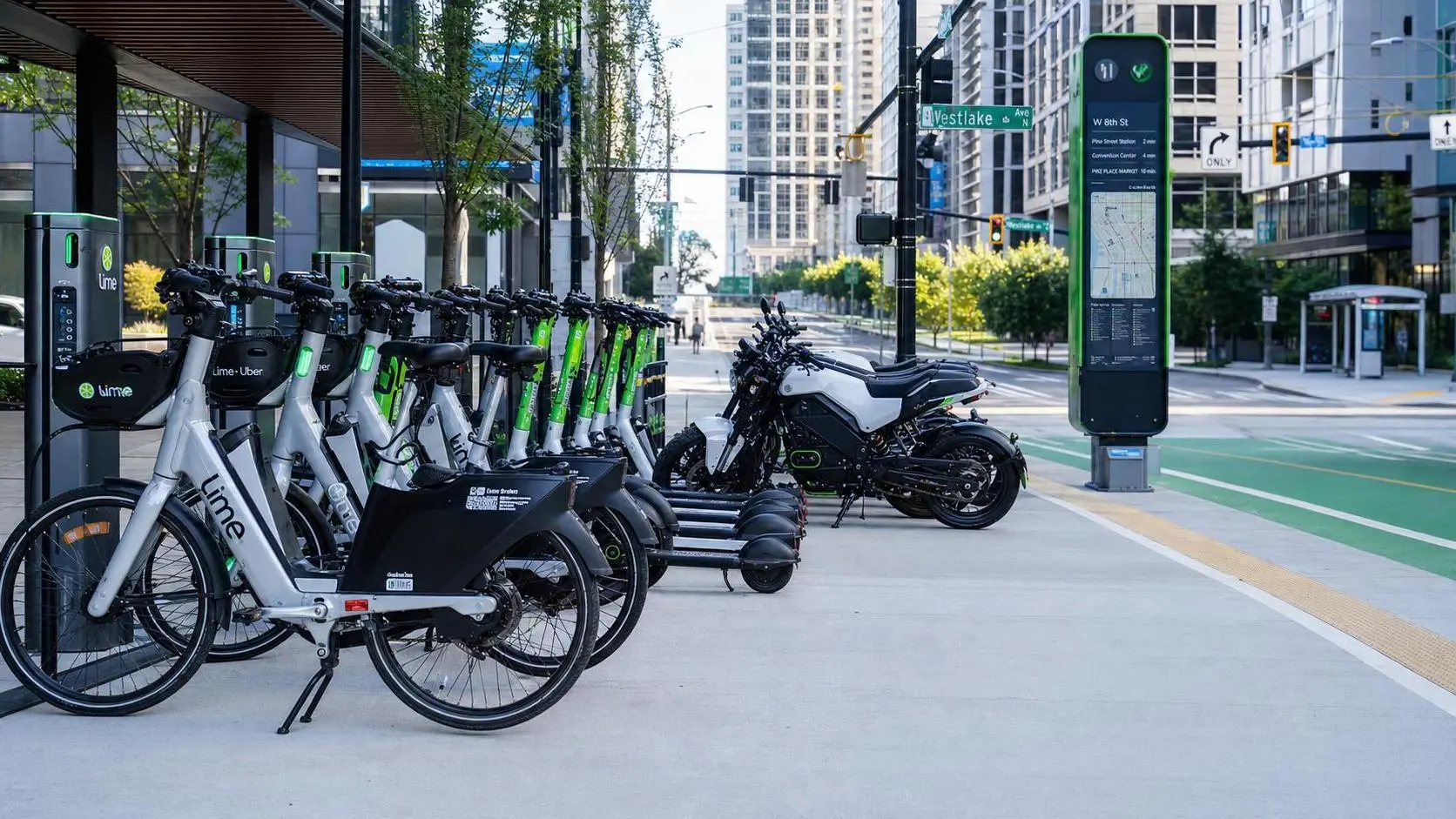
Intellectualization of Mobility in North America: What Is Driving Adoption Across Urban Transport?
Intellectualization of mobility North America is reshaping urban transport through data, smart fleets, and battery intelligence. Explore what is driving adoption and why cities and operators are accelerating now.
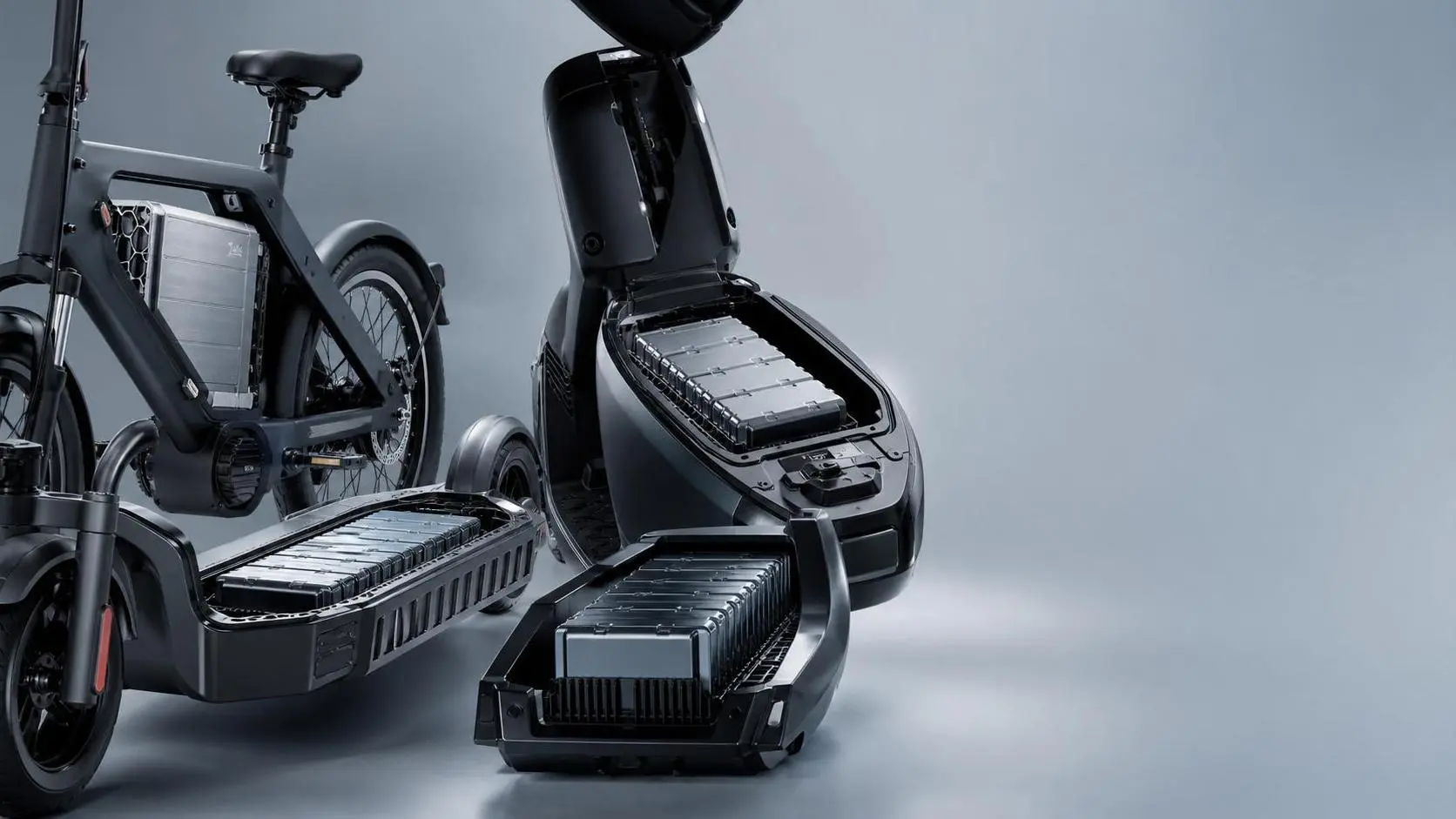
How to Choose a Compact Battery Pack: Size, Energy Density, Thermal Design, and Cycle Life
Compact battery pack selection starts with more than size. Learn how energy density, thermal design, and cycle life shape range, safety, and long-term value.
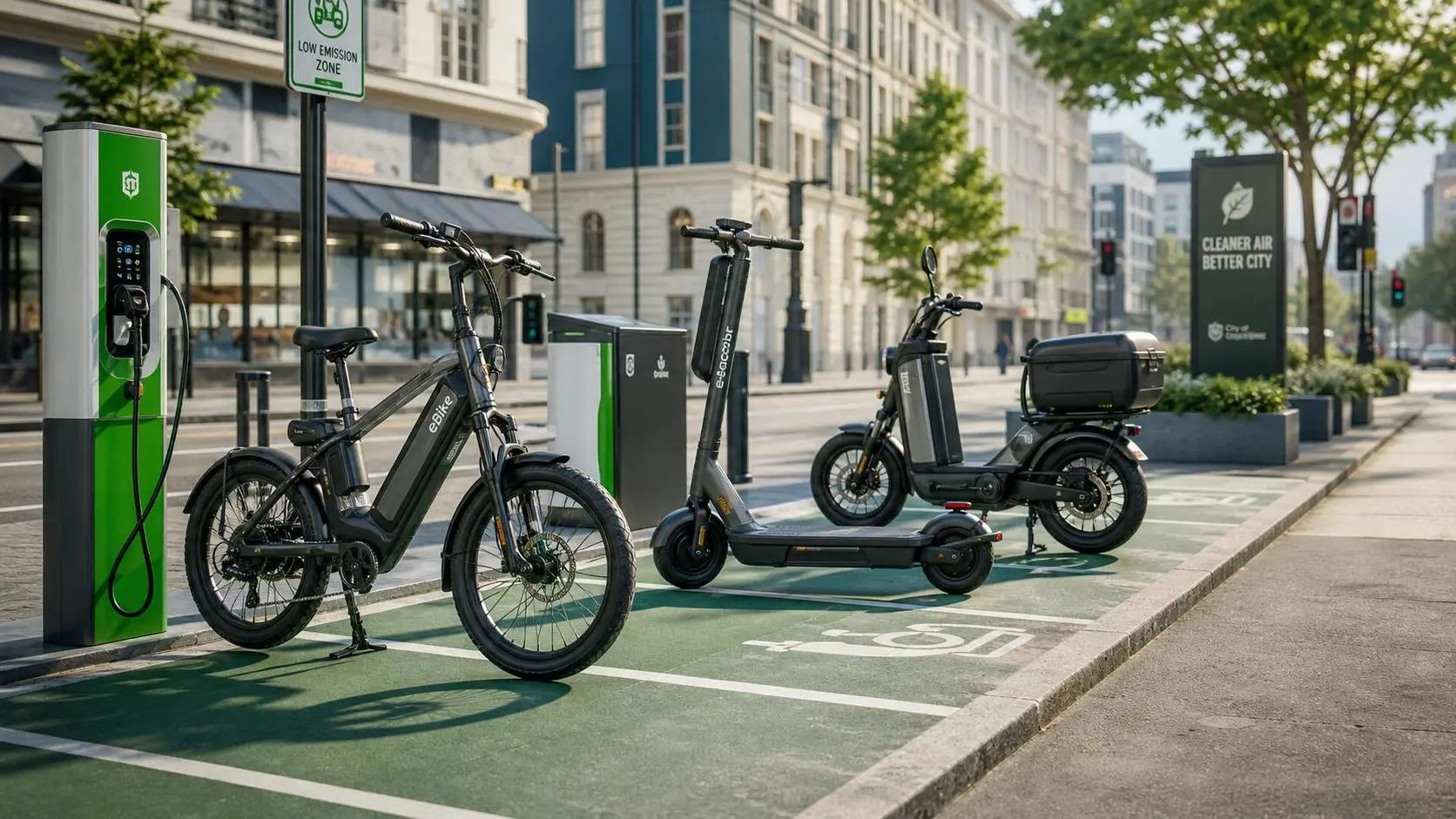
What Is Driving Green Two-wheelers Demand in Europe? Policy, Fuel Costs, and Buyer Segments
Green two-wheelers demand Europe is rising as policy support, fuel cost pressure, and diverse buyer segments reshape urban mobility. Explore the trends driving the next growth wave.