
Related News
- 00
0000-00
Electric Motorcycle Systems Price Breakdown: What Affects Cost From Battery to Controller? - 00
0000-00
Micro-mobility Systems Explained: Core Components, Operating Models, and City Use Cases - 00
0000-00
Electrification Strategies in Europe: Policy, Charging, and ROI Factors for Fleet Planning - 00
0000-00
OEM Market Share in Electric Motorcycles: What It Reveals About Brand Positioning - 00
0000-00
What Is a Smart Transportation Platform and Which Urban Mobility Use Cases Fit Best?
Ms. Elena Rodriguez
Weekly Insights
Stay ahead with our curated technology reports delivered every Monday.
Are urban electric vehicles really cheaper to run





For finance decision-makers, the question is not whether urban electric vehicles simply look modern, but whether they reduce operating cost in measurable ways. The answer is often yes, though not automatically. Energy prices, maintenance schedules, duty cycles, subsidies, charging access, and asset life all shape the result. This guide explains how to evaluate whether urban electric vehicles are really cheaper to run and how to avoid misleading comparisons.
Why a checklist is necessary before comparing running costs
Many cost discussions compare sticker prices or fuel savings alone. That approach misses the real economics. Urban electric vehicles shift spending away from fuel and frequent service toward electricity, batteries, software, and charging infrastructure.
In dense city use, stop-start traffic favors electric drivetrains. Regenerative braking, fewer moving parts, and lower idle loss can improve efficiency. Yet savings disappear if utilization is low, battery replacement is ignored, or charging downtime is poorly managed.
A checklist creates a consistent way to compare urban electric vehicles with internal combustion alternatives, public transport support fleets, or hybrid micro-mobility systems. It also helps align cost analysis with low-carbon targets and fleet reliability goals.
Core checklist for deciding if urban electric vehicles are cheaper to run
Use the following points as a practical screening framework before approving procurement, pilot expansion, or fleet replacement.
- Calculate energy cost per kilometer using actual urban routes, real charging tariffs, and seasonal efficiency changes instead of relying on laboratory range claims.
- Compare maintenance intervals by component category, including brakes, tires, drivetrains, cooling systems, and diagnostic software support across the expected service life.
- Include battery degradation assumptions, replacement timing, warranty terms, and residual value impact in the total cost of ownership model.
- Measure downtime risk from charging queues, grid limits, connector compatibility, and workshop capability, because uptime often matters more than headline efficiency.
- Apply available subsidies, tax credits, reduced registration fees, and urban access incentives only after confirming duration, eligibility, and reporting requirements.
- Assess infrastructure cost separately, covering chargers, electrical upgrades, software platforms, safety compliance, and site installation timelines.
- Review insurance, safety training, telematics subscriptions, and cybersecurity needs, especially for connected urban electric vehicles and shared mobility assets.
- Track payload, range under load, weather performance, and route density, since poor fit between vehicle type and mission profile erodes savings quickly.
- Benchmark resale or second-life value, because a strong used market can offset higher acquisition cost and improve lifecycle economics.
- Model carbon reporting benefits where relevant, including sustainability disclosures, green financing terms, and compliance advantages tied to low-emission transport.
Where urban electric vehicles usually save the most
Short-distance urban delivery and service routes
Urban electric vehicles perform well on repetitive city routes with predictable mileage. Frequent stopping favors regenerative braking, while overnight charging supports daily dispatch without fuel station detours.
In these settings, lower energy cost per kilometer and reduced routine maintenance often create a clear operating advantage. Brake wear may still be significant in heavy-use fleets, but engine oil, exhaust, and complex transmission work largely disappear.
Shared micro-mobility and campus transport
For e-bikes, smart e-scooters, and compact urban electric vehicles, system efficiency depends on more than electricity. Telematics, battery swapping logic, geofencing, and asset recovery strongly influence cost performance.
When operations are data-driven, operators can cut idle inventory, reduce theft loss, and optimize charging cycles. In that case, urban electric vehicles become cheaper to run not only mechanically, but operationally.
Municipal, facility, and closed-loop mobility
Airports, industrial parks, resorts, and municipal districts often gain from fixed-route charging and centralized maintenance. Controlled environments reduce infrastructure uncertainty and allow higher asset utilization.
Here, urban electric vehicles can support both budget control and visible decarbonization. The combination of low-speed duty cycles and centralized planning usually improves payback confidence.
Where savings may be smaller than expected
High-mileage routes without reliable charging windows
If vehicles run continuously across long shifts, charging downtime may offset energy savings. Fast charging can help, but it may increase infrastructure cost and accelerate battery wear if used aggressively.
Cold climates or heavy payload operations
Battery efficiency falls in low temperatures, and heavy loads reduce real-world range. Without conservative route planning, urban electric vehicles may require larger battery packs, which raise capital cost.
Low-utilization assets
If vehicles are rarely used, the operating savings may never recover upfront investment. In such cases, leasing, shared pools, or mixed-fleet strategies may be more economical than direct replacement.
Commonly ignored cost items and risk alerts
- Ignore charger installation complexity, and the project budget may miss electrical upgrades, permitting delays, load management software, and fire safety compliance.
- Underestimate battery health monitoring, and residual value forecasts become unreliable, especially in shared or high-cycle urban electric vehicles.
- Assume all maintenance costs drop, and you may overlook tire replacement, suspension wear, crash damage, and electronics troubleshooting.
- Treat subsidies as guaranteed, and business cases can weaken quickly when policy windows close or reporting rules change.
- Overlook software dependence, and recurring fees for fleet management, connectivity, and remote diagnostics may dilute expected savings.
Practical execution steps for a reliable cost comparison
Start with a route-level audit. Record daily distance, stop frequency, payload, terrain, weather, dwell time, and parking duration. This creates a realistic operational baseline for urban electric vehicles.
Then build a five-year total cost of ownership model. Separate capital expenditure from operating expenditure. Include electricity, maintenance, insurance, software, infrastructure, financing, and expected battery replacement.
Next, run sensitivity scenarios. Test electricity price increases, lower-than-expected range, reduced subsidy support, and faster battery degradation. A sound decision should remain credible under moderate stress.
After modeling, validate assumptions through a pilot. Use telematics to measure actual energy consumption, charging behavior, utilization, service events, and downtime. Real operating data often reveals issues hidden in spreadsheet averages.
Finally, connect mobility economics with strategic value. Urban electric vehicles may strengthen ESG reporting, support low-emission zone compliance, and improve brand positioning in sustainability-sensitive markets.
Conclusion and next action
So, are urban electric vehicles really cheaper to run? In many city-based applications, yes. Their advantage becomes strongest when routes are predictable, charging is planned, utilization is high, and total cost of ownership is modeled carefully.
The key is not to compare fuel with electricity alone. Compare full-system economics, operational fit, and lifecycle risk. That is where the true value of urban electric vehicles becomes visible.
As a next step, build a simple cost checklist using your current route data, infrastructure assumptions, and policy incentives. With that foundation, decisions around urban electric vehicles become less speculative and far more defensible.
Related News

How to Choose Lightweight Scooter Frames in Europe: Materials, Standards, and Use Cases
Lightweight scooter frames Europe buyers need should balance materials, EN standards, durability, and real use cases. Discover how to choose safer, smarter, compliant frames.
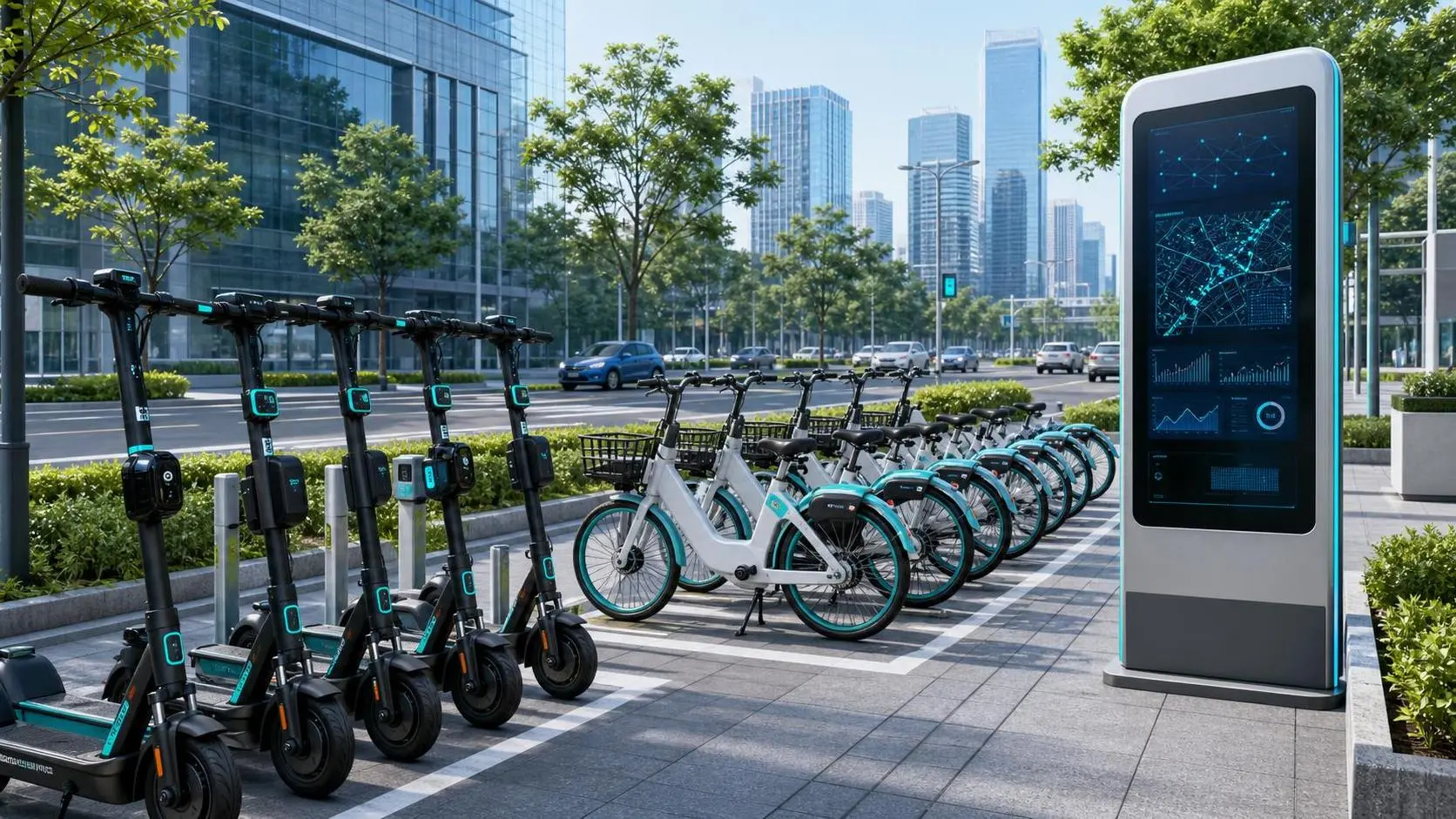
What Is the Intellectualization of Mobility Platform and How Is It Applied in Shared Fleets?
Intellectualization of mobility platform is reshaping shared fleets with real-time data, predictive maintenance, and smarter compliance—learn how it boosts safety, uptime, and urban mobility efficiency.
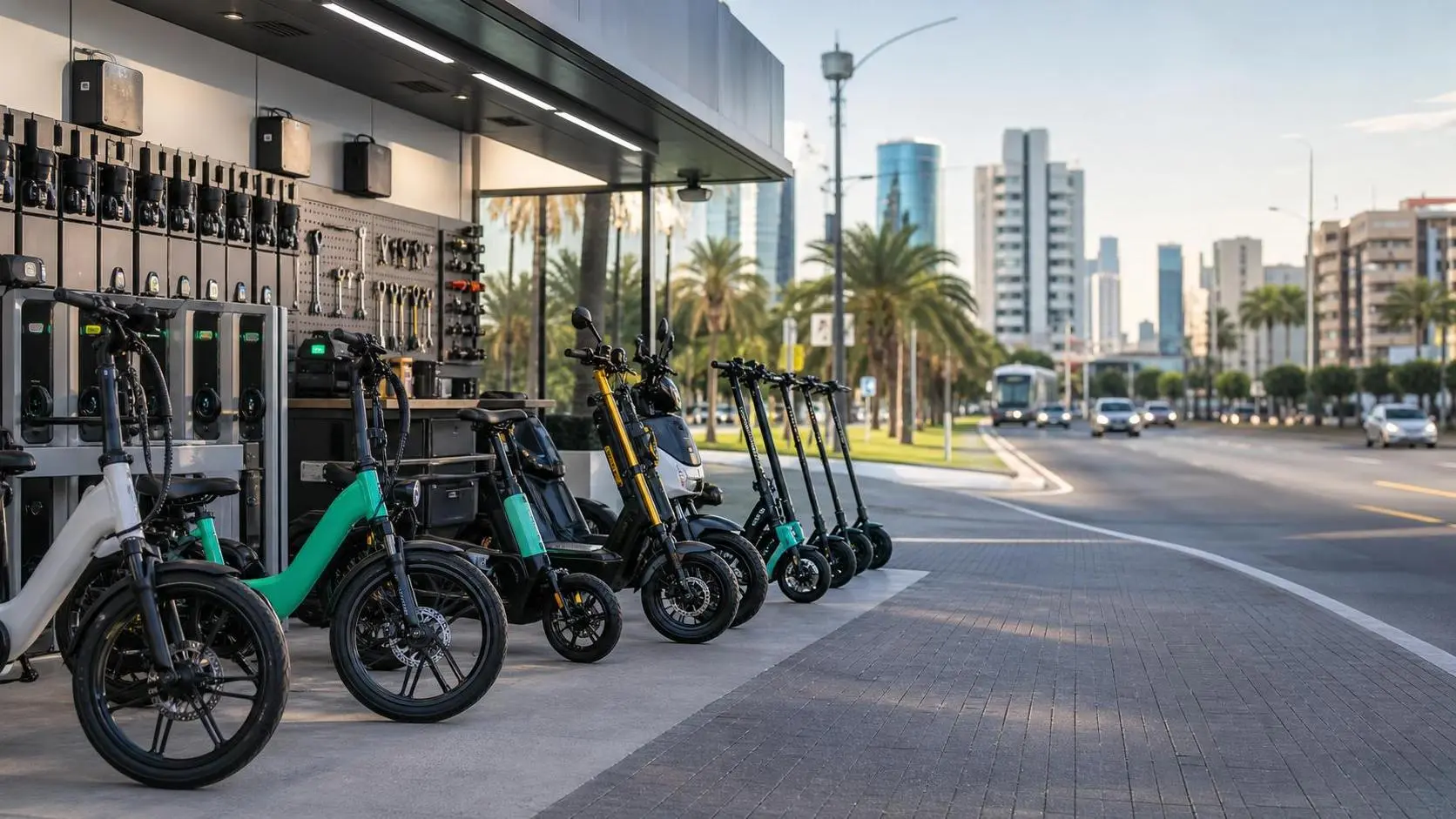
Urban Micro-Mobility Systems in Latin America: Key Market Drivers, Barriers, and Growth Segments
Urban micro-mobility systems Latin America are reshaping city transport. Explore key drivers, barriers, and high-growth segments to spot the region’s most investable opportunities.
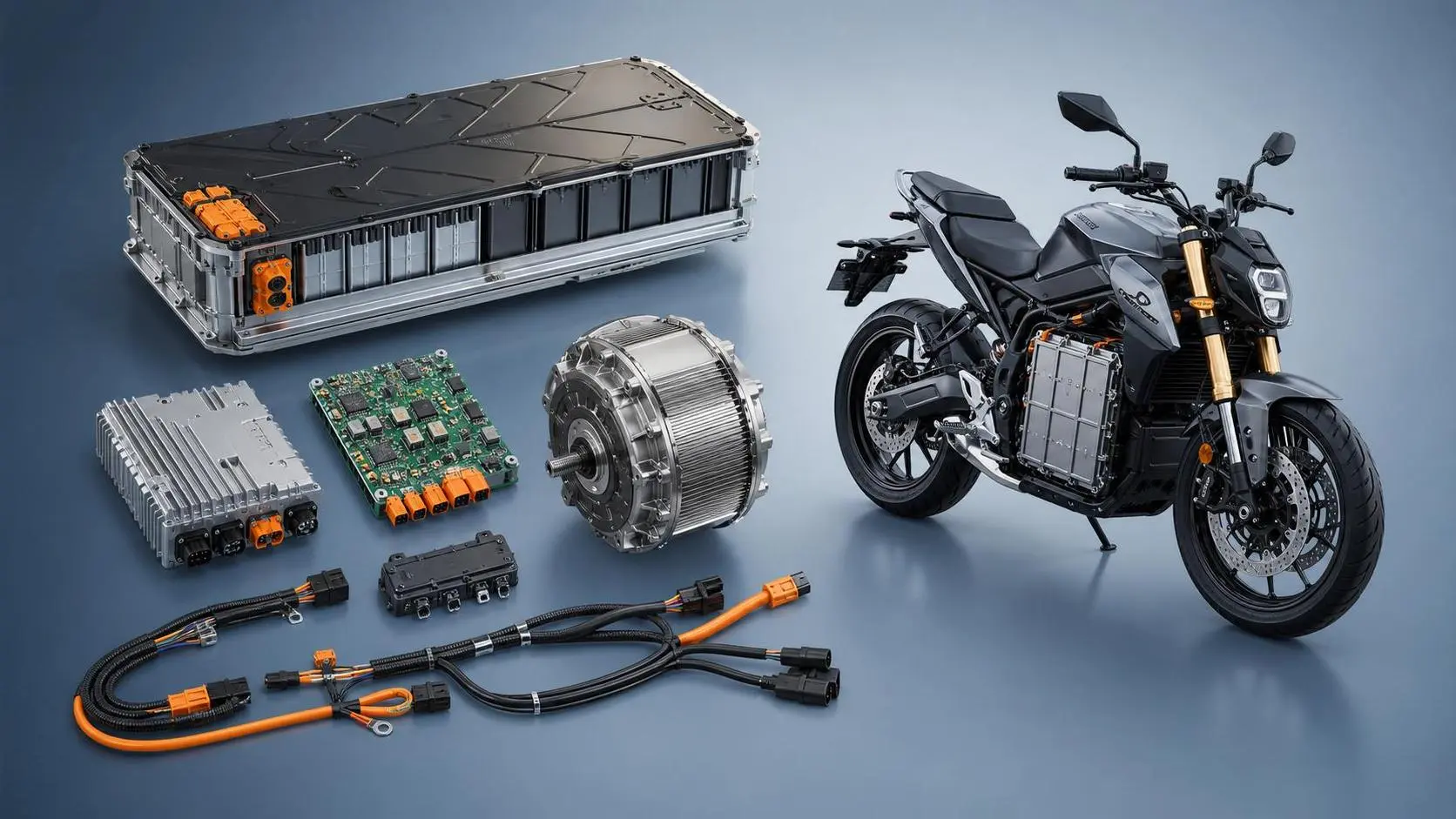
Electric Motorcycle Systems Price Breakdown: What Affects Cost From Battery to Controller?
Electric motorcycle systems price explained: see how battery, controller, motor, BMS, and wiring affect total cost, reliability, and sourcing value before you buy.

72V Electric Motorcycle Technology Explained: Motors, Controllers, Range, and Charging
Electric motorcycle technology 72V explained clearly: compare motors, controllers, range, battery design, and charging to choose a smoother, stronger, and smarter electric ride.

Where LED Urban Visibility Safety Systems Fit Best in Shared Scooters and City E-bikes
LED urban visibility safety systems deliver the most value in shared scooters and city e-bikes by improving multi-angle safety, fleet durability, and urban compliance across real-world routes.

Intellectualization of Mobility in North America: What Is Driving Adoption Across Urban Transport?
Intellectualization of mobility North America is reshaping urban transport through data, smart fleets, and battery intelligence. Explore what is driving adoption and why cities and operators are accelerating now.

How to Choose a Compact Battery Pack: Size, Energy Density, Thermal Design, and Cycle Life
Compact battery pack selection starts with more than size. Learn how energy density, thermal design, and cycle life shape range, safety, and long-term value.
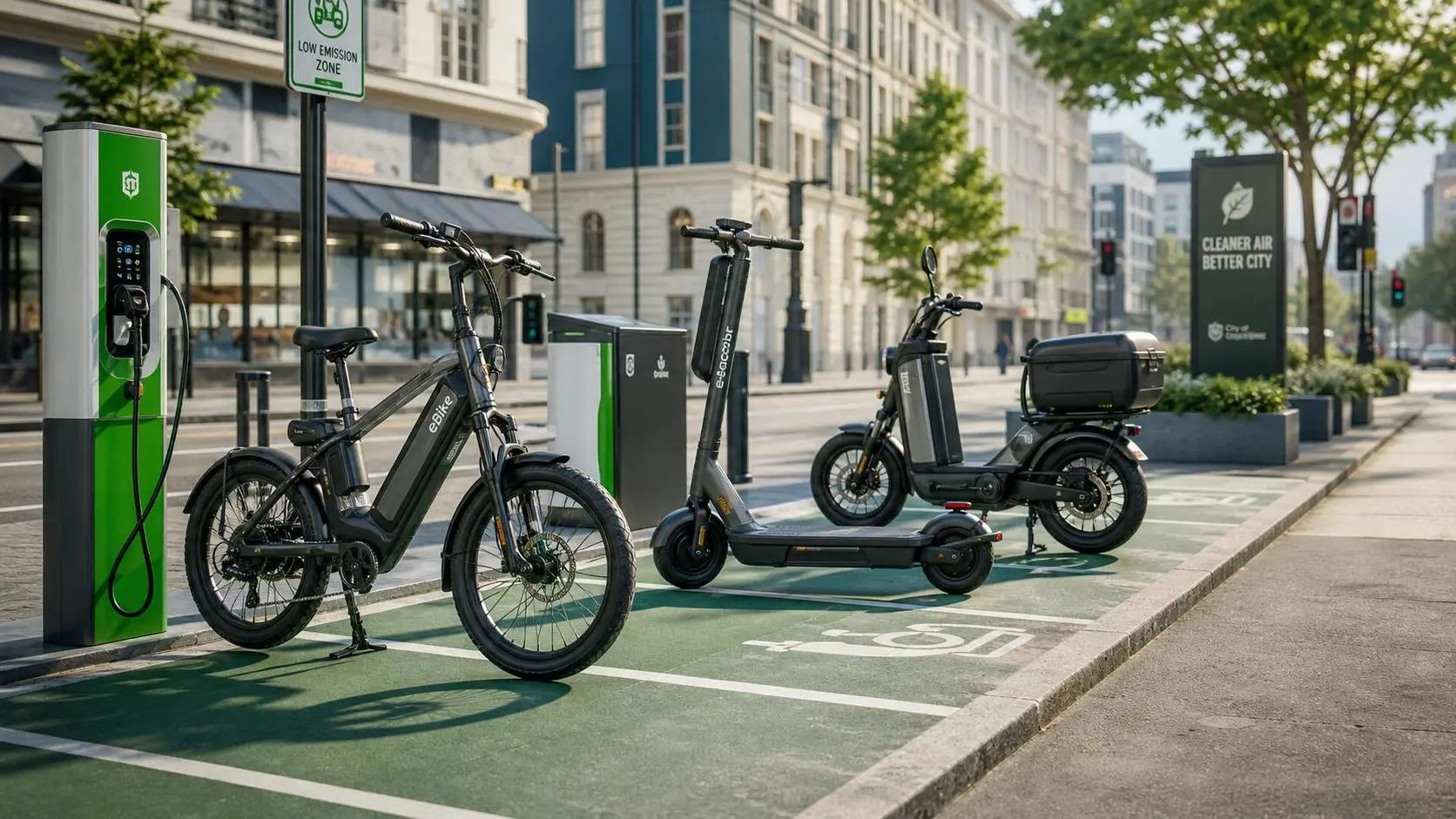
What Is Driving Green Two-wheelers Demand in Europe? Policy, Fuel Costs, and Buyer Segments
Green two-wheelers demand Europe is rising as policy support, fuel cost pressure, and diverse buyer segments reshape urban mobility. Explore the trends driving the next growth wave.