
Related News
- 00
0000-00
Electric Motorcycle Systems Price Breakdown: What Affects Cost From Battery to Controller? - 00
0000-00
Micro-mobility Systems Explained: Core Components, Operating Models, and City Use Cases - 00
0000-00
Electrification Strategies in Europe: Policy, Charging, and ROI Factors for Fleet Planning - 00
0000-00
OEM Market Share in Electric Motorcycles: What It Reveals About Brand Positioning - 00
0000-00
What Is a Smart Transportation Platform and Which Urban Mobility Use Cases Fit Best?
Ms. Elena Rodriguez
Weekly Insights
Stay ahead with our curated technology reports delivered every Monday.
Why lightweight electric vehicles fit crowded city streets





In today’s congested urban landscape, lightweight electric vehicles are becoming a smarter choice for everyday travel. From e-bikes and smart e-scooters to compact high-speed e-motorcycles, these agile solutions help riders move faster, park easier, and reduce emissions without sacrificing convenience. As cities push for cleaner, more efficient transport, understanding why these vehicles fit crowded streets is essential for practical, low-carbon mobility.
Crowded streets are changing what urban mobility must deliver
City streets are under pressure from rising population density, delivery demand, and limited parking supply.
At the same time, governments are tightening emission targets and redesigning road space for safer, multimodal transport.
This shift is creating a strong case for lightweight electric vehicles across daily commuting, short-haul logistics, and shared mobility networks.
Unlike full-size cars, these vehicles require less space, less energy, and less infrastructure to move people efficiently.
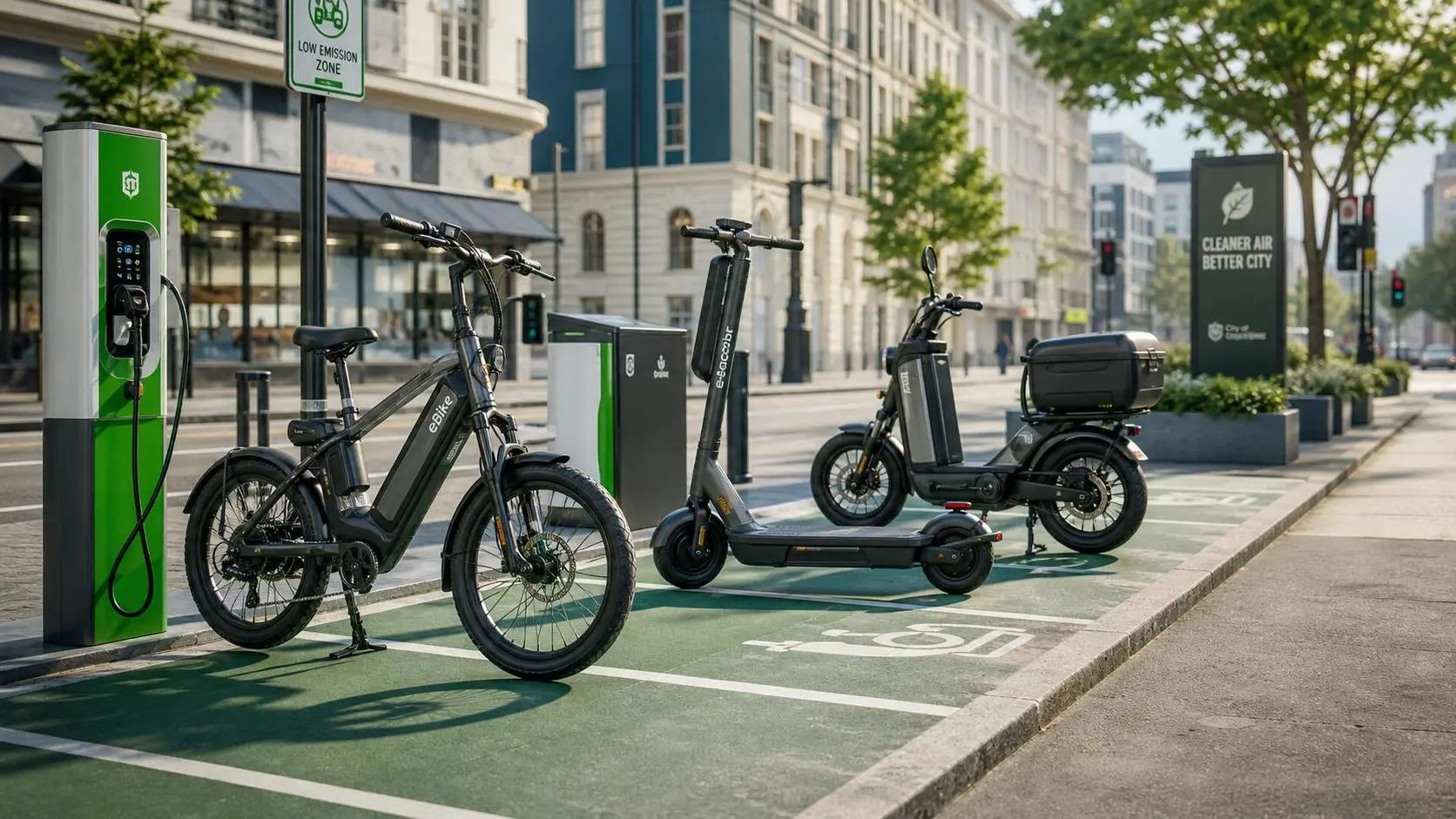
That is why e-bikes, smart e-scooters, and compact electric motorcycles now stand at the center of urban mobility discussions.
A visible trend across global micro-mobility systems
The strongest signal is simple: cities are no longer planning around car dominance alone.
Protected bike lanes, low-emission zones, battery-swapping pilots, and digital fleet controls all favor compact electric transport.
For intelligence platforms like UMMS, this trend connects vehicle design, energy efficiency, and real urban operating conditions.
Why lightweight electric vehicles match the reality of dense cities
Lightweight electric vehicles fit crowded city streets because they solve several urban problems at once.
- They occupy less road space during movement and parking.
- They accelerate quickly in stop-and-go traffic.
- They consume less energy per trip than larger vehicles.
- They integrate naturally with cycling lanes and mixed urban corridors.
- They support low-carbon goals without heavy infrastructure expansion.
Their value becomes even clearer where average trip distance is short and congestion is persistent.
Most city trips do not need the mass, speed, or carrying capacity of a private car.
Instead, people need agile vehicles that can start fast, navigate safely, and stop almost anywhere legally permitted.
Space efficiency is the first urban advantage
Space is the scarcest resource in central business districts and residential cores.
A single car parking space can often accommodate multiple e-bikes or e-scooters.
This makes lightweight electric vehicles highly compatible with dense curbside management strategies.
Energy efficiency is the second major advantage
Less weight means less energy is required for acceleration, climbing, and repeated braking cycles.
This directly improves range, lowers charging frequency, and reduces total operating costs.
For urban users, that translates into simpler daily use and more predictable travel patterns.
The strongest drivers behind the rise of lightweight electric vehicles
The growth of lightweight electric vehicles is not random. It is driven by structural forces.
These drivers reinforce one another, turning lightweight electric vehicles from niche tools into mainstream urban assets.
Different vehicle categories are meeting different city needs
Not all compact electric transport works the same way. Each category fills a specific urban role.
E-bikes support balanced daily commuting
E-bikes blend pedal input and electric assist, making them ideal for mixed-distance urban trips.
They reduce rider fatigue while keeping energy use low and route flexibility high.
Smart e-scooters solve the last-mile problem
Smart e-scooters thrive in short, frequent trips near transit hubs, offices, campuses, and retail zones.
Their compact form and IoT integration make them useful for both private and shared systems.
High-speed e-motorcycles extend electric range and performance
Compact electric motorcycles fit riders who need higher speeds without moving to a full-size car.
They are increasingly relevant in outer districts and longer urban-suburban corridors.
Together, these categories show how lightweight electric vehicles cover multiple layers of city mobility demand.
The impact is reaching design, infrastructure, and mobility business models
The rise of lightweight electric vehicles is reshaping more than consumer choice.
It is influencing vehicle architecture, battery systems, safety features, and urban service planning.
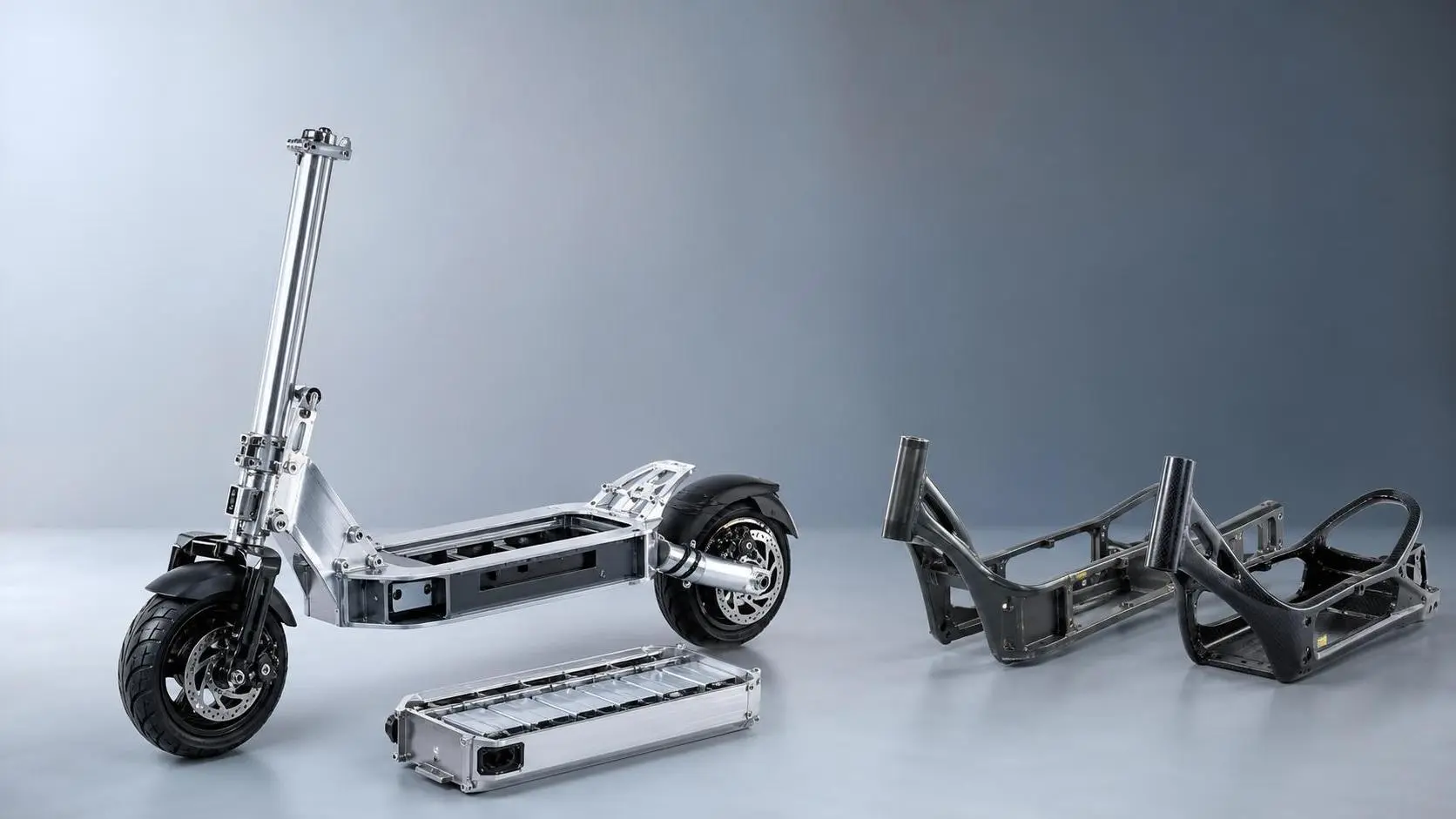
- Frames are becoming lighter yet stronger through advanced materials and smarter geometry.
- Powertrains are being optimized for torque efficiency in repeated stop-start conditions.
- Battery management systems are improving thermal control and lifecycle performance.
- Connected modules now support anti-theft, geofencing, diagnostics, and fleet visibility.
- Urban planners are allocating more road space to micro-mobility circulation.
This is where industry intelligence becomes essential.
UMMS tracks these technical and regulatory signals across e-bikes, smart e-scooters, e-motorcycles, and precision components.
That broader view helps decode which shifts are temporary and which are defining the next urban transport baseline.
What deserves close attention as the market matures
As adoption grows, success will depend on more than lightweight form alone.
Several points deserve careful attention in the next phase.
- Safety integration: Braking, visibility, tires, lighting, and weather performance remain decisive.
- Battery reliability: Heat control, charging discipline, and pack protection affect long-term trust.
- Regulatory alignment: Speed classes, right-of-way rules, and parking compliance vary by city.
- Serviceability: Easy repair, modular components, and diagnostic access reduce downtime.
- System efficiency: Weight reduction should not weaken durability or real-road stability.
The winners will be the solutions that balance lightness, intelligence, and urban resilience.
How to evaluate the next move in lightweight electric vehicles
A useful response starts with practical questions, not hype.
This evaluation method helps separate durable market direction from short-lived enthusiasm.
Why this matters now
The future of city travel will not be defined by one vehicle type.
It will be shaped by coordinated, efficient mobility layers that fit real urban constraints.
Lightweight electric vehicles fit crowded city streets because they answer today’s most urgent transport needs with precision.
They save space, cut emissions, reduce friction in short trips, and align with smarter infrastructure planning.
For deeper insight into e-bikes, smart e-scooters, high-speed e-motorcycles, and core system trends, keep tracking the intelligence signals shaping urban micro-mobility.
The next practical step is to compare vehicle category, local policy, battery strategy, and road conditions before making any mobility decision.
Related News
How to Choose Lightweight Scooter Frames in Europe: Materials, Standards, and Use Cases
Lightweight scooter frames Europe buyers need should balance materials, EN standards, durability, and real use cases. Discover how to choose safer, smarter, compliant frames.
What Is the Intellectualization of Mobility Platform and How Is It Applied in Shared Fleets?
Intellectualization of mobility platform is reshaping shared fleets with real-time data, predictive maintenance, and smarter compliance—learn how it boosts safety, uptime, and urban mobility efficiency.
Urban Micro-Mobility Systems in Latin America: Key Market Drivers, Barriers, and Growth Segments
Urban micro-mobility systems Latin America are reshaping city transport. Explore key drivers, barriers, and high-growth segments to spot the region’s most investable opportunities.
Electric Motorcycle Systems Price Breakdown: What Affects Cost From Battery to Controller?
Electric motorcycle systems price explained: see how battery, controller, motor, BMS, and wiring affect total cost, reliability, and sourcing value before you buy.
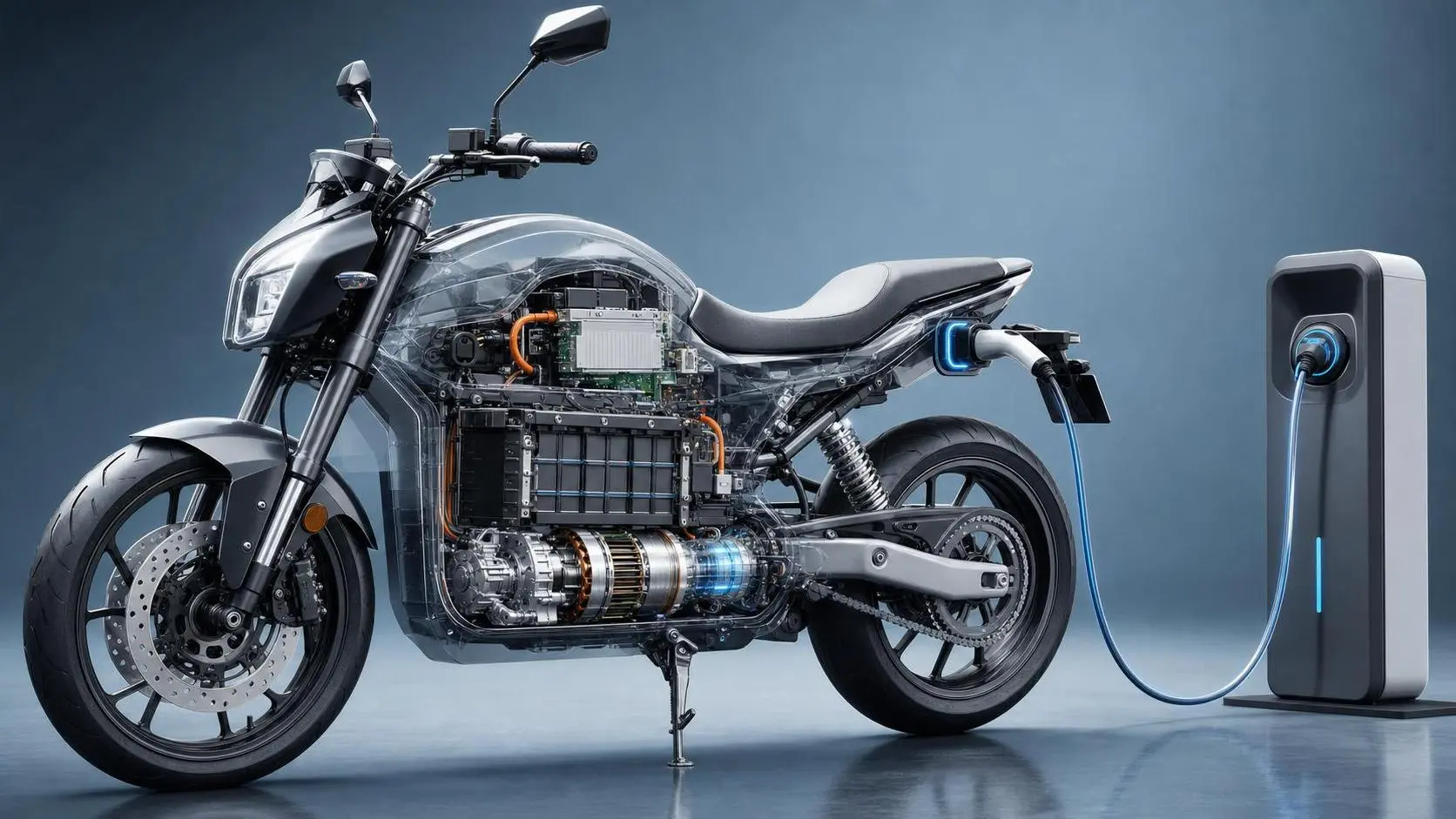
72V Electric Motorcycle Technology Explained: Motors, Controllers, Range, and Charging
Electric motorcycle technology 72V explained clearly: compare motors, controllers, range, battery design, and charging to choose a smoother, stronger, and smarter electric ride.
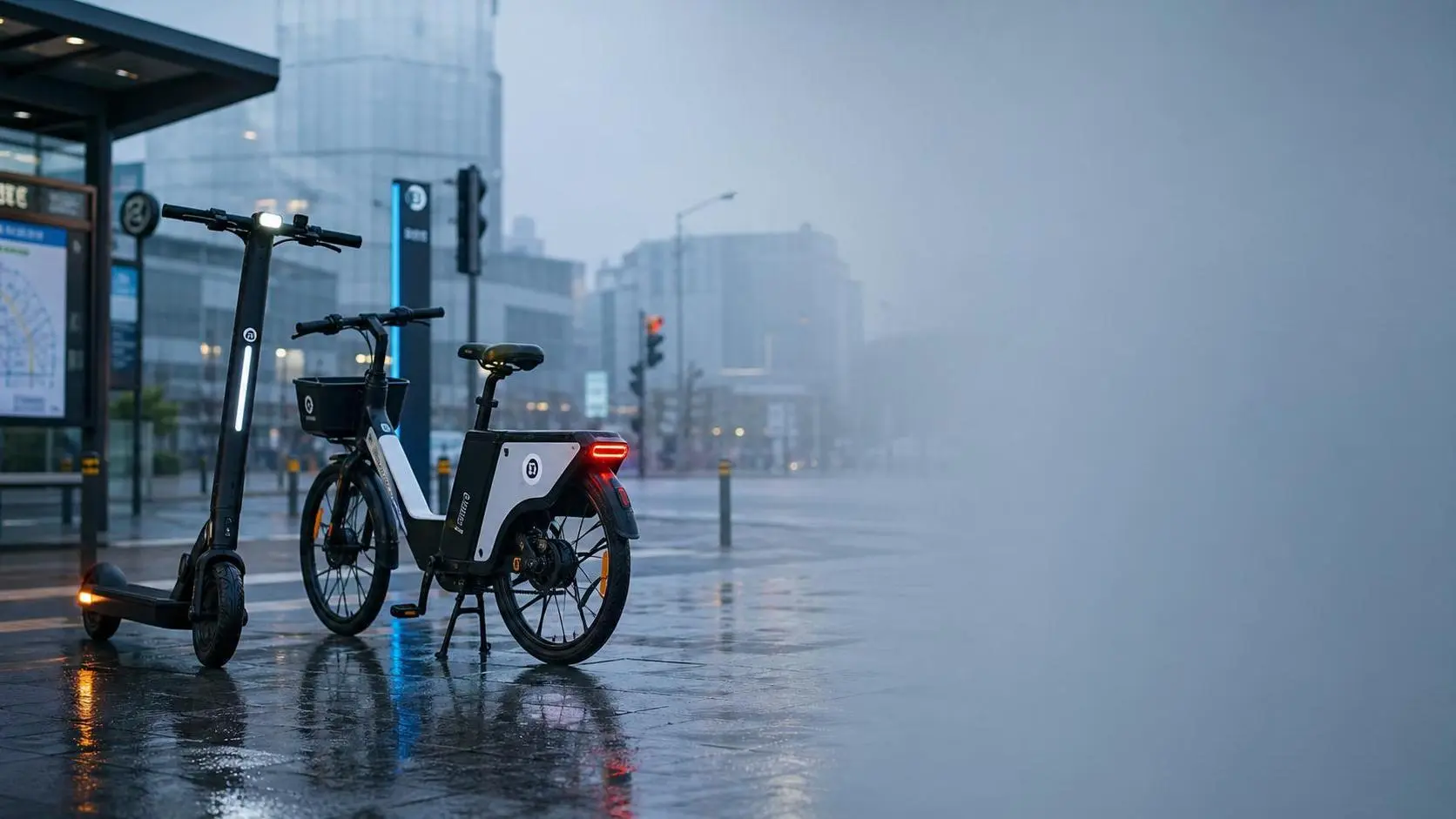
Where LED Urban Visibility Safety Systems Fit Best in Shared Scooters and City E-bikes
LED urban visibility safety systems deliver the most value in shared scooters and city e-bikes by improving multi-angle safety, fleet durability, and urban compliance across real-world routes.
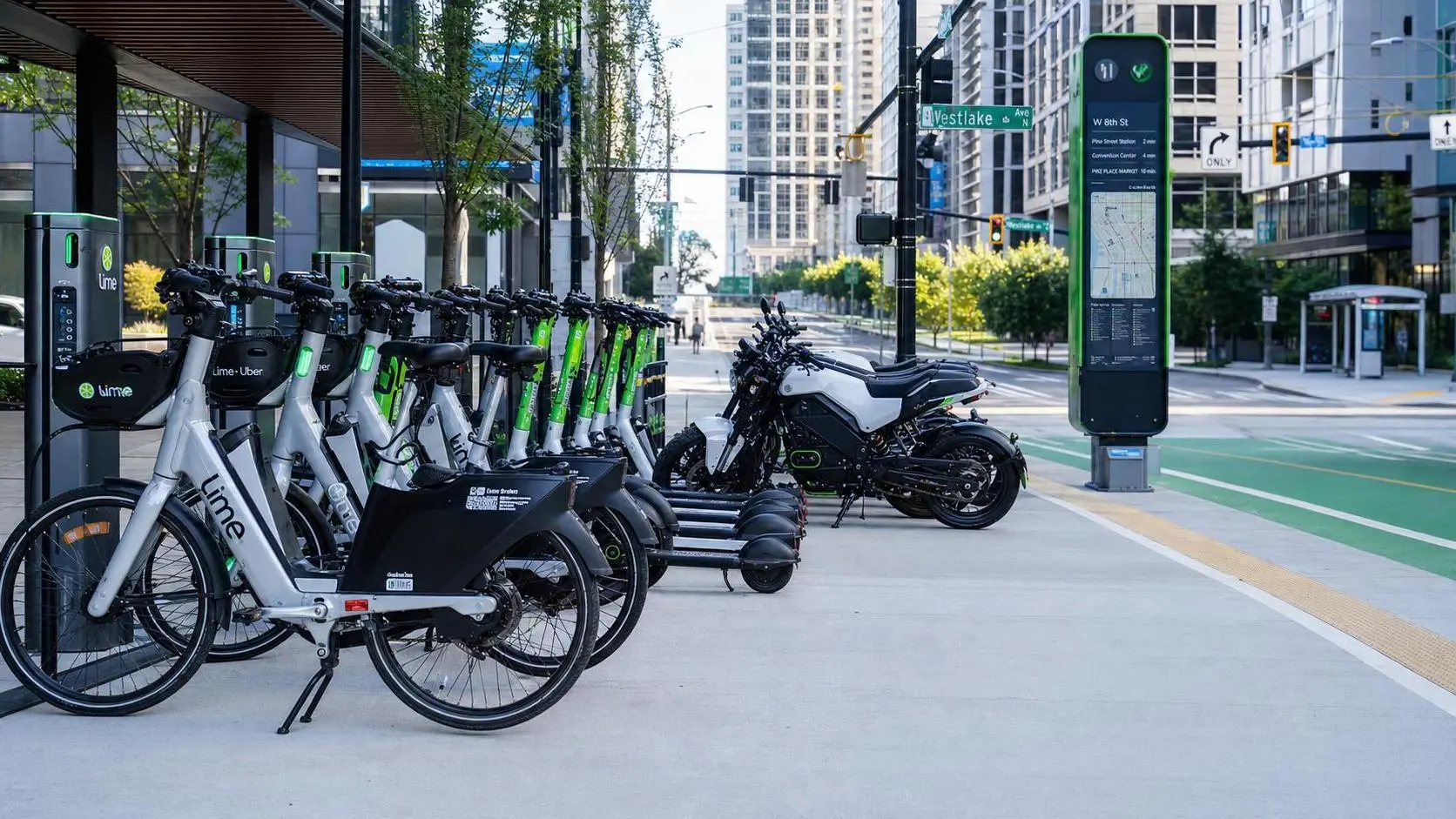
Intellectualization of Mobility in North America: What Is Driving Adoption Across Urban Transport?
Intellectualization of mobility North America is reshaping urban transport through data, smart fleets, and battery intelligence. Explore what is driving adoption and why cities and operators are accelerating now.
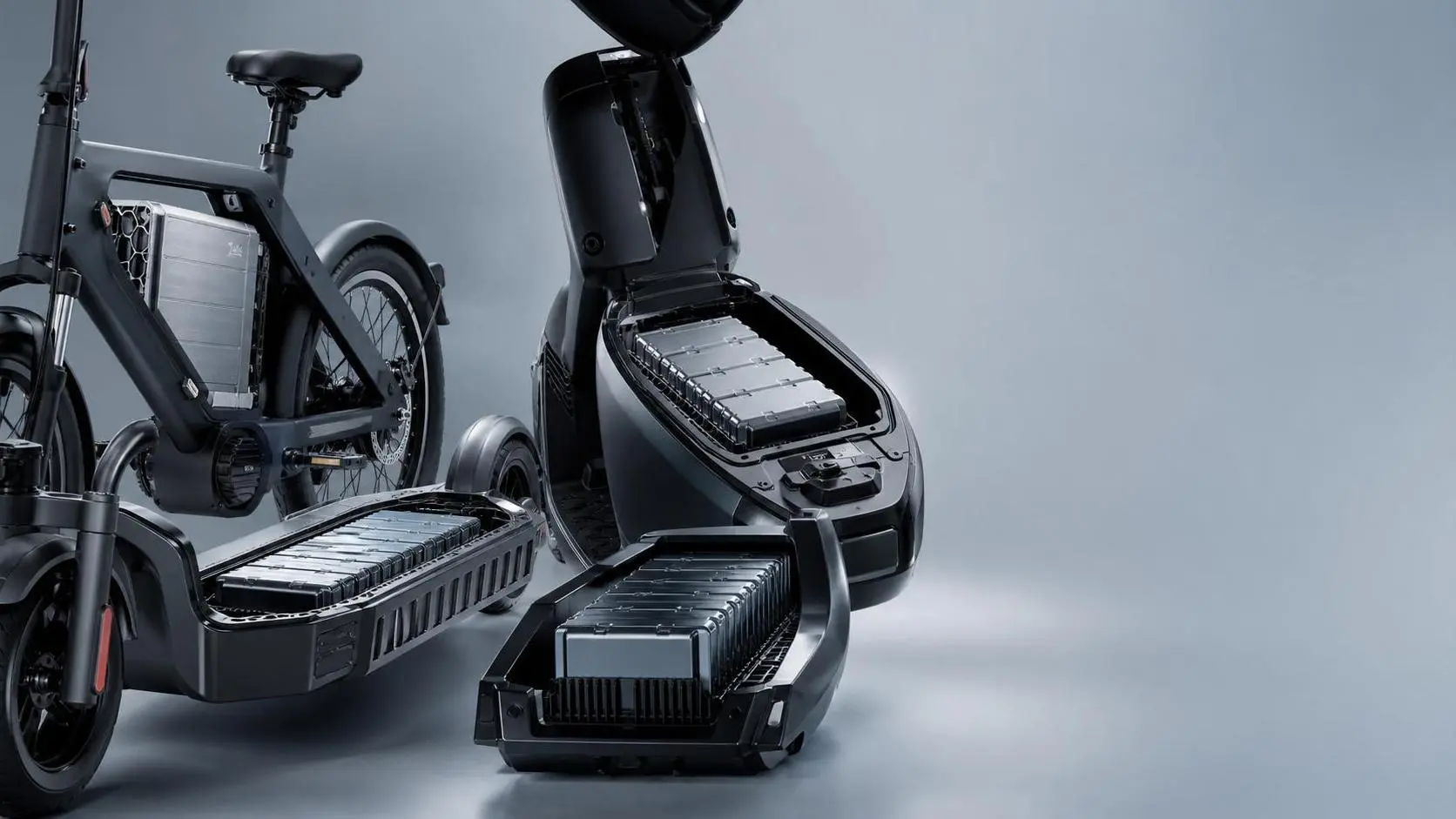
How to Choose a Compact Battery Pack: Size, Energy Density, Thermal Design, and Cycle Life
Compact battery pack selection starts with more than size. Learn how energy density, thermal design, and cycle life shape range, safety, and long-term value.
What Is Driving Green Two-wheelers Demand in Europe? Policy, Fuel Costs, and Buyer Segments
Green two-wheelers demand Europe is rising as policy support, fuel cost pressure, and diverse buyer segments reshape urban mobility. Explore the trends driving the next growth wave.