
Related News
- 00
0000-00
Electric Motorcycle Systems Price Breakdown: What Affects Cost From Battery to Controller? - 00
0000-00
Micro-mobility Systems Explained: Core Components, Operating Models, and City Use Cases - 00
0000-00
Electrification Strategies in Europe: Policy, Charging, and ROI Factors for Fleet Planning - 00
0000-00
OEM Market Share in Electric Motorcycles: What It Reveals About Brand Positioning - 00
0000-00
What Is a Smart Transportation Platform and Which Urban Mobility Use Cases Fit Best?
Ms. Elena Rodriguez
Weekly Insights
Stay ahead with our curated technology reports delivered every Monday.
What urban electric mobility still gets wrong today





Urban electric mobility promises cleaner, faster city transport, yet many solutions still fall short on safety, infrastructure fit, lifecycle efficiency, and real user needs. For business decision-makers, understanding what urban electric mobility still gets wrong is essential to spotting market gaps, guiding smarter product strategy, and building scalable systems that deliver both commercial value and sustainable urban impact.
For OEMs, component suppliers, fleet operators, and city-facing mobility investors, the real question is no longer whether electrified two-wheel transport will grow. The question is which systems will survive tighter regulation, harsher use cycles, and more demanding urban customers over the next 3 to 5 years.
That is where urban electric mobility still reveals major weaknesses. Many products look competitive on launch day, but underperform once exposed to daily stop-and-go traffic, battery stress, weather variability, maintenance constraints, and fragmented infrastructure.
For intelligence-led platforms such as UMMS, the opportunity lies in connecting product engineering, policy shifts, drivetrain precision, battery logic, and real operating economics. Better decisions come from understanding not only what sells, but what scales.
Where Urban Electric Mobility Still Misses the Mark
The biggest gap in urban electric mobility is the mismatch between product promises and operating reality. Many systems are designed for showroom comparison, not for 8 to 12 hours of daily use, mixed rider behavior, and maintenance intervals that must stay commercially viable.
1. Safety is still treated as a feature, not a system
In practice, safety depends on at least 4 linked layers: braking performance, visibility, road contact, and rider feedback. Too many e-bikes, smart e-scooters, and high-speed e-motorcycles are sold with strong acceleration specs but weak integration across those layers.
For example, visibility is often underestimated in urban electric mobility. Lighting output, reflective design, and weather-exposed components such as sensor housings or compact wiper systems can determine whether a vehicle remains safe in rain, dust, or low-light winter commuting conditions.
Common safety design failures
- Brake tuning optimized for dry tests rather than wet-stop consistency
- Battery placement that raises center of gravity and reduces low-speed control
- Insufficient ingress protection for connectors, displays, or IoT modules
- Poor visibility solutions for riders operating in rain, fog, or night traffic
2. Infrastructure fit is still too narrow
Urban electric mobility often assumes that lanes, parking, charging, and right-of-way rules already exist. In reality, many cities are still in phase 1 or phase 2 of infrastructure adaptation, while mobility products are already in phase 4 of technical complexity.
That mismatch creates friction. A high-performance e-motorcycle with a 90 to 120 km urban range is useful only if parking security, charging access, or battery-swapping support are available within practical operating distance.
The table below shows where market enthusiasm and operational readiness often diverge in urban electric mobility deployments.
For decision-makers, the lesson is simple: product readiness and city readiness must be evaluated together. Urban electric mobility fails when deployment plans focus only on unit sales and ignore route density, charging behavior, weather exposure, and curb management.
3. Lifecycle efficiency is still undervalued
A low purchase price can hide a high lifecycle cost. In urban electric mobility, total operating performance depends on battery degradation, replacement cycles, drivetrain wear, electronics failure rates, software downtime, and service labor availability over 24 to 36 months.
This is especially relevant in fleet settings. A shared e-scooter or delivery-focused e-bike may be judged profitable at launch, yet become margin-negative if charging labor, parts replacement, and field service visits rise above planned thresholds by 15% to 20%.
Why Product Strategy Often Lags Behind Urban Reality
Many urban electric mobility programs are still built from a product-first mindset. The result is attractive hardware without enough attention to route patterns, seasonal load variation, rider segmentation, or serviceability under local operating conditions.
Design teams often optimize the wrong metrics
Top-line specifications such as peak motor output, maximum range, or app features are easy to market. However, B2B buyers increasingly care about 6 harder metrics: uptime, maintenance hours per unit, battery health retention, spare parts access, software stability, and regulatory compatibility.
An e-bike with a nominal 70 km range means little if real stop-start urban use reduces performance to 40 to 50 km and the battery requires intensive thermal management in summer. The same applies to wireless electronic shifting systems that perform beautifully in testing but struggle with interference, contamination, or field calibration delays.
Three recurring strategy errors
- Overbuilding features for marketing value instead of operational value
- Underestimating maintenance simplicity and technician training needs
- Ignoring climate, road quality, and usage intensity across regions
User needs are still misunderstood
Urban electric mobility is not one market. A commuter using an e-bike 5 days a week has different expectations from a tourist renting a shared e-scooter for 20 minutes, or a logistics rider depending on an electric motorcycle for 60 deliveries per day.
When manufacturers design around an average user, they often miss the profitable edge cases. Those edge cases include heavy-load riders, high-rainfall cities, steep-gradient districts, and fleet operators that need replacement parts shipped within 48 to 72 hours.
The table below outlines how business buyers should map user reality to product architecture before scaling an urban electric mobility program.
This kind of segmentation prevents costly overgeneralization. In urban electric mobility, product-market fit improves when engineering decisions start from duty cycle, environmental stress, and service workflow instead of broad consumer assumptions.
What Better Urban Electric Mobility Systems Should Look Like
To correct current weaknesses, urban electric mobility needs integrated systems thinking. That means connecting the vehicle, the rider, the infrastructure, the service network, and the policy environment rather than optimizing each in isolation.
Build for durability, not just launch performance
A scalable platform should be evaluated across at least 5 dimensions: powertrain efficiency, battery thermal stability, environmental sealing, repair accessibility, and digital diagnostics. These factors often matter more than a 10% difference in peak acceleration or display sophistication.
For example, a precision drivetrain or derailleur component that reduces friction losses and shifting errors can improve ride quality and energy use across thousands of kilometers. Likewise, weather-aware safety subsystems, including sensing and visibility support, can materially reduce downtime in rainy or cold urban markets.
Recommended evaluation checklist
- Battery performance retention after 500 to 800 charging cycles
- Ingress protection appropriate for urban rain and dust exposure
- Replacement time for key wear parts within 15 to 30 minutes
- Availability of firmware updates without extended vehicle downtime
- Compatibility with local subsidy or road-use compliance frameworks
Use intelligence to close the gap between engineering and market demand
This is where UMMS-style intelligence becomes strategically valuable. Decision-makers need stitched insight across policy, components, rider behavior, and performance evolution. A battery spec alone is not enough. A city regulation update alone is not enough. Value appears when these signals are interpreted together.
For example, a supplier evaluating high-speed e-motorcycles should study not only torque and thermal behavior, but also battery-swap network maturity, expected urban trip length, and service labor capabilities by region. The same intelligence approach applies to e-bikes, smart e-scooters, and high-precision bicycle transmission systems.
Plan deployment in stages
Urban electric mobility scales more reliably through phased implementation than through rapid citywide rollout. A practical model often follows 3 stages: pilot validation, operating adjustment, and controlled expansion.
- Pilot validation over 60 to 90 days with defined route and user profiles
- Operating adjustment focused on maintenance data, charging flow, and rider feedback
- Controlled expansion based on uptime, cost per kilometer, and compliance stability
This staged method helps prevent the classic failure of urban electric mobility projects: scaling too early on incomplete assumptions, then discovering that weather, infrastructure gaps, or service bottlenecks erase projected margin.
How Business Decision-Makers Should Evaluate Opportunities Now
The most promising urban electric mobility opportunities are no longer based on generic electrification claims. They are based on measurable system performance, regional compatibility, and the ability to maintain value over time.
Focus on four commercial filters
- Can the product remain reliable across real urban weather and road conditions?
- Can the service network support replacement parts and diagnostics at scale?
- Can the platform adapt to different policy and right-of-way rules?
- Can lifecycle economics remain attractive after 12, 24, and 36 months?
These filters are especially important in cross-border expansion. What works in one European city may not transfer cleanly to Southeast Asia, Latin America, or the Middle East, where heat, road vibration, charging access, and rider behavior differ significantly.
Key procurement warning signs
Be cautious when suppliers cannot clearly explain spare-part lead times, battery management logic, controller protection strategy, or maintenance procedures. In urban electric mobility, vague technical answers usually become expensive operational problems later.
Likewise, avoid selection processes based only on purchase price. A unit that is 8% cheaper upfront may become 20% more expensive over 2 years if maintenance frequency, software instability, or rider complaints trigger higher support costs.
Urban electric mobility still gets the basics wrong when it treats electrification as the end goal. It is only the starting point. Winning systems are those that combine efficient electromechanical design, durable battery logic, precision components, digital control, and city-fit deployment strategy.
For enterprise buyers, investors, and mobility brands, the market gap is clear: safer, more maintainable, and more context-aware solutions are still needed across e-bikes, smart e-scooters, high-speed e-motorcycles, and adjacent component ecosystems.
If you are assessing product direction, sourcing priorities, or international expansion in urban electric mobility, now is the time to work from integrated market intelligence rather than isolated product claims. Contact UMMS to explore tailored insight, compare technology pathways, and identify scalable solutions for your next mobility move.
Related News
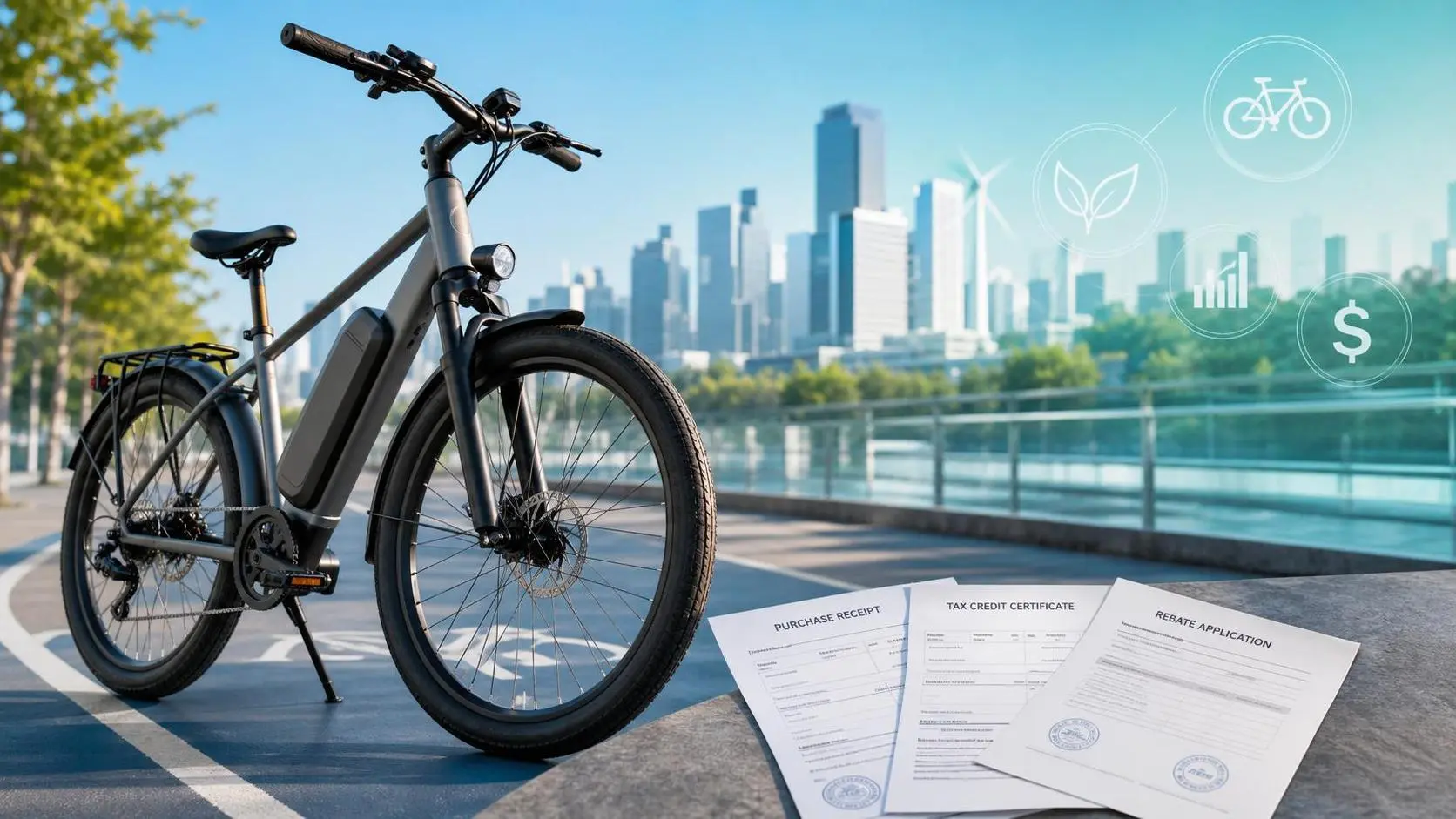
E-Bike Incentives Explained: How Riders Can Find Local Rebates and Tax Credits
E bike incentives explained: learn how to find local rebates, tax credits, and utility offers, avoid common mistakes, and cut the real cost of your next e-bike.
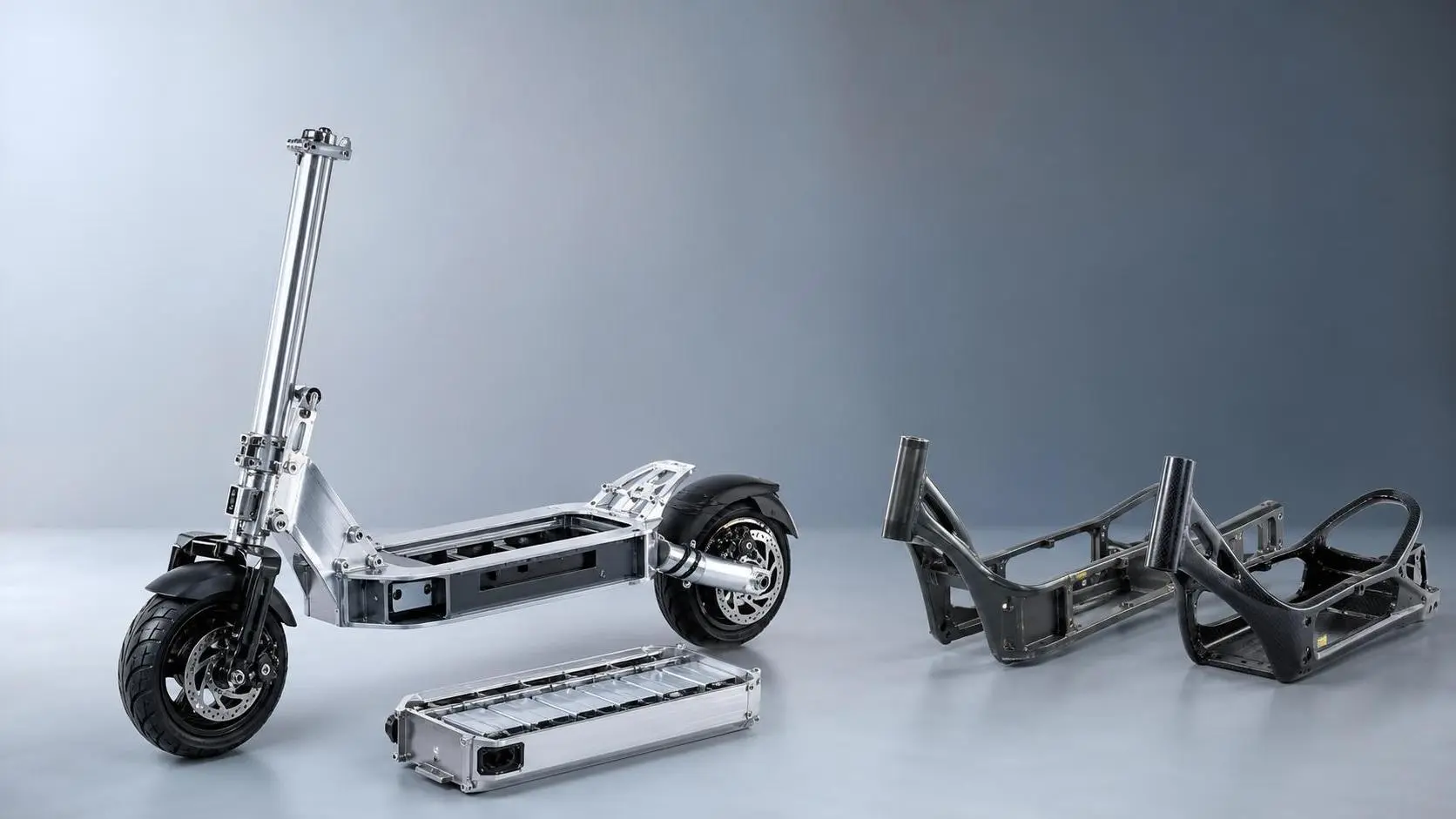
How to Choose Lightweight Scooter Frames in Europe: Materials, Standards, and Use Cases
Lightweight scooter frames Europe buyers need should balance materials, EN standards, durability, and real use cases. Discover how to choose safer, smarter, compliant frames.
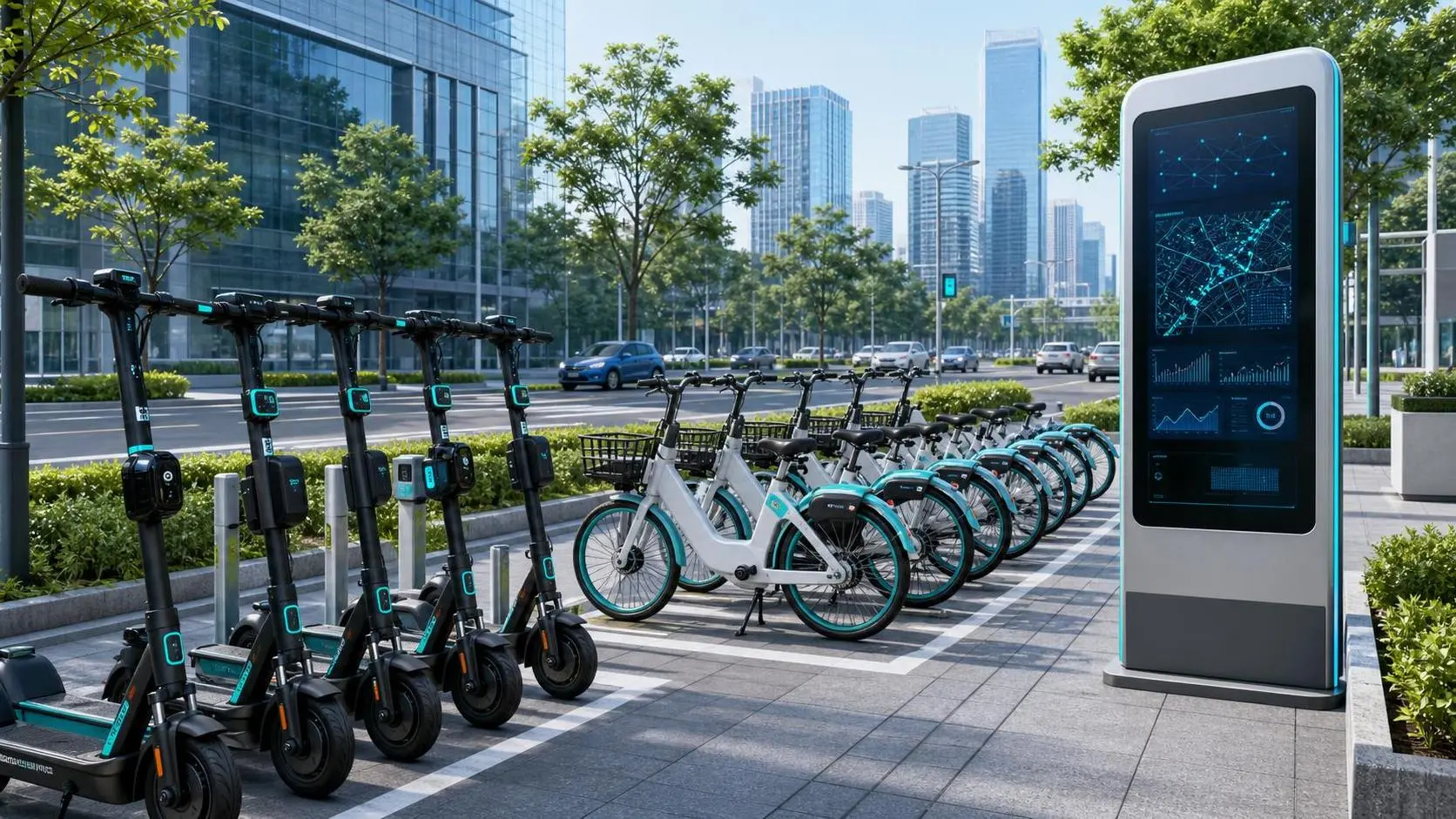
What Is the Intellectualization of Mobility Platform and How Is It Applied in Shared Fleets?
Intellectualization of mobility platform is reshaping shared fleets with real-time data, predictive maintenance, and smarter compliance—learn how it boosts safety, uptime, and urban mobility efficiency.
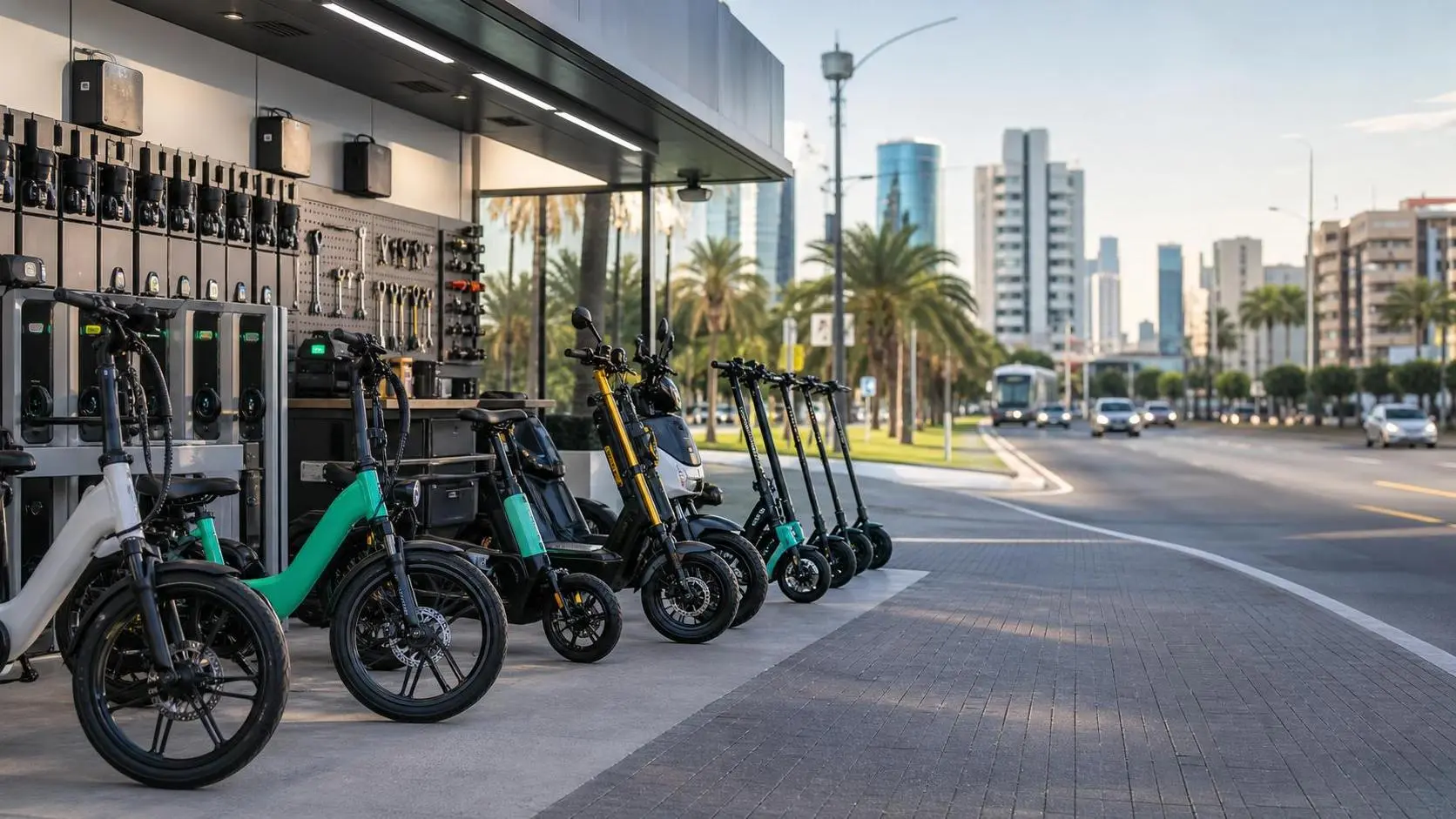
Urban Micro-Mobility Systems in Latin America: Key Market Drivers, Barriers, and Growth Segments
Urban micro-mobility systems Latin America are reshaping city transport. Explore key drivers, barriers, and high-growth segments to spot the region’s most investable opportunities.
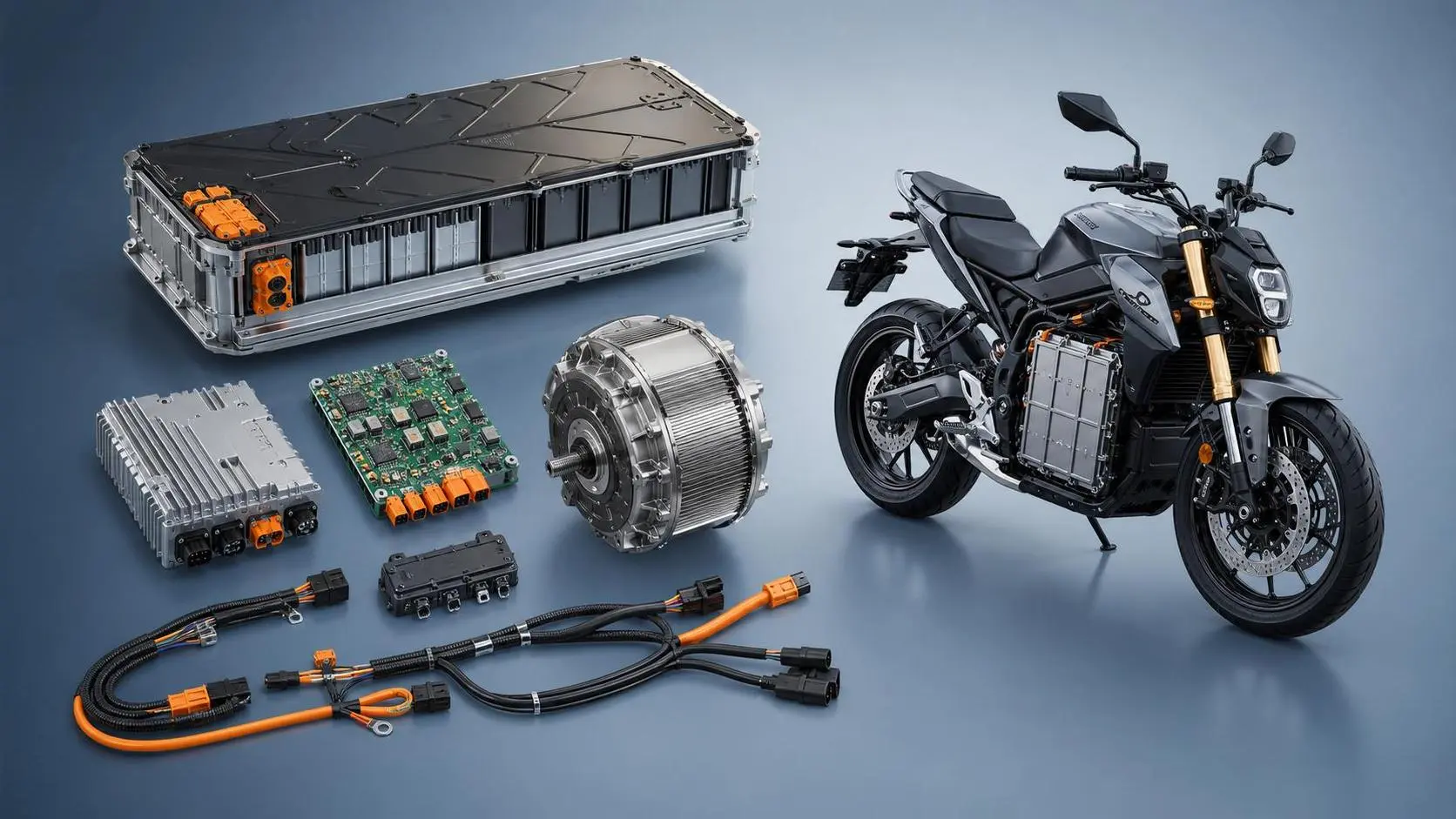
Electric Motorcycle Systems Price Breakdown: What Affects Cost From Battery to Controller?
Electric motorcycle systems price explained: see how battery, controller, motor, BMS, and wiring affect total cost, reliability, and sourcing value before you buy.
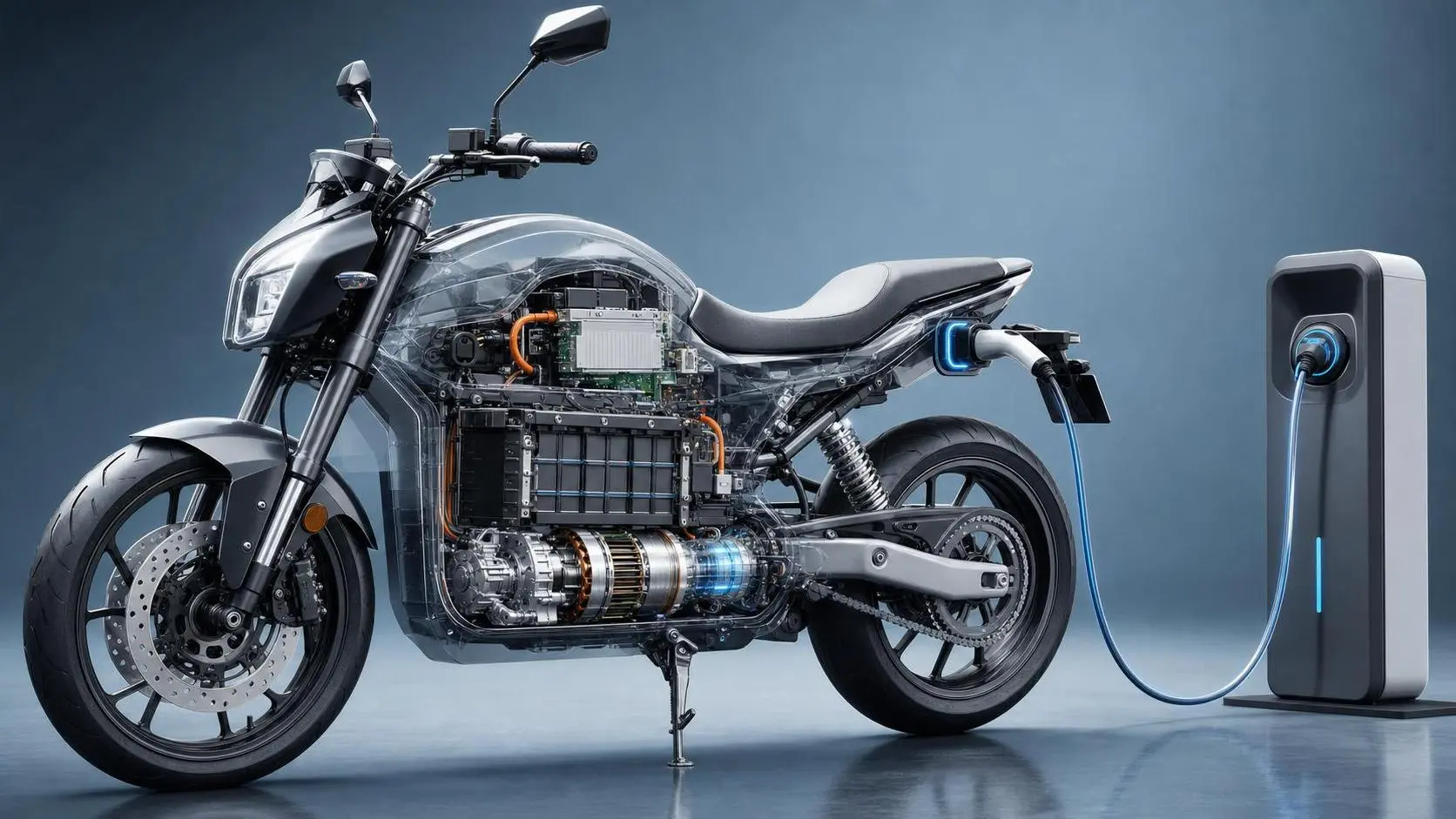
72V Electric Motorcycle Technology Explained: Motors, Controllers, Range, and Charging
Electric motorcycle technology 72V explained clearly: compare motors, controllers, range, battery design, and charging to choose a smoother, stronger, and smarter electric ride.

Where LED Urban Visibility Safety Systems Fit Best in Shared Scooters and City E-bikes
LED urban visibility safety systems deliver the most value in shared scooters and city e-bikes by improving multi-angle safety, fleet durability, and urban compliance across real-world routes.
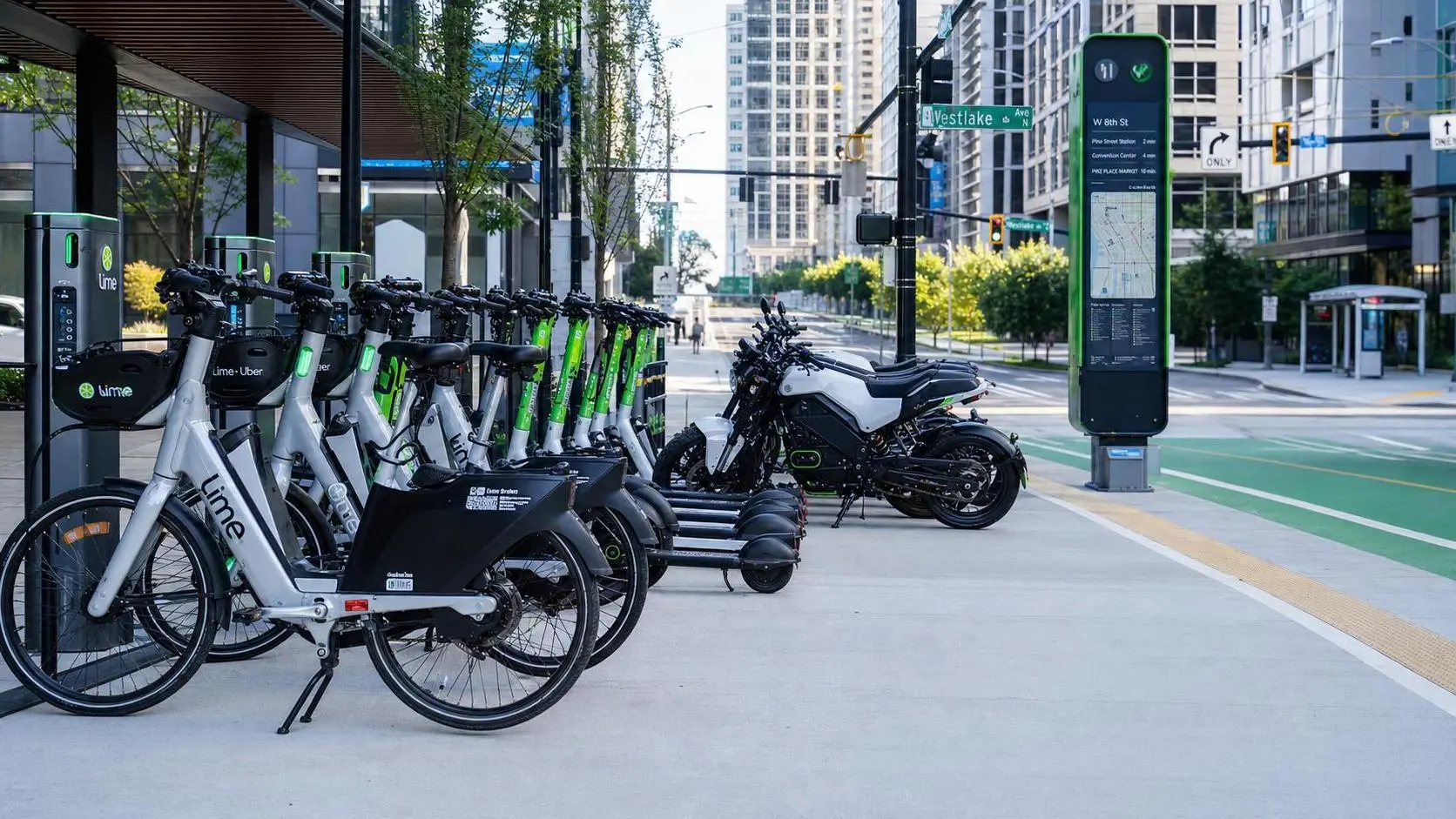
Intellectualization of Mobility in North America: What Is Driving Adoption Across Urban Transport?
Intellectualization of mobility North America is reshaping urban transport through data, smart fleets, and battery intelligence. Explore what is driving adoption and why cities and operators are accelerating now.
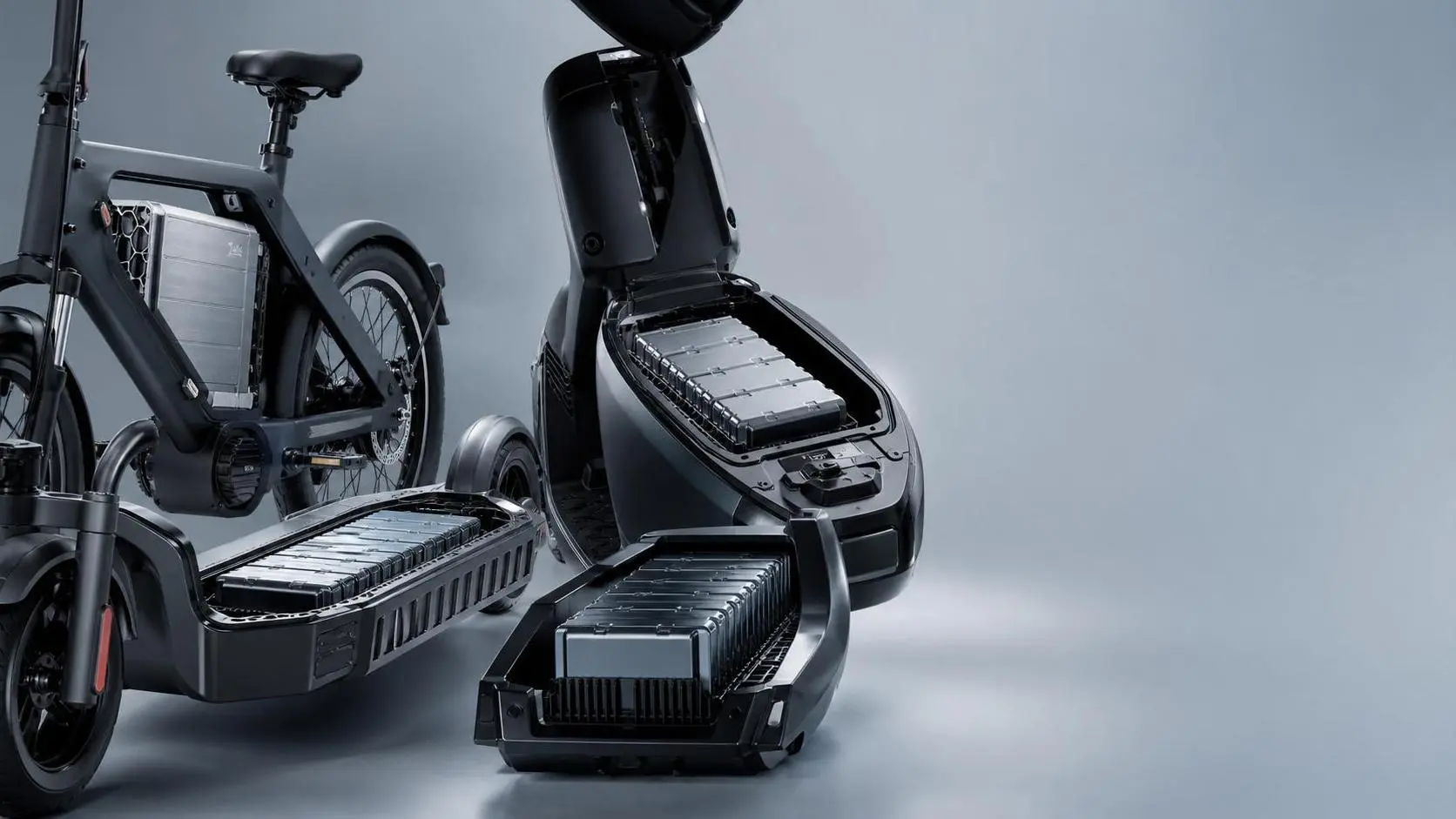
How to Choose a Compact Battery Pack: Size, Energy Density, Thermal Design, and Cycle Life
Compact battery pack selection starts with more than size. Learn how energy density, thermal design, and cycle life shape range, safety, and long-term value.