
Related News
- 00
0000-00
Electric Motorcycle Systems Price Breakdown: What Affects Cost From Battery to Controller? - 00
0000-00
Micro-mobility Systems Explained: Core Components, Operating Models, and City Use Cases - 00
0000-00
Electrification Strategies in Europe: Policy, Charging, and ROI Factors for Fleet Planning - 00
0000-00
OEM Market Share in Electric Motorcycles: What It Reveals About Brand Positioning - 00
0000-00
What Is a Smart Transportation Platform and Which Urban Mobility Use Cases Fit Best?
Ms. Elena Rodriguez
Weekly Insights
Stay ahead with our curated technology reports delivered every Monday.
Can urban transportation keep up with shorter trips





As cities grow denser and daily journeys become shorter, urban transportation faces mounting pressure to stay efficient, flexible, and low-carbon. From e-bikes and smart e-scooters to high-speed e-motorcycles and advanced component systems, new mobility solutions are reshaping how people move through congested urban spaces. This article explores whether today’s urban transportation systems can adapt fast enough to meet changing travel patterns, regulatory demands, and the rising need for smarter last-mile connectivity.
Why urban transportation is being redefined by shorter trips
The core challenge in urban transportation is no longer moving people across entire metropolitan areas alone. It is increasingly about handling short, frequent, and fragmented journeys between transit hubs, workplaces, residential blocks, campuses, and retail zones.
For information researchers, this creates a complex evaluation problem. Traditional systems such as buses, metros, and private cars still matter, but they often perform poorly in the final two to five kilometers where flexibility, parking, charging, weather resilience, and right-of-way policies decide user adoption.
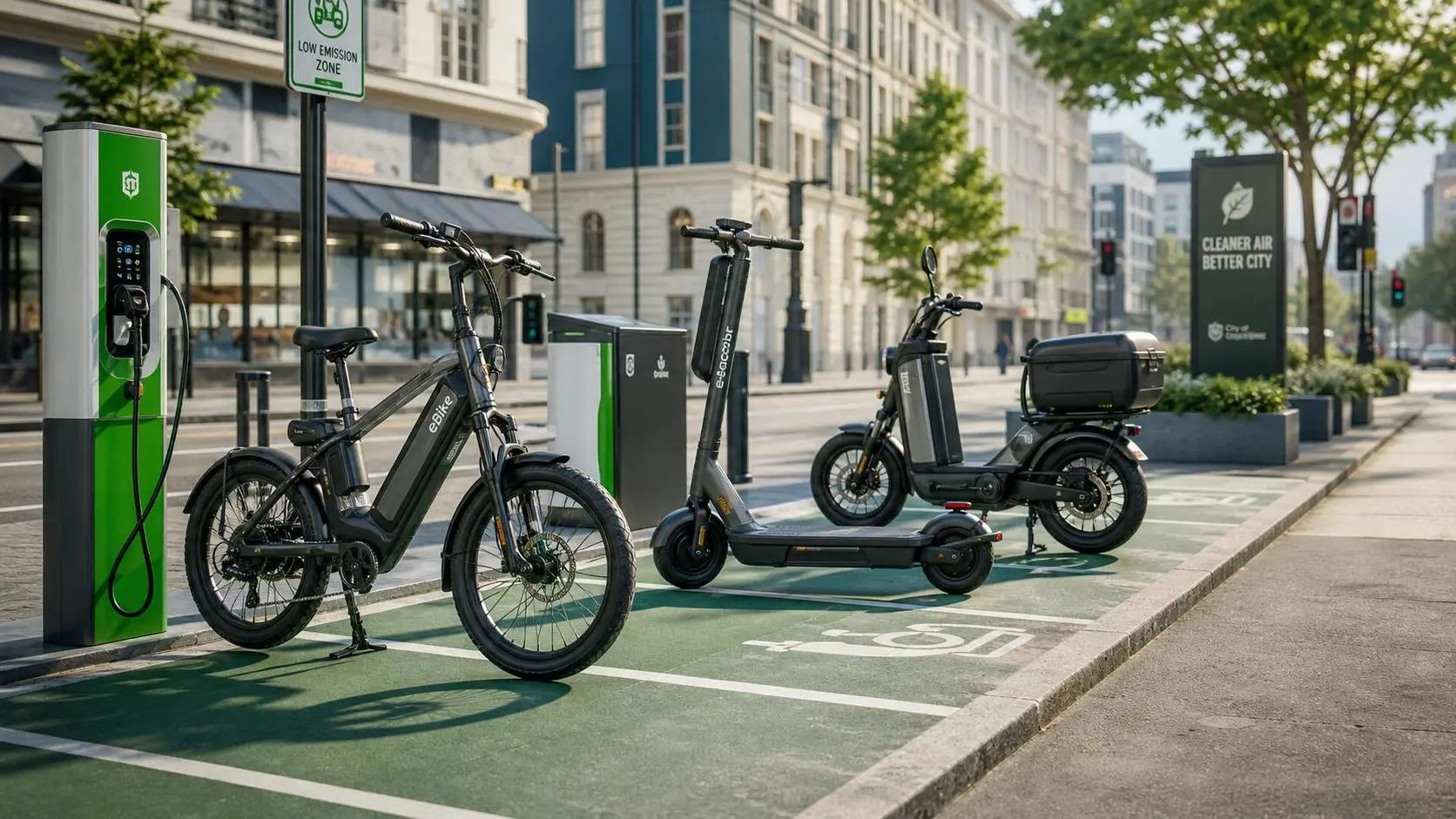
This is where micro-mobility enters the picture. E-bikes, smart e-scooters, and high-speed electric two-wheelers are not simply new products. They are operating tools within a broader urban transportation ecosystem that now depends on interoperability, battery logic, digital fleet visibility, and precision component reliability.
- Shorter trips increase demand for instant vehicle availability rather than fixed timetables.
- Dense cities require low-footprint vehicles that can move through narrow corridors and crowded curb zones.
- Carbon targets push municipalities and operators to reduce dependence on internal combustion vehicles for short-distance travel.
- Users expect digital convenience, which means connected vehicles, predictive maintenance, and clear charging status are no longer optional.
Can current urban transportation modes keep pace with last-mile demand?
To answer that question, decision makers need a comparison framework rather than broad claims. Different trip types require different mobility tools, and each option places distinct demands on infrastructure, safety policy, and operating cost.
The table below compares common options in urban transportation for shorter trips and highlights where micro-mobility solutions gain practical advantage.
The comparison shows that urban transportation can keep up only if cities stop treating micro-mobility as a side category. For short urban journeys, it is becoming core infrastructure rather than a supplemental convenience.
Where legacy systems still win
Heavy public transit remains essential for bulk passenger movement. No city can replace metro lines with scooters, and no short-range platform should be evaluated as a full substitute for network-level mass transit.
Where micro-mobility changes the equation
Shorter trips reward modular mobility. An e-bike can connect a commuter from apartment to station. A smart e-scooter can complete a business park trip without parking delays. A high-speed e-motorcycle can support fast urban delivery or longer suburban entry with lower local emissions.
Which technologies matter most in modern urban transportation?
Urban transportation performance is increasingly determined by subsystems that non-specialists often overlook. Vehicle range matters, but so do battery thermal stability, drivetrain efficiency, electronic shifting response, IoT communication reliability, and weather-related visibility safety.
Battery and powertrain logic
For e-bikes, e-scooters, and high-speed e-motorcycles, battery management systems influence fleet uptime, charging cycles, operating safety, and maintenance planning. Researchers assessing urban transportation solutions should compare not only capacity but also charging strategy, pack replaceability, and thermal control assumptions.
Precision drivetrain performance
In high-use urban environments, transmission losses and shifting lag can quickly affect user experience and service life. Precision derailleur components, especially in advanced or electronic systems, matter for delivery fleets, commuter bikes, and premium urban cycling platforms where mechanical consistency is tied to efficiency.
Connected vehicle intelligence
Smart e-scooters and connected e-bikes rely on telematics for geofencing, anti-theft control, battery diagnostics, and fleet balancing. Without robust IoT layers, urban transportation operators face lost assets, poor utilization, and weak policy compliance.
Safety systems for real weather conditions
Urban travel does not stop when visibility worsens. Wiper systems, sensor responsiveness, lighting integration, and durable brushless motor design all matter in specific vehicle categories and enclosed mobility formats. Safety cannot be treated as an accessory after route planning is finished.
How should researchers evaluate e-bikes, e-scooters, and e-motorcycles?
Selection becomes difficult when buyers compare mobility products across different duty cycles. A structured evaluation matrix helps researchers translate urban transportation goals into procurement criteria.
The following table summarizes practical decision factors for short-trip mobility planning, fleet sourcing, or supplier screening.
This kind of matrix is especially useful when urban transportation stakeholders must choose between personal mobility, fleet deployment, or multi-modal integration. The wrong benchmark often leads to overspending on speed where reliability was the true need, or underinvesting in control systems where compliance risk was the bigger issue.
A practical screening checklist
- Define the dominant trip band first: under 2 km, 2 to 5 km, or above 5 km.
- Check whether parking, lane access, or curb rules limit vehicle choice more than price does.
- Review battery replacement and maintenance workflows, not just nominal range.
- Assess parts availability for brakes, drivetrains, tires, electronics, and weather-exposed components.
- Confirm digital integration needs such as app APIs, geofencing, diagnostics, and asset monitoring.
What procurement risks are often missed in urban transportation projects?
Information researchers often begin with product catalogs and end with incomplete assumptions. In urban transportation, hidden risks usually emerge from operating context, not from headline specifications.
Common blind spots
- Assuming all micro-mobility devices fit the same local regulations, even though speed class, access rights, and helmet rules may differ sharply.
- Comparing purchase price without modeling downtime, charging labor, replacement parts consumption, and software management costs.
- Ignoring climate exposure, which can alter the importance of sealing, corrosion resistance, braking consistency, and visibility systems.
- Treating drivetrain and component precision as secondary, even though frequent stop-start urban use accelerates wear and raises service frequency.
This is precisely why specialist intelligence matters. UMMS follows the interaction between component engineering, policy movement, fleet economics, and city-level mobility design. That allows researchers to compare not just vehicles, but the systems behind them.
How regulation and standards shape short-trip urban transportation
Urban transportation adoption depends as much on compliance as on technology. The strongest product may still fail commercially if it does not fit local speed categories, battery handling rules, roadway permissions, or visibility expectations.
Researchers should monitor these compliance themes when evaluating two-wheeled electric mobility for cities.
No single global rulebook governs all forms of urban transportation. However, a disciplined review of classification, electrical safety, and connected-system obligations reduces market-entry risk and prevents expensive redesigns later.
What does the future of urban transportation look like?
Urban transportation will not move toward one dominant vehicle. It will move toward coordinated layers. Heavy transit will carry volume. Micro-mobility will handle local access. Data platforms will manage connection, charging, maintenance, and compliance in the background.
Expected shifts over the next cycle
- E-bikes will continue expanding as a practical substitute for short car commutes where cycling infrastructure improves.
- Smart e-scooters will become more software-governed, with tighter geofencing and stronger fleet discipline.
- High-speed e-motorcycles will gain relevance in urban logistics and suburban-urban mixed corridors, especially where battery swapping develops.
- Component intelligence, including drivetrain precision and sensor-assisted safety, will become a stronger differentiator than raw top speed.
In that environment, the winning urban transportation strategies will come from organizations that read technical signals and policy signals together, not separately.
FAQ: key questions researchers ask about urban transportation
How do I choose between an e-bike and a smart e-scooter for short urban trips?
Start with trip frequency, road surface, storage conditions, and rider profile. E-bikes usually perform better for repeated daily commuting, mixed-distance use, and comfort-sensitive riders. Smart e-scooters often suit high-turnover fleets, very short hops, and dense urban cores where quick access matters more than ride comfort.
What matters more in urban transportation planning: range or charging strategy?
Charging strategy is often more important. For short-trip systems, a moderate real-world range with efficient charging rotation, battery swaps, or predictable depot management can outperform a larger battery that increases weight, cost, and downtime complexity.
Are high-speed e-motorcycles relevant to shorter trips?
Yes, but mainly in specific scenarios such as urban delivery, peri-urban commuting, or routes that combine city streets with faster connectors. They are not the first answer for every short trip, yet they can fill an important gap between low-speed micro-mobility and full-sized electric cars.
Why do component systems matter so much in urban transportation research?
Because short urban trips produce repetitive acceleration, braking, folding, parking, charging, and weather exposure. Over time, drivetrain precision, sensor durability, braking consistency, and protective systems influence total operating cost more than promotional specifications do.
Why choose us for urban transportation intelligence
UMMS supports information researchers who need more than scattered market headlines. Our strength lies in connecting micro-mobility products with the system logic behind them: battery management, precision drivetrains, connected fleet architecture, safety subsystems, and policy movement across global markets.
If you are evaluating urban transportation solutions for product planning, sourcing, market entry, or strategic benchmarking, we can help you clarify the points that typically delay decisions.
- Parameter confirmation for e-bikes, smart e-scooters, high-speed e-motorcycles, and precision components
- Product selection guidance based on trip distance, fleet model, and operating environment
- Delivery cycle discussion for components, systems, and market-specific launch planning
- Customized solution review for battery logic, drivetrain architecture, and urban use scenarios
- Certification and compliance direction for different target regions and mobility categories
- Sample support and quotation communication for deeper technical or commercial comparison
When urban transportation shifts toward shorter trips, the real advantage goes to those who can judge not only what moves people, but what keeps fleets efficient, compliant, and scalable. That is the level of intelligence UMMS is built to provide.
Related News
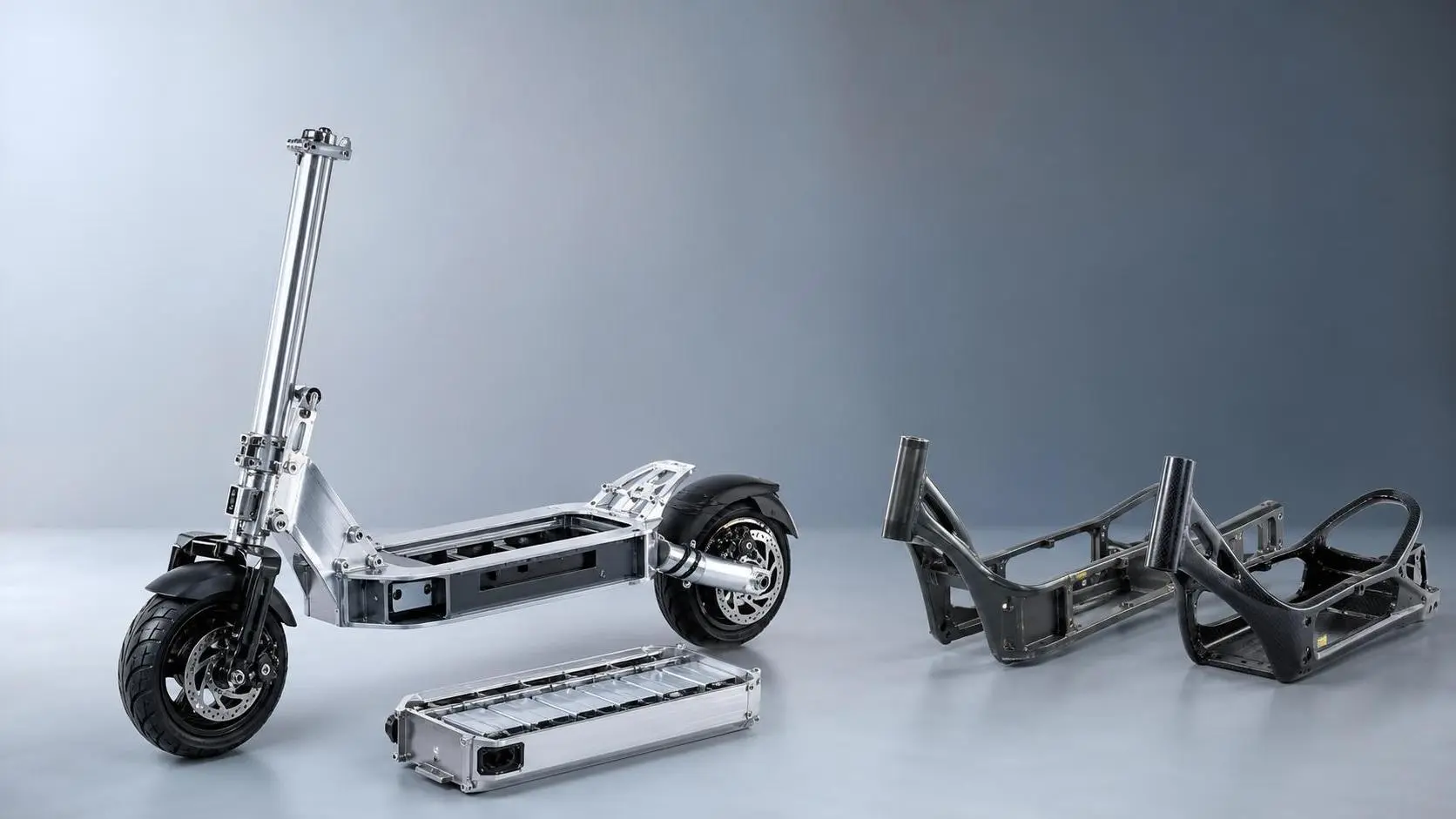
How to Choose Lightweight Scooter Frames in Europe: Materials, Standards, and Use Cases
Lightweight scooter frames Europe buyers need should balance materials, EN standards, durability, and real use cases. Discover how to choose safer, smarter, compliant frames.
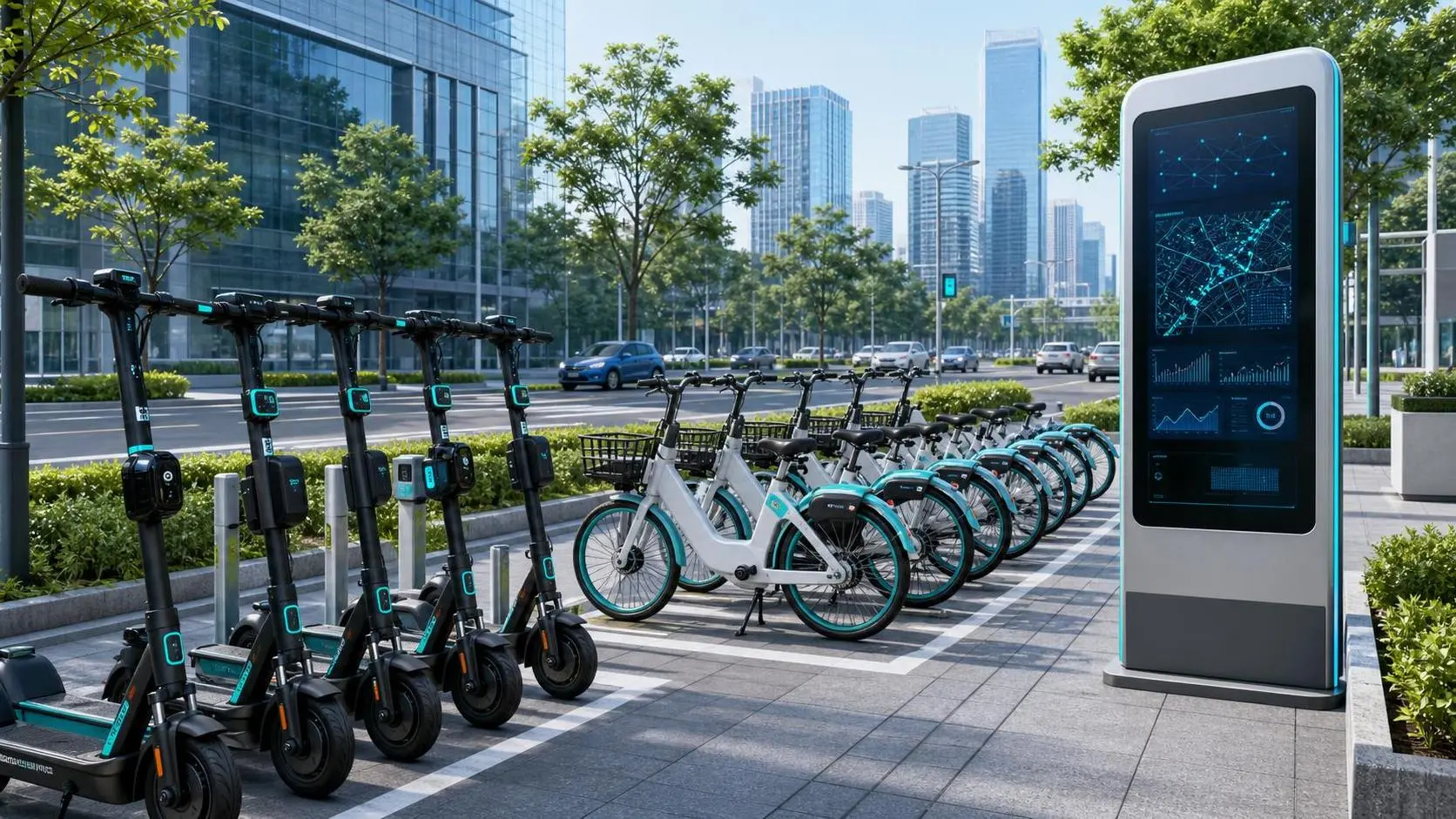
What Is the Intellectualization of Mobility Platform and How Is It Applied in Shared Fleets?
Intellectualization of mobility platform is reshaping shared fleets with real-time data, predictive maintenance, and smarter compliance—learn how it boosts safety, uptime, and urban mobility efficiency.
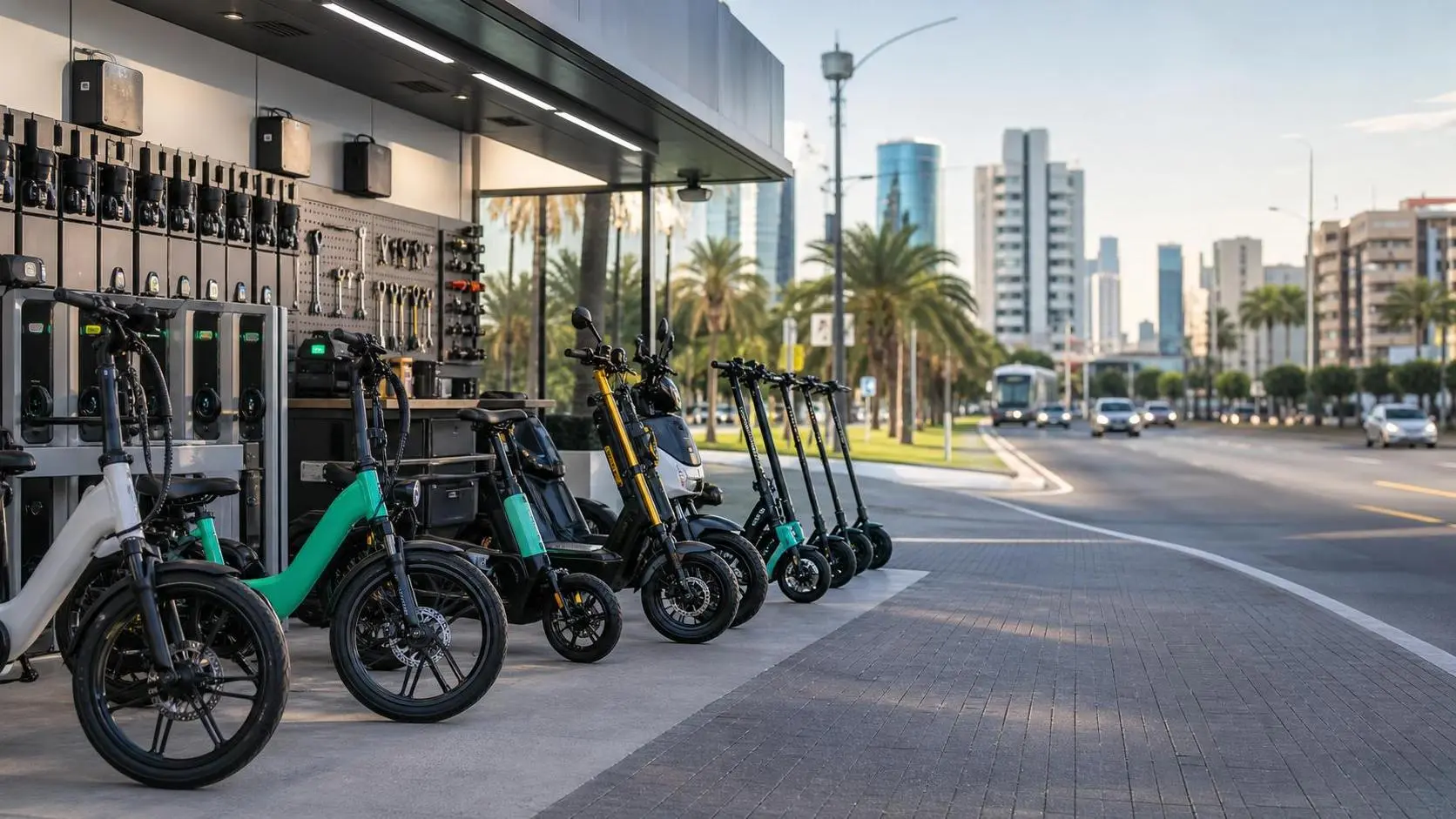
Urban Micro-Mobility Systems in Latin America: Key Market Drivers, Barriers, and Growth Segments
Urban micro-mobility systems Latin America are reshaping city transport. Explore key drivers, barriers, and high-growth segments to spot the region’s most investable opportunities.
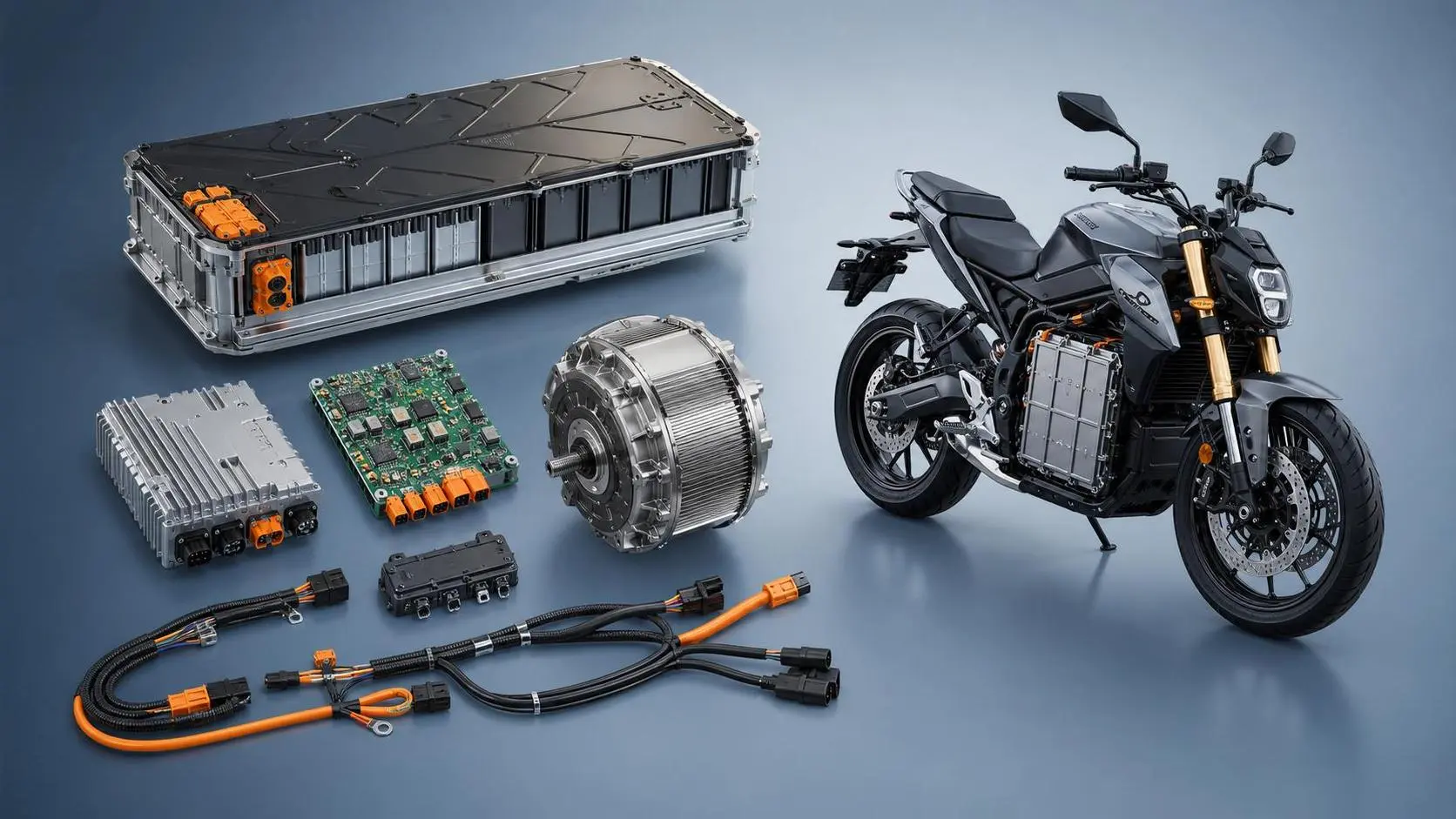
Electric Motorcycle Systems Price Breakdown: What Affects Cost From Battery to Controller?
Electric motorcycle systems price explained: see how battery, controller, motor, BMS, and wiring affect total cost, reliability, and sourcing value before you buy.
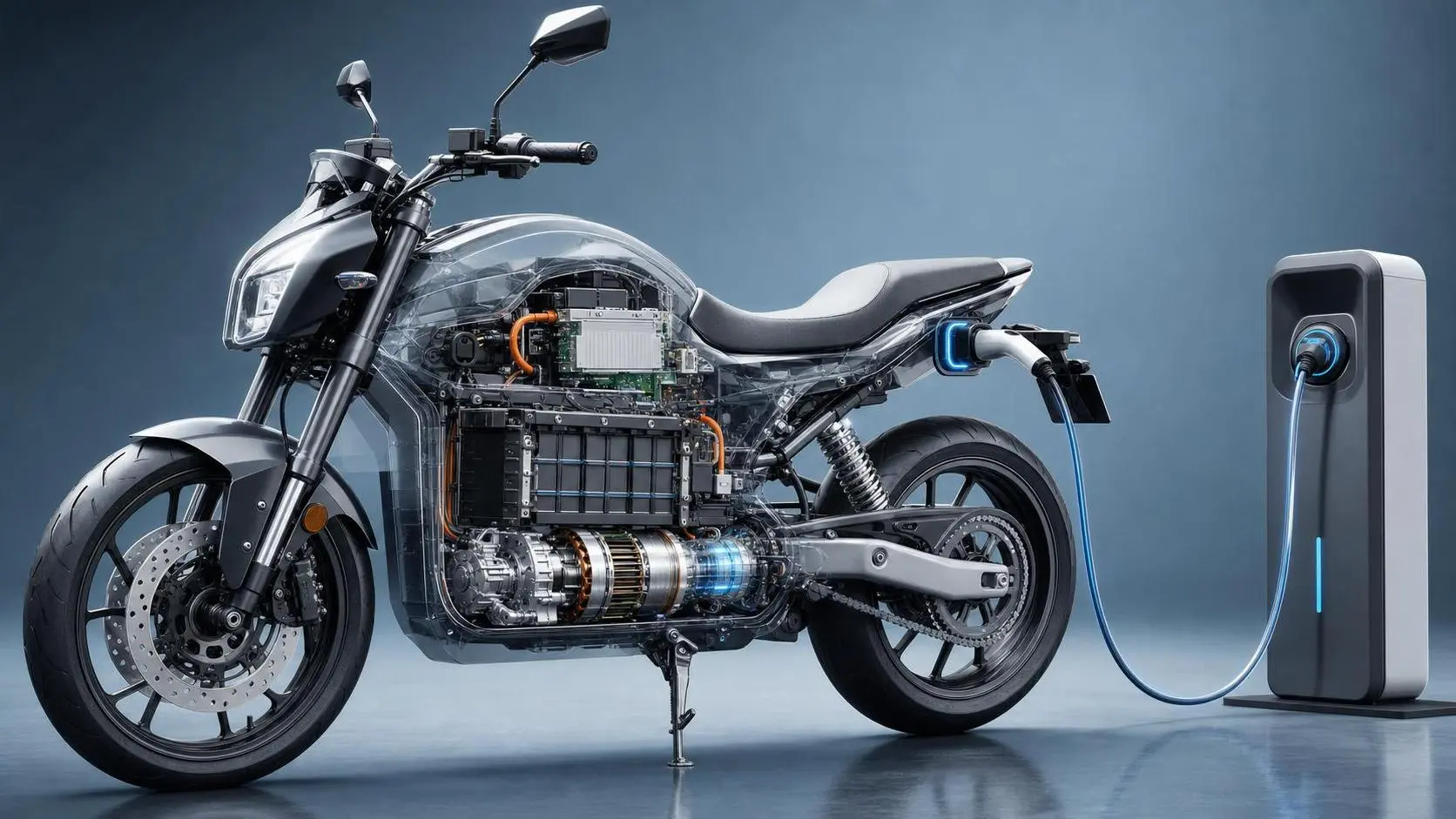
72V Electric Motorcycle Technology Explained: Motors, Controllers, Range, and Charging
Electric motorcycle technology 72V explained clearly: compare motors, controllers, range, battery design, and charging to choose a smoother, stronger, and smarter electric ride.
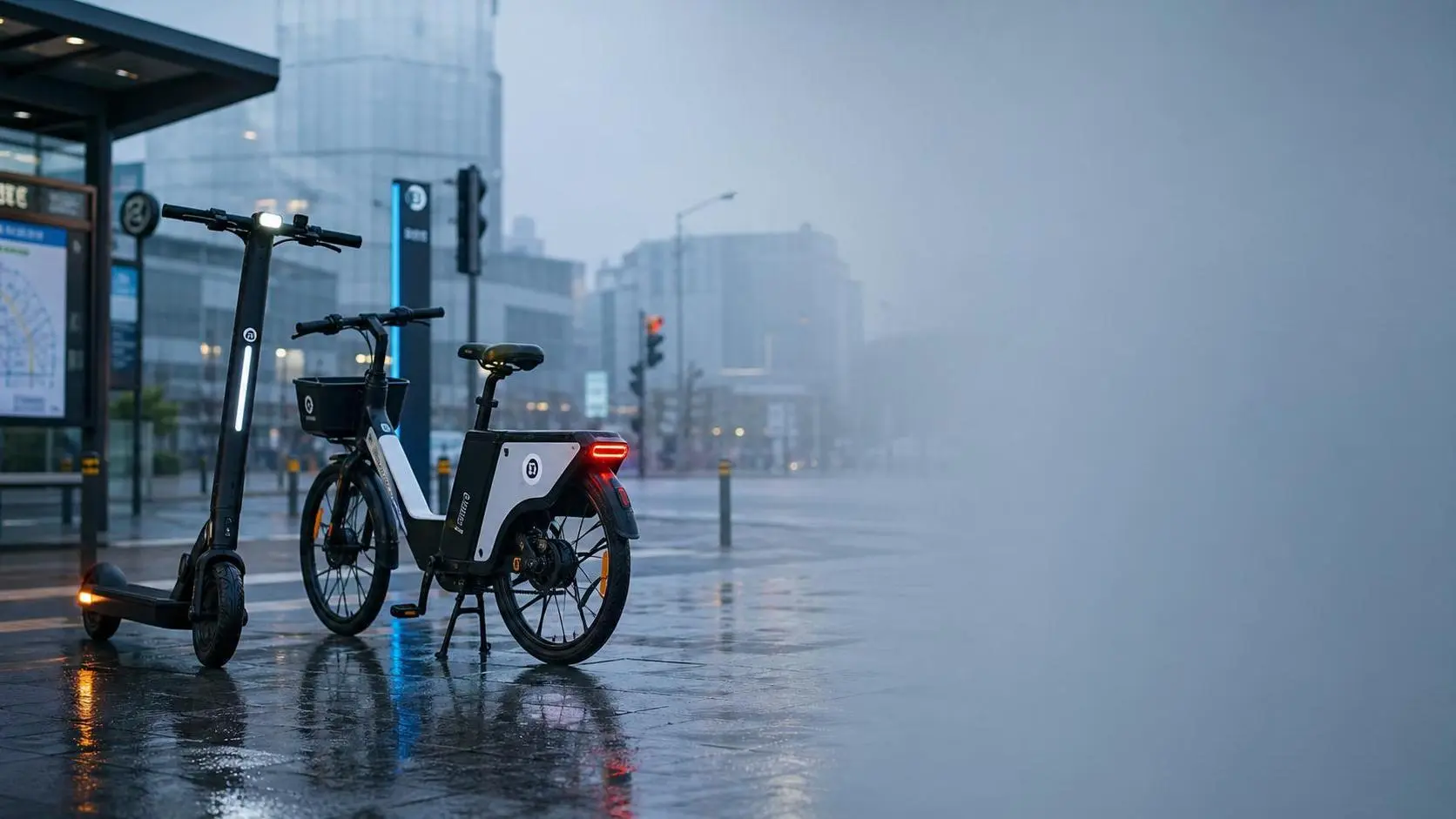
Where LED Urban Visibility Safety Systems Fit Best in Shared Scooters and City E-bikes
LED urban visibility safety systems deliver the most value in shared scooters and city e-bikes by improving multi-angle safety, fleet durability, and urban compliance across real-world routes.
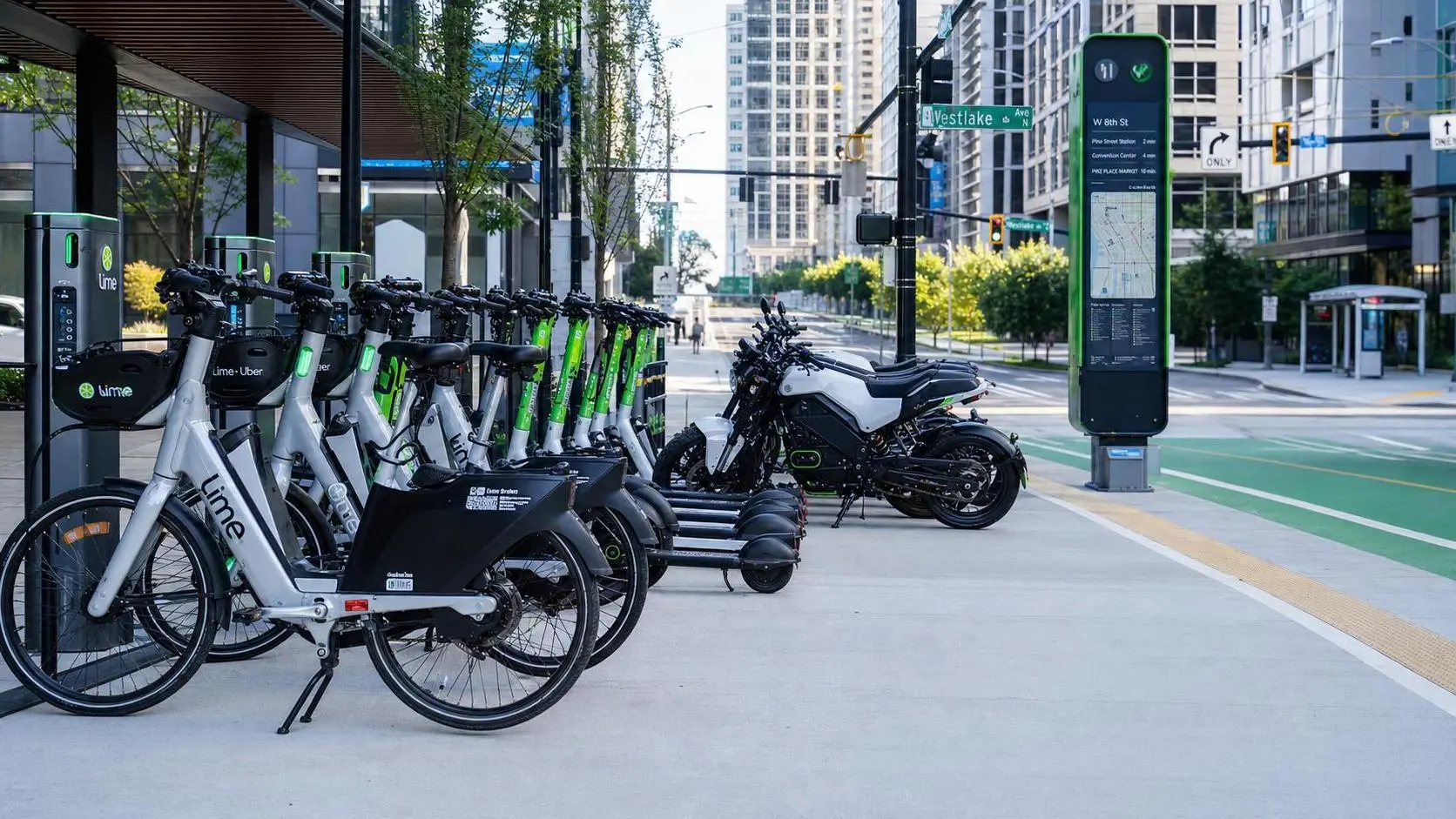
Intellectualization of Mobility in North America: What Is Driving Adoption Across Urban Transport?
Intellectualization of mobility North America is reshaping urban transport through data, smart fleets, and battery intelligence. Explore what is driving adoption and why cities and operators are accelerating now.
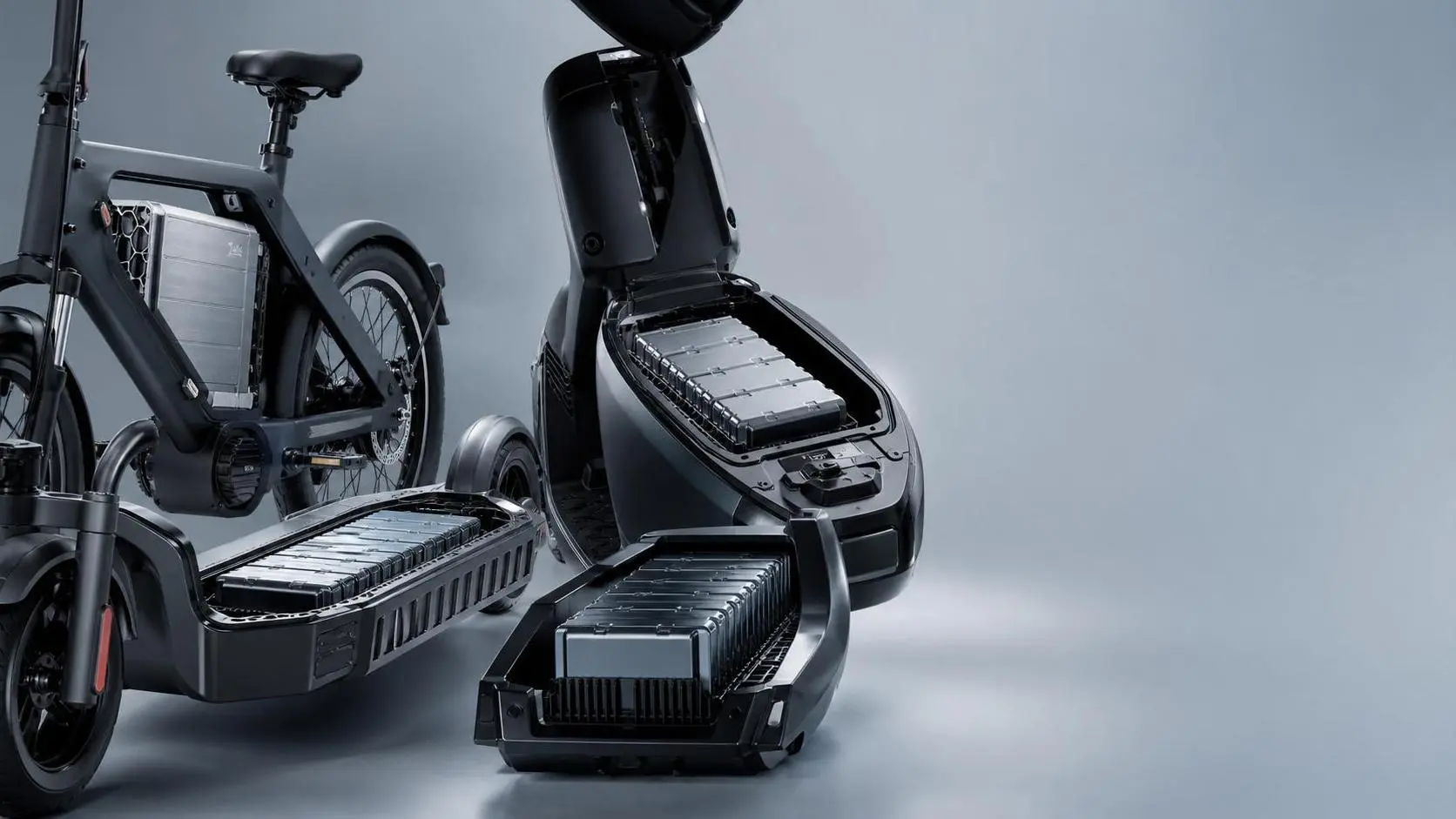
How to Choose a Compact Battery Pack: Size, Energy Density, Thermal Design, and Cycle Life
Compact battery pack selection starts with more than size. Learn how energy density, thermal design, and cycle life shape range, safety, and long-term value.
What Is Driving Green Two-wheelers Demand in Europe? Policy, Fuel Costs, and Buyer Segments
Green two-wheelers demand Europe is rising as policy support, fuel cost pressure, and diverse buyer segments reshape urban mobility. Explore the trends driving the next growth wave.