
Related News
- 00
0000-00
Electric Motorcycle Systems Price Breakdown: What Affects Cost From Battery to Controller? - 00
0000-00
Micro-mobility Systems Explained: Core Components, Operating Models, and City Use Cases - 00
0000-00
Electrification Strategies in Europe: Policy, Charging, and ROI Factors for Fleet Planning - 00
0000-00
OEM Market Share in Electric Motorcycles: What It Reveals About Brand Positioning - 00
0000-00
What Is a Smart Transportation Platform and Which Urban Mobility Use Cases Fit Best?
Ms. Elena Rodriguez
Weekly Insights
Stay ahead with our curated technology reports delivered every Monday.
Why micro-mobility strategists are rethinking city rollout plans





As cities tighten regulations, shift subsidy priorities, and demand clearer unit economics, micro-mobility strategists are rethinking rollout plans from the ground up. Expansion is no longer a race to deploy the most vehicles fastest. It has become a disciplined exercise in matching fleet density, infrastructure readiness, battery durability, compliance capacity, and long-term demand signals.
For the wider mobility ecosystem, this shift matters beyond scooters and e-bikes. It affects component sourcing, charging design, software integration, maintenance models, insurance assumptions, and public-private coordination. The strongest market entries now come from strategy frameworks built for resilience, not just speed.
Why micro-mobility strategists are moving beyond aggressive rollout logic
Only a few years ago, rapid expansion was often treated as a competitive moat. Operators aimed to secure visibility, rider habit, and city mindshare before rivals could catch up. That model is losing force.
Today, micro-mobility strategists face a different urban reality. Municipalities want cleaner sidewalks, fewer abandoned vehicles, better safety reporting, and measurable public value. Investors want a pathway to durable margins. Users expect reliability, not just availability.
This has created a strategic reset. Rollout plans are becoming smaller at launch, deeper in analysis, and more selective by district. Instead of citywide saturation, many programs begin with corridor-based deployment, defined operating zones, and phased expansion gates.
The clearest trend signals reshaping city rollout decisions
Several signals show why micro-mobility strategists are changing course. These are not temporary disruptions. They point to a new operating baseline for urban mobility planning.
- Permit systems are replacing open-entry expansion in many cities.
- Subsidies increasingly favor measurable emissions impact and accessibility outcomes.
- Battery safety standards are receiving more public and regulatory attention.
- Street design changes now influence where demand can actually convert into rides.
- Insurance, parking compliance, and data-sharing requirements are becoming stricter.
- Weather resilience and maintenance uptime are now tied to brand trust.
For intelligence platforms such as UMMS, these signals connect directly with technology choices. Wiper systems, battery logic, lightweight frames, drivetrain precision, and connected diagnostics are no longer technical side notes. They shape whether an operator can expand efficiently in regulated urban environments.
The forces pushing micro-mobility strategists toward precision expansion
The change is driven by several forces at once. Together, they explain why blanket rollout plans are being replaced by city-specific operating models.
These drivers favor operators and suppliers that understand urban micro-circulation as a systems challenge. Micro-mobility strategists increasingly evaluate market entry using policy mapping, component durability, climate response, and neighborhood-level trip behavior together.
How this reset affects fleets, components, and urban operations
The operational consequences are broad. Fleet strategy now depends on asset fit, not just unit count. A city with steep gradients, wet seasons, and strict geofencing requires a very different fleet architecture from a flat, tourism-heavy district.
For e-bikes and smart e-scooters, durability per ride is rising in importance. Frame strength, braking consistency, motor efficiency, and battery management increasingly shape market viability. Poor hardware choices can quickly become regulatory problems when breakdowns create sidewalk clutter or safety incidents.
For high-speed e-motorcycles, the issue is even more strategic. Rollout plans depend on charging or battery-swapping networks, thermal management reliability, and right-of-way rules. Market entry succeeds when vehicle capability aligns with service infrastructure and legal pathways.
Precision components also gain relevance in this environment. Advanced derailleur systems, electronic shifting, sensor modules, and weather-sensitive visibility technologies support uptime, ride quality, and maintenance forecasting. Those factors improve both rider retention and operational efficiency.
A new definition of rollout readiness
- Regulatory readiness, including permits, data-sharing, and parking rules.
- Infrastructure readiness, including charging, swapping, and curb allocation.
- Technical readiness, including battery stability and remote diagnostics.
- Economic readiness, including utilization thresholds and service costs.
- Social readiness, including local acceptance and visible safety performance.
What micro-mobility strategists should watch most closely now
The next wave of successful expansion will belong to those who identify where operational detail creates strategic advantage. Several priorities stand out.
- Prioritize city segmentation over national assumptions.
- Model profitability by zone, daypart, and vehicle class.
- Match battery design to climate, slope, and ride frequency.
- Use compliance data as a growth tool, not only a reporting burden.
- Build maintenance strategy into launch planning from day one.
- Evaluate component suppliers for lifecycle reliability, not just purchase price.
- Track policy changes that affect curb use, speed limits, and fleet caps.
This is where strategic intelligence matters most. Micro-mobility strategists need continuous visibility into subsidy design, right-of-way policy, battery safety requirements, and evolving technical standards. Decisions made too early, or with incomplete local data, can lock an expansion into weak economics.
Practical ways to redesign rollout plans for stronger urban fit
A better rollout framework starts with focused deployment and measurable milestones. Instead of launching everywhere, operators can enter where modal substitution, public support, and service efficiency are easiest to verify.
For UMMS-aligned market observers, the message is clear. Growth in micro-mobility will still come, but not through undifferentiated rollout. It will come through high-resolution planning, reliable electromechanical systems, stronger battery logic, and strategic adaptation to each city’s mobility pattern.
The next move for micro-mobility strategists
The cities that reward expansion tomorrow are not necessarily the ones with the loudest demand today. They are the ones where policy, infrastructure, component reliability, and user behavior can be synchronized into a durable operating model.
That is why micro-mobility strategists are rethinking city rollout plans with greater discipline. The winning question is no longer, “How fast can we enter?” It is, “Where can we scale with proof, stability, and technical credibility?”
The most effective next step is to audit current target cities against readiness indicators, component performance risks, battery-service assumptions, and compliance complexity. Expansion decisions grounded in these signals will outperform volume-first strategies in the next phase of urban mobility.
Related News

E-Bike Incentives Explained: How Riders Can Find Local Rebates and Tax Credits
E bike incentives explained: learn how to find local rebates, tax credits, and utility offers, avoid common mistakes, and cut the real cost of your next e-bike.
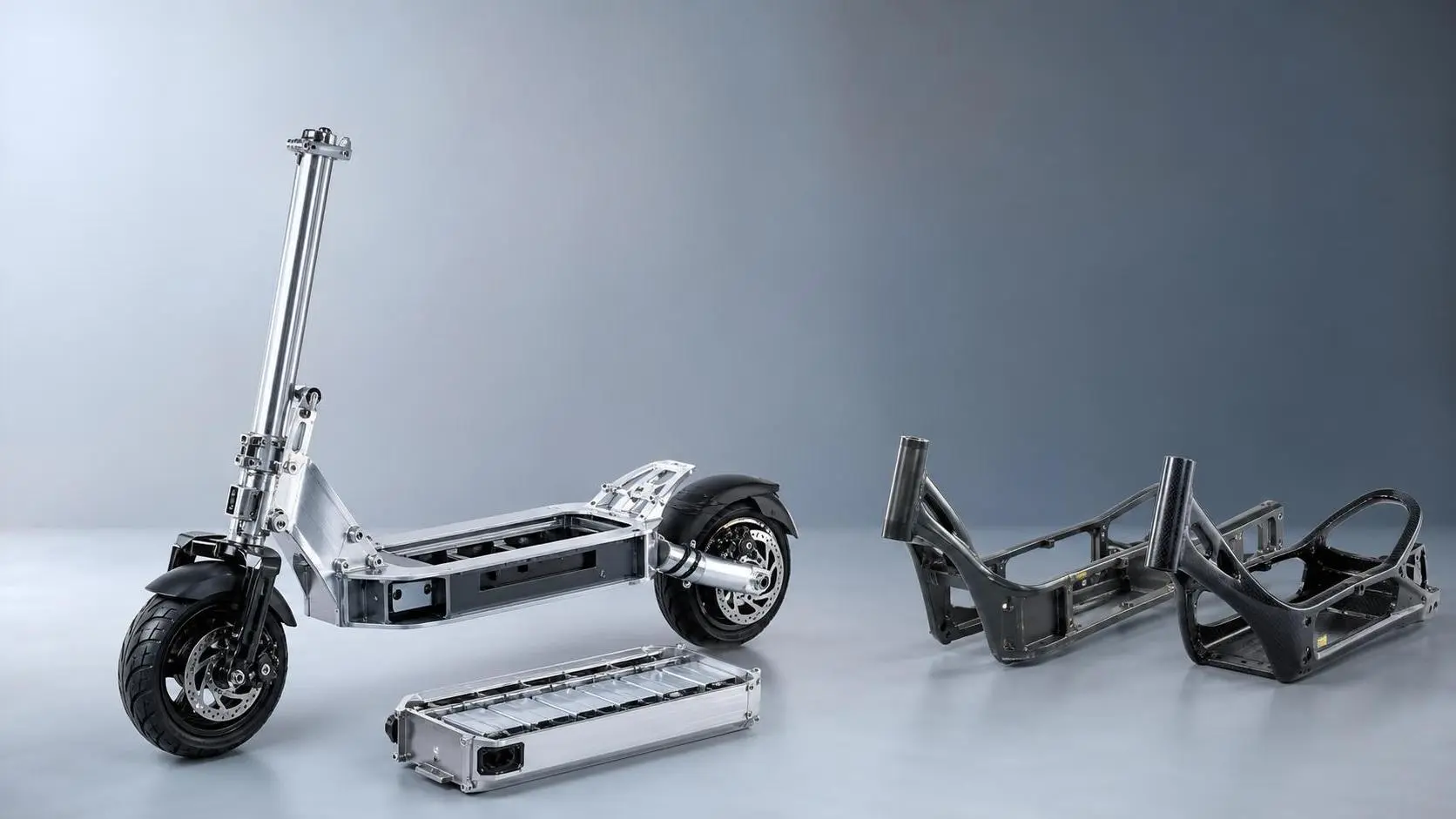
How to Choose Lightweight Scooter Frames in Europe: Materials, Standards, and Use Cases
Lightweight scooter frames Europe buyers need should balance materials, EN standards, durability, and real use cases. Discover how to choose safer, smarter, compliant frames.
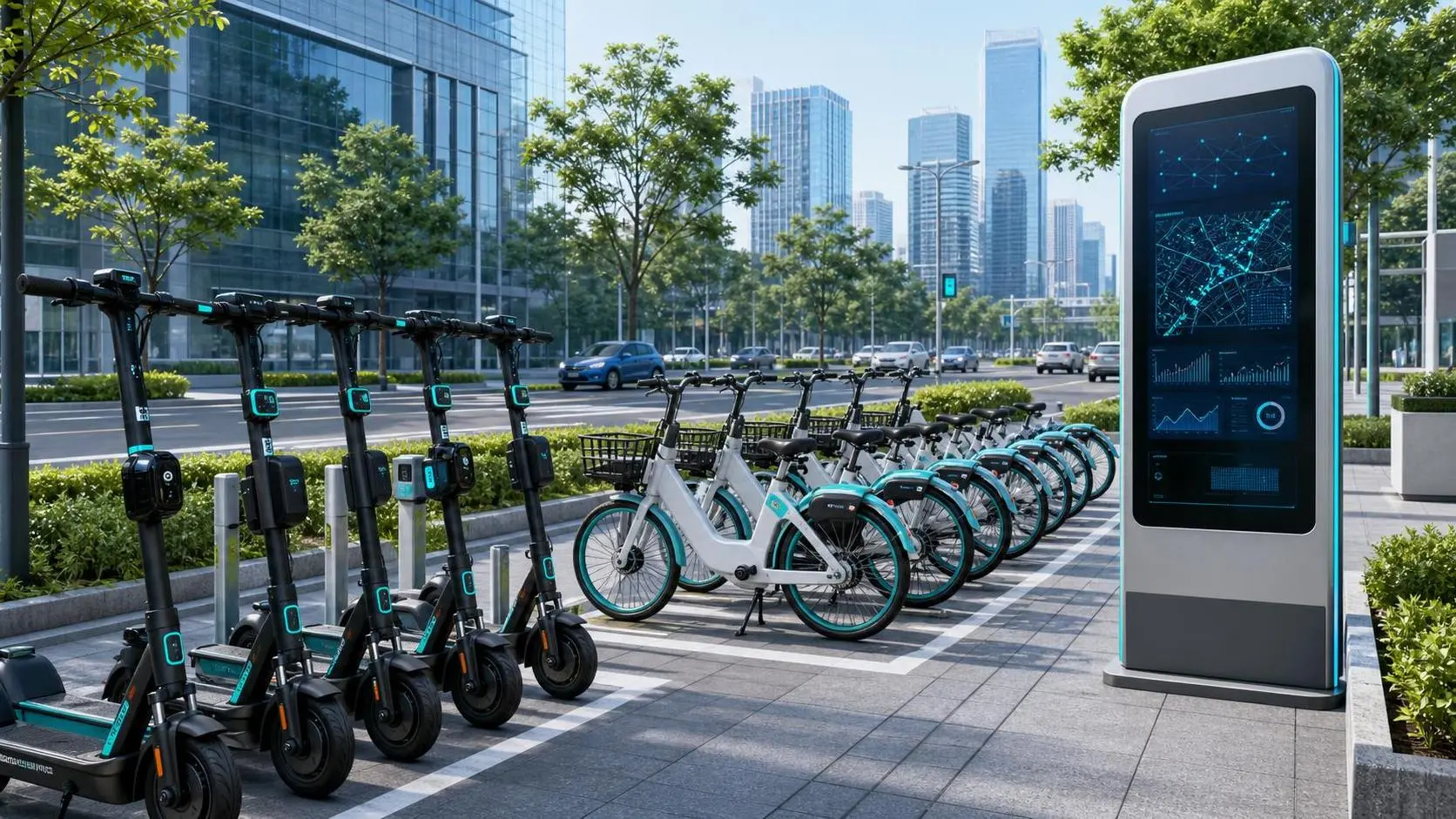
What Is the Intellectualization of Mobility Platform and How Is It Applied in Shared Fleets?
Intellectualization of mobility platform is reshaping shared fleets with real-time data, predictive maintenance, and smarter compliance—learn how it boosts safety, uptime, and urban mobility efficiency.
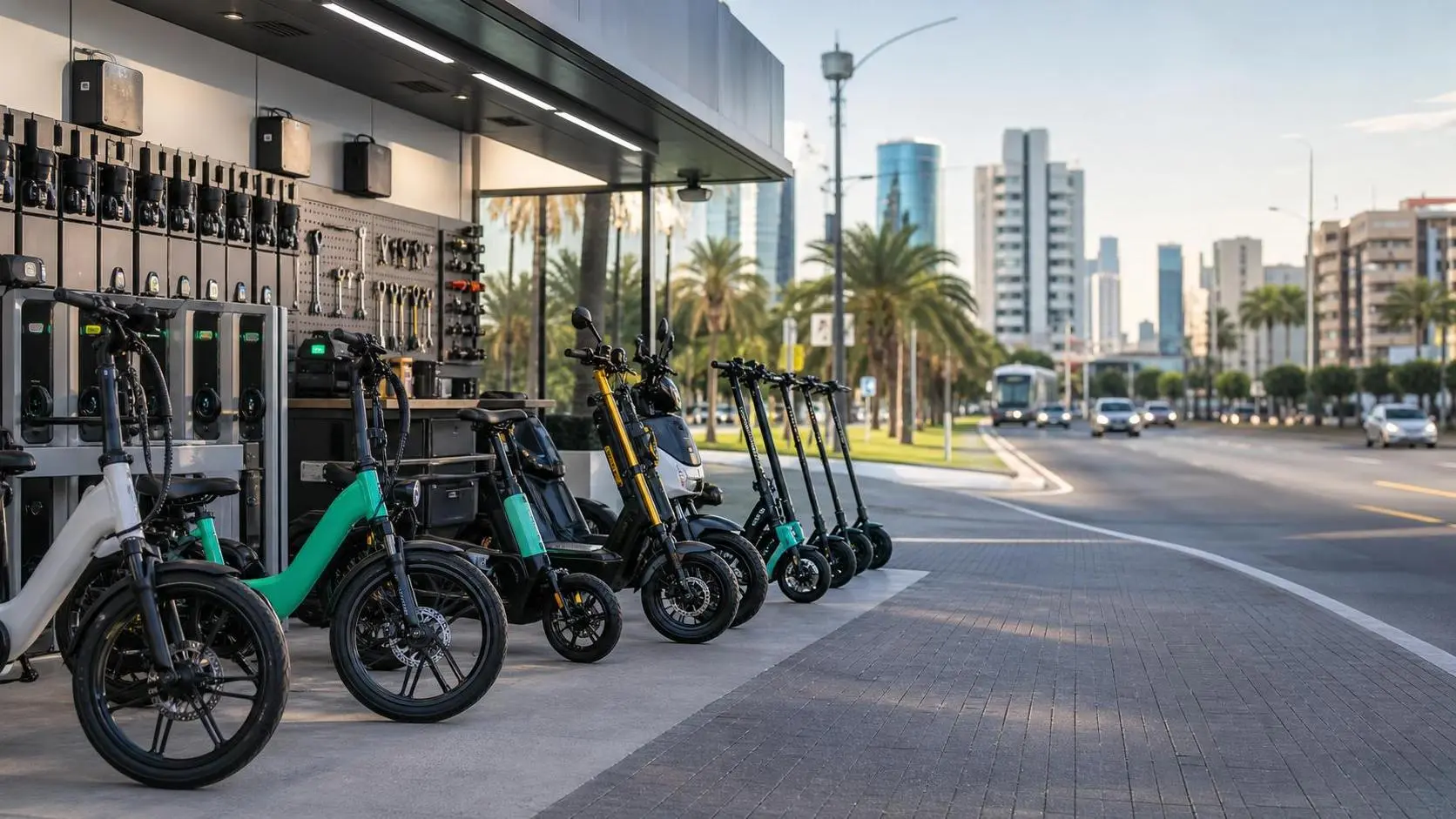
Urban Micro-Mobility Systems in Latin America: Key Market Drivers, Barriers, and Growth Segments
Urban micro-mobility systems Latin America are reshaping city transport. Explore key drivers, barriers, and high-growth segments to spot the region’s most investable opportunities.

Electric Motorcycle Systems Price Breakdown: What Affects Cost From Battery to Controller?
Electric motorcycle systems price explained: see how battery, controller, motor, BMS, and wiring affect total cost, reliability, and sourcing value before you buy.

72V Electric Motorcycle Technology Explained: Motors, Controllers, Range, and Charging
Electric motorcycle technology 72V explained clearly: compare motors, controllers, range, battery design, and charging to choose a smoother, stronger, and smarter electric ride.

Where LED Urban Visibility Safety Systems Fit Best in Shared Scooters and City E-bikes
LED urban visibility safety systems deliver the most value in shared scooters and city e-bikes by improving multi-angle safety, fleet durability, and urban compliance across real-world routes.

Intellectualization of Mobility in North America: What Is Driving Adoption Across Urban Transport?
Intellectualization of mobility North America is reshaping urban transport through data, smart fleets, and battery intelligence. Explore what is driving adoption and why cities and operators are accelerating now.

How to Choose a Compact Battery Pack: Size, Energy Density, Thermal Design, and Cycle Life
Compact battery pack selection starts with more than size. Learn how energy density, thermal design, and cycle life shape range, safety, and long-term value.