
Related News
- 00
0000-00
Electric Motorcycle Systems Price Breakdown: What Affects Cost From Battery to Controller? - 00
0000-00
Micro-mobility Systems Explained: Core Components, Operating Models, and City Use Cases - 00
0000-00
Electrification Strategies in Europe: Policy, Charging, and ROI Factors for Fleet Planning - 00
0000-00
OEM Market Share in Electric Motorcycles: What It Reveals About Brand Positioning - 00
0000-00
What Is a Smart Transportation Platform and Which Urban Mobility Use Cases Fit Best?
Ms. Elena Rodriguez
Weekly Insights
Stay ahead with our curated technology reports delivered every Monday.
Why smart transportation needs better data, not hype





Smart transportation will not scale on buzzwords alone. In practice, durable progress comes from better data, not louder narratives. Reliable evidence on battery behavior, drivetrain efficiency, sensor accuracy, thermal stability, and urban usage patterns helps separate promising concepts from expensive distractions. Across e-bikes, smart e-scooters, high-speed e-motorcycles, and precision bicycle systems, verifiable intelligence reduces design risk and improves real-world performance.
Why smart transportation needs a checklist, not a slogan
The phrase smart transportation is often stretched to cover apps, dashboards, connectivity, and automation. Yet many mobility systems fail because decision-making starts with features instead of evidence. A checklist creates discipline. It forces evaluation of what can be measured, compared, validated, and maintained over time.
This matters especially in urban micro-mobility. Vehicles operate in variable weather, inconsistent road surfaces, uneven charging conditions, and changing traffic density. In such environments, better data reveals whether a system is truly efficient, safe, and scalable, or simply attractive in a pilot presentation.
For smart transportation, the strongest competitive edge is not novelty alone. It is the ability to collect relevant operational data, interpret it correctly, and turn it into engineering, maintenance, and deployment decisions that hold up in daily use.
Core smart transportation data checklist
Use the following checklist to judge whether a smart transportation system is genuinely robust, efficient, and ready for scale.
- Verify battery data under real load cycles, including temperature swings, partial charging, regenerative braking, and repeated stop-start urban riding rather than ideal laboratory discharge curves.
- Measure drivetrain efficiency across speed ranges, rider weights, gradients, and surface conditions so energy loss is identified at the motor, controller, transmission, and wheel interface.
- Check sensor accuracy against field conditions, especially for GPS drift, inertial noise, wheel-speed variance, visibility sensors, and signal interference in dense urban corridors.
- Track thermal performance continuously, because battery packs, motor windings, controllers, and charging modules degrade quickly when heat data is missing or misunderstood.
- Map usage patterns by trip length, idle time, acceleration profile, parking duration, and route congestion to understand how vehicles behave beyond specification sheets.
- Compare maintenance data by component family, including brakes, bearings, derailleurs, tires, connectors, and wiring points that frequently fail in harsh shared-use environments.
- Audit communication quality for IoT modules, wireless shifting systems, telematics units, and fleet software to confirm stable data transfer, low latency, and recoverable outages.
- Validate safety event data such as sudden voltage drops, braking anomalies, waterproofing failures, and abnormal vibration signatures before claiming smart transportation readiness.
- Benchmark operating cost per kilometer using energy use, replacement intervals, downtime, and service labor rather than marketing claims about lifetime efficiency.
- Standardize data definitions across devices and suppliers so speed, range, fault codes, thermal thresholds, and battery health metrics mean the same thing everywhere.
How better data changes outcomes across mobility scenarios
E-bikes and commuter systems
In e-bikes, smart transportation decisions improve when ride data is linked to terrain, assist mode, cadence, and battery temperature. Claimed range becomes more useful when translated into route-specific, weather-adjusted expectations.
Precision drivetrain data also matters. Shifting response, chainline efficiency, motor torque delivery, and bearing friction together affect comfort, energy consumption, and long-term reliability. Better data shows where incremental efficiency gains actually come from.
Smart e-scooters in shared fleets
For shared scooters, smart transportation depends on usage density and operational discipline. Location heat maps, battery swap timing, braking wear, and geofencing accuracy determine whether the fleet performs smoothly or becomes costly to maintain.
High-frequency trip data is especially valuable. It reveals repeat vibration exposure, curb impacts, parking behavior, and communication dropouts. These patterns often explain service failures better than isolated inspection reports.
High-speed e-motorcycles
At higher speeds, smart transportation cannot rely on simplified consumer metrics. Thermal runaway risk, powertrain stress, battery impedance change, and braking performance under repeated load must be monitored with engineering precision.
Battery-swapping networks also require strong data governance. Pack identity, cycle count, cell balance, charging history, and fault traceability are essential. Without that visibility, scale introduces hidden safety and warranty exposure.
Precision components and connected subsystems
Smart transportation is not only about vehicles. It also depends on components such as electronic derailleurs, power electronics, sensor modules, and smart visibility systems. These subsystems generate the signals that guide larger mobility decisions.
When component-level data is clean, engineers can detect friction losses, response delays, waterproofing weaknesses, and firmware instability early. That shortens iteration cycles and supports more credible product claims.
Common blind spots that weaken smart transportation
Ignoring data quality at the source
Many smart transportation programs collect large volumes of information but fail to verify calibration, timestamp consistency, or missing values. Poor source data creates false confidence and weakens every downstream conclusion.
Confusing pilot success with scalable performance
A short trial in favorable weather says little about annual operations. Smart transportation systems should be judged across seasonal variability, maintenance cycles, rider diversity, and infrastructure constraints.
Overlooking thermal and mechanical stress interactions
Heat, vibration, and moisture rarely appear alone. In smart transportation equipment, these stresses interact. Ignoring combined effects leads to connector fatigue, battery degradation, sensor drift, and premature electronics failure.
Reporting averages instead of edge cases
Average range or average uptime may look strong, while extreme cases reveal real operational weaknesses. Smart transportation planning improves when rare but high-impact events are treated as design inputs, not statistical noise.
Practical execution steps for better smart transportation data
- Define a minimum data model covering energy, thermal behavior, location, fault events, component status, and maintenance history.
- Instrument critical subsystems first, especially batteries, controllers, braking systems, wireless modules, and drivetrain interfaces.
- Use field validation routes that include hills, traffic stops, rough pavement, wet conditions, and high-temperature charging intervals.
- Create thresholds for actionable events, such as abnormal cell temperature spread, communication loss duration, or repeated vibration spikes.
- Review data with engineering and operations together so system design, service planning, and software logic improve in the same cycle.
This approach is especially relevant to the broader micro-mobility ecosystem observed by UMMS. Whether the focus is e-bikes, smart e-scooters, high-speed e-motorcycles, smart wiper systems, or precision drivetrain components, the same principle applies: trusted intelligence creates durable mobility advantages.
Conclusion: make smart transportation measurable
Smart transportation becomes meaningful when claims are tied to measurable system behavior. Better data clarifies performance, exposes weak links, improves safety decisions, and supports credible scale. Hype can attract attention, but only evidence can sustain deployment.
The next step is simple: audit the current data chain, identify missing operational signals, and build a tighter validation loop around real urban use. In smart transportation, better questions lead to better data, and better data leads to better mobility.
Related News
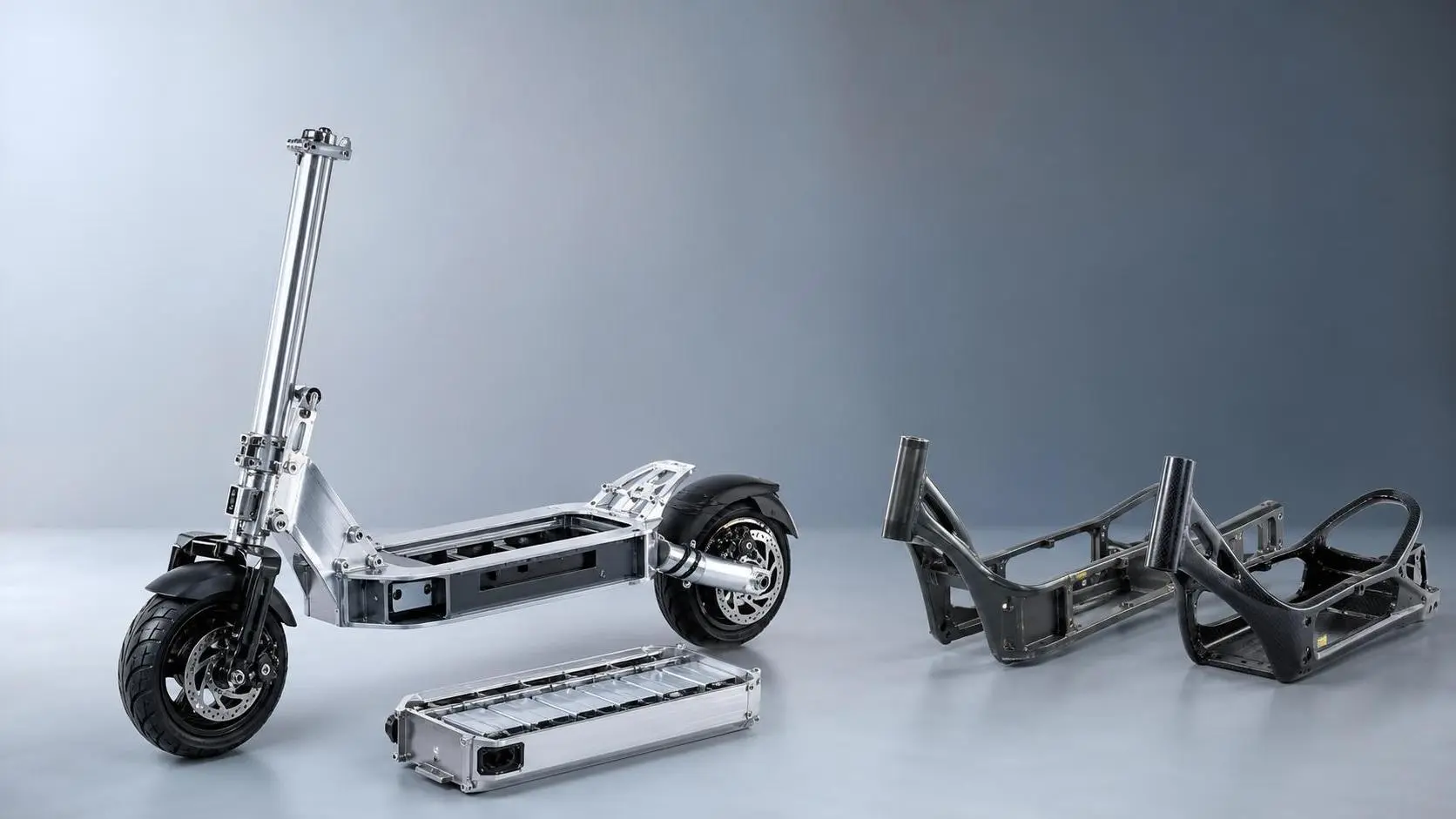
How to Choose Lightweight Scooter Frames in Europe: Materials, Standards, and Use Cases
Lightweight scooter frames Europe buyers need should balance materials, EN standards, durability, and real use cases. Discover how to choose safer, smarter, compliant frames.
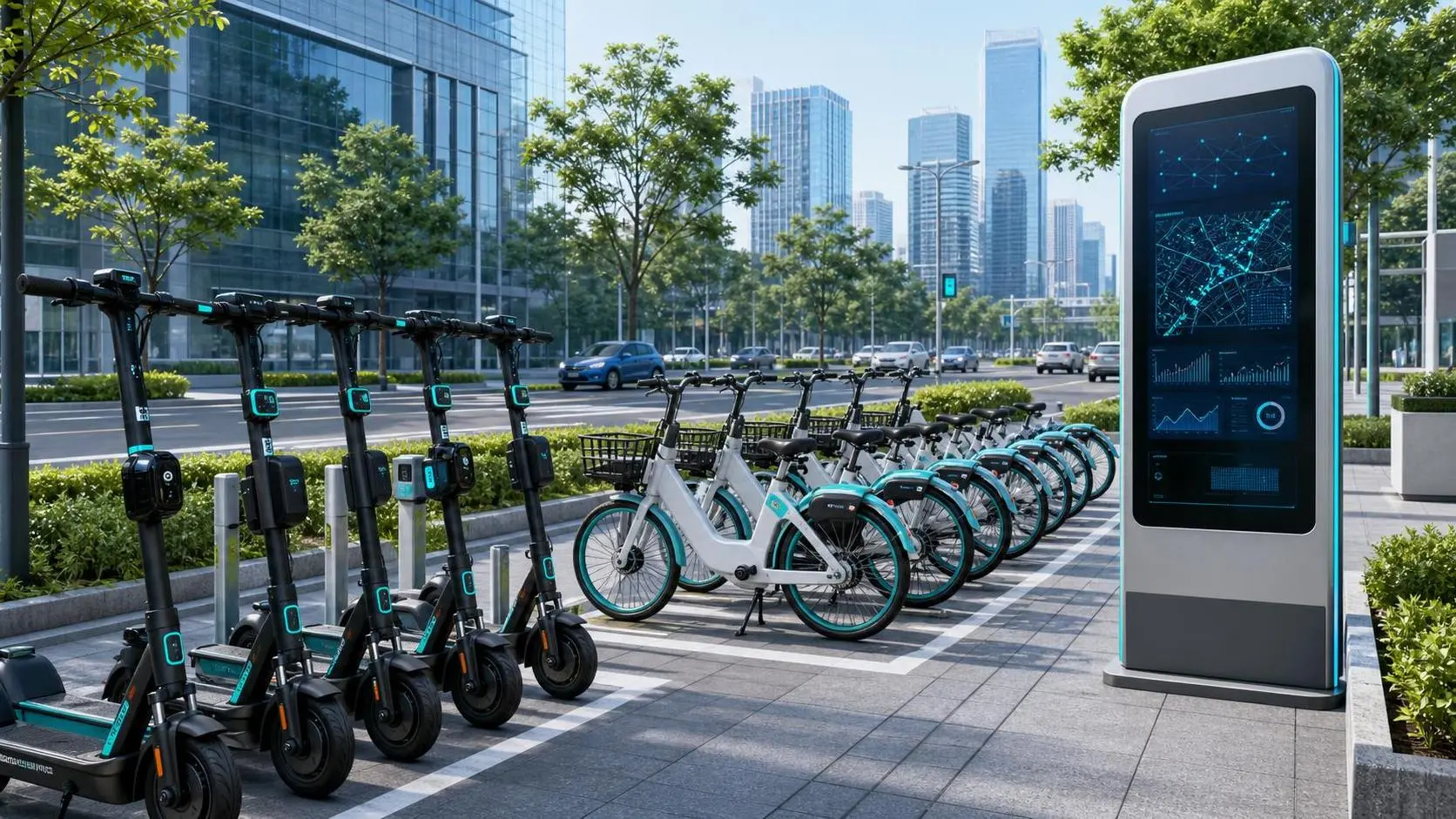
What Is the Intellectualization of Mobility Platform and How Is It Applied in Shared Fleets?
Intellectualization of mobility platform is reshaping shared fleets with real-time data, predictive maintenance, and smarter compliance—learn how it boosts safety, uptime, and urban mobility efficiency.
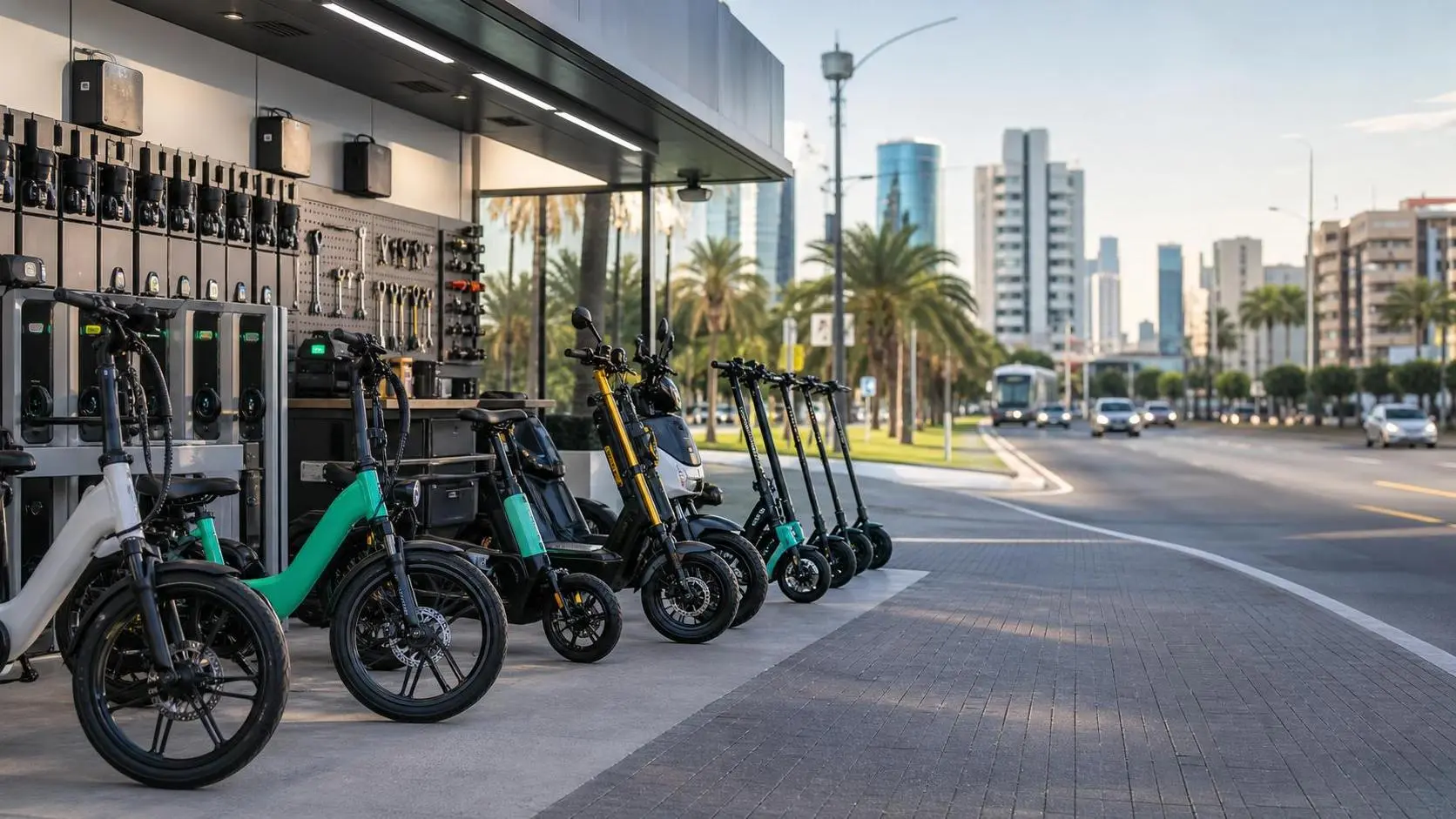
Urban Micro-Mobility Systems in Latin America: Key Market Drivers, Barriers, and Growth Segments
Urban micro-mobility systems Latin America are reshaping city transport. Explore key drivers, barriers, and high-growth segments to spot the region’s most investable opportunities.
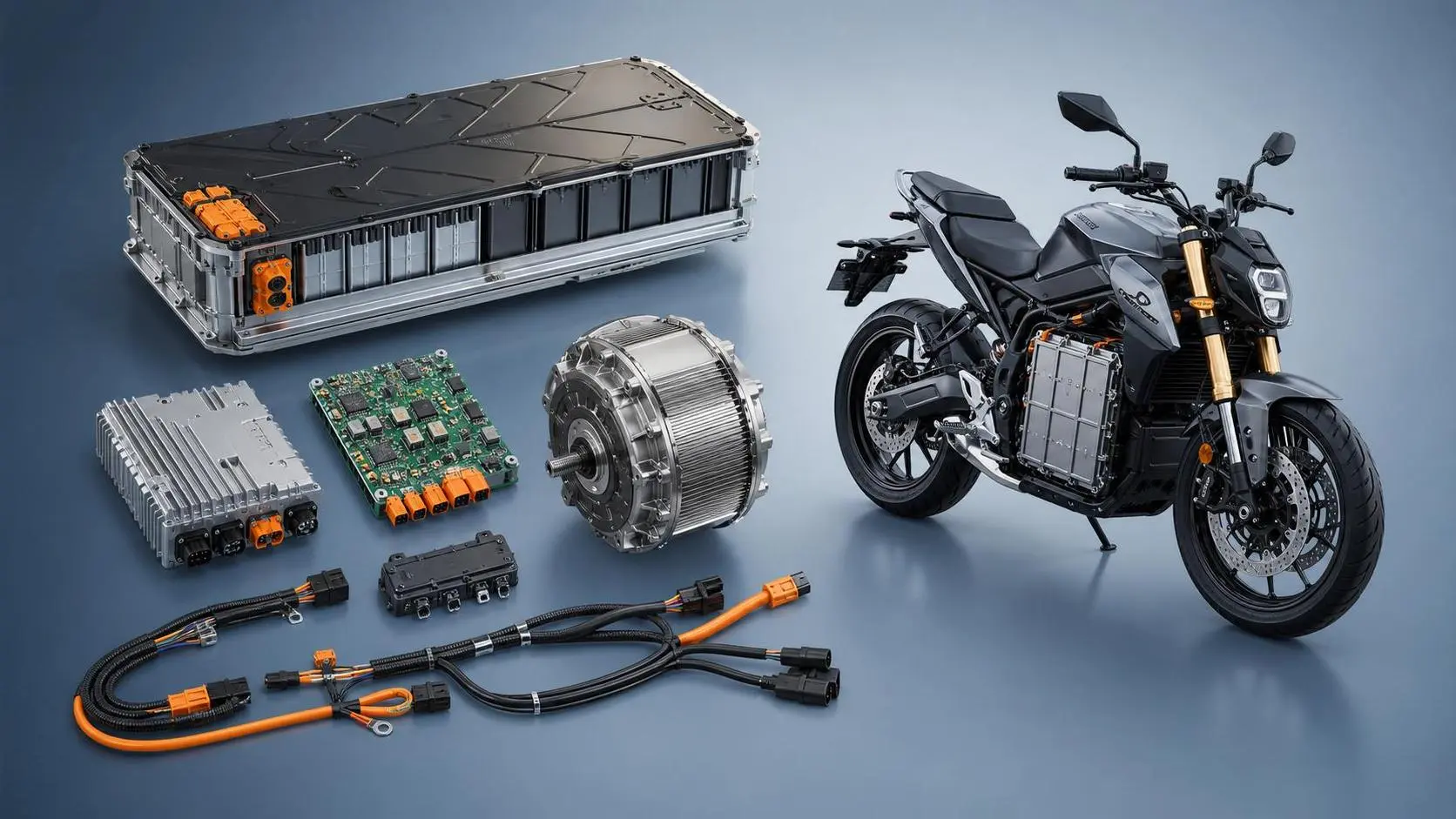
Electric Motorcycle Systems Price Breakdown: What Affects Cost From Battery to Controller?
Electric motorcycle systems price explained: see how battery, controller, motor, BMS, and wiring affect total cost, reliability, and sourcing value before you buy.
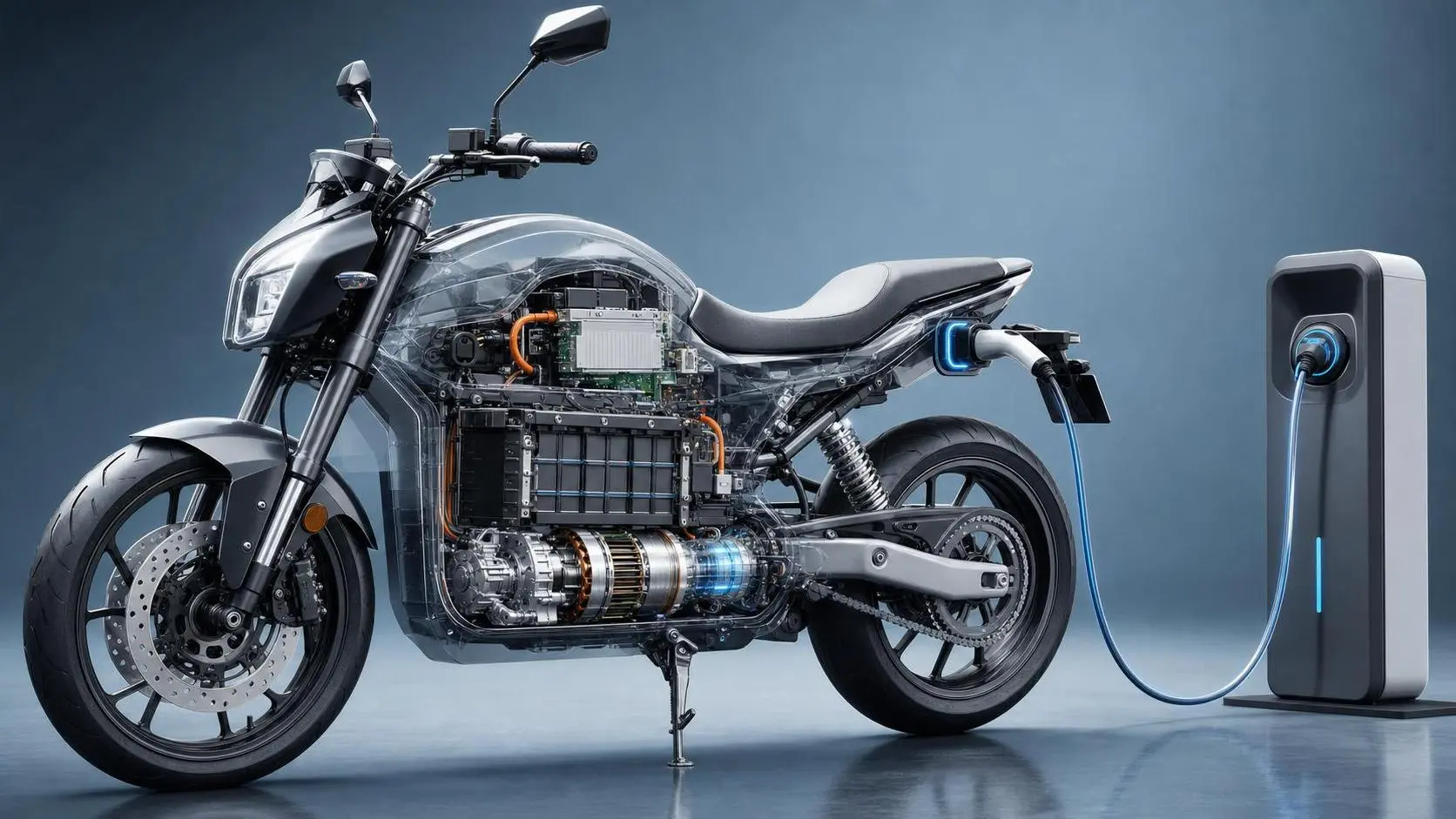
72V Electric Motorcycle Technology Explained: Motors, Controllers, Range, and Charging
Electric motorcycle technology 72V explained clearly: compare motors, controllers, range, battery design, and charging to choose a smoother, stronger, and smarter electric ride.

Where LED Urban Visibility Safety Systems Fit Best in Shared Scooters and City E-bikes
LED urban visibility safety systems deliver the most value in shared scooters and city e-bikes by improving multi-angle safety, fleet durability, and urban compliance across real-world routes.
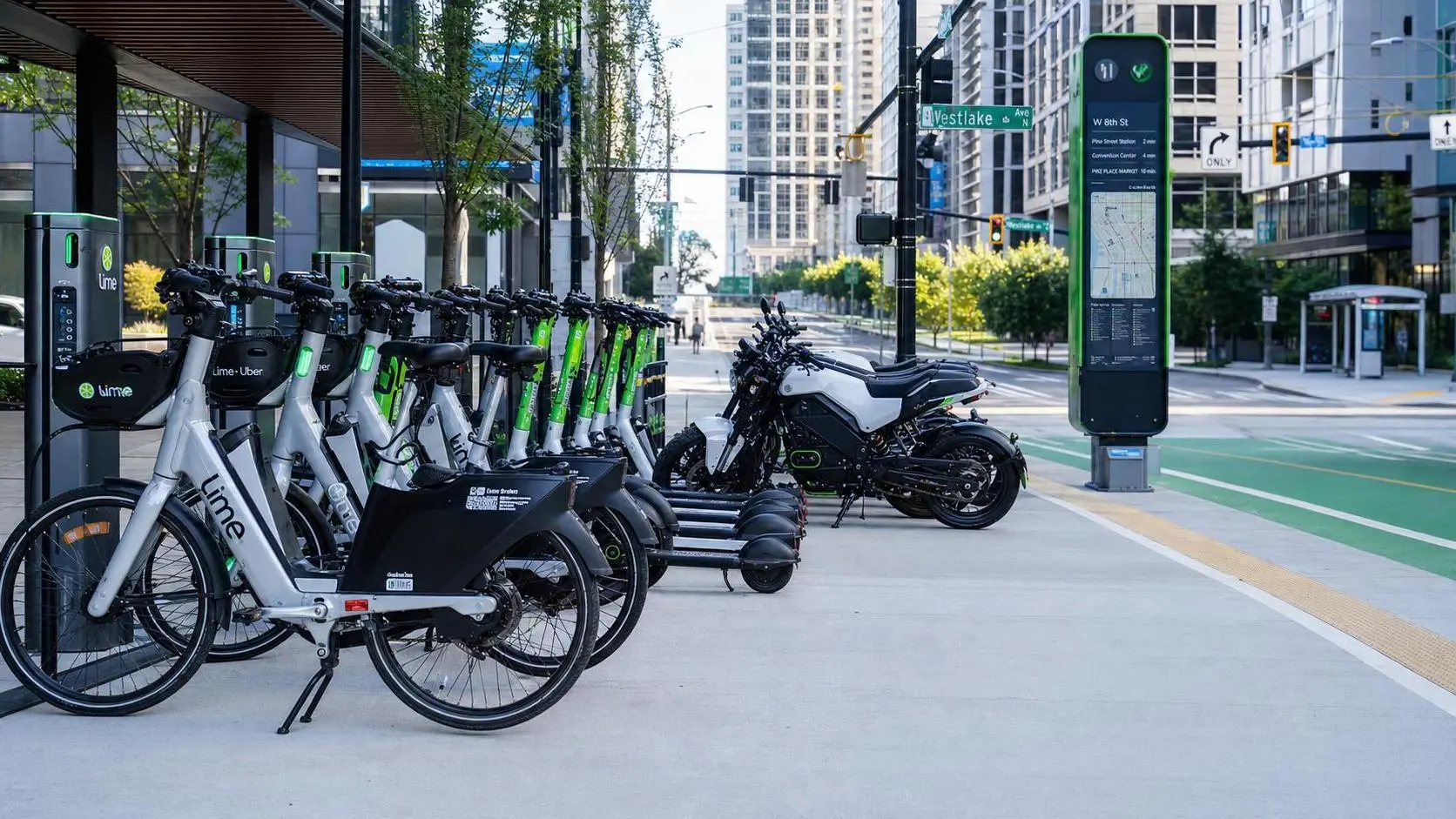
Intellectualization of Mobility in North America: What Is Driving Adoption Across Urban Transport?
Intellectualization of mobility North America is reshaping urban transport through data, smart fleets, and battery intelligence. Explore what is driving adoption and why cities and operators are accelerating now.

How to Choose a Compact Battery Pack: Size, Energy Density, Thermal Design, and Cycle Life
Compact battery pack selection starts with more than size. Learn how energy density, thermal design, and cycle life shape range, safety, and long-term value.
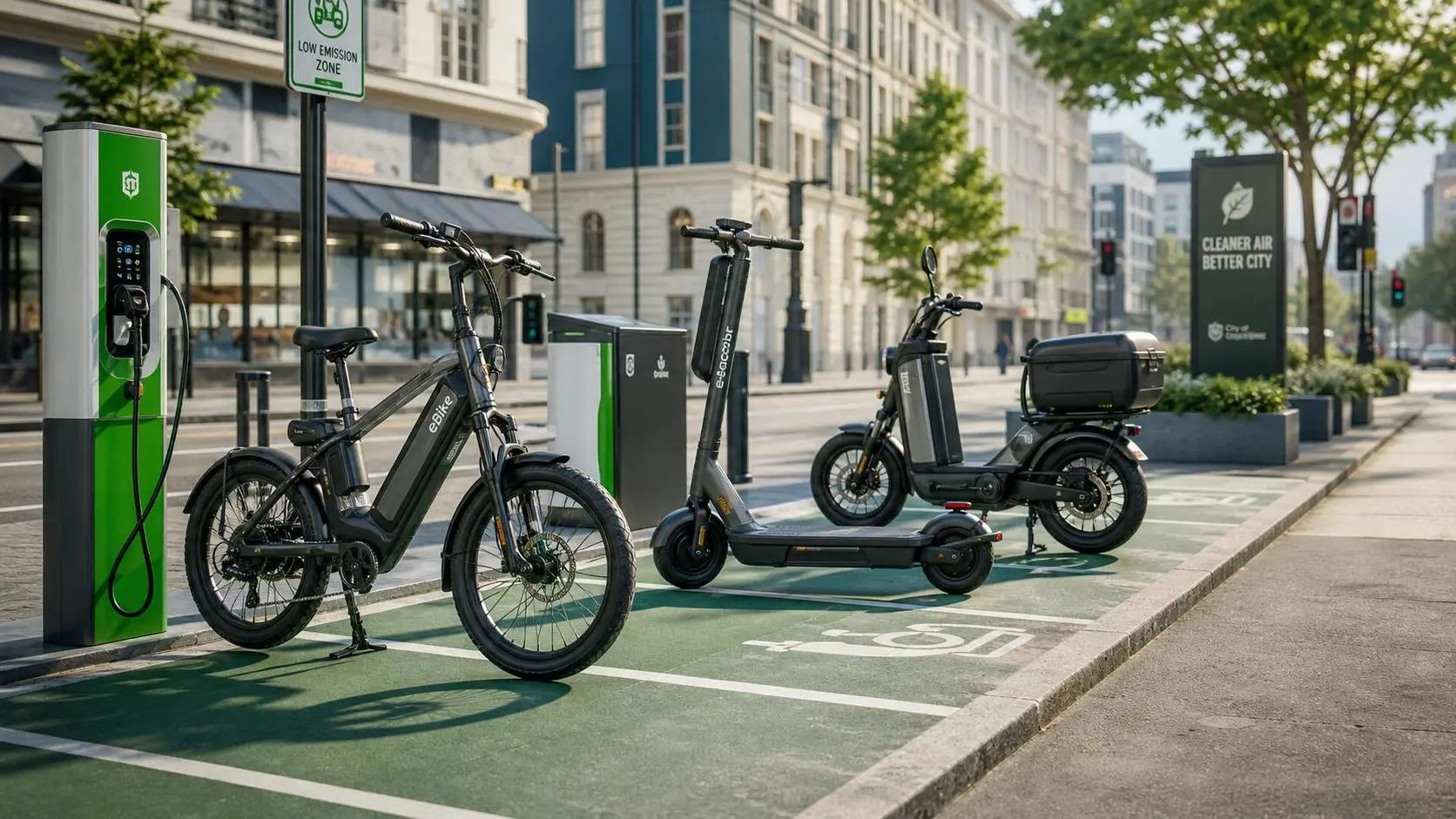
What Is Driving Green Two-wheelers Demand in Europe? Policy, Fuel Costs, and Buyer Segments
Green two-wheelers demand Europe is rising as policy support, fuel cost pressure, and diverse buyer segments reshape urban mobility. Explore the trends driving the next growth wave.