
Related News
- 00
0000-00
Electric Motorcycle Systems Price Breakdown: What Affects Cost From Battery to Controller? - 00
0000-00
Micro-mobility Systems Explained: Core Components, Operating Models, and City Use Cases - 00
0000-00
Electrification Strategies in Europe: Policy, Charging, and ROI Factors for Fleet Planning - 00
0000-00
OEM Market Share in Electric Motorcycles: What It Reveals About Brand Positioning - 00
0000-00
What Is a Smart Transportation Platform and Which Urban Mobility Use Cases Fit Best?
Ms. Elena Rodriguez
Weekly Insights
Stay ahead with our curated technology reports delivered every Monday.
How energy efficiency optimization cuts long term costs





For finance decision-makers in micro-mobility, energy efficiency optimization is more than a technical upgrade—it is a proven path to lower operating expenses, extend component life, and protect long-term margins. From e-bikes and smart e-scooters to high-speed e-motorcycles and precision drivetrain systems, smarter energy use helps reduce total ownership costs while strengthening competitiveness in a fast-evolving low-carbon market.
Why finance leaders should treat energy efficiency optimization as a cost strategy
When buyers search for energy efficiency optimization, they rarely want theory alone. They want evidence that better energy performance can reduce operating costs, improve asset productivity, and support stronger long-term financial planning.
For financial approvers in micro-mobility, the main question is simple: will the savings be real, measurable, and durable enough to justify investment across vehicles, components, software, and charging infrastructure?
The short answer is yes, but only when optimization is approached as a system-level business decision rather than a narrow engineering project. The strongest results come from coordinated improvements across powertrain, battery, controls, and usage patterns.
In e-bikes, e-scooters, and high-speed e-motorcycles, inefficient energy use does not only increase electricity costs. It also accelerates battery aging, raises maintenance frequency, reduces fleet availability, and weakens the economics of daily operations.
That is why energy efficiency optimization matters to margin protection. It lowers direct consumption, but more importantly, it reduces hidden costs that compound over years of ownership and scale.
What finance decision-makers usually care about most
Financial stakeholders are typically less interested in abstract efficiency ratios than in budget impact. They want to know how optimization changes cash flow, asset lifespan, unit economics, and the risk profile of future procurement.
In the micro-mobility sector, the most important concerns usually include battery replacement intervals, charging cost volatility, maintenance burden, downtime losses, warranty exposure, and resale or residual value of electric assets.
They also care about whether improvements can be verified before a full rollout. A good efficiency initiative should provide measurable baselines, realistic implementation costs, and a timeline for payback instead of broad technical promises.
Another common concern is strategic fit. Finance teams want to understand whether efficiency projects support market expansion, compliance, decarbonization goals, and product differentiation, especially in regions where subsidies or urban regulations influence competitiveness.
So the decision is not only about lowering power consumption. It is about determining whether optimized energy use can create a more resilient cost structure across the full operating and commercial lifecycle.
Where long-term cost savings actually come from
Energy efficiency optimization cuts costs through several linked channels. The first is the obvious one: lower electricity consumption per kilometer, per delivery route, per shared trip, or per production cycle.
However, direct energy savings are often only the beginning. In many micro-mobility operations, larger long-term value comes from extending battery health and reducing stress on motors, controllers, braking systems, and precision drivetrain components.
When energy flows are managed more intelligently, components operate under less thermal and mechanical strain. That can reduce failure rates, lengthen service intervals, and lower the frequency of unplanned part replacement.
For shared scooter fleets, this may mean fewer charging rounds, fewer battery swaps, and better fleet uptime. For premium e-bike or e-motorcycle platforms, it can mean stronger range performance without oversizing expensive battery packs.
Manufacturers also benefit. More efficient systems can reduce warranty claims tied to overheating, range underperformance, or premature battery degradation. Those avoided costs improve margins just as much as direct energy savings do.
In short, the best efficiency gains improve total cost of ownership, not just utility bills. That is the framework most finance leaders should use when evaluating investment cases.
How energy efficiency affects batteries, the biggest cost center in electric mobility
For most electric micro-mobility products, the battery is one of the most expensive components over the asset lifecycle. Any strategy that extends battery life can materially improve long-term economics.
Poor energy management leads to deeper discharge cycles, higher peak loads, and more frequent heat buildup. These conditions accelerate battery degradation and bring forward replacement costs, which can quickly erode profitability.
Energy efficiency optimization helps by reducing unnecessary power draw, smoothing load demand, and improving charging logic. This lowers electrochemical stress and supports better battery health over time.
For finance teams, this matters because delayed battery replacement has a compounding effect. It improves cash flow timing, reduces spare inventory pressure, and can make product pricing or fleet deployment models more sustainable.
In high-speed e-motorcycles, battery thermal management is especially important. Efficient cooling and power control can preserve performance while preventing the kind of stress that leads to expensive battery warranty risk.
In e-bikes and scooters, the same principle applies at smaller scale. Better controller calibration, regenerative strategies where relevant, and optimized motor matching all help preserve battery value over more operating cycles.
Why system-level optimization beats isolated upgrades
One of the most common mistakes is funding a single component upgrade and expecting broad savings. Real cost reduction usually comes from improving how the full system works together.
For example, a higher-efficiency motor can underperform financially if the battery management system is poorly tuned, the controller wastes power, or the vehicle carries avoidable weight that increases energy demand.
Likewise, investing in larger batteries may increase range, but it can also add cost and mass that reduce efficiency elsewhere. Bigger is not always better if the system is not optimized holistically.
Finance leaders should therefore ask whether the proposal addresses the full chain of energy conversion and use: battery, electronics, motor, drivetrain, vehicle design, software logic, and actual operating behavior.
This is especially relevant in micro-mobility, where compact platforms are sensitive to small design inefficiencies. A modest gain in motor control, rolling resistance, or drivetrain friction can translate into meaningful lifecycle savings at scale.
High-impact areas to evaluate in micro-mobility projects
In practical terms, some optimization areas tend to deliver stronger financial returns than others. Battery management systems are often near the top because they influence charging efficiency, thermal behavior, and long-term battery health.
Motor and controller matching is another major area. When torque delivery, power demand, and ride conditions are aligned more precisely, systems waste less energy and deliver better real-world efficiency.
Vehicle weight reduction also deserves attention. Lightweight frames, efficient materials, and better component integration reduce the energy required per trip without depending on user behavior to create savings.
Precision drivetrain improvements matter as well, especially in e-bikes and high-performance bicycles. Lower friction losses and better power transfer can improve range and reduce mechanical wear over extended use.
For shared e-scooters and connected fleets, telematics-based routing, charging scheduling, and utilization balancing can be just as important as hardware upgrades. Software can unlock substantial efficiency gains by reducing unnecessary movement and idle losses.
Finance teams should rank opportunities not by technical novelty, but by measurable cost effect, implementation complexity, and scalability across product lines or operating regions.
How to assess ROI without relying on optimistic engineering assumptions
Approving an efficiency project requires discipline. The safest approach is to build the business case around verifiable operating metrics rather than vendor claims or laboratory performance alone.
Start with a baseline that includes energy use per kilometer, battery replacement frequency, maintenance cost per unit, downtime rates, warranty claims, and expected asset life under current conditions.
Then model the impact of optimization on each cost category. A project that saves five percent on charging costs may be average, but if it also extends battery life by one year, the financial case can become much stronger.
It is also useful to separate hard savings from strategic upside. Hard savings include lower electricity consumption and fewer replacement parts. Strategic upside includes better range perception, stronger product positioning, and improved compliance readiness.
Pilot programs are particularly valuable. A controlled test across selected vehicles, routes, or product batches can reveal actual savings before committing to larger capital allocation.
Finance leaders should also ask for sensitivity analysis. If electricity prices shift, battery prices fall, or usage intensity changes, does the project still meet return thresholds? Robust projects remain attractive under more than one scenario.
Common risks and how to reduce approval uncertainty
Although the upside is real, not every energy efficiency optimization project performs equally well. Some initiatives fail because they underestimate integration complexity or overestimate savings based on ideal operating conditions.
Another risk is focusing on a metric that looks impressive but does not materially affect total cost. For example, a minor efficiency gain may have little financial relevance if it does not influence battery life, maintenance, or utilization.
There is also execution risk. New control software, battery logic, or drivetrain components can introduce compatibility issues if suppliers, hardware, and service teams are not aligned from the beginning.
To reduce uncertainty, finance teams should require milestone-based validation. Savings should be measured against baseline data, and rollout decisions should be tied to actual performance, not assumptions.
Cross-functional review is equally important. Engineering may understand technical feasibility, but operations, procurement, after-sales, and finance together determine whether the project creates enterprise-level value.
Why energy efficiency optimization can strengthen competitiveness, not just lower costs
In the micro-mobility market, cost savings are important, but they are not the only reason to invest. Efficient products and systems often create commercial advantages that support revenue quality and market access.
Longer range, lower charging needs, and better battery durability improve user experience. That can support premium pricing, stronger fleet economics, or higher customer retention in both consumer and commercial segments.
Efficiency also matters in policy-driven markets. Cities and regulators increasingly favor low-carbon, durable, and resource-efficient mobility solutions. Better efficiency can therefore support compliance and strengthen eligibility for incentive programs.
For suppliers and OEMs, this translates into stronger differentiation. A company that demonstrates lower lifecycle cost and better energy performance can win contracts more easily than one that competes only on upfront price.
That is especially relevant in global expansion, where procurement teams increasingly compare total value instead of headline specifications alone. Energy efficiency optimization becomes a credibility signal as much as a cost lever.
What a strong approval framework looks like
For finance decision-makers, the best approval framework is simple and practical. First, confirm that the initiative targets a meaningful cost driver such as battery life, charging frequency, maintenance burden, or warranty exposure.
Second, require a system-level explanation of how savings will be created. If the proposal only describes one isolated component without showing downstream impact, the business case may be incomplete.
Third, request a measurable baseline, pilot evidence, and scenario analysis. These three elements help convert a technical idea into a financial decision with manageable risk.
Fourth, assess scalability. An optimization that works across multiple vehicle classes, geographies, or product generations will usually deserve more strategic attention than one with narrow application.
Finally, compare the initiative against alternative uses of capital. The strongest projects are those that combine cost reduction, asset longevity, and competitive benefit rather than delivering just one of these outcomes.
Conclusion: the financial case is strongest when efficiency is linked to total ownership value
Energy efficiency optimization cuts long-term costs most effectively when it is treated as a full-lifecycle business lever. In micro-mobility, the value is not limited to lower electricity use.
It also includes longer battery life, reduced maintenance, better uptime, lower warranty risk, and more disciplined capital planning. These are the outcomes that matter most to finance approvers.
For e-bikes, smart e-scooters, high-speed e-motorcycles, and precision drivetrain systems, the smartest investments are those that improve energy use while strengthening operating resilience and commercial competitiveness.
So if the question is whether energy efficiency optimization is worth serious financial attention, the answer is clear: when measured correctly, it is one of the most practical ways to protect long-term margins in a low-carbon mobility market.
Related News
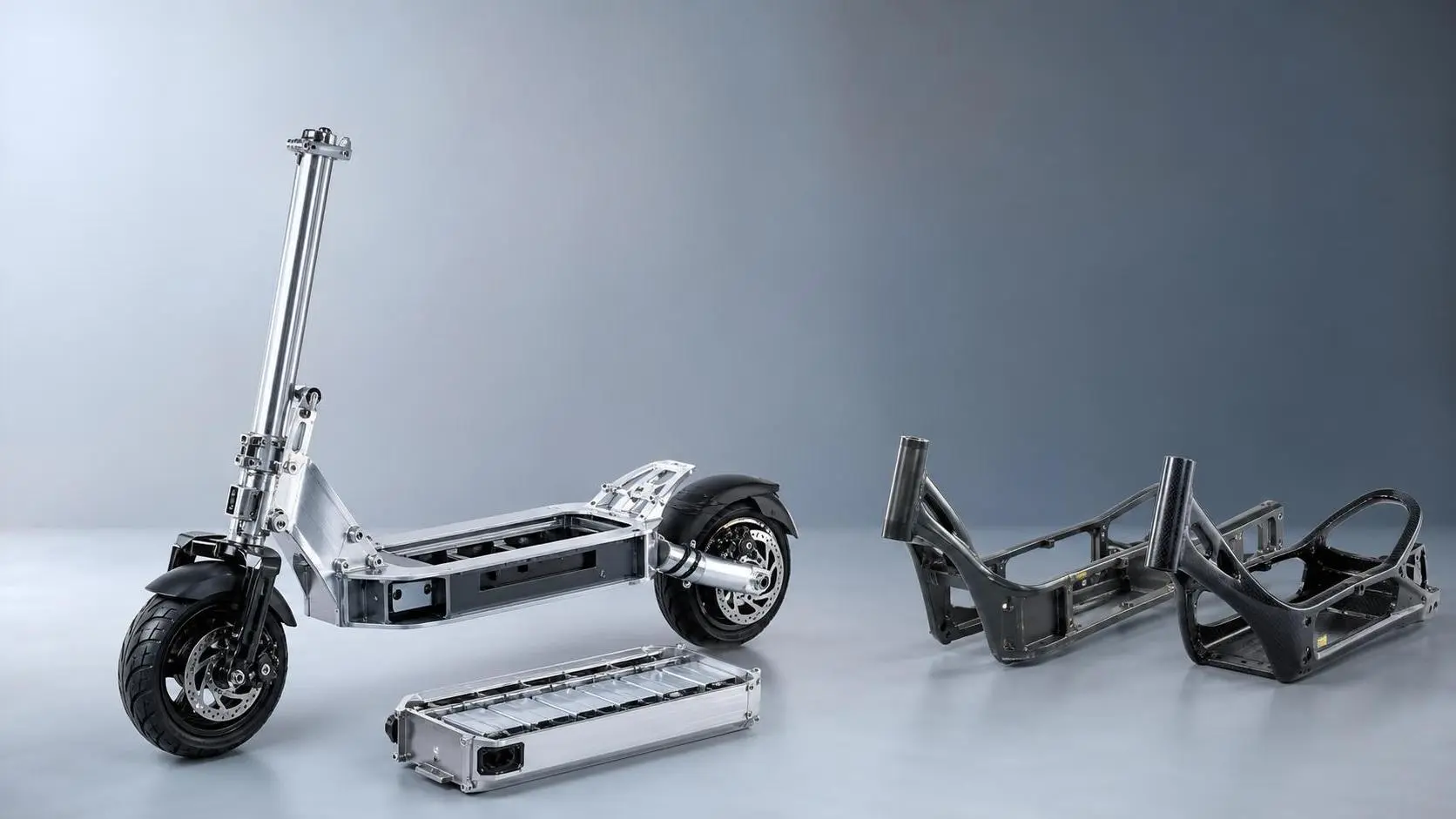
How to Choose Lightweight Scooter Frames in Europe: Materials, Standards, and Use Cases
Lightweight scooter frames Europe buyers need should balance materials, EN standards, durability, and real use cases. Discover how to choose safer, smarter, compliant frames.
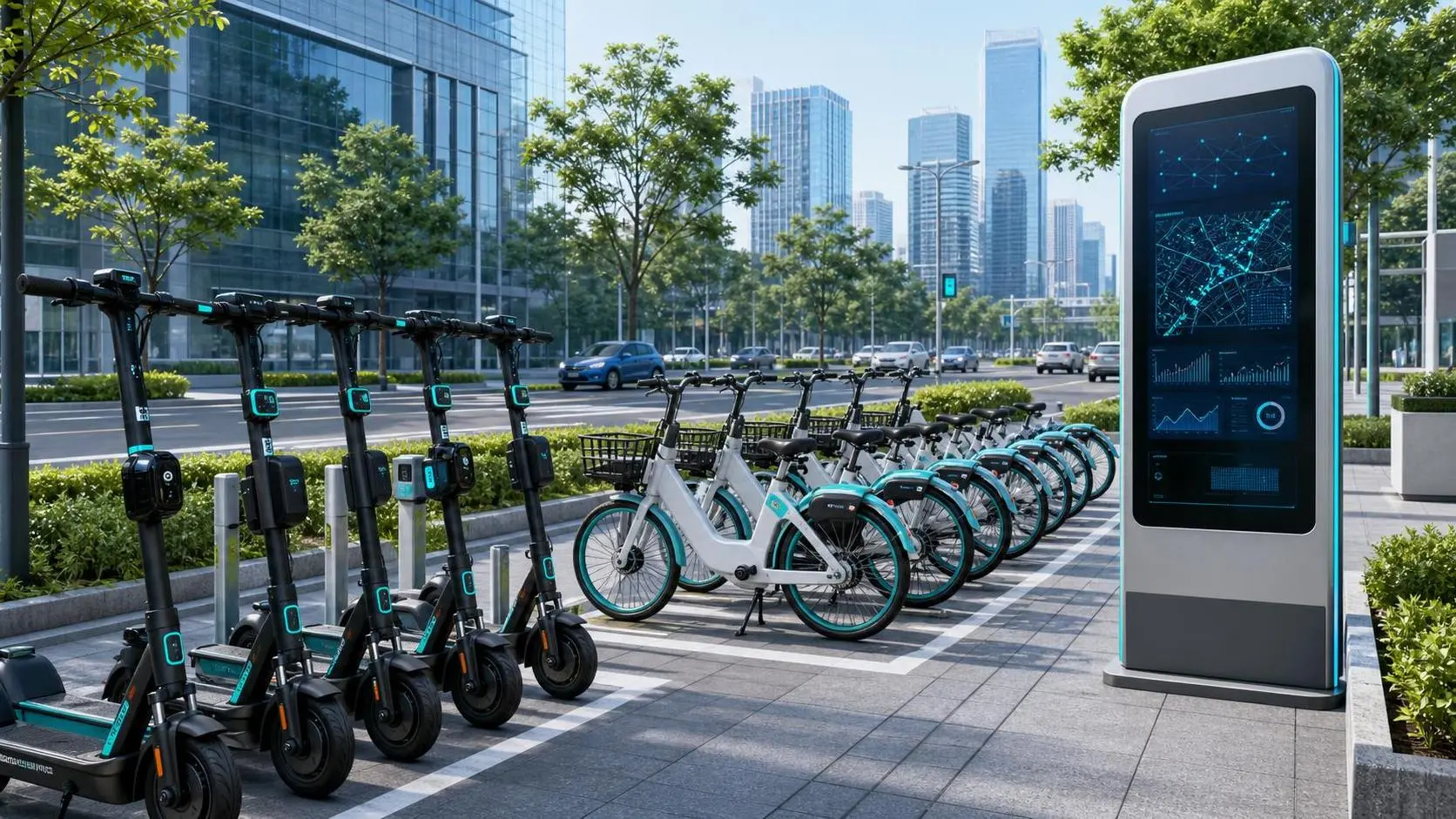
What Is the Intellectualization of Mobility Platform and How Is It Applied in Shared Fleets?
Intellectualization of mobility platform is reshaping shared fleets with real-time data, predictive maintenance, and smarter compliance—learn how it boosts safety, uptime, and urban mobility efficiency.
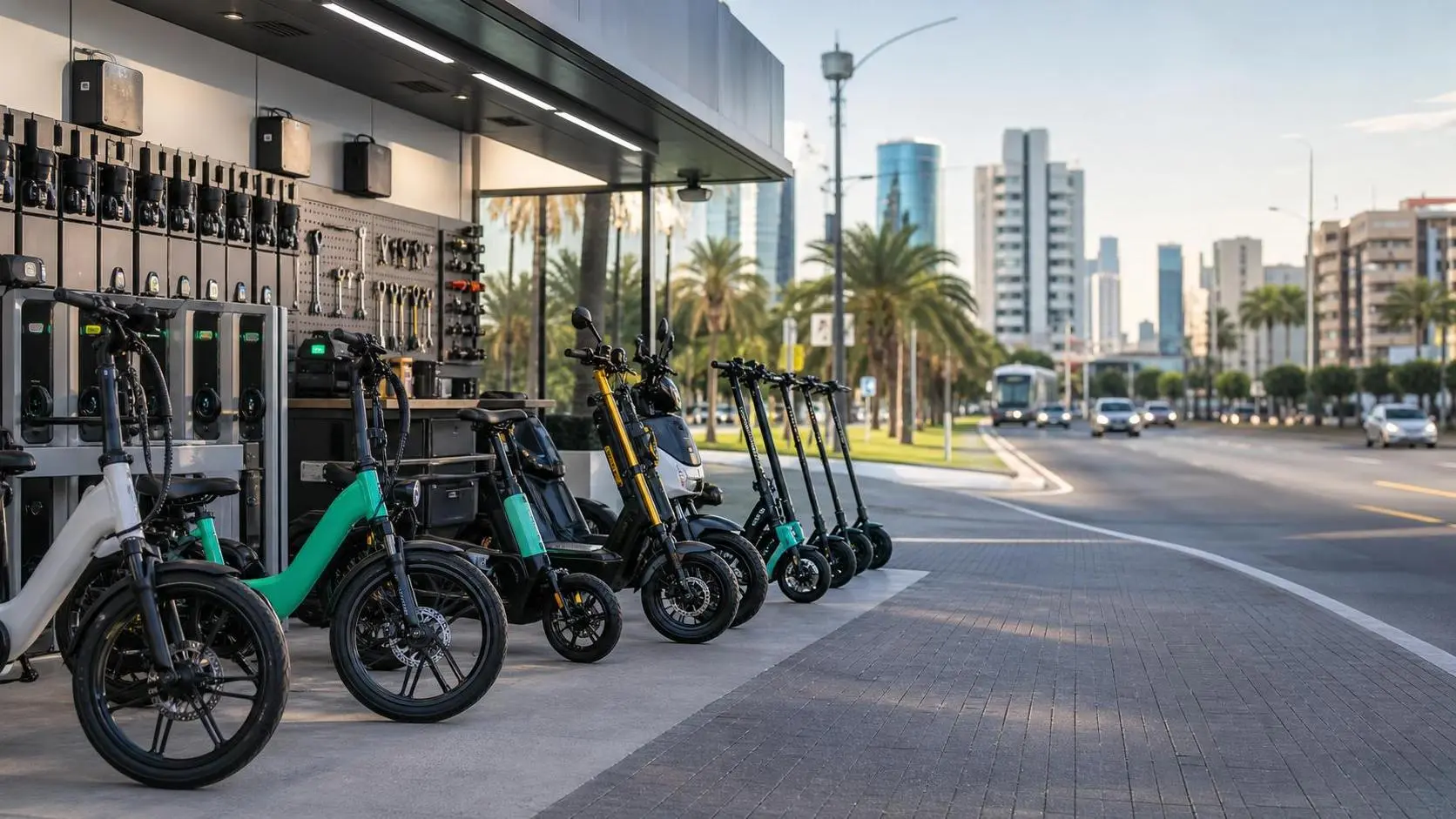
Urban Micro-Mobility Systems in Latin America: Key Market Drivers, Barriers, and Growth Segments
Urban micro-mobility systems Latin America are reshaping city transport. Explore key drivers, barriers, and high-growth segments to spot the region’s most investable opportunities.
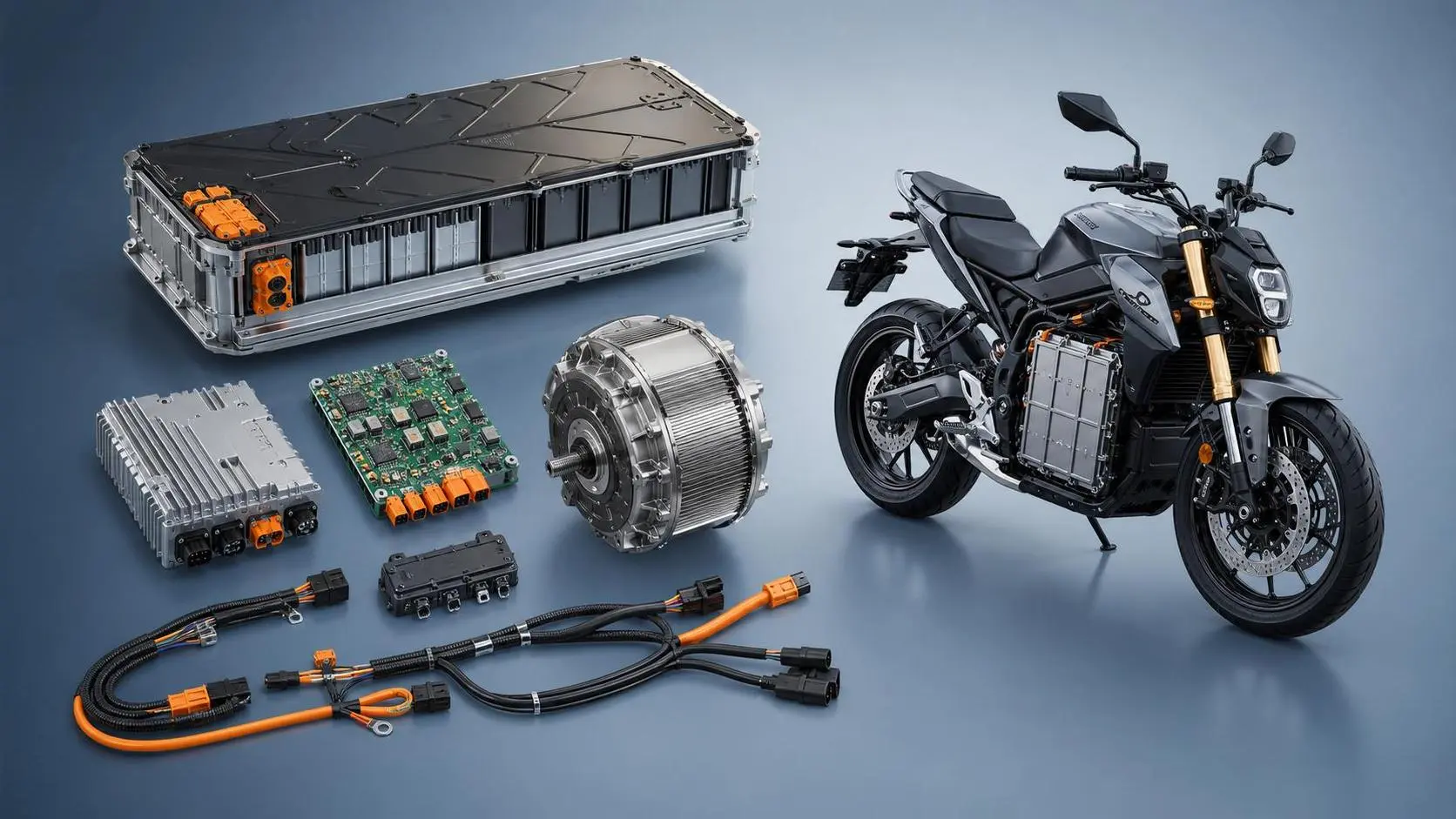
Electric Motorcycle Systems Price Breakdown: What Affects Cost From Battery to Controller?
Electric motorcycle systems price explained: see how battery, controller, motor, BMS, and wiring affect total cost, reliability, and sourcing value before you buy.
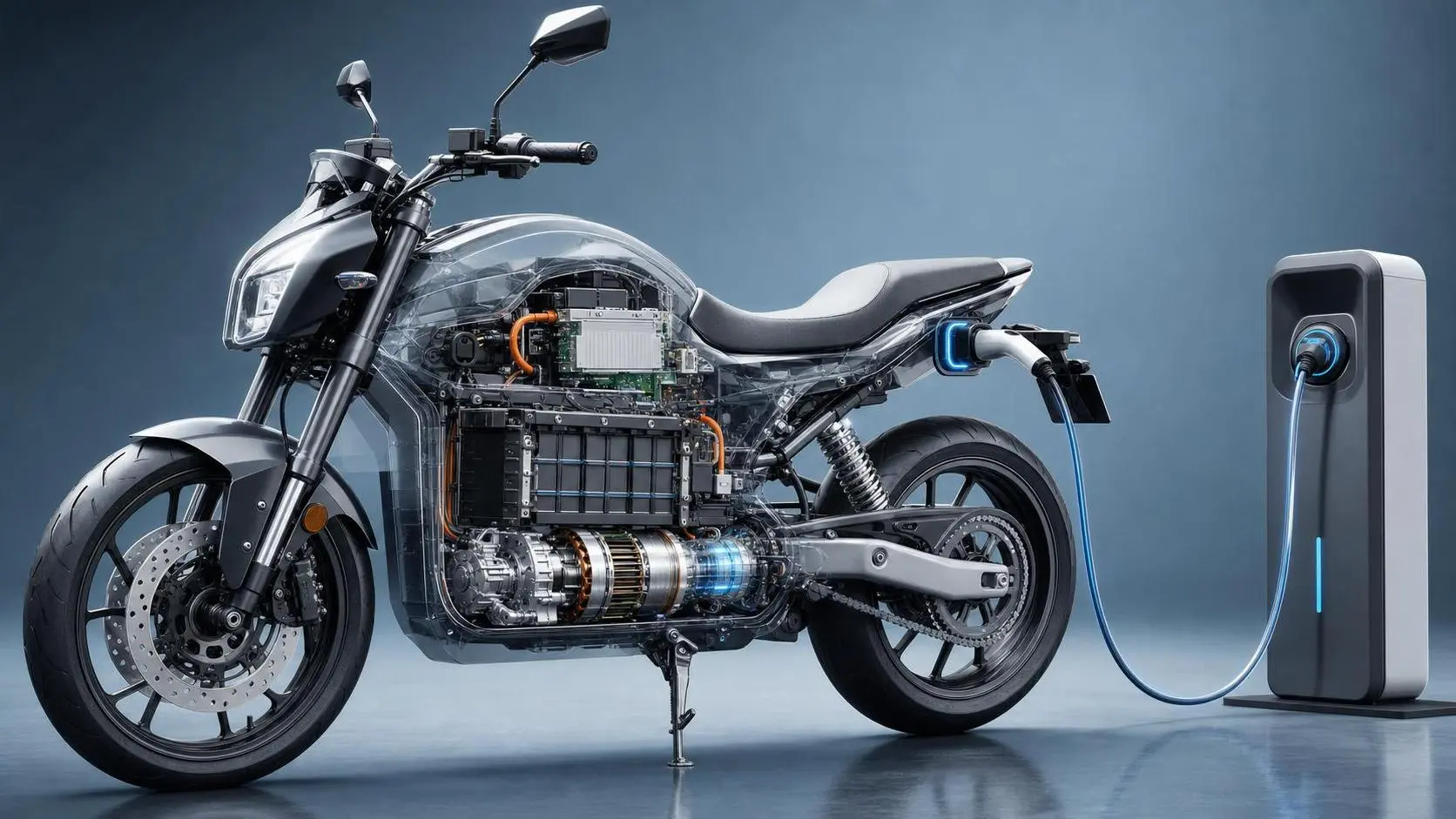
72V Electric Motorcycle Technology Explained: Motors, Controllers, Range, and Charging
Electric motorcycle technology 72V explained clearly: compare motors, controllers, range, battery design, and charging to choose a smoother, stronger, and smarter electric ride.

Where LED Urban Visibility Safety Systems Fit Best in Shared Scooters and City E-bikes
LED urban visibility safety systems deliver the most value in shared scooters and city e-bikes by improving multi-angle safety, fleet durability, and urban compliance across real-world routes.

Intellectualization of Mobility in North America: What Is Driving Adoption Across Urban Transport?
Intellectualization of mobility North America is reshaping urban transport through data, smart fleets, and battery intelligence. Explore what is driving adoption and why cities and operators are accelerating now.
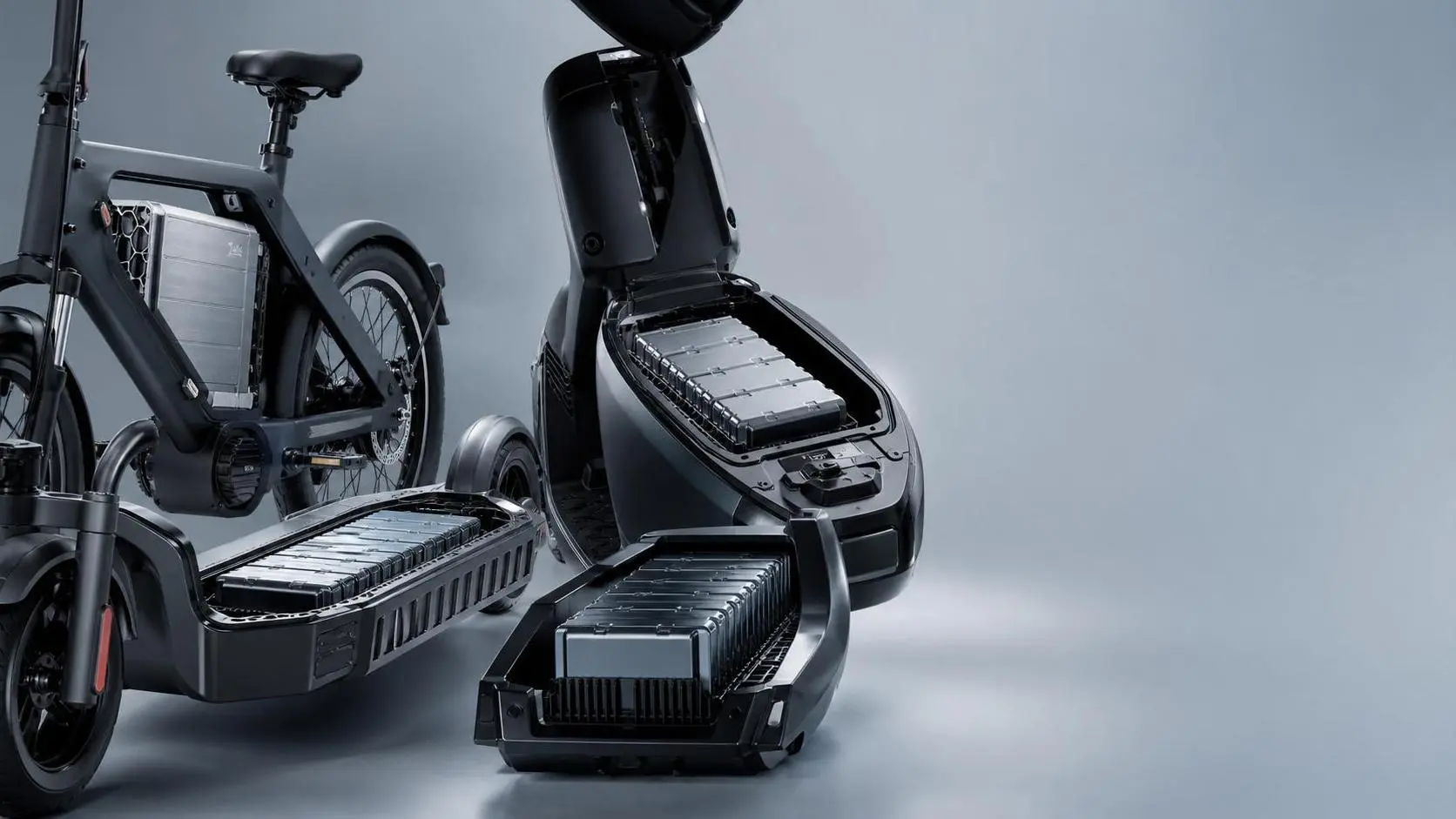
How to Choose a Compact Battery Pack: Size, Energy Density, Thermal Design, and Cycle Life
Compact battery pack selection starts with more than size. Learn how energy density, thermal design, and cycle life shape range, safety, and long-term value.
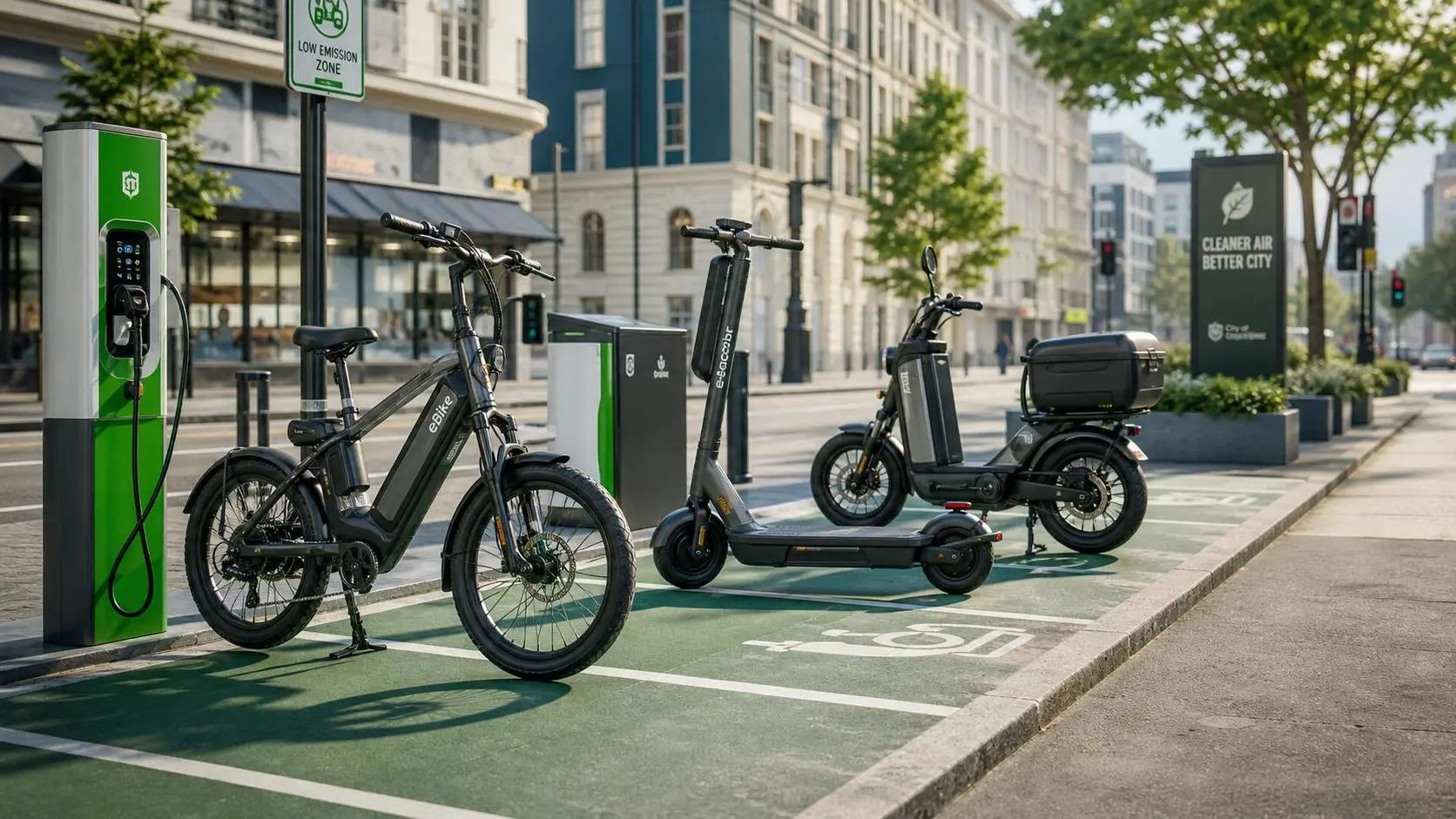
What Is Driving Green Two-wheelers Demand in Europe? Policy, Fuel Costs, and Buyer Segments
Green two-wheelers demand Europe is rising as policy support, fuel cost pressure, and diverse buyer segments reshape urban mobility. Explore the trends driving the next growth wave.