
Related News
- 00
0000-00
Electric Motorcycle Systems Price Breakdown: What Affects Cost From Battery to Controller? - 00
0000-00
Micro-mobility Systems Explained: Core Components, Operating Models, and City Use Cases - 00
0000-00
Electrification Strategies in Europe: Policy, Charging, and ROI Factors for Fleet Planning - 00
0000-00
OEM Market Share in Electric Motorcycles: What It Reveals About Brand Positioning - 00
0000-00
What Is a Smart Transportation Platform and Which Urban Mobility Use Cases Fit Best?
Ms. Elena Rodriguez
Weekly Insights
Stay ahead with our curated technology reports delivered every Monday.
What utility maximization misses in real buying decisions





In business evaluation, utility maximization is often presented as the core logic behind buying behavior. The idea seems elegant: buyers compare options, rank benefits, and choose the one delivering the highest value.
Yet in real markets, especially micro-mobility, utility maximization explains only part of the story. Decisions around e-bikes, smart e-scooters, e-motorcycles, wiper systems, and drivetrain components involve uncertainty, infrastructure, regulation, trust, and service depth.
That gap matters. When market analysis treats purchases as purely rational optimization, it can overlook the real pressures shaping adoption, retention, and product selection across global low-carbon mobility systems.
Utility Maximization as a Starting Framework
Utility maximization assumes people choose the option that gives the greatest satisfaction relative to cost. In theory, buyers process price, features, performance, and expected benefit in a consistent and comparable way.
This model remains useful. It helps structure demand forecasting, feature prioritization, pricing studies, and competitive benchmarking. It also supports scenario planning in broad, multi-category industries.
In micro-mobility, utility maximization can explain obvious preferences. A commuter may prefer a lighter e-bike with longer range. A fleet may favor a scooter with lower maintenance downtime. A rider may select electronic shifting for faster response.
However, actual buying decisions rarely happen in a frictionless environment. Human judgment is bounded. Market conditions change quickly. Product use is deeply contextual. That is where utility maximization begins to miss critical variables.
What Utility Maximization Misses in Real Buying Decisions
The biggest limitation of utility maximization is not that it is wrong. The limitation is that it is incomplete when uncertainty, system dependence, and behavioral frictions are strong.
Risk perception changes the value equation
A product may look superior on paper, yet buyers hesitate if failure consequences are high. Battery safety, braking consistency, software stability, waterproofing, and thermal management heavily affect perceived utility.
For high-speed e-motorcycles, utility maximization cannot fully capture concern over charging access, battery replacement cost, and performance under temperature stress. Risk-adjusted utility is often the true decision model.
Trust often outranks nominal performance
In complex products, buyers often prefer proven reliability over theoretical superiority. Certification history, service responsiveness, software update discipline, and component consistency shape confidence in ways simple utility maximization overlooks.
This is especially true for precision derailleur components and smart control systems. Millisecond response claims matter less if interoperability or anti-interference reliability remains uncertain.
Policy and infrastructure distort “best” choices
Utility maximization assumes available options can be judged in stable conditions. Real mobility markets are policy-shaped. Subsidies, road access rules, import standards, and battery regulations can redefine utility overnight.
An e-bike may be the best technical fit, yet local incentives may shift demand. A shared scooter platform may appear efficient, but right-of-way restrictions can weaken the practical utility of deployment.
Usage context is not a side variable
Urban terrain, weather variability, storage conditions, commute distance, theft exposure, and charging habits all influence real outcomes. Utility maximization often compresses these variables into generic preference scores.
But context can dominate performance. A smart e-scooter optimized for smooth surfaces may underperform in mixed-weather cities. A wiper system tuned for average conditions may fail in extreme visibility events.
Industry Signals That Reveal the Limits of Utility Maximization
Across the broader mobility ecosystem, several recurring signals show why utility maximization alone cannot explain demand or conversion behavior.
These signals matter across categories. They show that utility maximization should be supplemented by operational, behavioral, and policy-sensitive analysis rather than treated as a complete explanation.
Business Value of a Broader Buying-Decision Lens
A broader framework improves strategic clarity. It helps distinguish theoretical preference from actual adoption potential. That distinction is vital when products interact with regulations, charging systems, software, and mechanical reliability.
For intelligence-driven sectors like urban micro-mobility, replacing a narrow utility maximization view with a layered decision model creates more accurate market interpretation.
- It improves demand forecasting by including policy and infrastructure exposure.
- It clarifies why technical upgrades do not always produce higher conversion.
- It supports better product positioning across climate, usage, and regulation differences.
- It helps evaluate total operating value instead of headline purchase value.
- It reveals where trust-building and service architecture influence market share.
In this sense, utility maximization remains useful, but only when embedded within a wider market intelligence structure that reflects real adoption friction.
Typical Decision Contexts Across Micro-Mobility Categories
Different categories expose different blind spots in utility maximization. A comparative view helps show how buying logic changes by use case and system dependence.
The lesson is clear. Utility maximization captures product appeal, but real buying decisions are filtered through operational reliability, environmental fit, and long-term system confidence.
Practical Evaluation Principles Beyond Utility Maximization
A more accurate buying framework should combine economic logic with market realism. The following principles help translate utility maximization into a stronger decision process.
- Assess total lifecycle value, not only purchase efficiency.
- Model downside risk, especially for safety-critical or high-dependency systems.
- Test policy sensitivity in each target region.
- Measure service readiness and spare-part continuity.
- Evaluate interoperability with software, charging, and mechanical ecosystems.
- Separate claimed performance from stable field performance.
- Map decision factors by actual usage context, not average assumptions.
These principles do not replace utility maximization. They refine it. They make the model more predictive in real commercial settings where uncertainty and system effects are unavoidable.
A More Useful Way to Read Buying Behavior
The strongest market insight comes from understanding utility maximization as one layer of decision logic, not the whole structure. People do seek value, but they define value through risk, trust, infrastructure, regulation, and practical use.
In micro-mobility, that difference is decisive. A technically superior product can lose if it creates operational anxiety. A less advanced product can win if it fits the local system better.
A sharper next step is to review buying assumptions category by category, then test where utility maximization aligns with real field behavior and where additional variables reshape demand.
For any market shaped by electrification, urban congestion, and low-carbon transition, decision quality improves when utility maximization is balanced with strategic intelligence, context awareness, and long-term operating reality.
Related News
How to Choose Lightweight Scooter Frames in Europe: Materials, Standards, and Use Cases
Lightweight scooter frames Europe buyers need should balance materials, EN standards, durability, and real use cases. Discover how to choose safer, smarter, compliant frames.
What Is the Intellectualization of Mobility Platform and How Is It Applied in Shared Fleets?
Intellectualization of mobility platform is reshaping shared fleets with real-time data, predictive maintenance, and smarter compliance—learn how it boosts safety, uptime, and urban mobility efficiency.
Urban Micro-Mobility Systems in Latin America: Key Market Drivers, Barriers, and Growth Segments
Urban micro-mobility systems Latin America are reshaping city transport. Explore key drivers, barriers, and high-growth segments to spot the region’s most investable opportunities.
Electric Motorcycle Systems Price Breakdown: What Affects Cost From Battery to Controller?
Electric motorcycle systems price explained: see how battery, controller, motor, BMS, and wiring affect total cost, reliability, and sourcing value before you buy.
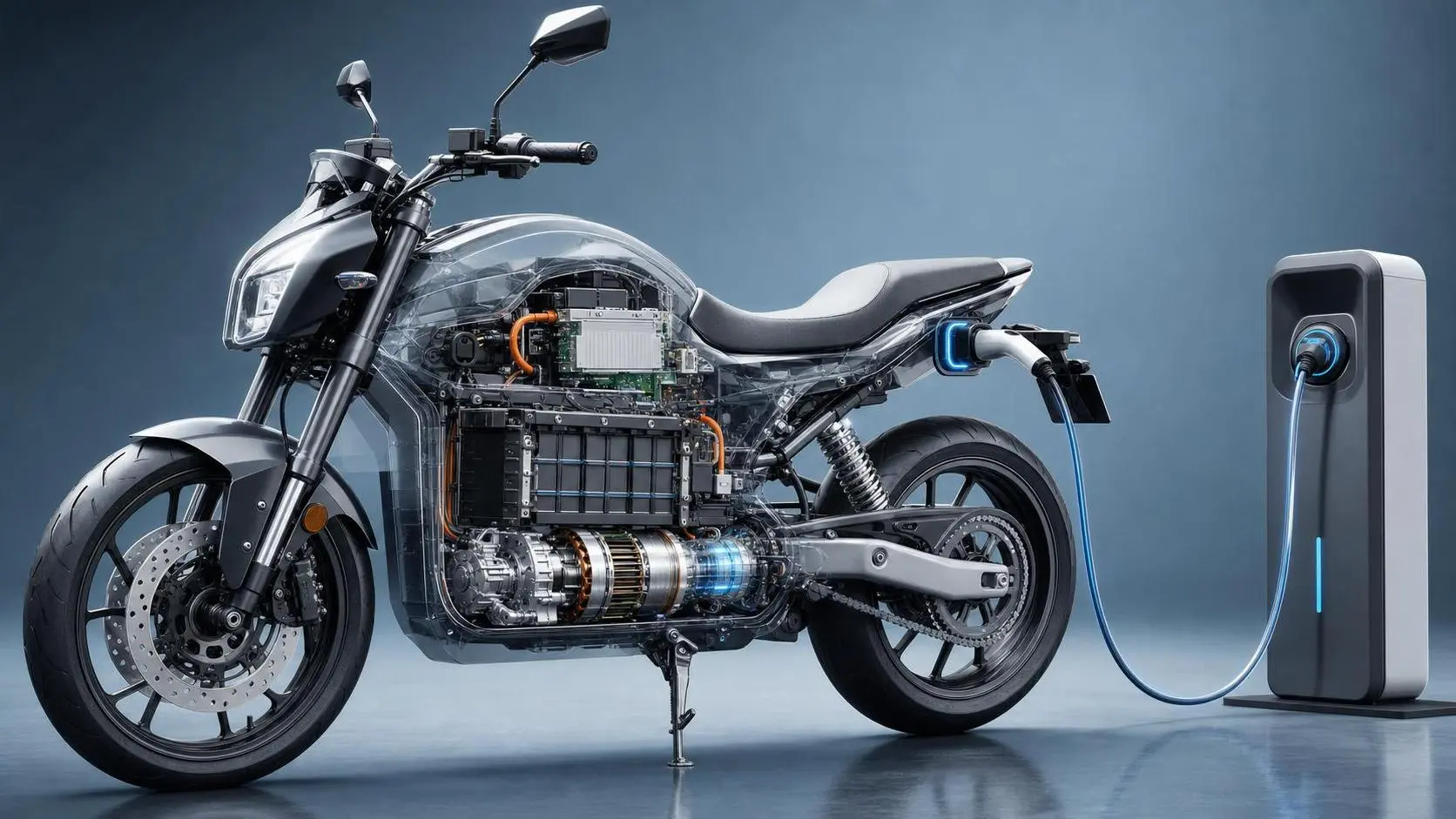
72V Electric Motorcycle Technology Explained: Motors, Controllers, Range, and Charging
Electric motorcycle technology 72V explained clearly: compare motors, controllers, range, battery design, and charging to choose a smoother, stronger, and smarter electric ride.
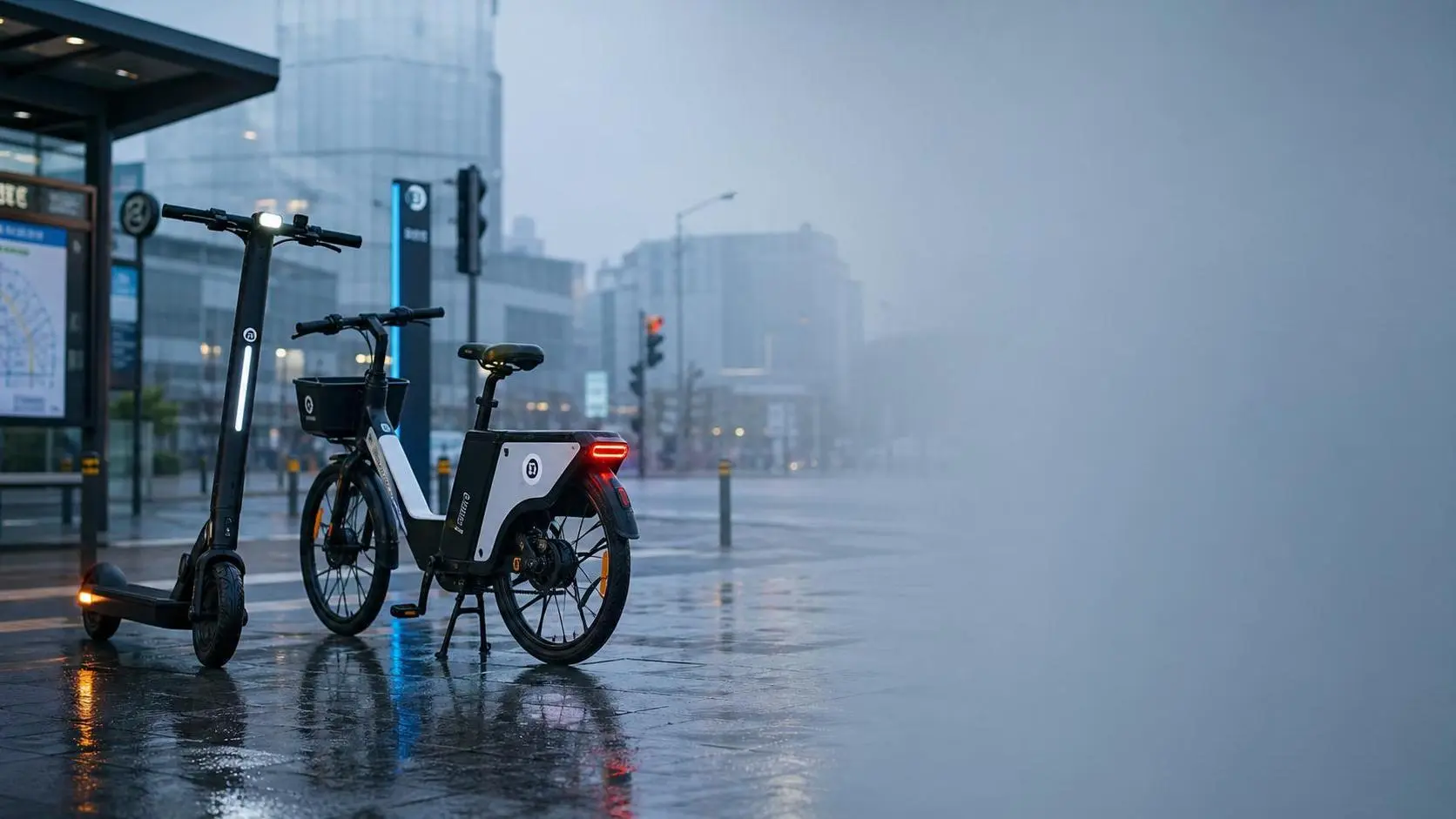
Where LED Urban Visibility Safety Systems Fit Best in Shared Scooters and City E-bikes
LED urban visibility safety systems deliver the most value in shared scooters and city e-bikes by improving multi-angle safety, fleet durability, and urban compliance across real-world routes.
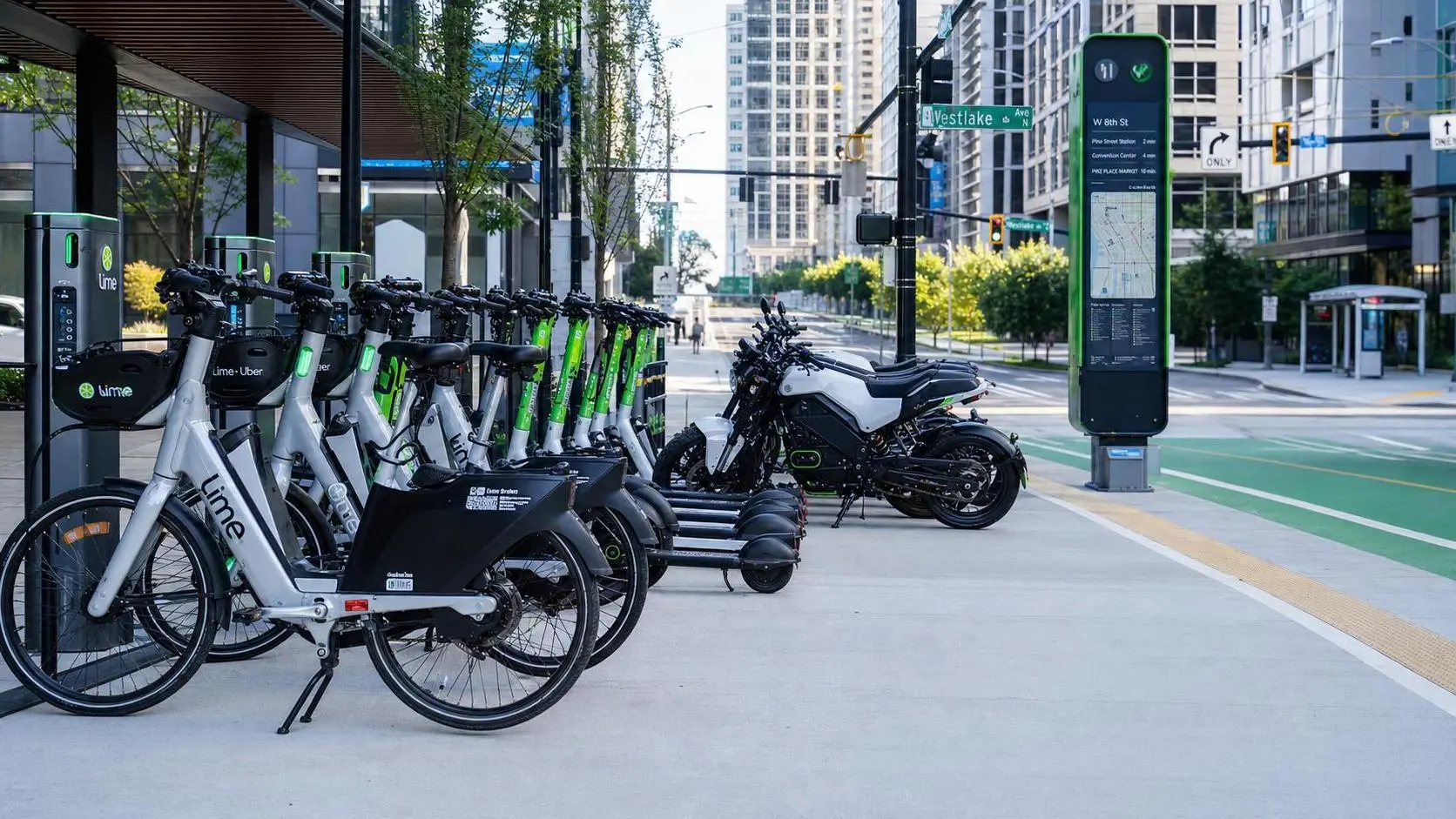
Intellectualization of Mobility in North America: What Is Driving Adoption Across Urban Transport?
Intellectualization of mobility North America is reshaping urban transport through data, smart fleets, and battery intelligence. Explore what is driving adoption and why cities and operators are accelerating now.
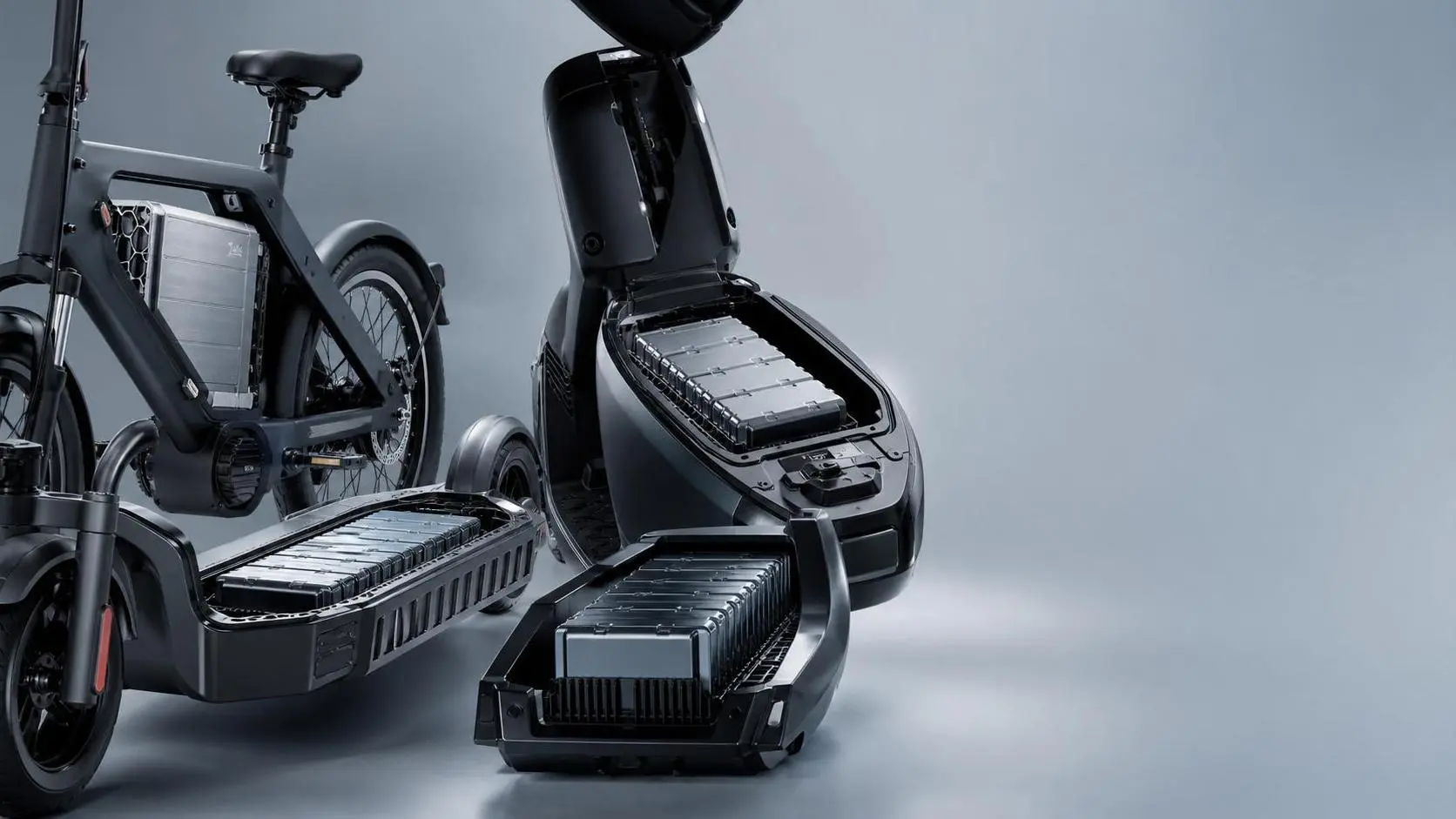
How to Choose a Compact Battery Pack: Size, Energy Density, Thermal Design, and Cycle Life
Compact battery pack selection starts with more than size. Learn how energy density, thermal design, and cycle life shape range, safety, and long-term value.
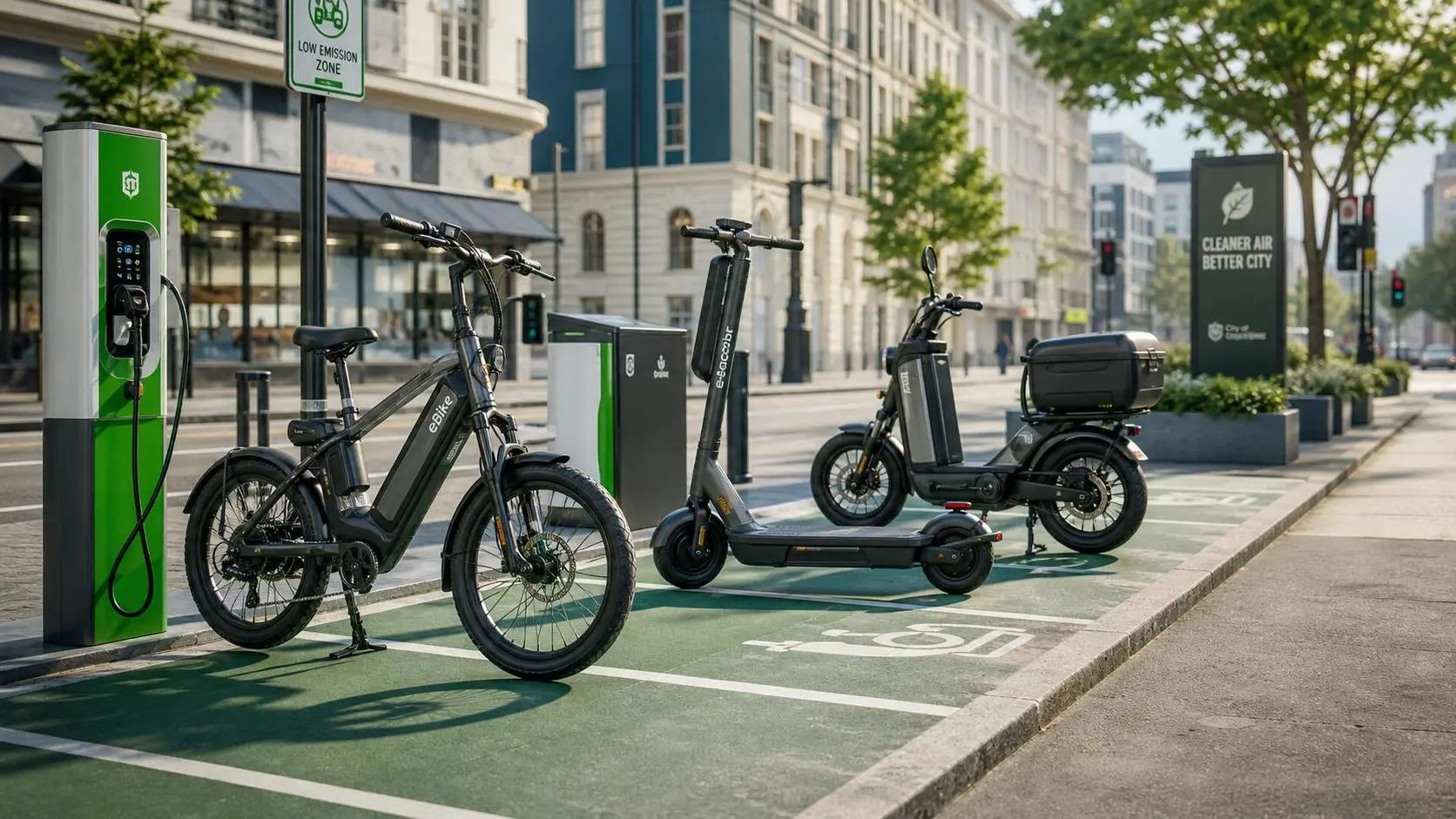
What Is Driving Green Two-wheelers Demand in Europe? Policy, Fuel Costs, and Buyer Segments
Green two-wheelers demand Europe is rising as policy support, fuel cost pressure, and diverse buyer segments reshape urban mobility. Explore the trends driving the next growth wave.