
Related News
- 00
0000-00
Electric Motorcycle Systems Price Breakdown: What Affects Cost From Battery to Controller? - 00
0000-00
Micro-mobility Systems Explained: Core Components, Operating Models, and City Use Cases - 00
0000-00
Electrification Strategies in Europe: Policy, Charging, and ROI Factors for Fleet Planning - 00
0000-00
OEM Market Share in Electric Motorcycles: What It Reveals About Brand Positioning - 00
0000-00
What Is a Smart Transportation Platform and Which Urban Mobility Use Cases Fit Best?
Ms. Elena Rodriguez
Weekly Insights
Stay ahead with our curated technology reports delivered every Monday.
Key Electric Vehicle Components That Drive Repair Costs





For dealers, distributors, and agents, understanding which electric vehicle components drive repair costs is essential to smarter sourcing, stronger margins, and better customer trust. From battery packs and controllers to motors and braking systems, each component affects service frequency, warranty risk, and long-term value. This article breaks down the cost-critical parts shaping aftersales performance in today’s fast-growing micro-mobility market.
In micro-mobility, repair economics are rarely determined by one dramatic failure. More often, costs build through repeat service visits, inconsistent component quality, difficult diagnostics, and spare-parts delays that stretch from 7 days to 45 days. For channel partners serving e-bikes, smart e-scooters, and high-speed e-motorcycles, the real issue is not only part price, but the total cost of ownership across warranty handling, technician hours, and customer downtime.
That is why evaluating electric vehicle components through an aftersales lens matters as much as comparing performance specs. A battery pack with unstable cell balancing, a controller with weak thermal design, or a motor with poor sealing can quickly turn a profitable product line into a warranty-heavy burden. The strongest distributors increasingly assess repair frequency, fault isolation complexity, and parts interchangeability before expanding their product portfolios.
Why Certain Electric Vehicle Components Create Outsized Repair Costs
Not all failures cost the same. In practice, 4 factors usually determine whether an electric vehicle component becomes expensive to support: failure rate, labor intensity, diagnostic difficulty, and replacement lead time. A low-cost sensor can trigger major service expense if fault tracing requires 60 to 90 minutes of technician time. By contrast, a higher-value mechanical part may be cheaper overall if it can be replaced in 15 minutes.
This is especially relevant in urban mobility fleets and dealer service networks, where vehicles are expected to cycle daily and downtime directly affects resale, rental turnover, or customer satisfaction. For e-scooters and e-bikes used in high-frequency commuting, even a 3% to 5% increase in repeat repairs can materially reduce annual margin.
The 4 cost drivers channel partners should track
- Component replacement cost, including connectors, housings, and compatible accessories
- Average labor time per repair, often ranging from 20 minutes to 3 hours
- Diagnostic complexity, especially for software-linked or intermittent faults
- Spare-parts availability across 30-day, 60-day, and seasonal replenishment cycles
When these 4 variables are evaluated together, distributors gain a clearer picture of which electric vehicle components are profit-neutral and which quietly drain service budgets. This helps avoid overemphasizing factory unit cost while underestimating aftersales exposure.
Typical repair-cost profile by component category
The table below highlights how core electric vehicle components affect repair spending in common micro-mobility applications. These are not fixed market statistics, but practical evaluation ranges widely used in sourcing and aftersales planning.
A clear takeaway is that the most expensive electric vehicle components are not always the ones with the highest invoice value. Controllers and brake systems often create disproportionate aftersales pressure because they combine safety concerns with high diagnostic workload and frequent field variability.
Battery Packs: The Largest Single Repair-Cost Driver
Among all electric vehicle components, battery packs usually represent the highest single replacement cost. In e-bikes and e-scooters, packs commonly range from 36V to 72V, with capacities from 10Ah to 40Ah depending on vehicle class. For distributors, a battery issue can affect not only parts margin, but also shipping compliance, storage handling, and claim processing.
Battery-related repairs become expensive when the root cause is unclear. A complaint about reduced range may come from cell aging, charger mismatch, BMS lockout, connector corrosion, or repeated operation above recommended temperature bands such as 0°C to 45°C. If the service team cannot isolate the fault quickly, return rates rise and good batteries may be replaced unnecessarily.
What dealers should inspect before adding a battery platform
- BMS protection logic for overcharge, undervoltage, and temperature events
- Cycle-life expectations under typical urban charging frequency, often 500 to 800 cycles
- Connector standardization across models to reduce inventory complexity
- Housing sealing level and vibration resistance for daily commuting use
- Availability of diagnostic tools and replacement modules within 2 to 4 weeks
Repair-cost risks hidden behind battery specifications
A pack with attractive energy density may still be expensive to support if it lacks serviceability. Fully potted designs can improve protection, yet they often limit board-level repair and force full-pack replacement. Likewise, proprietary communication protocols may improve system control, but they increase dependence on one supplier for diagnostics and spare support.
For agents working across multiple brands, battery standardization can cut service friction by 20% to 30% in practical operations. Fewer connector families, shared charger logic, and consistent mounting dimensions simplify technician training and reduce wrong-part dispatches.
Controllers and Power Electronics: Small Box, High Warranty Exposure
If battery packs dominate parts value, controllers often dominate diagnostic frustration. In many micro-mobility vehicles, the controller is the decision hub linking throttle input, battery discharge, motor timing, regenerative braking, display communication, and fault protection. A failure in this module may present as sudden power loss, intermittent shutdown, weak acceleration, or charging refusal.
These symptoms are expensive because they overlap with motor, battery, harness, and display faults. A technician may spend 45 to 120 minutes testing surrounding systems before confirming that the controller is the source. In warranty-heavy channels, this uncertainty makes controllers one of the most problematic electric vehicle components to manage.
Common controller failure points in urban use
- Thermal overload during repeated stop-start traffic
- Moisture intrusion at connectors or casing seams
- Firmware mismatch after field replacement
- Undersized MOSFET or capacitor design for peak current demand
- Vibration-related solder fatigue in rough-road operation
For e-scooters and high-speed e-motorcycles, controller thermal margin is especially important. Systems that routinely operate near their current ceiling may work well in bench conditions but trigger field failures after 3 to 6 months of summer commuting. This is why distributors should request current-rating context, not just headline peak output figures.
Practical sourcing criteria for lower controller repair costs
Before onboarding a controller supplier, channel partners should compare support readiness as carefully as electrical performance. The matrix below can help separate low-price offers from lower-risk programs.
The main lesson is simple: a controller program with robust diagnostics can save more money than one with a slightly lower purchase price. Over a 12-month service cycle, improved fault isolation can reduce labor waste, repeat visits, and unnecessary RMA shipments.
Motors, Brakes, and Drivetrain Parts: The Hidden Cost of Field Wear
Motors tend to be evaluated for torque, noise, and efficiency, but repair costs depend just as much on sealing, bearing quality, and compatibility with the surrounding drivetrain. Hub motors simplify packaging, yet they can increase service time when tire, wheel, cable, and sensor access are tightly integrated. Mid-drive systems offer stronger climbing performance, but may transfer more wear to chains, sprockets, and derailleur components.
For dealers handling urban and mixed-terrain use, wear patterns are predictable. Bearings, brake pads, brake rotors, chains, and cassettes are normal-service items, but poor alignment or oversized torque delivery can shorten replacement intervals from 2,000 kilometers to under 1,000 kilometers. That directly changes service package pricing and spare inventory planning.
Motor issues that raise repair bills
- Water ingress after rainy commuting or pressure washing
- Hall sensor instability causing intermittent cut-out
- Bearing noise developing under high-load stop-start riding
- Cable damage at axle exits in hub motor layouts
A motor failure is rarely cheap because access time matters. On some vehicles, replacing a motor may involve wheel removal, brake realignment, torque arm inspection, controller pairing checks, and road testing. What begins as a 1-part issue can become a 5-step service procedure.
Brake systems are frequent, safety-critical, and margin-sensitive
Braking components generate high service volume because they wear under every use cycle. Mechanical disc systems are usually easier and cheaper to service, while hydraulic systems often deliver better modulation but require more skill, bleed tools, and leak inspection. For premium commuter products, the trade-off is not simply cost versus performance, but service capability versus customer expectation.
In higher-speed electric motorcycles and powerful e-scooters, braking loads increase sharply. If rotor thickness, pad compound, or caliper alignment is not well matched to vehicle mass and top speed, heat-related fade and uneven wear can appear much earlier than planned. That turns a routine maintenance item into a recurring complaint source.
Drivetrain precision also affects electric repair economics
Precision derailleur components, chains, and cassettes are often overlooked when discussing electric vehicle components, yet they matter greatly in pedal-assist platforms. Higher motor assistance amplifies chain load, especially on cargo e-bikes, climbing-oriented mid-drives, and fleet vehicles with inconsistent rider habits. If drivetrain specification is too light, replacement cycles accelerate and noise complaints increase.
For distributors selling complete systems, the better strategy is to align motor torque output, cassette range, chain grade, and service intervals from the start. This reduces the mismatch between showroom performance and workshop durability.
How Dealers and Distributors Can Reduce Repair Costs Before Purchase Orders Are Placed
The best way to control repair cost is to treat aftersales as a sourcing criterion, not a cleanup task. Too many channel partners compare electric vehicle components by unit price, output, and appearance first, then address warranty structure only after claims begin. A better model is to score products across technical fit, field serviceability, spare support, and documentation before the first shipment lands.
A 5-point procurement checklist for aftersales resilience
- Confirm whether high-failure components can be replaced individually or only as assemblies
- Review spare-parts lead times, with target replenishment windows of 14 to 30 days
- Request fault-code logic, wiring diagrams, and technician training materials
- Check if connectors, chargers, displays, and sensors are standardized across models
- Define warranty boundaries for wear items versus electrical defects before launch
What strong aftersales-ready suppliers usually provide
Reliable suppliers tend to support channel partners with more than a parts list. They typically offer diagnostic guidance, replacement logic, firmware version control, and packing methods suited to batteries and sensitive electronics. Even simple practices such as labeling harnesses, matching spare SKUs across model years, and maintaining a 6-month support forecast can reduce operational friction.
For distributors in fast-growing markets, this support model is increasingly important because customer expectations are rising. End users now compare micro-mobility products not only on speed or range, but also on service turnaround. A 48-hour repair promise is hard to keep if critical electric vehicle components are proprietary, undocumented, or unavailable locally.
Common sourcing mistakes that increase future repair costs
- Choosing the lowest battery price without reviewing BMS logic and replacement policy
- Accepting controller peak-current claims without thermal duty context
- Overlooking sealing and connector quality in wet-climate markets
- Mixing too many incompatible spare families across one service network
- Launching premium vehicles without technician training for hydraulic or software-linked systems
These mistakes are avoidable, and their impact is measurable. Fewer incompatible parts, faster diagnostics, and clearer warranty boundaries can improve service efficiency, protect margin, and strengthen trust across dealers, fleet operators, and retail buyers.
Building a Smarter Aftermarket Strategy Around Electric Vehicle Components
In today’s micro-mobility market, the most successful channel businesses do not separate sales from service. They build product portfolios around components that perform reliably in real urban conditions and can be supported without excessive labor, returns, or parts confusion. Battery packs, controllers, motors, braking systems, and drivetrain elements should all be assessed as cost centers as well as performance features.
For e-bike, e-scooter, and high-speed e-motorcycle programs, stronger sourcing decisions begin with practical questions: How long does diagnosis take? Which failures are field-repairable? How many spare SKUs are needed? What is the normal replenishment cycle? These questions often matter more than a small difference in initial purchase price.
UMMS supports dealers, distributors, and agents with market-facing intelligence across electrified two-wheelers, precision drivetrain systems, and evolving aftersales priorities. If you want to compare electric vehicle components with a sharper focus on repair cost, sourcing risk, and service readiness, contact us today to get tailored insights, discuss product details, or explore more micro-mobility solutions.
Related News
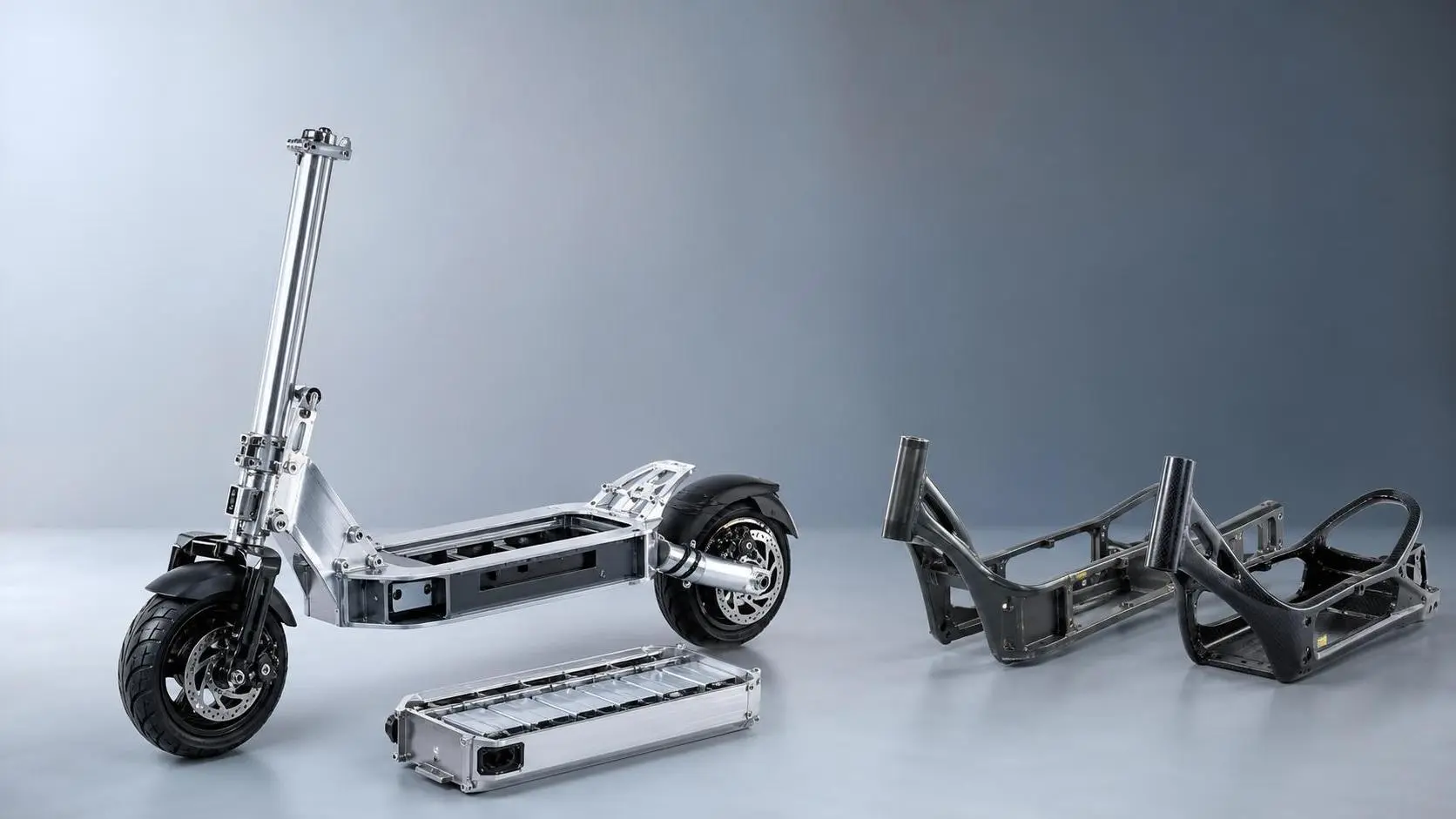
How to Choose Lightweight Scooter Frames in Europe: Materials, Standards, and Use Cases
Lightweight scooter frames Europe buyers need should balance materials, EN standards, durability, and real use cases. Discover how to choose safer, smarter, compliant frames.
What Is the Intellectualization of Mobility Platform and How Is It Applied in Shared Fleets?
Intellectualization of mobility platform is reshaping shared fleets with real-time data, predictive maintenance, and smarter compliance—learn how it boosts safety, uptime, and urban mobility efficiency.
Urban Micro-Mobility Systems in Latin America: Key Market Drivers, Barriers, and Growth Segments
Urban micro-mobility systems Latin America are reshaping city transport. Explore key drivers, barriers, and high-growth segments to spot the region’s most investable opportunities.
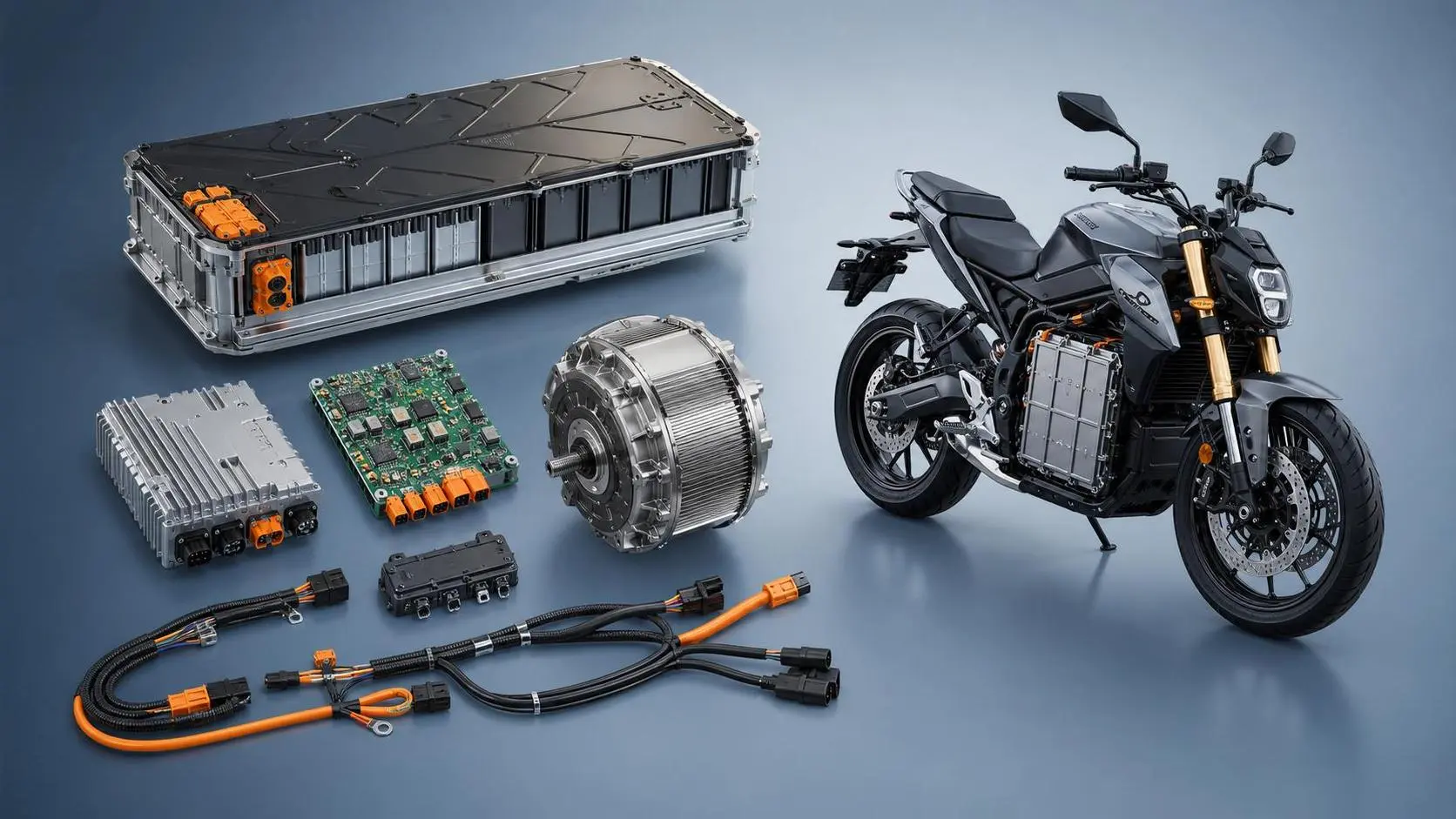
Electric Motorcycle Systems Price Breakdown: What Affects Cost From Battery to Controller?
Electric motorcycle systems price explained: see how battery, controller, motor, BMS, and wiring affect total cost, reliability, and sourcing value before you buy.
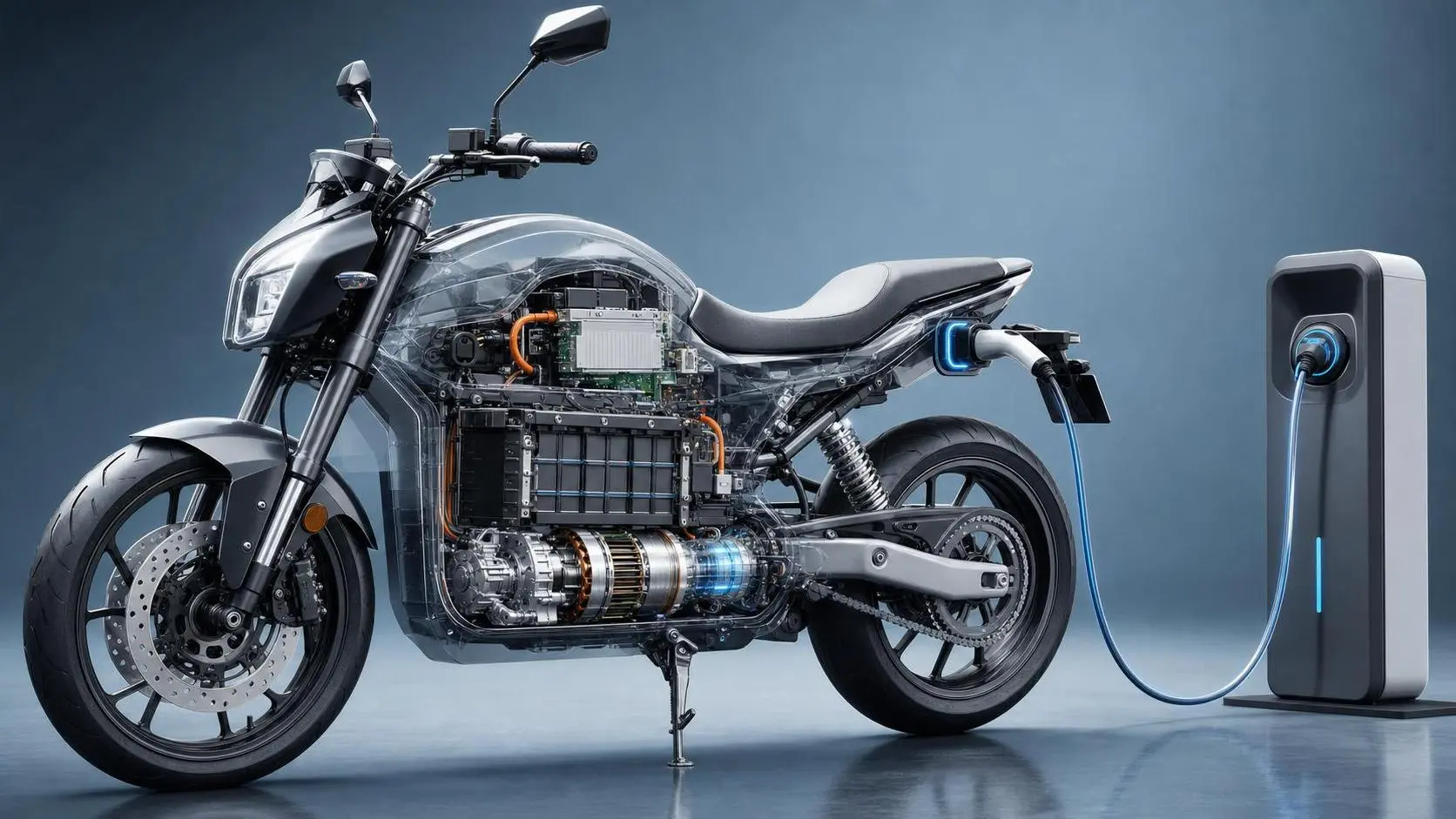
72V Electric Motorcycle Technology Explained: Motors, Controllers, Range, and Charging
Electric motorcycle technology 72V explained clearly: compare motors, controllers, range, battery design, and charging to choose a smoother, stronger, and smarter electric ride.

Where LED Urban Visibility Safety Systems Fit Best in Shared Scooters and City E-bikes
LED urban visibility safety systems deliver the most value in shared scooters and city e-bikes by improving multi-angle safety, fleet durability, and urban compliance across real-world routes.
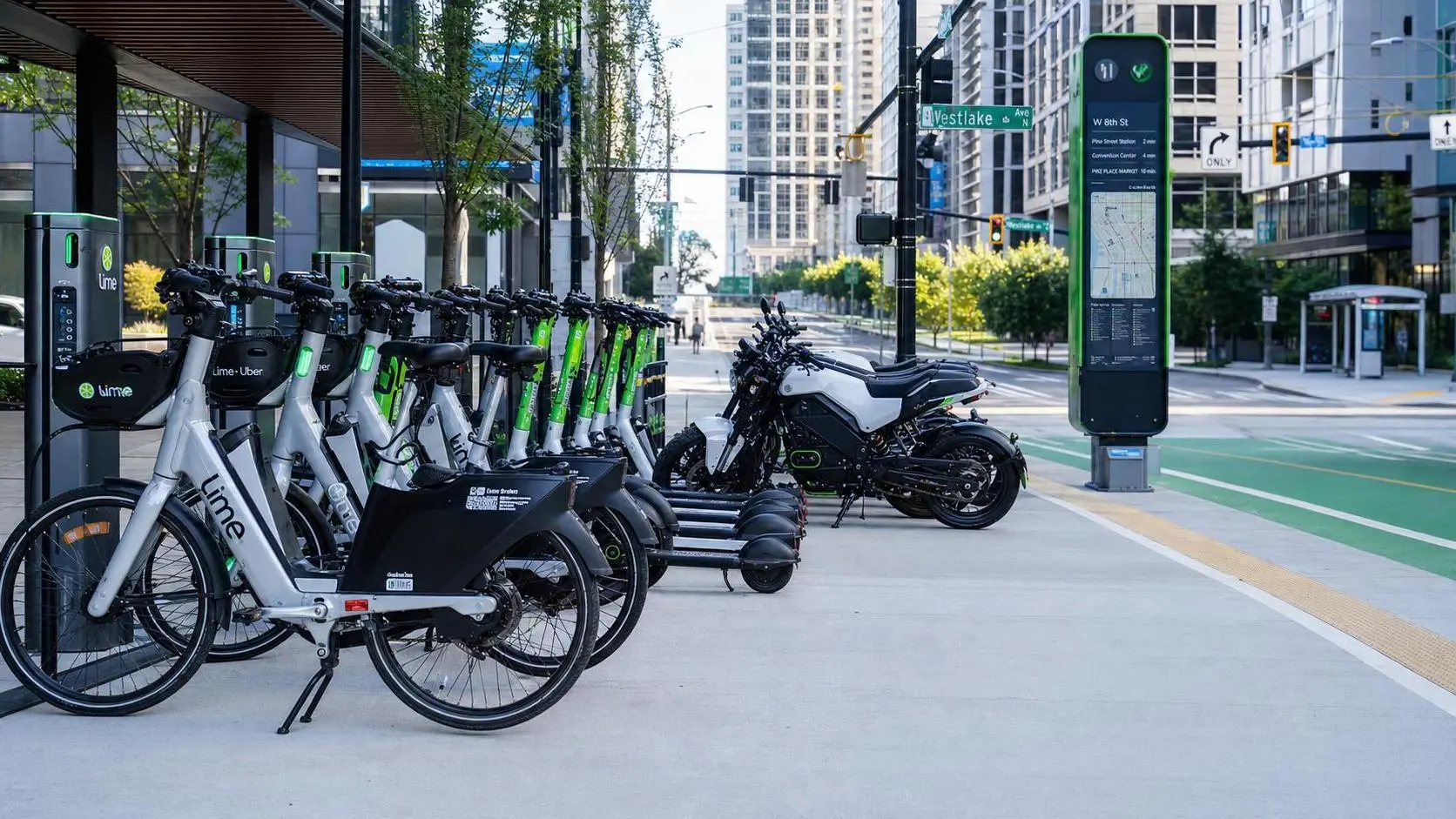
Intellectualization of Mobility in North America: What Is Driving Adoption Across Urban Transport?
Intellectualization of mobility North America is reshaping urban transport through data, smart fleets, and battery intelligence. Explore what is driving adoption and why cities and operators are accelerating now.
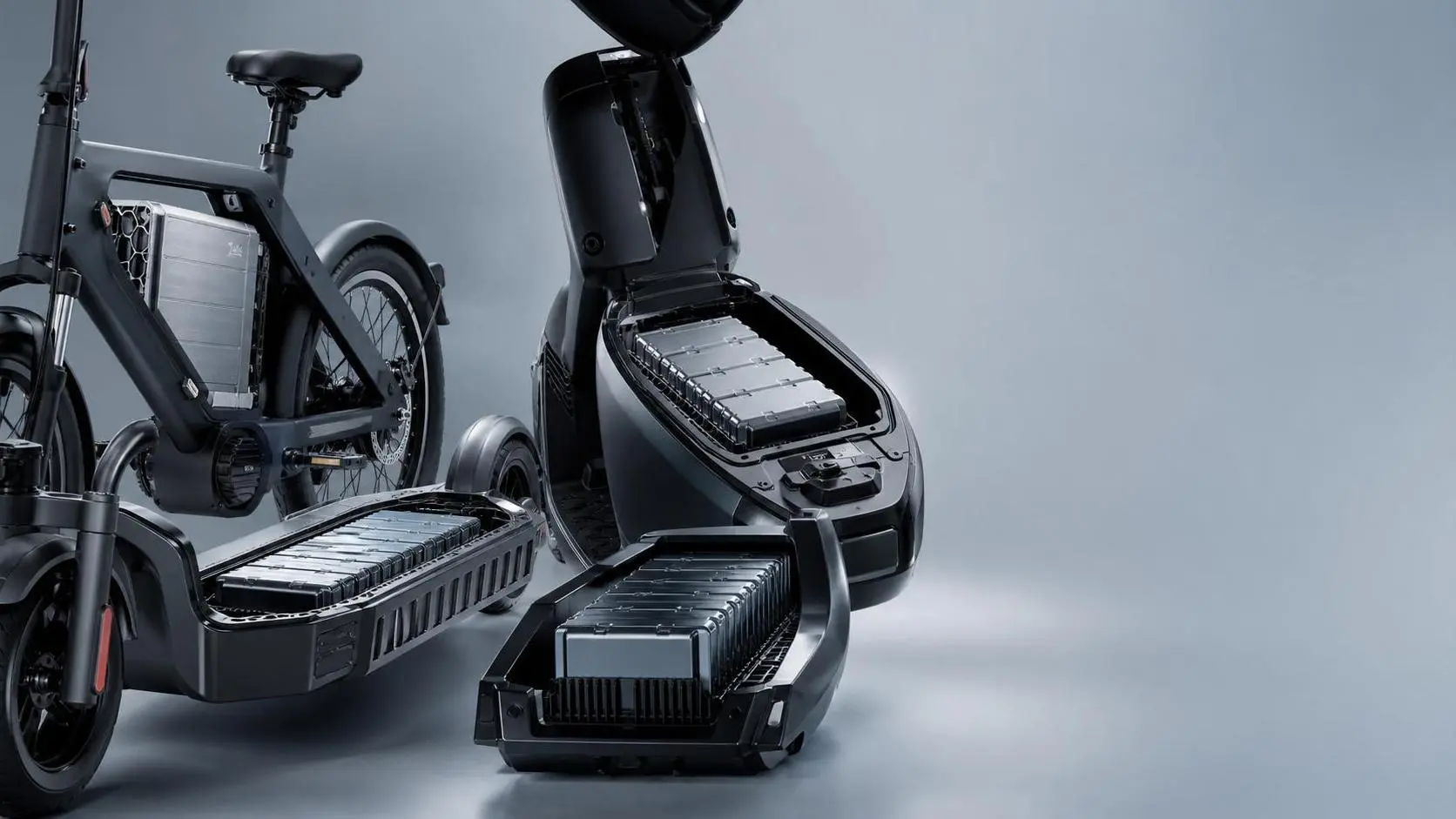
How to Choose a Compact Battery Pack: Size, Energy Density, Thermal Design, and Cycle Life
Compact battery pack selection starts with more than size. Learn how energy density, thermal design, and cycle life shape range, safety, and long-term value.
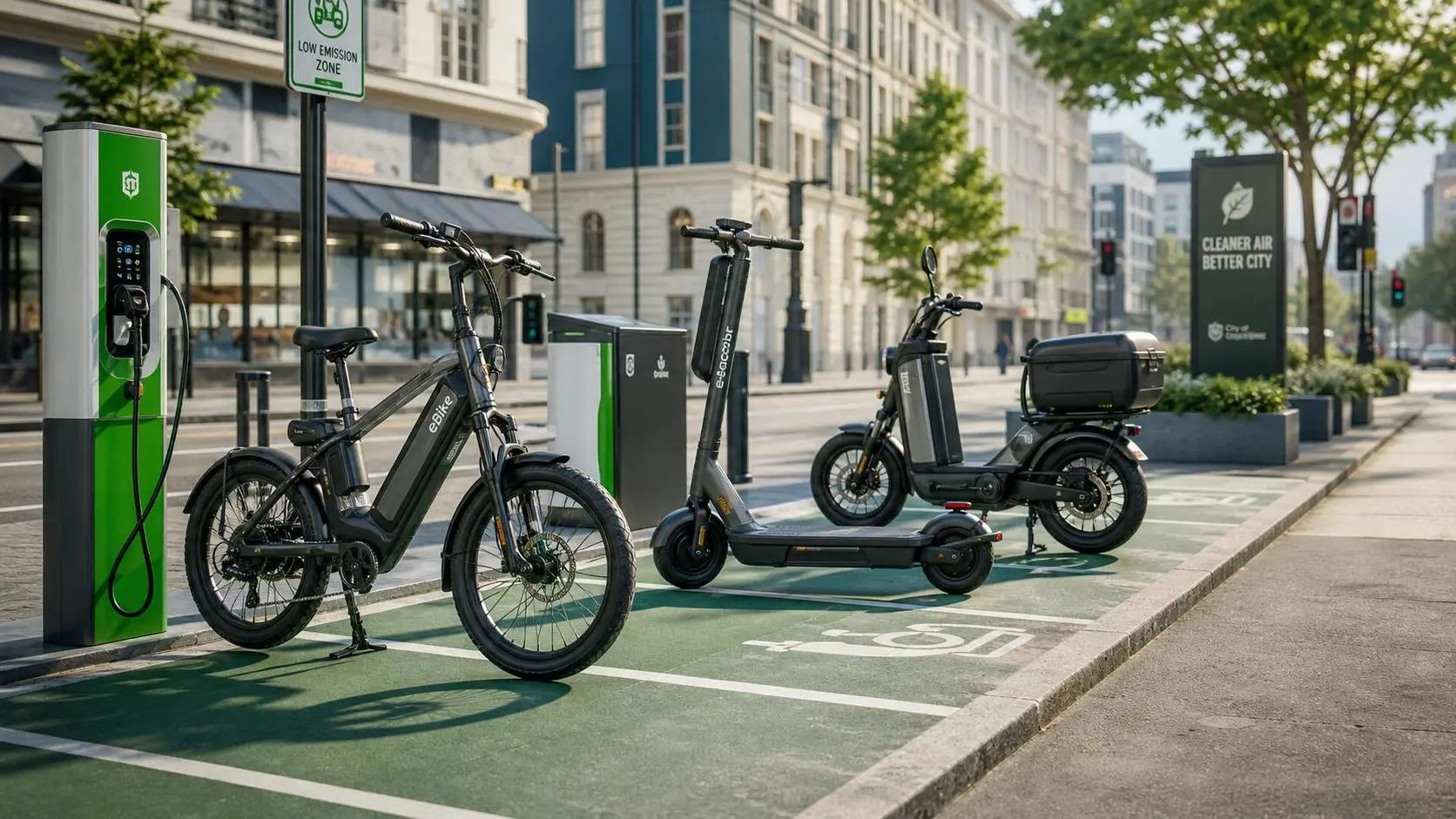
What Is Driving Green Two-wheelers Demand in Europe? Policy, Fuel Costs, and Buyer Segments
Green two-wheelers demand Europe is rising as policy support, fuel cost pressure, and diverse buyer segments reshape urban mobility. Explore the trends driving the next growth wave.