
Related News
- 00
0000-00
Electric Motorcycle Systems Price Breakdown: What Affects Cost From Battery to Controller? - 00
0000-00
Micro-mobility Systems Explained: Core Components, Operating Models, and City Use Cases - 00
0000-00
Electrification Strategies in Europe: Policy, Charging, and ROI Factors for Fleet Planning - 00
0000-00
OEM Market Share in Electric Motorcycles: What It Reveals About Brand Positioning - 00
0000-00
What Is a Smart Transportation Platform and Which Urban Mobility Use Cases Fit Best?
Ms. Elena Rodriguez
Weekly Insights
Stay ahead with our curated technology reports delivered every Monday.
Last Mile Transportation Options: Cost vs Flexibility





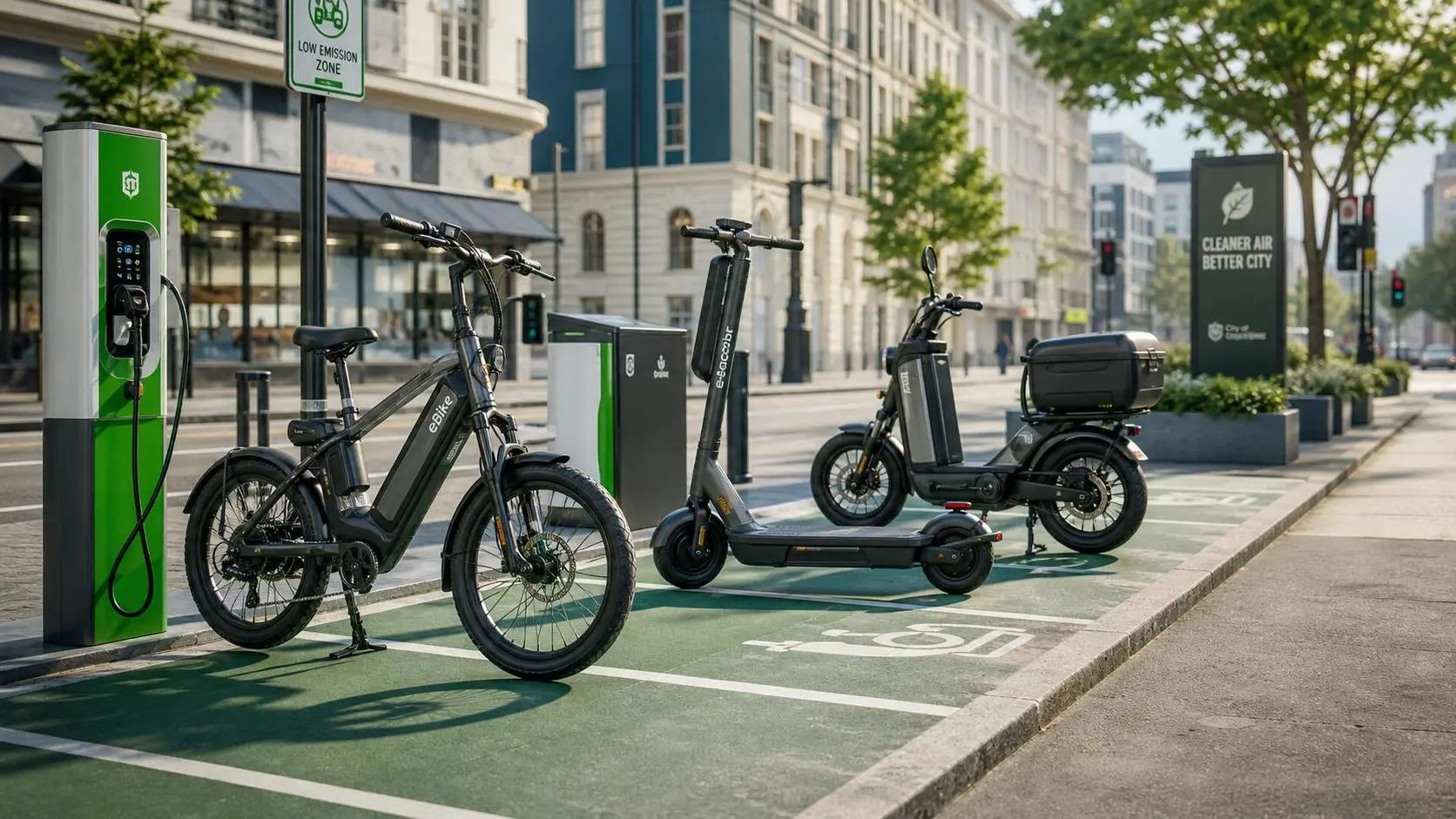
For finance decision-makers, choosing the right last mile transportation model is no longer just an operational issue—it is a capital efficiency question. From e-bikes and smart e-scooters to high-speed e-motorcycles, each option presents a different balance of cost, flexibility, maintenance, and scalability. This article examines how to evaluate last mile transportation choices through an ROI-driven lens in a rapidly evolving urban mobility market.
The core question behind most searches for last mile transportation is simple: which option delivers the best service performance without locking the business into avoidable cost? For finance teams, the answer is rarely the cheapest vehicle on paper.
What matters more is total cost of ownership, utilization rate, replacement cycle, charging or swapping needs, maintenance intensity, and the ability to scale across different urban routes. Flexibility has value, but only when it improves throughput, resilience, or asset productivity.
This is why comparing last mile transportation options requires more than a side-by-side vehicle price list. The financially sound choice depends on delivery density, labor cost, local regulation, service speed targets, and how often route conditions change.
What Finance Decision-Makers Actually Need to Compare
When finance approvers assess last mile transportation investments, they are usually not asking whether e-bikes, e-scooters, or e-motorcycles are innovative. They are asking which model lowers unit economics while preserving enough operational flexibility for future demand shifts.
That means the evaluation framework should begin with five measurable factors: upfront capital expenditure, monthly operating cost, maintenance burden, route adaptability, and expected asset life. These factors create a clearer basis for investment approval than broad claims about sustainability or convenience.
In practical terms, a vehicle that costs less upfront may still be more expensive over twelve to twenty-four months if it suffers from low battery endurance, higher downtime, faster component wear, or poor suitability for mixed route conditions.
For this audience, the most useful comparison is not vehicle versus vehicle in isolation. It is cost per completed trip, cost per kilometer, cost per active service hour, and cost per delivery window achieved under real city operating conditions.
Cost vs Flexibility: Why the Cheapest Last Mile Transportation Option Is Not Always the Best
In last mile transportation, cost and flexibility often move in opposite directions. Lower-cost platforms can work well in stable, high-density routes, but they may underperform when demand varies by season, weather, terrain, or service area.
Flexibility matters because urban logistics is rarely static. A fleet may begin with food delivery or parcel transport in compact city zones, then expand toward suburban edges, steeper streets, heavier payloads, or stricter service-time expectations.
In those scenarios, a low-cost mobility asset can become financially inefficient if it cannot support payload growth, route range, rider safety, or compliance requirements. The resulting costs appear later as fleet fragmentation, emergency replacements, or operational delays.
For finance teams, the right question is not “How can we minimize acquisition cost?” but “What level of flexibility prevents future reinvestment and supports utilization across multiple service cases?” That reframing often leads to better capital discipline.
E-Bikes: Strong ROI for Dense Urban Routes with Moderate Payload Needs
E-bikes are often one of the most financially attractive last mile transportation options for businesses operating in dense urban areas. They typically offer a favorable balance of purchase cost, energy efficiency, maneuverability, and rider accessibility.
For use cases such as short-distance parcel delivery, food distribution, campus mobility, and municipal patrol, e-bikes can reduce fuel dependency and parking friction while maintaining relatively low maintenance costs compared with larger electric vehicles.
From a finance perspective, the major strengths of e-bikes are predictable operating expenses and broad route access. They are particularly effective where traffic congestion is severe and where cycle-lane infrastructure improves trip reliability.
However, their flexibility has limits. Payload capacity, rider comfort over longer shifts, and speed performance may constrain use in outer urban zones or on routes with demanding topography. If the service model evolves beyond compact districts, replacement or supplementation may be needed.
The best ROI case for e-bikes appears when order density is high, trip distances are short, and organizations can maintain high daily asset utilization. In such conditions, the lower total cost of ownership can be compelling.
Smart E-Scooters: High Operational Agility, but Cost Control Depends on Use Discipline
Smart e-scooters are frequently positioned as flexible last mile transportation tools because they are lightweight, connected, and easy to deploy quickly. In some urban service models, they allow businesses to scale pilot programs with relatively low entry barriers.
Their strongest business advantage is agility. They can be repositioned quickly, fit narrow urban spaces, and support highly localized mobility needs. For shared mobility operators and light-duty service teams, this flexibility can improve response speed and route responsiveness.
Yet from a financial approval standpoint, e-scooters require closer scrutiny than their compact form suggests. Frequent charging cycles, vandalism risk, shorter component life, and intensive fleet management can reduce the apparent savings of a low sticker price.
Connected features such as IoT tracking, geofencing, and remote diagnostics add management value, but they also introduce software, platform, and support costs. These digital costs should be included in any realistic total cost comparison.
Smart e-scooters make the most sense when route lengths are short, payload needs are minimal, and fast redeployment creates measurable service value. They are less convincing where reliability under intensive commercial duty is the primary investment criterion.
High-Speed E-Motorcycles: Higher Upfront Cost, Greater Route Versatility
High-speed e-motorcycles usually require a larger initial investment, but they offer a different level of operational flexibility in last mile transportation. For organizations serving wider urban territories, they can support longer routes, faster turnaround, and heavier duty cycles.
This category becomes particularly relevant when businesses need to connect city cores with peripheral districts, handle larger payloads, or maintain service-level agreements that lighter micro-mobility assets cannot consistently meet.
The financial case depends on utilization intensity. If an e-motorcycle operates across long shifts with high route complexity, the higher capex may be offset by stronger throughput, fewer fleet substitutions, and lower dependence on multiple specialized vehicle types.
Battery-swapping capability can further improve economics where downtime is expensive. Instead of waiting for charging windows, operators can keep vehicles in circulation longer, improving asset productivity and labor efficiency.
The risk, of course, is overbuying capability. If the route profile does not require speed, range, or payload strength, the business may carry avoidable depreciation and financing burden. This option rewards accurate forecasting more than broad enthusiasm.
How to Compare Total Cost of Ownership Across Last Mile Transportation Models
For finance teams, total cost of ownership should be the central decision tool. Comparing last mile transportation options based on purchase price alone can distort budget planning and lead to poor long-term outcomes.
A useful TCO model should include acquisition cost, financing cost, charging or swapping infrastructure, energy consumption, maintenance parts, tire and brake wear, software subscriptions, insurance, rider training, regulatory compliance, and residual value.
It should also include indirect costs, especially downtime. A vehicle that spends more time charging, waiting for repair, or out of service due to low component durability can create hidden labor inefficiency and missed revenue opportunities.
Finance decision-makers should also calculate utilization-adjusted TCO. Two assets with similar annual ownership costs may produce very different economics if one completes significantly more trips or supports more route scenarios than the other.
The most practical output is not a static spreadsheet. It is a sensitivity model showing how costs change under different daily distance assumptions, battery replacement intervals, labor rates, and fleet expansion scenarios.
Where Flexibility Creates Financial Value
Flexibility in last mile transportation should not be treated as a vague strategic benefit. It has financial value when it reduces the need for duplicate assets, limits reinvestment during growth, or protects service continuity under changing market conditions.
For example, a vehicle platform that can support multiple service classes may allow a company to delay fleet segmentation. That reduces capital fragmentation and improves procurement leverage, training standardization, and spare-parts efficiency.
Flexibility also matters in regulatory environments. Cities are changing rules around sidewalk access, shared mobility zones, rider safety, and battery standards. A more adaptable transport model can reduce compliance risk and stranded asset exposure.
Weather resilience is another overlooked factor. Rain, heat, road conditions, and seasonal demand swings all influence real-world performance. An option with slightly higher monthly cost may still be financially superior if it sustains utilization across more operating days.
In short, flexibility earns its place in the budget only when it protects revenue, lowers transition cost, or improves asset productivity. If none of those outcomes apply, lower-cost specialization may be the smarter decision.
A Practical Approval Framework for Finance Teams
To make a sound investment decision, finance approvers should ask a structured set of questions before approving any last mile transportation program. This avoids decisions based on trend pressure or incomplete operational claims.
First, what route conditions define the majority of use cases today: trip distance, payload, terrain, stop frequency, and shift duration? Second, how likely are those conditions to change within the next twelve to twenty-four months?
Third, what is the expected utilization per asset per day, and how quickly does the ROI deteriorate below that threshold? Fourth, what are the true maintenance and downtime assumptions based on commercial rather than consumer usage?
Fifth, does the proposed option require new charging, battery-swapping, software, or compliance infrastructure? And finally, is the business buying only current need, or paying a justified premium for future flexibility?
This framework helps align mobility decisions with capital allocation principles. It also creates a stronger internal basis for comparing vendors, negotiating service packages, and setting performance benchmarks after deployment.
Which Last Mile Transportation Option Usually Wins?
There is no universal winner in last mile transportation because the best choice depends on the economics of the route network. However, broad patterns do emerge when cost and flexibility are weighed correctly.
E-bikes often win where urban density is high, distances are short, and efficiency matters more than speed. Smart e-scooters can win in highly agile, light-duty environments where quick deployment and digital fleet oversight create measurable value.
High-speed e-motorcycles tend to win when operational complexity is greater and route coverage demands more range, power, and service consistency. They are not the lowest-cost asset, but they may be the lowest-cost solution in demanding use cases.
For finance leaders, the strongest decision is usually not to standardize prematurely. It is to match asset class to route economics, test utilization assumptions carefully, and avoid underestimating the monetary value of operational resilience.
Conclusion: Approve for ROI, Not for Novelty
Choosing among last mile transportation options is fundamentally a capital allocation decision. The right model is the one that delivers sustainable cost per trip while preserving enough flexibility to support demand changes, regulatory shifts, and service expansion.
Finance decision-makers should prioritize total cost of ownership, utilization-adjusted economics, and the real value of route adaptability. In many cases, the best answer is not the cheapest asset or the most advanced one, but the option with the clearest path to scalable ROI.
As urban mobility continues to evolve, businesses that evaluate e-bikes, smart e-scooters, and high-speed e-motorcycles through a disciplined financial lens will be better positioned to control costs, expand efficiently, and invest with confidence.
Related News
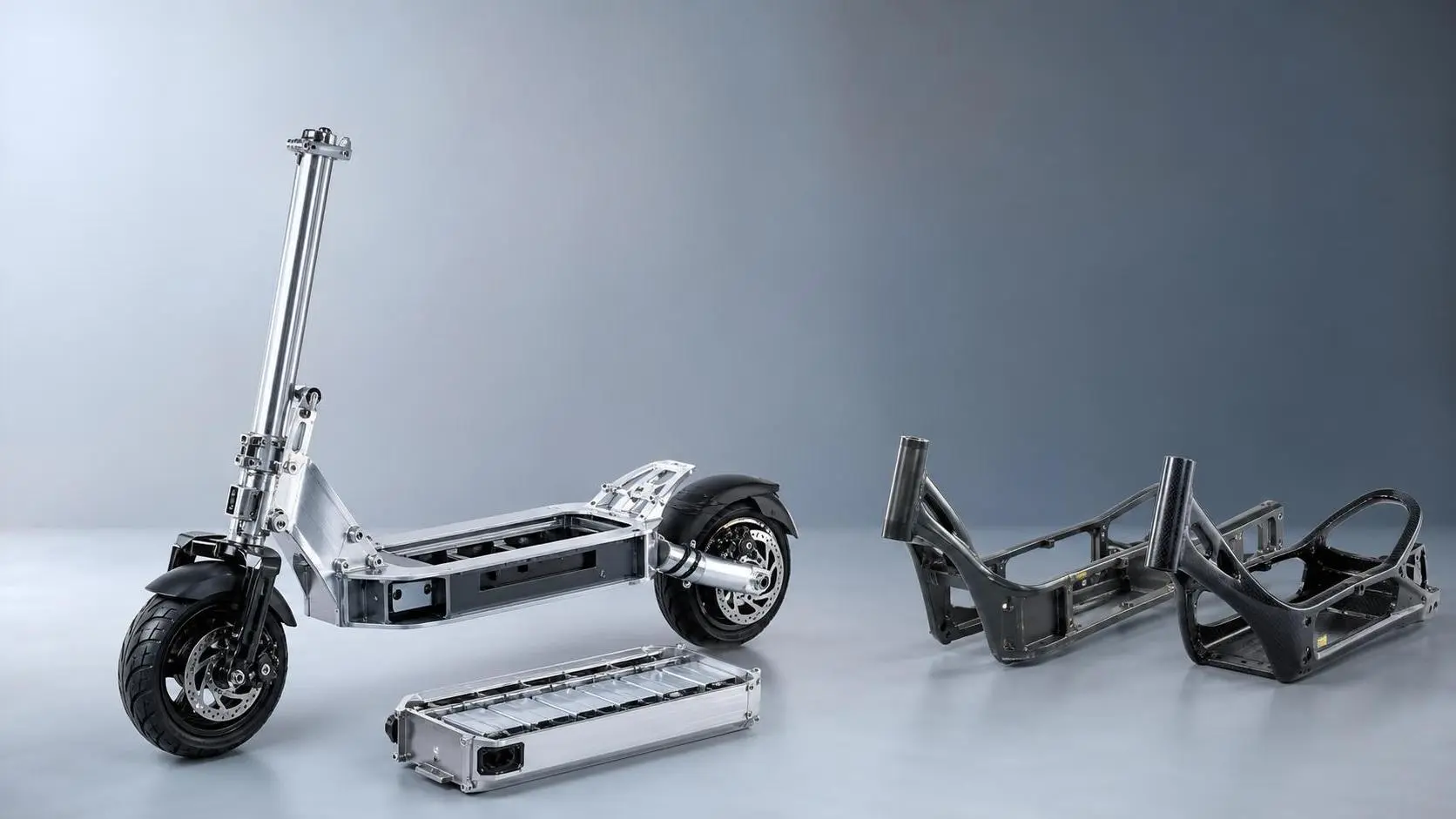
How to Choose Lightweight Scooter Frames in Europe: Materials, Standards, and Use Cases
Lightweight scooter frames Europe buyers need should balance materials, EN standards, durability, and real use cases. Discover how to choose safer, smarter, compliant frames.
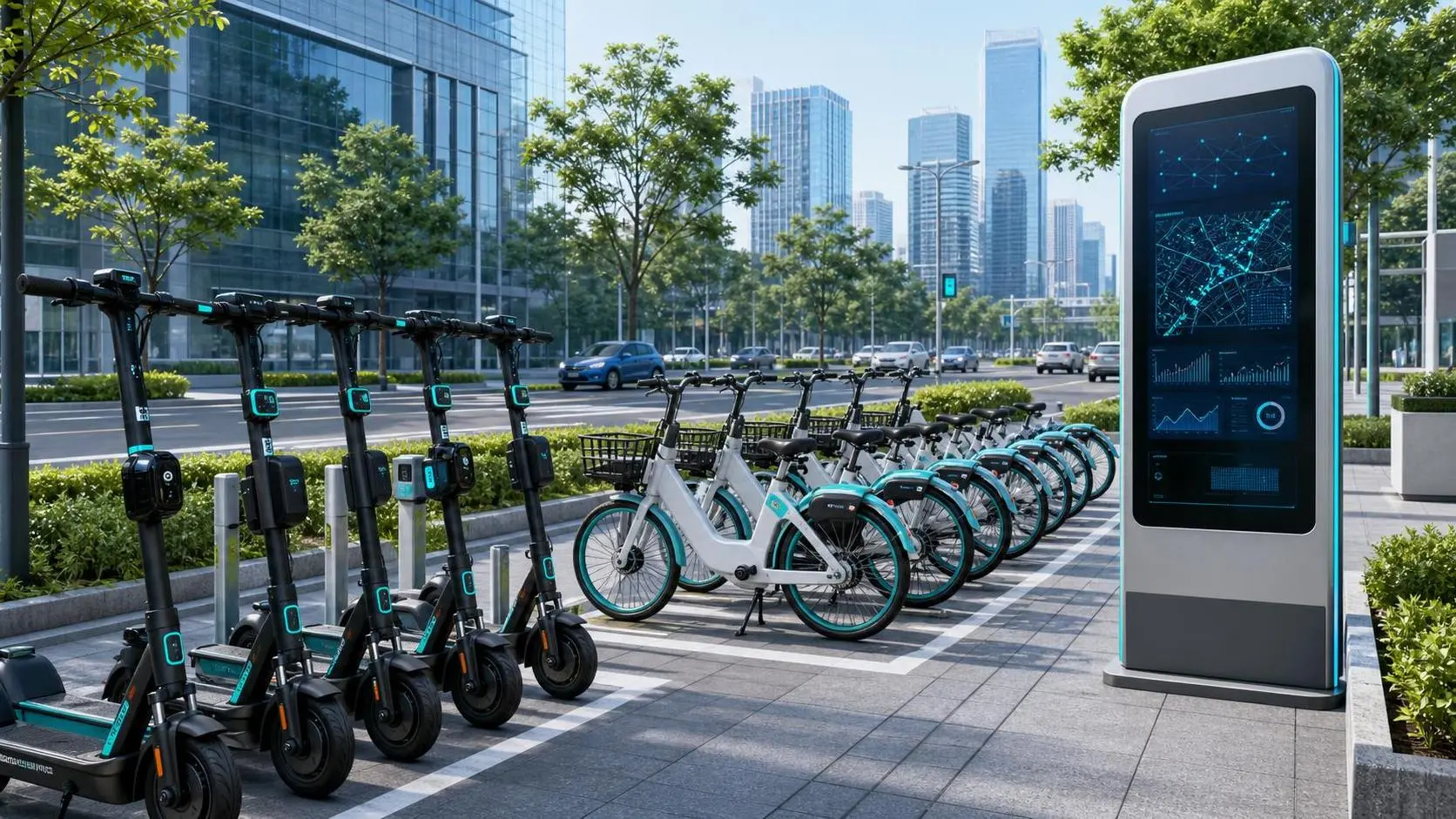
What Is the Intellectualization of Mobility Platform and How Is It Applied in Shared Fleets?
Intellectualization of mobility platform is reshaping shared fleets with real-time data, predictive maintenance, and smarter compliance—learn how it boosts safety, uptime, and urban mobility efficiency.
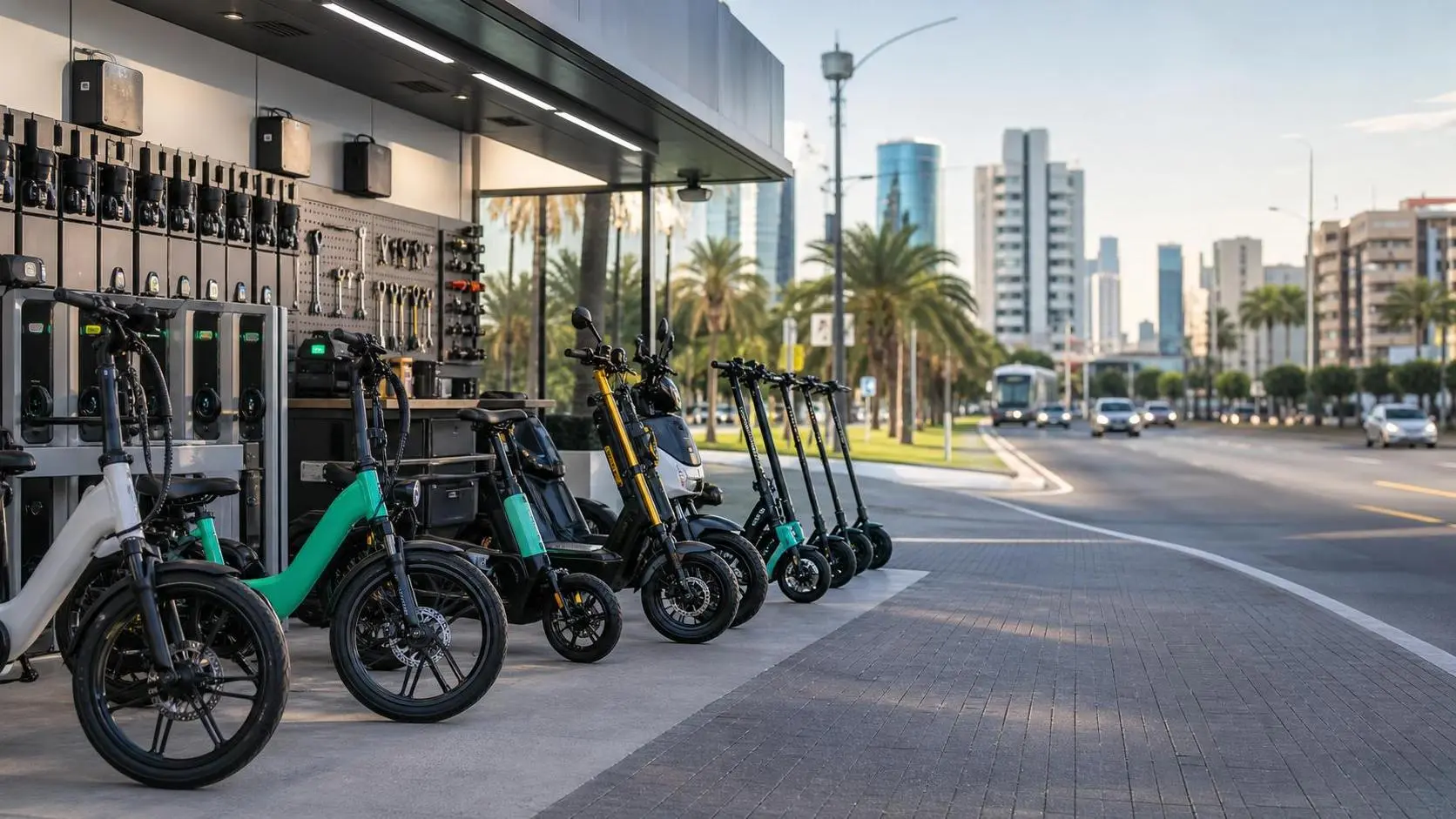
Urban Micro-Mobility Systems in Latin America: Key Market Drivers, Barriers, and Growth Segments
Urban micro-mobility systems Latin America are reshaping city transport. Explore key drivers, barriers, and high-growth segments to spot the region’s most investable opportunities.
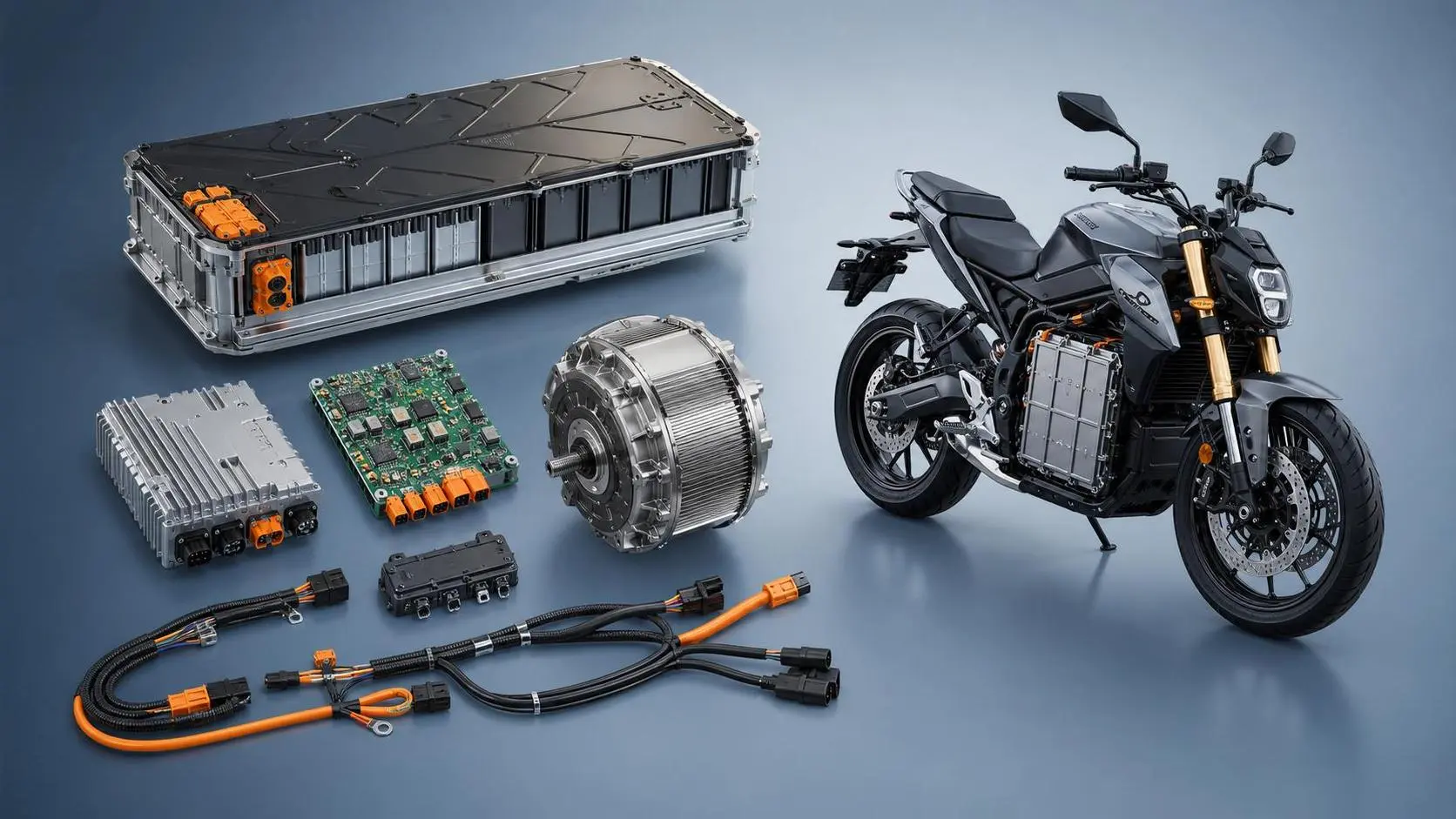
Electric Motorcycle Systems Price Breakdown: What Affects Cost From Battery to Controller?
Electric motorcycle systems price explained: see how battery, controller, motor, BMS, and wiring affect total cost, reliability, and sourcing value before you buy.
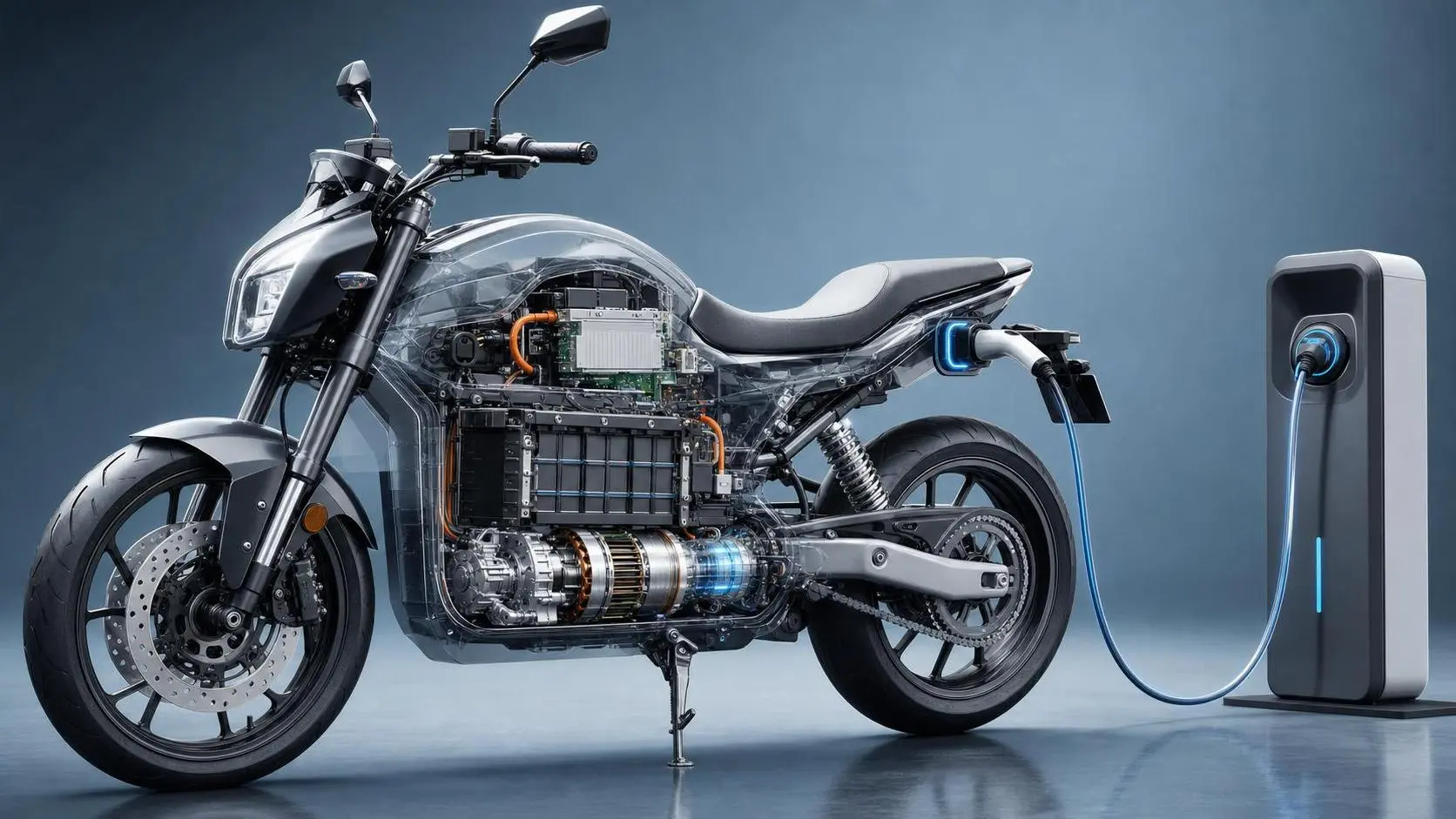
72V Electric Motorcycle Technology Explained: Motors, Controllers, Range, and Charging
Electric motorcycle technology 72V explained clearly: compare motors, controllers, range, battery design, and charging to choose a smoother, stronger, and smarter electric ride.
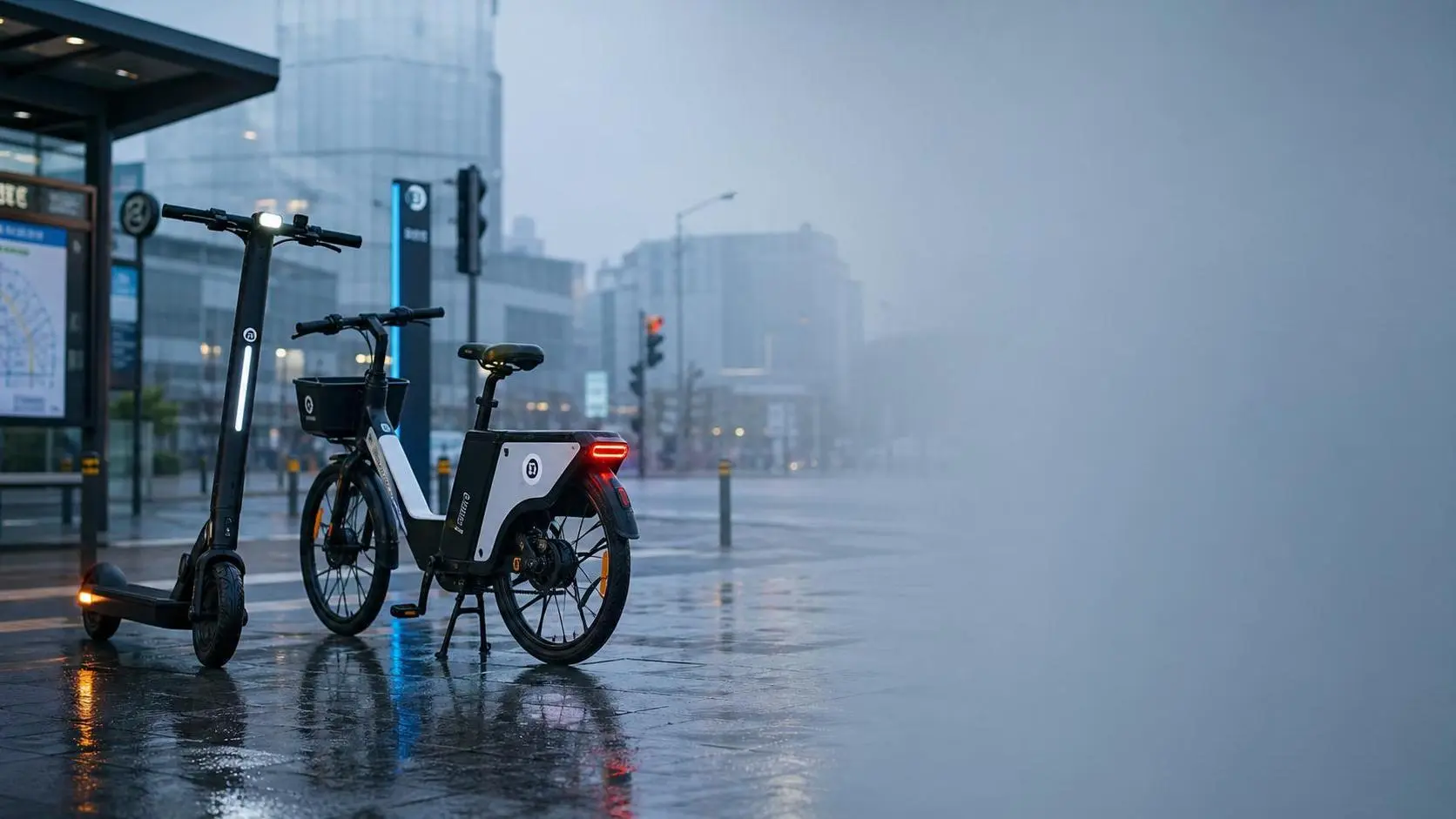
Where LED Urban Visibility Safety Systems Fit Best in Shared Scooters and City E-bikes
LED urban visibility safety systems deliver the most value in shared scooters and city e-bikes by improving multi-angle safety, fleet durability, and urban compliance across real-world routes.
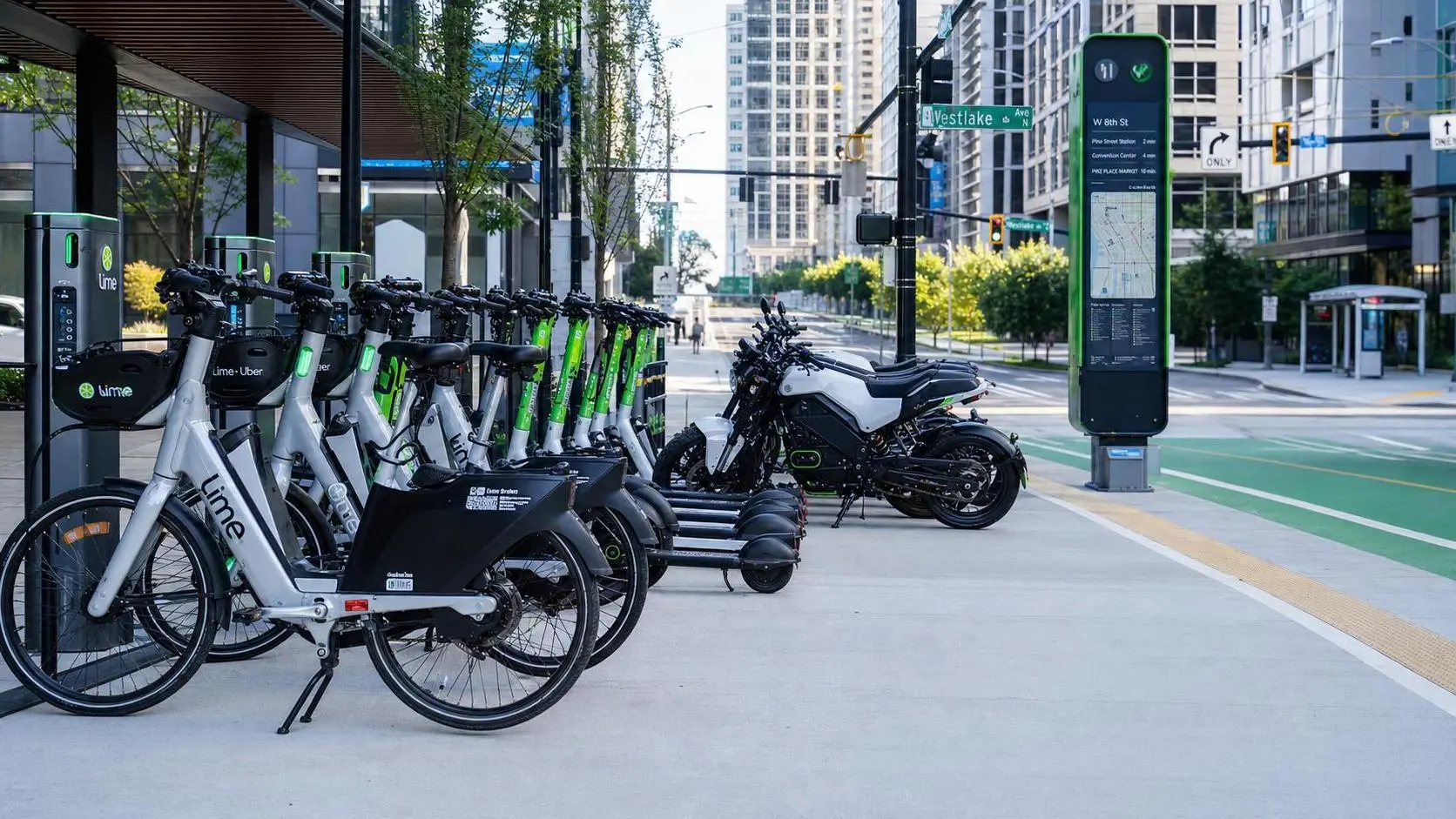
Intellectualization of Mobility in North America: What Is Driving Adoption Across Urban Transport?
Intellectualization of mobility North America is reshaping urban transport through data, smart fleets, and battery intelligence. Explore what is driving adoption and why cities and operators are accelerating now.
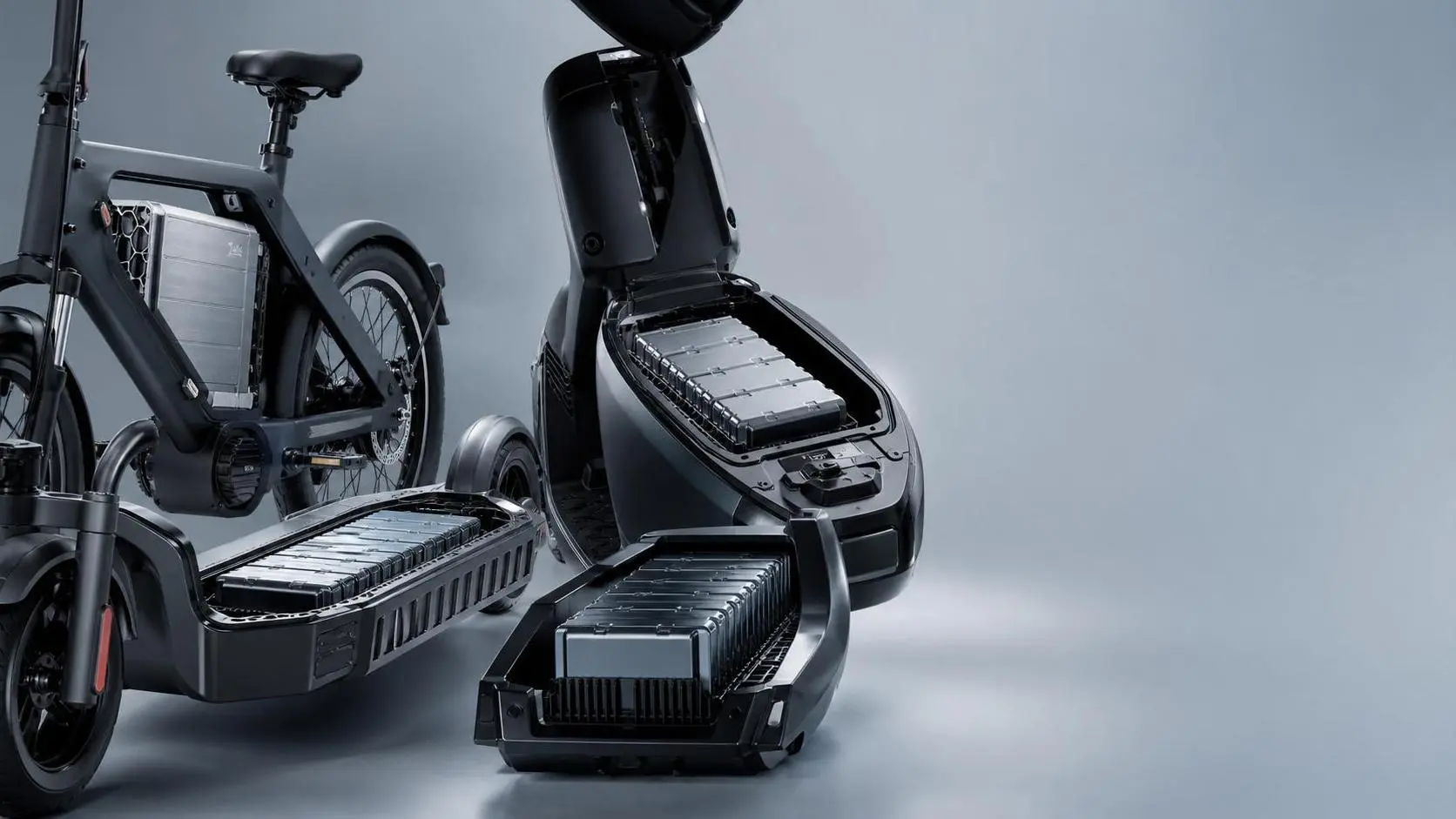
How to Choose a Compact Battery Pack: Size, Energy Density, Thermal Design, and Cycle Life
Compact battery pack selection starts with more than size. Learn how energy density, thermal design, and cycle life shape range, safety, and long-term value.
What Is Driving Green Two-wheelers Demand in Europe? Policy, Fuel Costs, and Buyer Segments
Green two-wheelers demand Europe is rising as policy support, fuel cost pressure, and diverse buyer segments reshape urban mobility. Explore the trends driving the next growth wave.