
Related News
- 00
0000-00
Electric Motorcycle Systems Price Breakdown: What Affects Cost From Battery to Controller? - 00
0000-00
Micro-mobility Systems Explained: Core Components, Operating Models, and City Use Cases - 00
0000-00
Electrification Strategies in Europe: Policy, Charging, and ROI Factors for Fleet Planning - 00
0000-00
OEM Market Share in Electric Motorcycles: What It Reveals About Brand Positioning - 00
0000-00
What Is a Smart Transportation Platform and Which Urban Mobility Use Cases Fit Best?
Ms. Elena Rodriguez
Weekly Insights
Stay ahead with our curated technology reports delivered every Monday.
Right-of-way regulations can quietly reshape rider safety





Right-of-way regulations may look like a legal detail, but they often determine how risk actually unfolds on streets, lanes, crossings, and shared urban corridors.
For safety management, fleet operations, and quality oversight, these rules shape rider decisions before any crash report exists.
In micro-mobility, right-of-way regulations influence braking behavior, lane entry, crossing speed, visibility expectations, and conflict timing between vehicles, riders, and pedestrians.
That matters across the broader mobility ecosystem observed by UMMS, from e-bikes and smart e-scooters to high-speed e-motorcycles and precision bicycle systems.
When cities revise right-of-way regulations, they quietly reset compliance priorities, inspection logic, rider education content, and even product feature relevance.
Understanding this shift helps organizations build safer operations, stronger testing standards, and more reliable urban mobility strategies.
Why right-of-way regulations are becoming a sharper safety signal
Urban traffic is no longer designed only around cars. Micro-mobility now occupies bike lanes, mixed paths, curb zones, transit links, and delivery corridors.
As this network becomes denser, right-of-way regulations gain operational weight. Small legal changes can trigger large behavioral changes at conflict points.
A new yielding rule at intersections may reduce one crash type while increasing sudden braking events, rear conflicts, or unstable evasive maneuvers.
Protected lanes, scooter parking controls, pedestrian-priority crossings, and low-speed zones all interact with right-of-way regulations in practical ways.
For UMMS and similar intelligence platforms, this means policy tracking must connect directly with technical safety analysis, not remain a separate legal update.
The strongest trend signals behind changing right-of-way regulations
Several urban trends are pushing authorities to revise right-of-way regulations more frequently and with greater specificity.
These signals show that right-of-way regulations are no longer passive legal language. They are active design controls within urban mobility systems.
What is pushing these rules to evolve faster
The acceleration of rule change usually comes from a combination of operational pressure, public safety concerns, and technological visibility.
- Crash investigations reveal repeated conflict patterns at intersections, driveways, and curbside access points.
- E-bikes and smart e-scooters reach decision points faster than many road users expect.
- Delivery growth increases stop-start movement and frequent lane re-entry.
- Protected bike lane expansion creates new merge logic near bus stops and turning vehicles.
- Public demand for pedestrian safety drives stricter yielding expectations.
- Connected devices and city sensors produce clearer evidence of unsafe recurring interactions.
In other words, right-of-way regulations are evolving because urban systems can now see conflict more clearly and can no longer rely on outdated traffic assumptions.
How right-of-way regulations reshape risk across micro-mobility operations
The first impact is behavioral. Riders adapt quickly to visible enforcement, painted infrastructure, and publicized rule changes.
The second impact is technical. Once right-of-way regulations change, braking consistency, lighting visibility, warning systems, and control stability gain new importance.
For e-bikes, a stronger pedestrian-priority environment raises the value of smooth deceleration, predictable steering, and front-light performance in shaded crossings.
For smart e-scooters, geofenced slow zones and sidewalk transition areas make compliance software, alert timing, and wheel stability more safety-critical.
For high-speed e-motorcycles, revised right-of-way regulations can alter merge risk, turning conflict exposure, and lane-filtering legality.
Even bicycle derailleur systems matter indirectly. Better shifting responsiveness can help riders maintain balance and cadence when slowing or restarting under priority constraints.
Where quality control and safety teams feel the change first
- Inspection criteria for brakes, lights, reflectors, and tires
- Incident classification at crossings, turns, and lane merges
- Rider onboarding content and in-app compliance prompts
- Route design, parking logic, and no-ride zone definitions
- Post-incident review standards and city reporting alignment
The most important areas to monitor now
Organizations that depend on urban mobility performance should track right-of-way regulations as a living operational variable, not a static compliance box.
- Intersection priority rules: Watch changes around turns on red, cyclist priority phases, and marked crossing rights.
- Shared-path definitions: Clarify whether scooters, e-bikes, and pedestrians have equal, conditional, or hierarchical access.
- Curbside conflict points: Track loading zones, delivery stop rules, and bus boarding interfaces.
- Speed-linked priority rules: Some cities connect yielding expectations with vehicle class or assisted speed capability.
- Enforcement visibility: Rule changes matter more when signs, road markings, and digital notices align.
- Local legal variation: Right-of-way regulations differ sharply across cities, even inside the same national market.
This is especially relevant for cross-border intelligence work, where expansion strategies can fail if operational assumptions are copied between incompatible jurisdictions.
Practical response options for safer compliance and stronger operations
The strongest results usually come from combining policy intelligence with engineering verification and rider communication.
A useful next-step framework for judging future rule shifts
When new right-of-way regulations appear, four questions can guide a disciplined response.
- Which conflict point is the rule trying to reduce?
- What rider behavior will likely change first?
- Do current vehicles and systems support compliant behavior reliably?
- How will success be measured in incidents, near misses, or intervention rates?
This framework keeps right-of-way regulations tied to observable outcomes, rather than treating them as paperwork detached from street reality.
For intelligence-led mobility planning, that connection is essential. Policy, product behavior, infrastructure, and safety metrics must be interpreted together.
Right-of-way regulations will continue to evolve as cities densify and electrified two-wheel mobility expands. The quiet shifts will often matter the most.
A practical next step is to audit one operating city, identify its highest-risk crossing scenarios, and align inspection, training, and reporting with local right-of-way regulations.
That single review can reveal hidden exposure, improve rider safety, and strengthen decision-making across the wider micro-mobility system.
Related News

How to Choose Lightweight Scooter Frames in Europe: Materials, Standards, and Use Cases
Lightweight scooter frames Europe buyers need should balance materials, EN standards, durability, and real use cases. Discover how to choose safer, smarter, compliant frames.
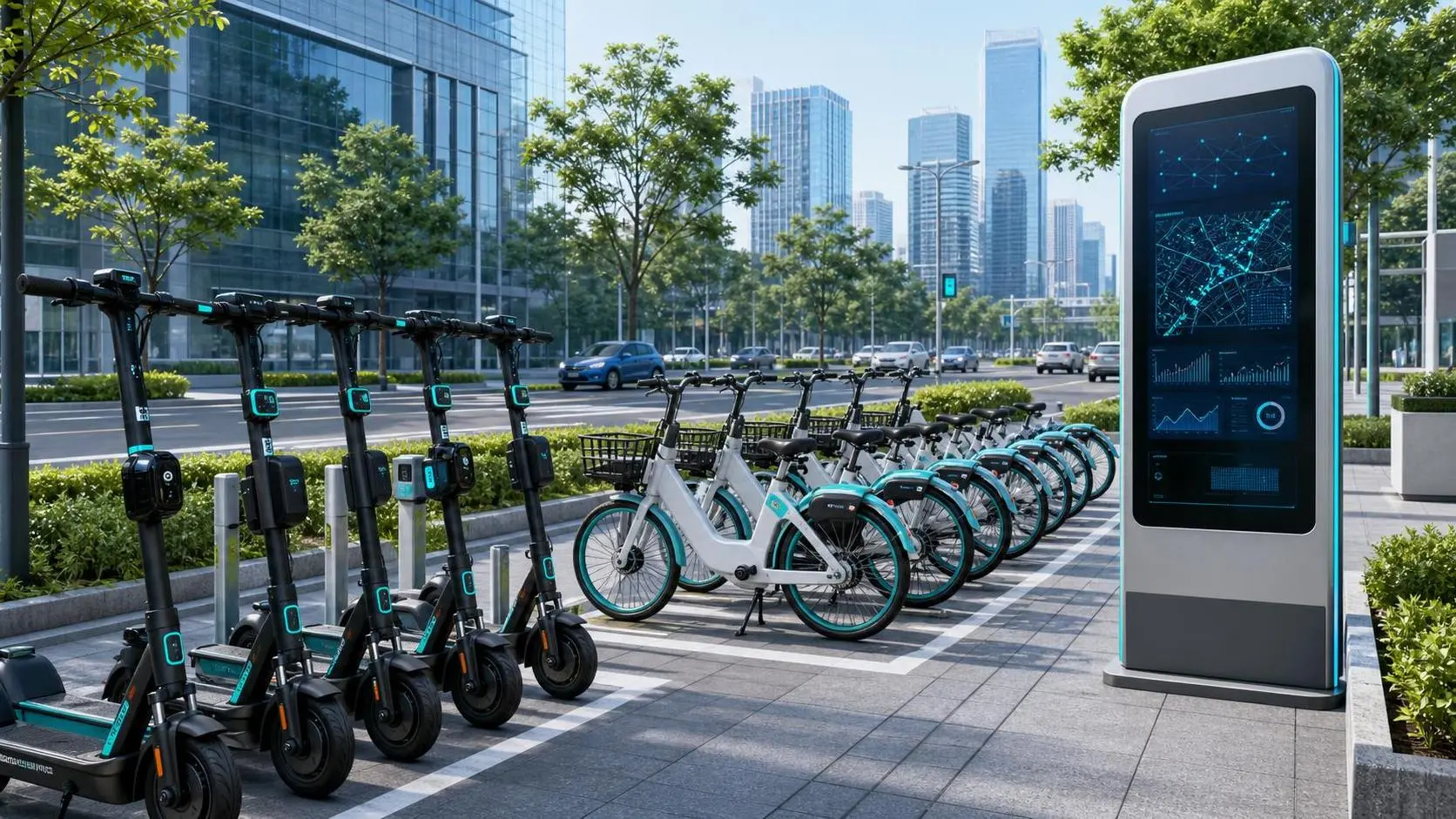
What Is the Intellectualization of Mobility Platform and How Is It Applied in Shared Fleets?
Intellectualization of mobility platform is reshaping shared fleets with real-time data, predictive maintenance, and smarter compliance—learn how it boosts safety, uptime, and urban mobility efficiency.
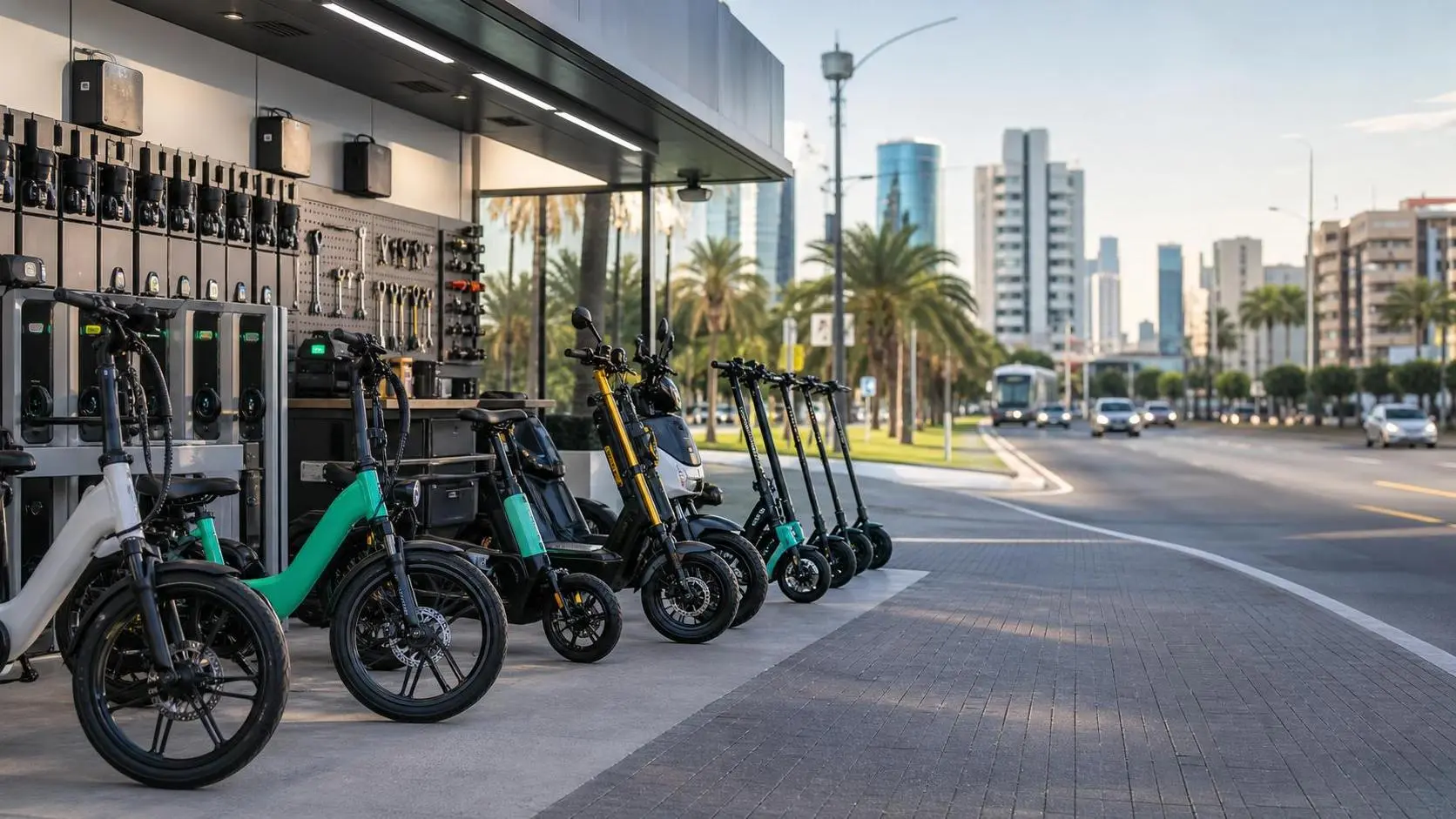
Urban Micro-Mobility Systems in Latin America: Key Market Drivers, Barriers, and Growth Segments
Urban micro-mobility systems Latin America are reshaping city transport. Explore key drivers, barriers, and high-growth segments to spot the region’s most investable opportunities.

Electric Motorcycle Systems Price Breakdown: What Affects Cost From Battery to Controller?
Electric motorcycle systems price explained: see how battery, controller, motor, BMS, and wiring affect total cost, reliability, and sourcing value before you buy.

72V Electric Motorcycle Technology Explained: Motors, Controllers, Range, and Charging
Electric motorcycle technology 72V explained clearly: compare motors, controllers, range, battery design, and charging to choose a smoother, stronger, and smarter electric ride.

Where LED Urban Visibility Safety Systems Fit Best in Shared Scooters and City E-bikes
LED urban visibility safety systems deliver the most value in shared scooters and city e-bikes by improving multi-angle safety, fleet durability, and urban compliance across real-world routes.

Intellectualization of Mobility in North America: What Is Driving Adoption Across Urban Transport?
Intellectualization of mobility North America is reshaping urban transport through data, smart fleets, and battery intelligence. Explore what is driving adoption and why cities and operators are accelerating now.

How to Choose a Compact Battery Pack: Size, Energy Density, Thermal Design, and Cycle Life
Compact battery pack selection starts with more than size. Learn how energy density, thermal design, and cycle life shape range, safety, and long-term value.
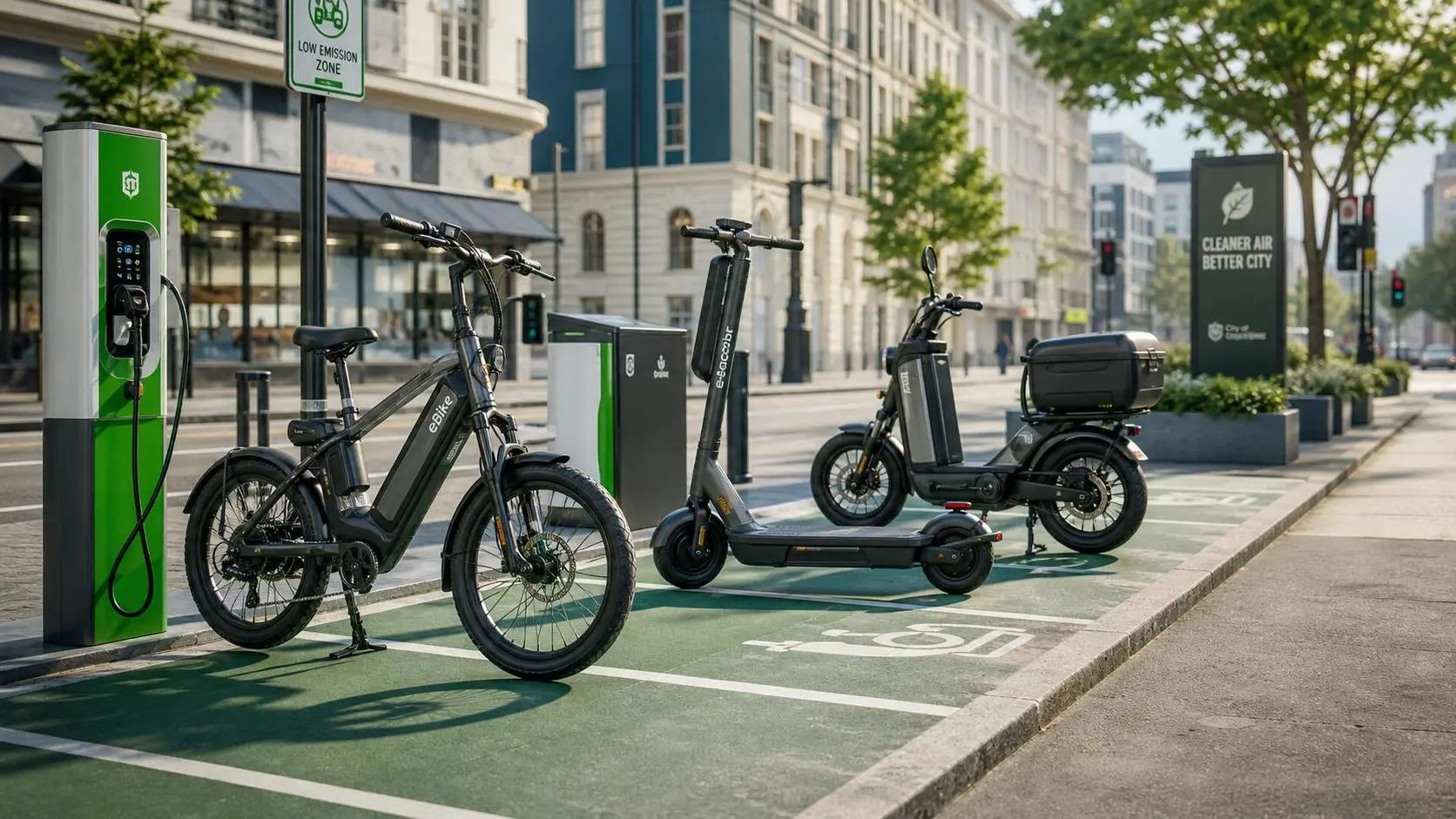
What Is Driving Green Two-wheelers Demand in Europe? Policy, Fuel Costs, and Buyer Segments
Green two-wheelers demand Europe is rising as policy support, fuel cost pressure, and diverse buyer segments reshape urban mobility. Explore the trends driving the next growth wave.