
Related News
- 00
0000-00
Electric Motorcycle Systems Price Breakdown: What Affects Cost From Battery to Controller? - 00
0000-00
Micro-mobility Systems Explained: Core Components, Operating Models, and City Use Cases - 00
0000-00
Electrification Strategies in Europe: Policy, Charging, and ROI Factors for Fleet Planning - 00
0000-00
OEM Market Share in Electric Motorcycles: What It Reveals About Brand Positioning - 00
0000-00
What Is a Smart Transportation Platform and Which Urban Mobility Use Cases Fit Best?
Ms. Elena Rodriguez
Weekly Insights
Stay ahead with our curated technology reports delivered every Monday.
What electric powertrain analysts look for in failure data





For technical evaluators, failure data is more than a repair log. It shows where hardware, software, and operating assumptions begin to break under real use.
That is why electric powertrain analysts treat every fault record as evidence. They connect failure modes to design margins, battery stress, thermal behavior, and control decisions.
In micro-mobility, this matters even more. E-bikes, smart e-scooters, and high-speed e-motorcycles face vibration, weather exposure, stop-start duty cycles, and uneven charging habits.
Understanding what electric powertrain analysts look for in failure data helps turn scattered incidents into clear engineering action. It also supports safer products, better reliability, and stronger field performance.
What do electric powertrain analysts actually mean by failure data?
Failure data includes every signal linked to degraded function, abnormal behavior, or complete loss of performance in an electric drive system.
For electric powertrain analysts, the scope is wider than warranty claims. It includes inverter logs, battery alarms, motor temperatures, firmware event traces, and charging irregularities.
It also covers contextual details. Ambient temperature, road grade, rider load, charging history, and maintenance records often explain why the same component fails differently.
In UMMS-covered systems, analysts often review data from:
- Battery packs and BMS event histories
- Motor controllers and gate driver faults
- Torque, cadence, and wheel speed sensors
- Charging systems and connector conditions
- Vehicle CAN, UART, or IoT diagnostic messages
The key point is simple. Electric powertrain analysts do not just ask what failed. They ask when, under what load, after which sequence, and with what early warning signs.
Which failure patterns matter most in electric powertrain analysis?
Not all failures carry equal meaning. Electric powertrain analysts prioritize patterns that reveal repeatable stress paths or hidden system interactions.
The first pattern is thermal overload. Repeated overheating in motors, MOSFETs, connectors, or battery cells often points to weak cooling, current limits, or calibration gaps.
The second pattern is intermittent shutdown. Sudden cutoffs during acceleration may indicate voltage sag, loose connections, sensor dropouts, or protection logic that is too aggressive.
The third pattern is performance drift. Reduced range, weaker hill-climbing, or slower response can signal cell imbalance, bearing wear, magnet damage, or degraded controller efficiency.
Electric powertrain analysts also focus on these common categories:
- Overcurrent and short-duration surge events
- Undervoltage during heavy launch or climbing
- Sensor mismatch between expected and actual torque output
- Charging faults tied to connector wear or contamination
- Water ingress after rain, washing, or storage exposure
These patterns are valuable because they reveal whether the problem is random, systemic, or environment-driven. That distinction shapes the next engineering step.
How do electric powertrain analysts separate root cause from symptom?
A fault code alone is rarely enough. Electric powertrain analysts look for event chains, not isolated alerts.
For example, an overtemperature fault may seem like a thermal issue. Yet the real cause could be rising phase resistance, poor solder quality, or repeated overloading from bad control tuning.
This is why time alignment matters. Analysts compare signals before, during, and after failure to identify what changed first.
A typical root-cause workflow includes:
- Validate data quality and timestamp consistency
- Group failures by operating condition and severity
- Compare failed units with healthy field units
- Recreate the event using bench or vehicle testing
- Check design limits against measured real-world loads
Electric powertrain analysts also use cross-domain evidence. Mechanical wear, software behavior, thermal maps, and battery chemistry data often converge on one failure mechanism.
In micro-mobility, symptom confusion is common. A rider may report weak assist, but the root cause may sit in communication loss, not the motor itself.
What data quality issues can mislead electric powertrain analysts?
Poor data can create false confidence. Electric powertrain analysts know that incomplete logs often hide the real problem rather than confirm it.
One common issue is missing pre-failure history. If only the final shutdown is recorded, gradual voltage drop or heat accumulation may remain invisible.
Another issue is low sampling rate. Fast current spikes, brief sensor loss, or transient communication faults can disappear in coarse datasets.
Electric powertrain analysts also watch for labeling errors. A unit marked as battery failure may actually contain a harness defect or charger-side fault.
The most damaging mistakes usually include:
- No environmental context for the event
- No distinction between hard failure and protective shutdown
- Mixed firmware versions inside one dataset
- Unclear service interventions before analysis
- No link between part revision and field behavior
Reliable failure data should be structured, traceable, and comparable across batches. Without that, analysts may solve the wrong problem at significant cost.
How does failure data differ across e-bikes, e-scooters, and high-speed e-motorcycles?
Electric powertrain analysts do not treat all two-wheeler platforms the same. Duty cycle and exposure profile change the meaning of identical fault codes.
E-bikes often reveal failures tied to frequent assist transitions, urban stop-start use, and battery aging from irregular charging patterns.
Smart e-scooters face intense vibration, curb impact, outdoor parking, and fleet-level charging inconsistency. These conditions amplify connector, sealing, and communication failures.
High-speed e-motorcycles present a different picture. Peak current demand, sustained thermal load, and aggressive acceleration place more pressure on inverter durability and battery thermal control.
This comparison shows why electric powertrain analysts always connect failure data to use case. The same metric can signal very different risks in different vehicles.
What are the biggest mistakes when interpreting failure data?
The first mistake is chasing the loudest issue instead of the most informative one. High complaint volume does not always indicate the deepest engineering risk.
The second mistake is ignoring normal usage variation. Electric powertrain analysts expect different stress signatures from delivery use, leisure riding, and high-speed commuting.
The third mistake is treating software and hardware as separate worlds. Many electric powertrain failures emerge from their interaction.
Another common error is acting before segmentation. Analysts should separate failures by region, firmware version, component revision, and environmental severity.
A practical warning list helps:
- Do not assume every shutdown equals component damage
- Do not merge fleet and consumer behavior without filtering
- Do not compare data from different sensor calibrations directly
- Do not ignore near-fail events that recover automatically
Electric powertrain analysts gain better insights when they study weak signals early. Prevention usually begins before visible failure rates surge.
How can teams build a better failure data process for electric powertrain analysts?
A strong process begins with consistent data capture. Electric powertrain analysts need standardized fault naming, synchronized timestamps, and clear links to hardware versions.
Next comes context enrichment. Duty cycle, climate, terrain, charging habits, and service actions should follow each event record whenever possible.
Then teams should define thresholds for action. Not every anomaly requires redesign, but repeated patterns should trigger review before warranty growth accelerates.
The best practice framework usually includes:
- Capture high-value signals around failure windows
- Tag every event by revision, firmware, and environment
- Review near-miss events, not only confirmed breakdowns
- Link field failures to lab reproduction plans
- Feed lessons back into design rules and validation tests
For intelligence-driven sectors like UMMS, this process supports stronger benchmarking across e-bikes, smart e-scooters, and advanced electric motorcycles.
FAQ summary: what should be checked first?
In the end, electric powertrain analysts look for patterns that explain limits, not just breakdowns. Good failure data reveals where performance, safety, and durability start to diverge.
The most useful datasets combine technical depth with operating context. That approach helps micro-mobility systems evolve with fewer blind spots and better validation focus.
If the goal is stronger reliability insight, start by improving event capture, version traceability, and root-cause discipline. Better questions create better electric powertrain analysis.
Related News
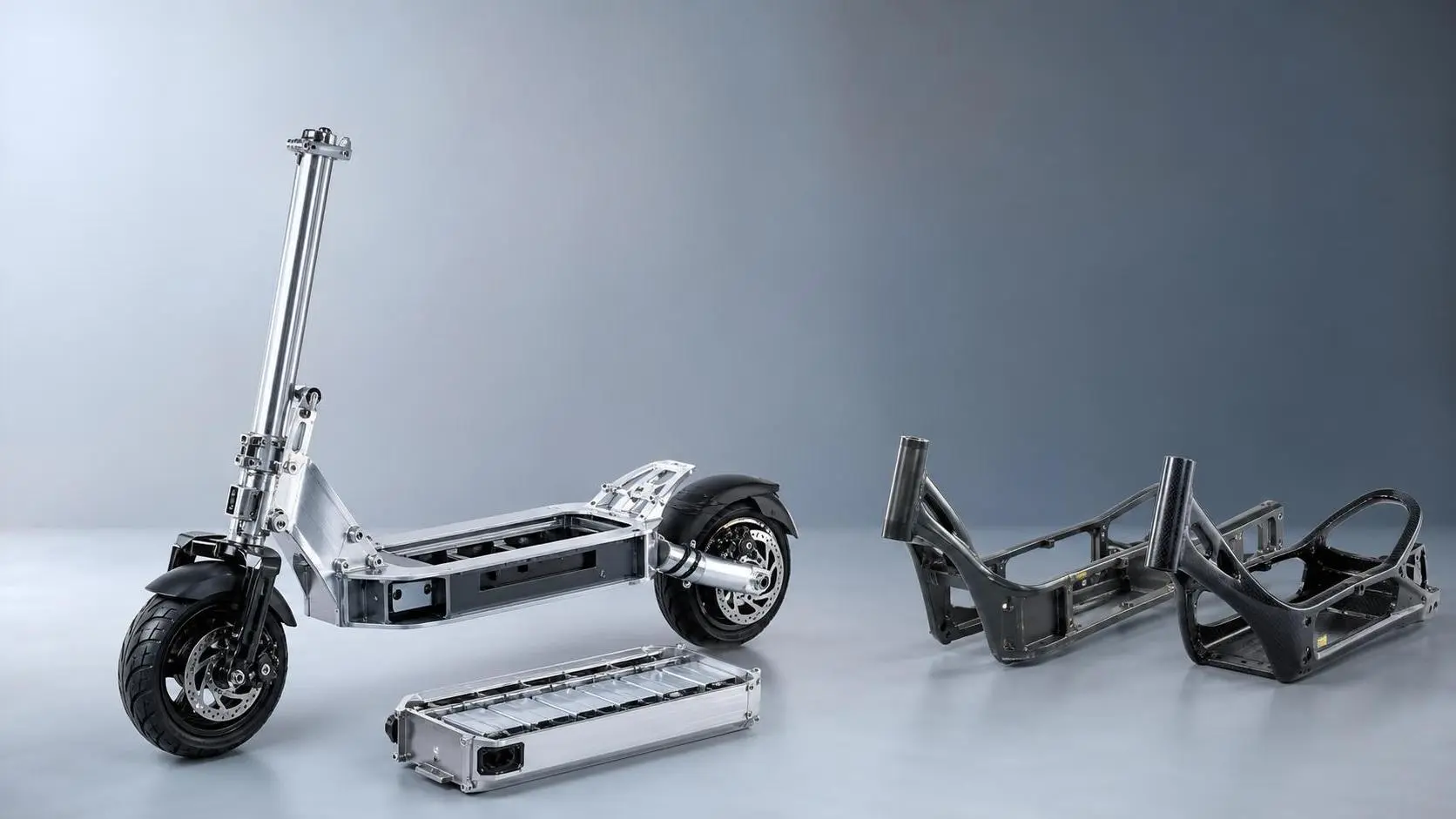
How to Choose Lightweight Scooter Frames in Europe: Materials, Standards, and Use Cases
Lightweight scooter frames Europe buyers need should balance materials, EN standards, durability, and real use cases. Discover how to choose safer, smarter, compliant frames.
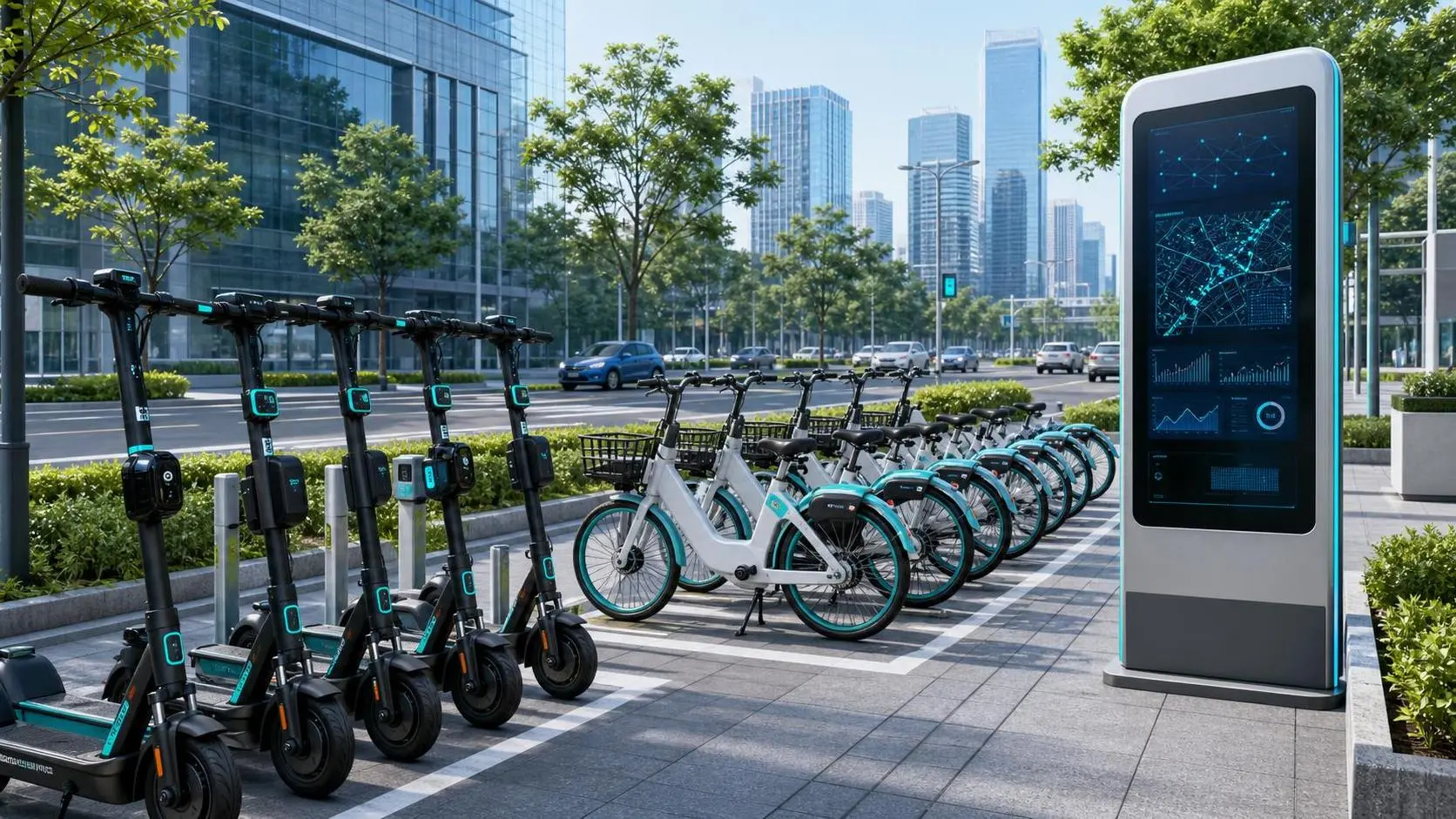
What Is the Intellectualization of Mobility Platform and How Is It Applied in Shared Fleets?
Intellectualization of mobility platform is reshaping shared fleets with real-time data, predictive maintenance, and smarter compliance—learn how it boosts safety, uptime, and urban mobility efficiency.
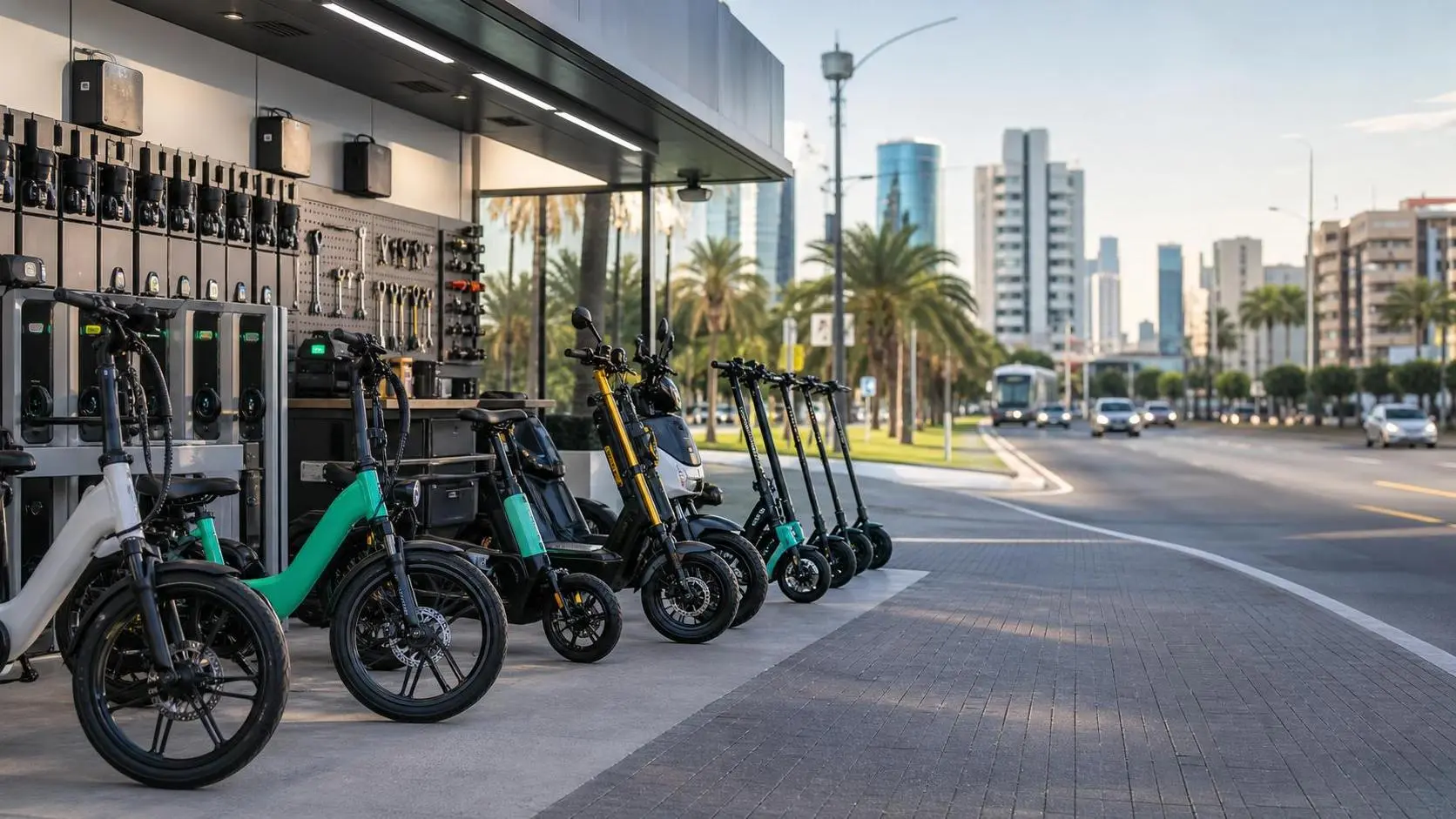
Urban Micro-Mobility Systems in Latin America: Key Market Drivers, Barriers, and Growth Segments
Urban micro-mobility systems Latin America are reshaping city transport. Explore key drivers, barriers, and high-growth segments to spot the region’s most investable opportunities.
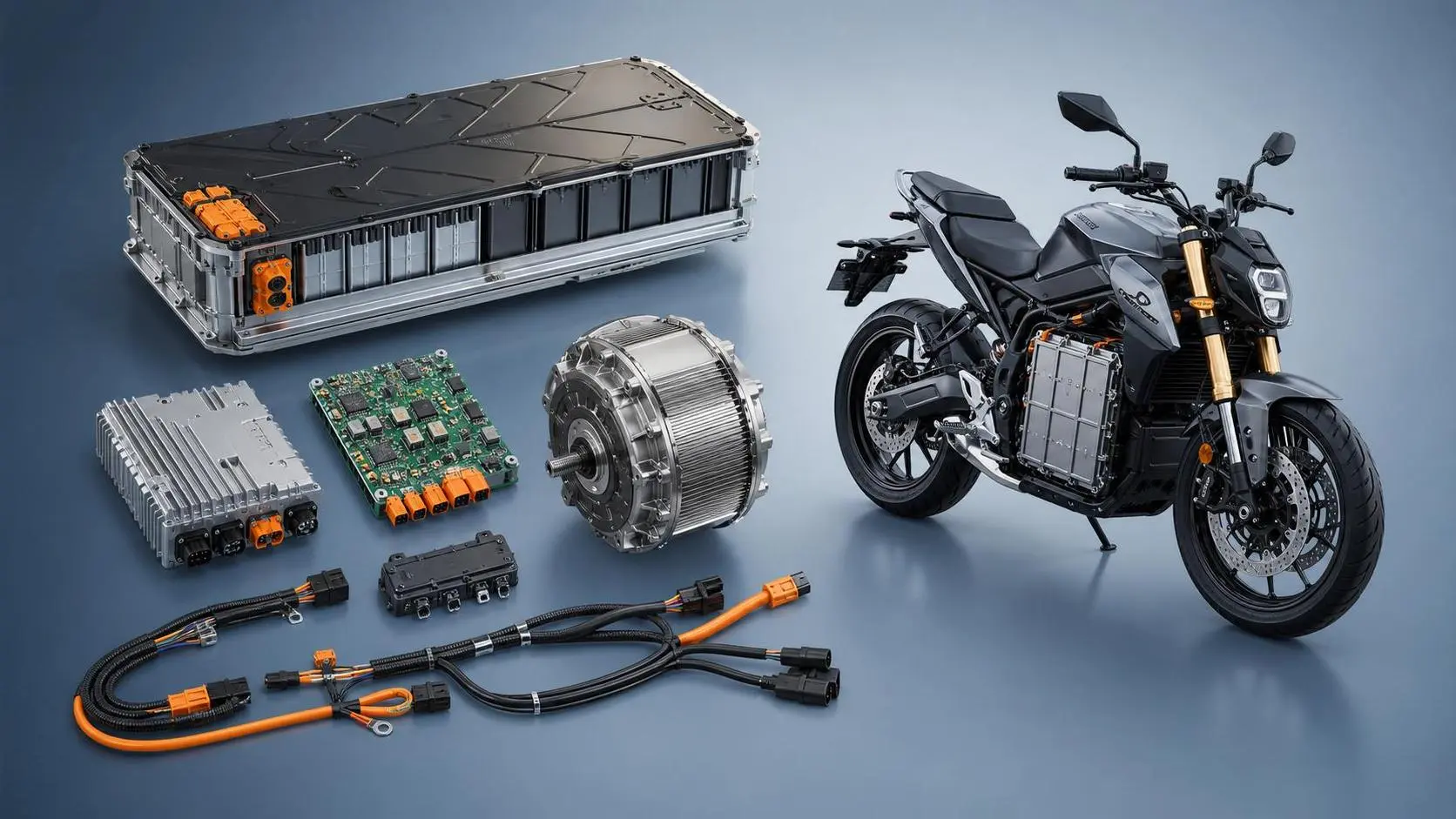
Electric Motorcycle Systems Price Breakdown: What Affects Cost From Battery to Controller?
Electric motorcycle systems price explained: see how battery, controller, motor, BMS, and wiring affect total cost, reliability, and sourcing value before you buy.
72V Electric Motorcycle Technology Explained: Motors, Controllers, Range, and Charging
Electric motorcycle technology 72V explained clearly: compare motors, controllers, range, battery design, and charging to choose a smoother, stronger, and smarter electric ride.
Where LED Urban Visibility Safety Systems Fit Best in Shared Scooters and City E-bikes
LED urban visibility safety systems deliver the most value in shared scooters and city e-bikes by improving multi-angle safety, fleet durability, and urban compliance across real-world routes.

Intellectualization of Mobility in North America: What Is Driving Adoption Across Urban Transport?
Intellectualization of mobility North America is reshaping urban transport through data, smart fleets, and battery intelligence. Explore what is driving adoption and why cities and operators are accelerating now.
How to Choose a Compact Battery Pack: Size, Energy Density, Thermal Design, and Cycle Life
Compact battery pack selection starts with more than size. Learn how energy density, thermal design, and cycle life shape range, safety, and long-term value.
What Is Driving Green Two-wheelers Demand in Europe? Policy, Fuel Costs, and Buyer Segments
Green two-wheelers demand Europe is rising as policy support, fuel cost pressure, and diverse buyer segments reshape urban mobility. Explore the trends driving the next growth wave.