
Related News
- 00
0000-00
Electric Motorcycle Systems Price Breakdown: What Affects Cost From Battery to Controller? - 00
0000-00
Micro-mobility Systems Explained: Core Components, Operating Models, and City Use Cases - 00
0000-00
Electrification Strategies in Europe: Policy, Charging, and ROI Factors for Fleet Planning - 00
0000-00
OEM Market Share in Electric Motorcycles: What It Reveals About Brand Positioning - 00
0000-00
What Is a Smart Transportation Platform and Which Urban Mobility Use Cases Fit Best?
Ms. Elena Rodriguez
Weekly Insights
Stay ahead with our curated technology reports delivered every Monday.
Why global expansion strategy fails in promising markets





A global expansion strategy often looks convincing in boardroom models, investor decks, and high-level growth plans.
Yet many companies still fail in attractive regions where demand appears strong and competition seems manageable.
The main reason is simple.
A global expansion strategy fails when market promise is mistaken for market readiness.
In mobility, energy, consumer technology, and industrial sectors, that gap can become expensive very quickly.
For intelligence-driven platforms like UMMS, this issue is especially relevant.
Micro-mobility categories evolve fast, but regulations, channels, and rider expectations evolve even faster.
Promising markets are changing faster than most global plans
The current expansion environment is no longer defined by demand alone.
It is shaped by policy volatility, local infrastructure, digital ecosystems, and category-specific safety expectations.
That is why a global expansion strategy built on outdated assumptions often collapses after entry.
This pattern is visible across e-bikes, smart e-scooters, high-speed e-motorcycles, and advanced bicycle components.
Demand may exist, but adoption depends on localized product-market fit and operational credibility.
In Europe, subsidy frameworks can boost e-bike demand while tightening battery, safety, and recycling requirements.
In Southeast Asia, two-wheeler demand can grow quickly, yet after-sales service and charging practicality determine conversion.
In North America, premium positioning may work, but insurance, liability, and street-use rules reshape the offer.
Why global expansion strategy breaks despite strong market signals
A promising market sends many positive signals.
Search growth rises, distributors show interest, and competitors report revenue momentum.
Still, these signals do not guarantee successful execution.
Most failures come from several structural mismatches.
The most common strategic misunderstanding
Many teams treat expansion as a geography decision.
In reality, a global expansion strategy is a systems decision.
It links product architecture, certification timing, service capacity, local pricing, and partner quality.
If one part is weak, the entire expansion thesis loses credibility.
The forces pushing global expansion strategy toward failure
Several drivers explain why global growth plans fail even in apparently favorable markets.
- Regulation is becoming more fragmented across safety, battery transport, data use, and road legality.
- Consumers compare global brands instantly, but still buy according to local trust signals.
- Distribution is no longer only physical; platform visibility and service response now affect adoption.
- Supply chains are more transparent, making delivery reliability part of brand reputation.
- Subsidies and incentives can create temporary demand spikes that disappear without notice.
These forces are especially intense in micro-mobility.
An e-bike may need different motor tuning, battery certification, and dealer education from one market to another.
A smart e-scooter may need app localization, geofencing compliance, and stronger anti-theft logic to succeed.
A high-speed e-motorcycle may require charging partnerships, thermal safety positioning, and financing support before scaling.
How these failures affect growth, operations, and brand value
When a global expansion strategy fails, the damage extends beyond one missed launch.
The first impact is financial.
Inventory builds in the wrong specification, marketing spend produces little retention, and margin assumptions collapse.
The second impact is operational.
Teams spend time fixing preventable issues instead of improving category leadership and customer experience.
The third impact is reputational.
In connected sectors, poor early reviews travel quickly through platforms, dealer networks, and rider communities.
For categories requiring trust, such as batteries, drive systems, braking, or wiper safety systems, that damage is serious.
Once confidence drops, re-entry becomes slower and far more expensive.
Cross-functional consequences are often underestimated
- Product teams face redesign pressure after launch.
- Compliance teams absorb emergency certification work.
- Commercial teams renegotiate weak channel commitments.
- Service teams manage complaints without local parts readiness.
- Leadership loses confidence in future market selection models.
What should be checked before a global expansion strategy moves forward
A stronger global expansion strategy begins with disciplined market interpretation rather than optimistic projection.
Before entry, several checkpoints deserve close attention.
- Validate whether demand comes from end users, resellers, fleet operators, or policy incentives.
- Map local standards, labeling, testing, and registration requirements early.
- Stress-test landed pricing under taxes, warranty cost, and reverse logistics.
- Assess service density, spare parts flow, and repair training capacity.
- Review digital requirements such as apps, data storage, payment methods, and firmware support.
- Study competitor positioning at the feature, channel, and trust level, not only price level.
UMMS-style strategic intelligence is valuable here because fast-moving categories cannot rely on static market reports.
Decision quality improves when policy signals, technology shifts, and commercial realities are read together.
A practical way to reduce failure risk in promising markets
The best response is not slower expansion.
It is smarter sequencing.
This approach makes a global expansion strategy more adaptive and less dependent on headline growth narratives.
It also helps distinguish a truly promising market from one that only looks attractive at first glance.
The next move should be evidence, not enthusiasm
A global expansion strategy fails in promising markets when confidence outruns local understanding.
The solution is not abandoning ambition.
The solution is replacing assumptions with structured market intelligence.
For sectors shaped by electrification, urban congestion, technical standards, and connected mobility, this is now essential.
UMMS reflects that reality by connecting policy, technology, and commercial insight across the micro-mobility value chain.
Before the next regional launch, review whether the current global expansion strategy is built on verified local conditions.
That single step can prevent costly misalignment and create stronger long-term market entry results.
Related News

How to Choose Lightweight Scooter Frames in Europe: Materials, Standards, and Use Cases
Lightweight scooter frames Europe buyers need should balance materials, EN standards, durability, and real use cases. Discover how to choose safer, smarter, compliant frames.
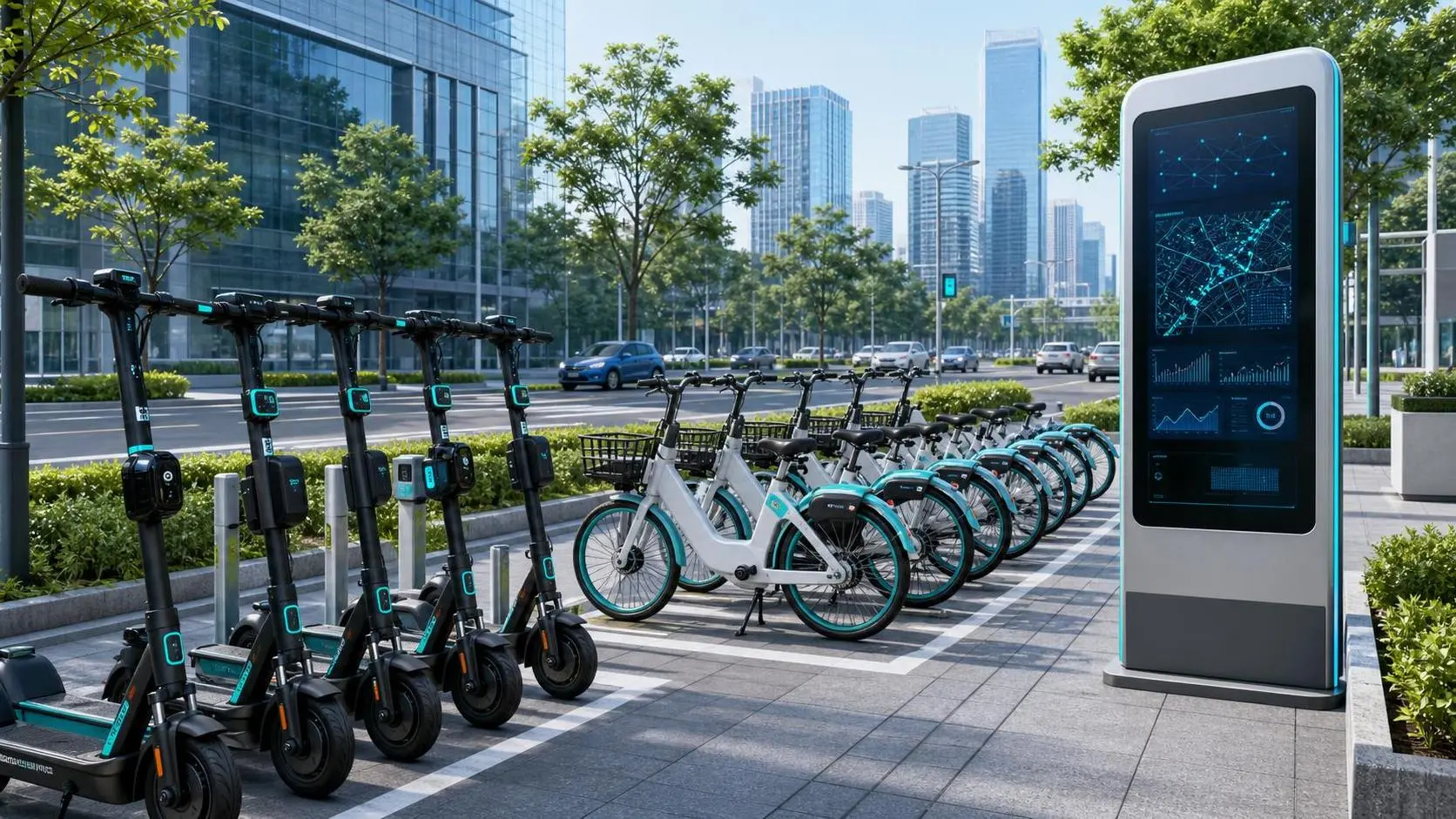
What Is the Intellectualization of Mobility Platform and How Is It Applied in Shared Fleets?
Intellectualization of mobility platform is reshaping shared fleets with real-time data, predictive maintenance, and smarter compliance—learn how it boosts safety, uptime, and urban mobility efficiency.
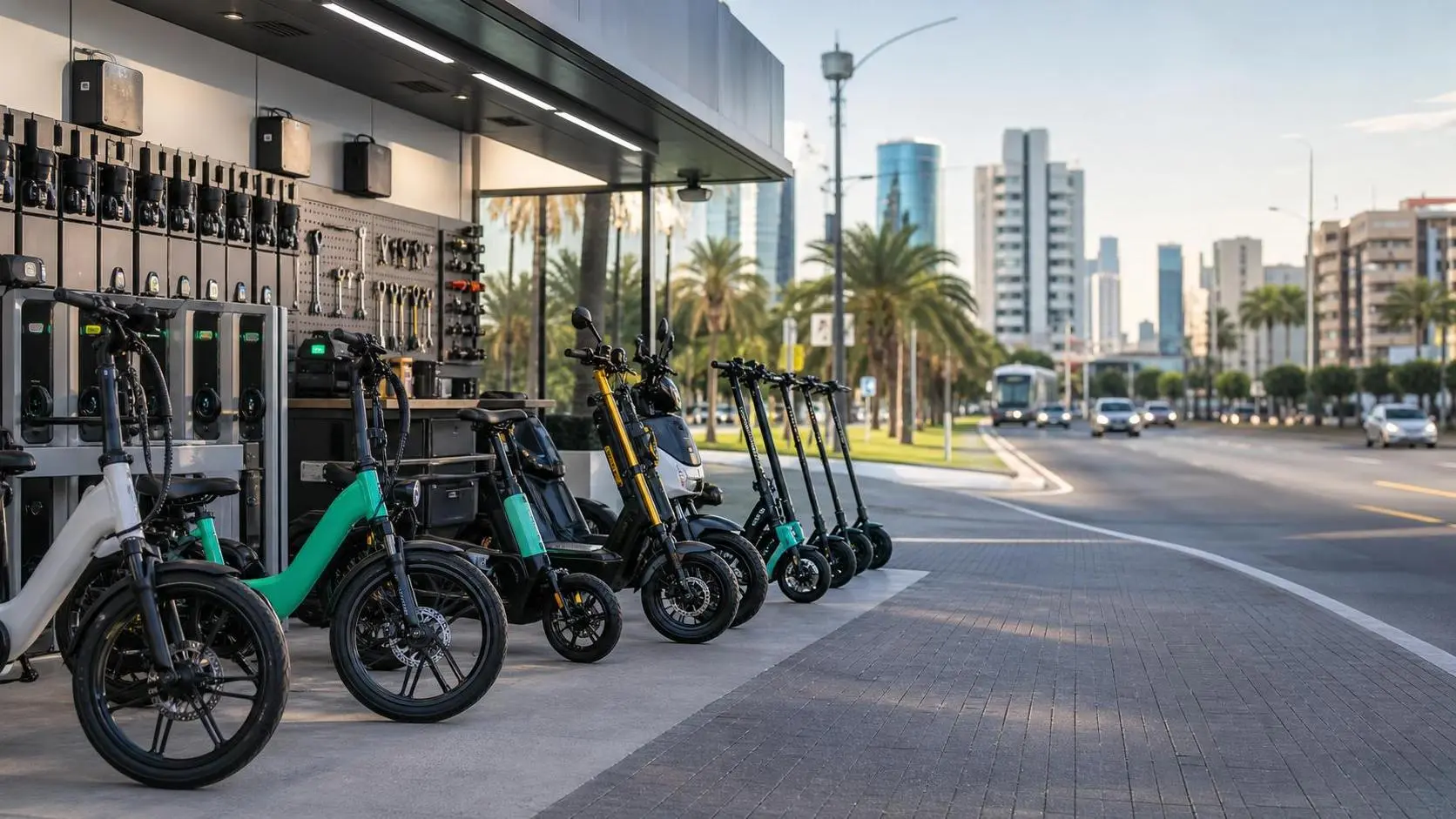
Urban Micro-Mobility Systems in Latin America: Key Market Drivers, Barriers, and Growth Segments
Urban micro-mobility systems Latin America are reshaping city transport. Explore key drivers, barriers, and high-growth segments to spot the region’s most investable opportunities.
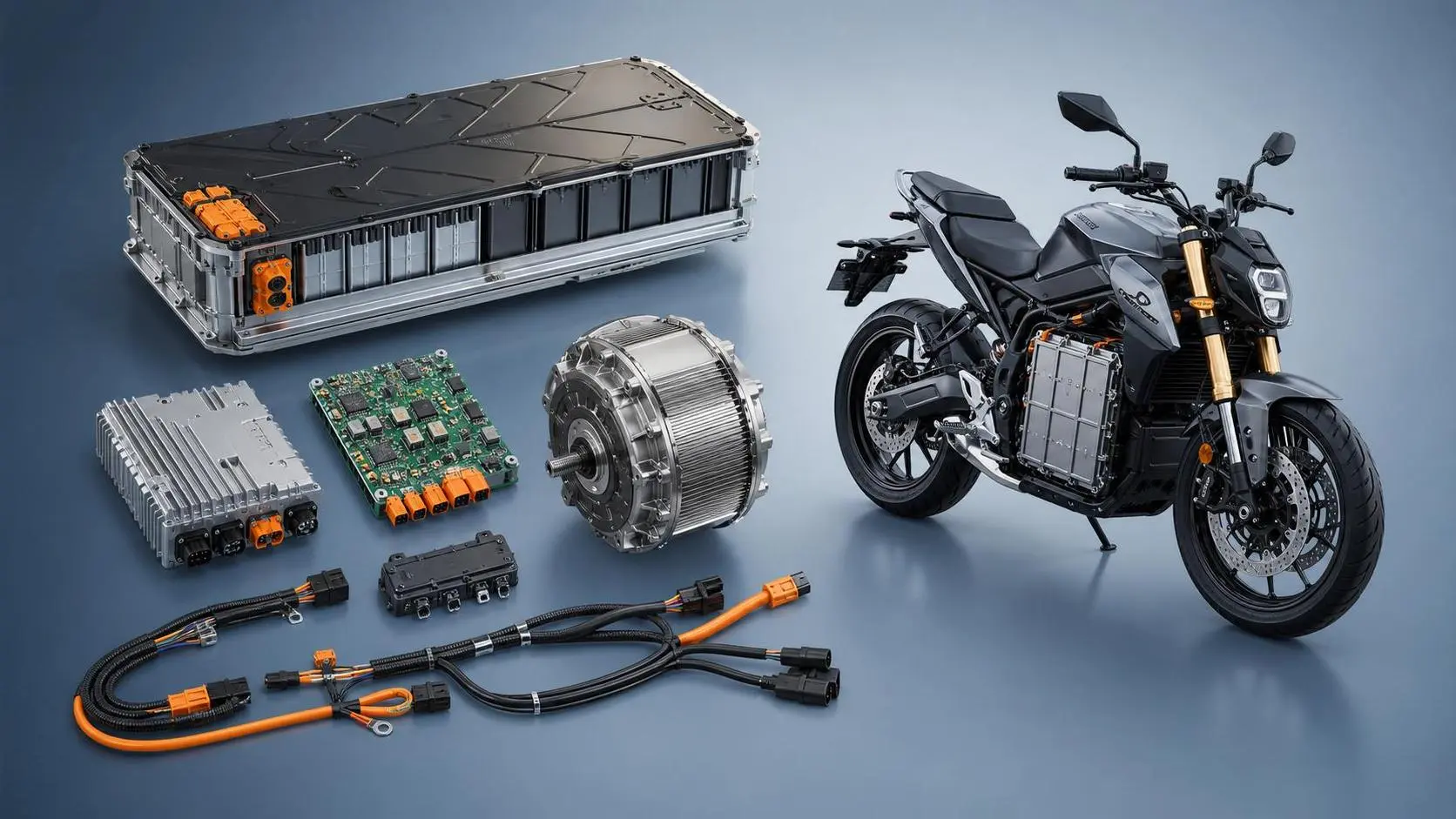
Electric Motorcycle Systems Price Breakdown: What Affects Cost From Battery to Controller?
Electric motorcycle systems price explained: see how battery, controller, motor, BMS, and wiring affect total cost, reliability, and sourcing value before you buy.

72V Electric Motorcycle Technology Explained: Motors, Controllers, Range, and Charging
Electric motorcycle technology 72V explained clearly: compare motors, controllers, range, battery design, and charging to choose a smoother, stronger, and smarter electric ride.

Where LED Urban Visibility Safety Systems Fit Best in Shared Scooters and City E-bikes
LED urban visibility safety systems deliver the most value in shared scooters and city e-bikes by improving multi-angle safety, fleet durability, and urban compliance across real-world routes.

Intellectualization of Mobility in North America: What Is Driving Adoption Across Urban Transport?
Intellectualization of mobility North America is reshaping urban transport through data, smart fleets, and battery intelligence. Explore what is driving adoption and why cities and operators are accelerating now.

How to Choose a Compact Battery Pack: Size, Energy Density, Thermal Design, and Cycle Life
Compact battery pack selection starts with more than size. Learn how energy density, thermal design, and cycle life shape range, safety, and long-term value.
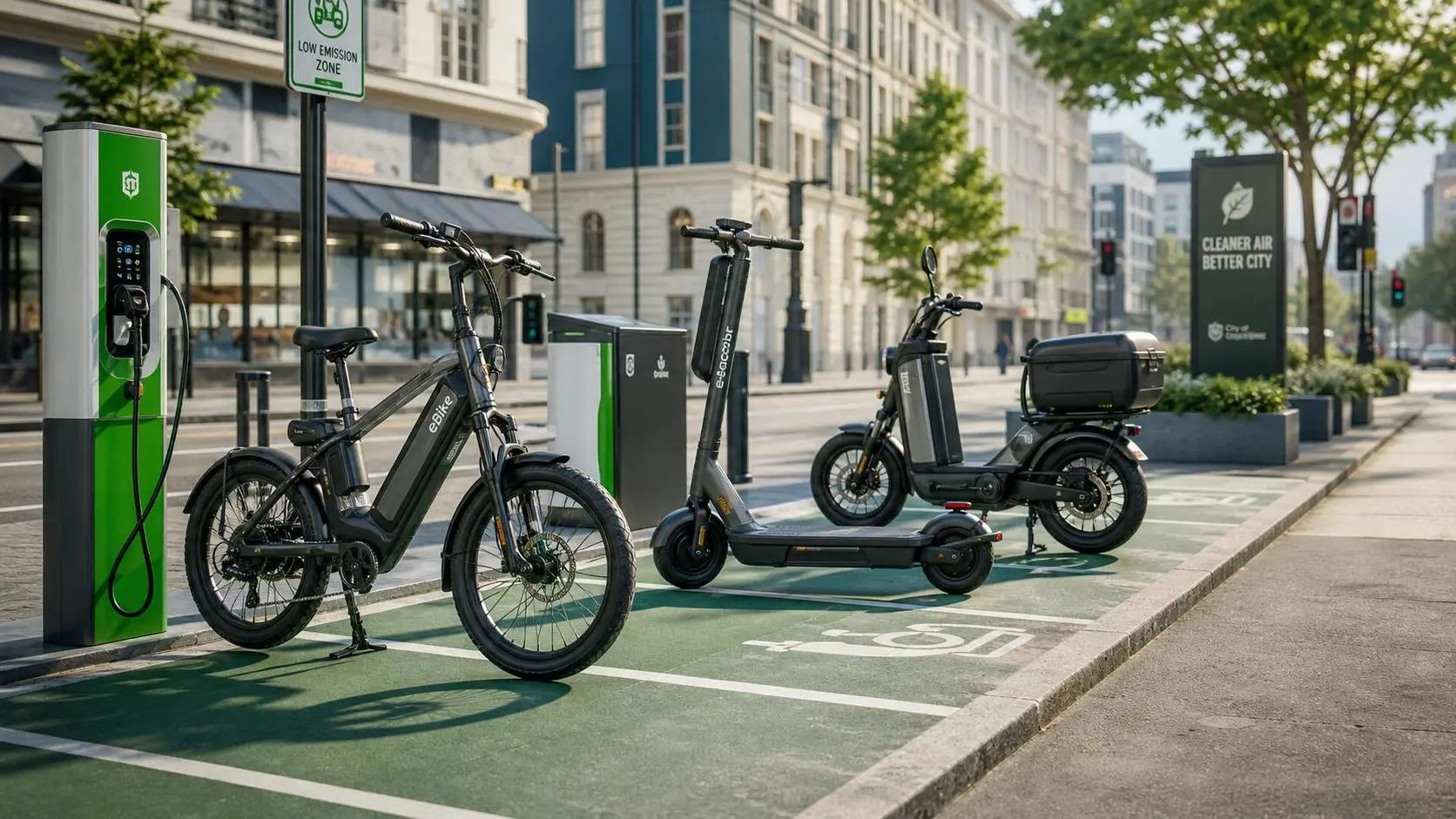
What Is Driving Green Two-wheelers Demand in Europe? Policy, Fuel Costs, and Buyer Segments
Green two-wheelers demand Europe is rising as policy support, fuel cost pressure, and diverse buyer segments reshape urban mobility. Explore the trends driving the next growth wave.