
Related News
- 00
0000-00
Electric Motorcycle Systems Price Breakdown: What Affects Cost From Battery to Controller? - 00
0000-00
Micro-mobility Systems Explained: Core Components, Operating Models, and City Use Cases - 00
0000-00
Electrification Strategies in Europe: Policy, Charging, and ROI Factors for Fleet Planning - 00
0000-00
OEM Market Share in Electric Motorcycles: What It Reveals About Brand Positioning - 00
0000-00
What Is a Smart Transportation Platform and Which Urban Mobility Use Cases Fit Best?
Ms. Elena Rodriguez
Weekly Insights
Stay ahead with our curated technology reports delivered every Monday.
Which urban traffic solutions work beyond pilot programs





Which urban traffic solutions actually scale beyond pilot programs? For business decision-makers navigating congestion, decarbonization, and shifting mobility demand, the answer lies in systems that combine policy alignment, reliable infrastructure, data-driven operations, and commercially viable micro-mobility models. This article explores how urban traffic solutions move from short-term trials to lasting citywide impact, with practical insight into what makes deployment sustainable, measurable, and investment-ready.
Why many urban traffic solutions fail after the pilot stage
Many urban traffic solutions look promising in a limited district, with temporary lanes, subsidized fleets, and high political attention. The problem starts when the same model must operate across larger geographies, mixed user groups, and tighter budget controls.
For enterprise decision-makers, the core issue is not whether a mobility concept can attract early users. It is whether the operating model can maintain uptime, regulatory compliance, safety performance, and acceptable unit economics when incentives decline and complexity rises.
This is especially relevant in micro-mobility, where e-bikes, smart e-scooters, high-speed e-motorcycles, and supporting component systems must work as part of a broader urban traffic framework rather than as isolated gadgets.
- A pilot often overstates demand because it targets ideal neighborhoods with short trip distances and strong public support.
- Infrastructure may be temporary, meaning user safety and trip consistency decline once the system expands.
- Vehicle durability, battery management, and service workflows are rarely tested under full-scale stress during early trials.
- Regulatory conditions such as curb access, right-of-way rules, speed caps, and data reporting obligations can change by district or country.
Which urban traffic solutions scale best in real cities?
The urban traffic solutions that move beyond pilots tend to share four features: they solve recurring trip demand, fit existing street geometry, match local policy goals, and generate measurable operational value. In practice, that favors integrated micro-mobility over standalone experiments.
For UMMS, this is where intelligence matters. Evaluating electrified two-wheelers requires more than trend watching. Decision-makers need to understand battery lifecycle logic, drivetrain efficiency, IoT visibility, component reliability, and the compliance environment shaping long-term deployment.
High-potential solution categories
- E-bikes for commuting corridors: Effective where trip distances are too long for walking but too short for car dependency. They perform well in mixed-income areas and support both private ownership and fleet models.
- Smart e-scooters for dense last-mile zones: Strong fit near transit stations, university districts, business parks, and tourist corridors when parking management and telemetry are robust.
- High-speed e-motorcycles for delivery and commuter substitution: Useful in cities with high two-wheeler adoption, urgent decarbonization targets, and demand for battery swapping or fast turnaround logistics.
- Safety-supporting subsystems: Wiper systems, lighting, braking interfaces, and drivetrain precision matter because scaled operations expose vehicles to all-weather conditions and higher daily utilization.
The table below compares common urban traffic solutions from a scale-up perspective rather than a pilot marketing perspective.
The comparison shows a clear pattern: scalable urban traffic solutions are not defined by novelty. They are defined by repeatable demand, manageable operating risk, and component-level reliability under daily commercial use.
What enterprise decision-makers should evaluate before investing
Budget pressure, uncertain regulation, and compressed delivery timelines make urban traffic solutions difficult to evaluate. A useful procurement lens is to examine the full deployment stack, from hardware and software to service logistics and policy exposure.
A practical evaluation checklist
- Define the trip problem first. Are you solving first-mile access, courier efficiency, campus mobility, or commuter substitution?
- Check the street environment. Protected lanes, gradients, weather exposure, and parking rules strongly affect vehicle class selection.
- Model total cost of operation. Include battery replacement cycles, spare parts, downtime, field service, insurance, and software subscriptions.
- Assess data requirements. Fleet-level urban traffic solutions need telemetry, anti-theft tracking, diagnostics, and reporting interfaces.
- Review compliance pathways. Speed limits, vehicle classification, lighting, braking, battery shipping, and local registration requirements can alter the business case.
In the UMMS view, one of the most overlooked issues is component intelligence. A city may approve a program, but weak battery management, unstable electronic shifting, poor visibility systems, or limited spare-part support can quietly undermine scale economics.
The following table helps decision-makers compare procurement criteria across common micro-mobility categories used in urban traffic solutions.
A sound buying decision should link these criteria to deployment conditions. A lower purchase price does not guarantee lower cost if field failure rates, charging friction, or regulatory misfit increase operational losses.
How infrastructure, policy, and data determine long-term viability
Urban traffic solutions scale when they fit public infrastructure and governance, not when they fight against them. This is why the most successful micro-mobility programs are usually embedded in larger transport, climate, and curb-management strategies.
Infrastructure factors that matter most
- Protected or at least legible travel space for two-wheelers reduces safety incidents and improves rider confidence.
- Charging and battery handling rules affect whether fleets can operate at high daily utilization without labor-heavy rebalancing.
- Weather resilience matters. Visibility systems, sensor reliability, tire selection, and water resistance become scale issues, not feature details.
Policy and data requirements
- Operating permits should align with business duration. Short permit windows discourage capital investment in better fleets and service infrastructure.
- Right-of-way rules for shared scooters and e-bikes must be clear enough to reduce enforcement ambiguity and rider confusion.
- Standardized reporting on trips, parking behavior, incidents, and energy use helps cities and operators refine urban traffic solutions over time.
UMMS closely tracks these policy and technology intersections because the winning mobility businesses are rarely those with the loudest pilot launch. They are the ones that align product architecture with local rules, maintenance reality, and cross-border market requirements.
What does a scalable implementation roadmap look like?
Decision-makers often assume that scaling urban traffic solutions simply means adding more vehicles. In reality, scale requires staged implementation, measurable checkpoints, and a clear shift from experimentation to standardized operating discipline.
Recommended rollout sequence
- Phase 1: Demand validation. Confirm corridor demand, rider profile, weather exposure, and asset utilization pattern.
- Phase 2: System calibration. Select vehicle type, battery format, software stack, spare-part policy, and service workflow.
- Phase 3: Controlled expansion. Increase geographic coverage only after uptime, safety, and incident response benchmarks are stable.
- Phase 4: Integration. Link the program to transit nodes, enterprise campuses, delivery networks, or municipal reporting systems.
- Phase 5: Optimization. Use usage data, maintenance history, and policy changes to adjust fleet mix and replacement timing.
This roadmap is especially important for electrified two-wheelers. Vehicle choice affects energy efficiency, charging labor, parts inventory, and rider safety. Precision component selection, including drivetrain systems and environmental protection features, has direct commercial consequences.
Common mistakes when selecting urban traffic solutions
Several procurement mistakes repeatedly weaken urban traffic solutions, even when demand exists. Most are not technology failures in isolation. They are decision failures caused by incomplete evaluation.
- Choosing vehicles based on headline range instead of route pattern, charging workflow, and actual daily turnaround needs.
- Ignoring component ecosystem maturity, which later creates downtime because replacement parts or diagnostic support are not readily available.
- Treating compliance as a final-step document issue instead of a design and procurement issue from the beginning.
- Underestimating the importance of all-weather reliability, including visibility and sensor performance, in markets with rain, dust, or seasonal variation.
- Launching without a clear governance model for data ownership, operating responsibility, and service-level accountability.
FAQ: practical questions about urban traffic solutions
How do we know whether e-bikes or smart e-scooters are better for our project?
Start with trip distance, rider profile, and regulatory tolerance. E-bikes usually suit broader demographics, longer average trips, and corporate or commuter programs. Smart e-scooters may deliver better density in short-range urban circulation but need stronger parking control and city acceptance.
What should we prioritize if our budget is limited?
Prioritize durability, battery strategy, and serviceability before premium features. In urban traffic solutions, the most expensive mistake is often not the initial purchase price but the cost of downtime, battery failure, or unstable operations under real-world demand.
Are high-speed e-motorcycles only relevant for delivery fleets?
No. They are highly relevant where urban commuters already rely on motorbikes and where cities want lower emissions without sacrificing route flexibility. Their viability improves when charging or swapping infrastructure and vehicle classification rules are clear.
What compliance topics should be checked early?
Check vehicle class definitions, road access rights, speed limitations, battery transport considerations, lighting and braking expectations, and data reporting obligations. Requirements vary across markets, so early screening prevents late-stage redesign or procurement delays.
Why informed intelligence matters before scale-up
Urban traffic solutions do not become scalable just because a city wants decarbonization or because consumers show curiosity. They scale when technical choices, policy frameworks, and business logic reinforce each other. That is where specialized intelligence creates an advantage.
UMMS focuses on the systems behind urban micro-circulation: e-bikes, smart e-scooters, high-speed e-motorcycles, precision drivetrain components, and safety-supporting technologies. This perspective helps decision-makers judge not only what is popular, but what is operationally durable and commercially realistic.
Why choose us for urban traffic solutions insight and project support
If you are evaluating urban traffic solutions for market entry, product positioning, procurement screening, or cross-border expansion, UMMS can support the decisions behind scale. Our strength lies in connecting policy signals, component trends, electrified two-wheeler technology, and commercial feasibility into one actionable view.
- Request support on vehicle category comparison, including e-bike, smart e-scooter, and high-speed e-motorcycle fit by scenario.
- Discuss parameter confirmation such as battery architecture, drivetrain needs, telemetry expectations, and weather-resilience priorities.
- Review compliance and market-access considerations, including local right-of-way rules, subsidy relevance, and operating constraints.
- Explore delivery planning, supplier evaluation, sample support pathways, and quotation discussions for targeted mobility programs.
- Assess customized solution direction for enterprise fleets, city-linked programs, OEM expansion, and core component sourcing strategy.
When urban traffic solutions need to move beyond pilot visibility and toward measurable citywide performance, the right next step is a structured technical and commercial review. That conversation can clarify product selection, deployment risks, timeline assumptions, and the most realistic path to scale.
Related News
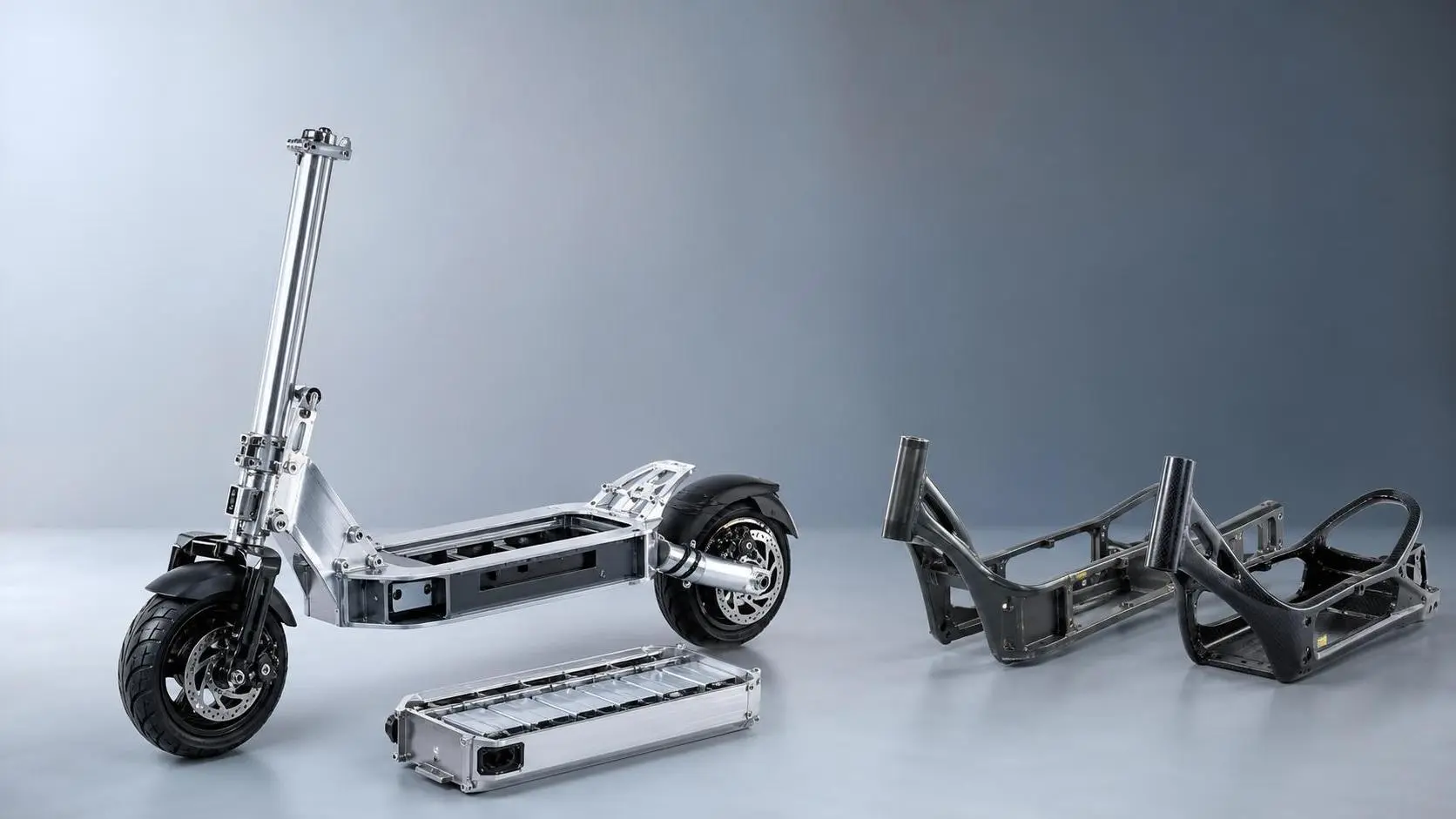
How to Choose Lightweight Scooter Frames in Europe: Materials, Standards, and Use Cases
Lightweight scooter frames Europe buyers need should balance materials, EN standards, durability, and real use cases. Discover how to choose safer, smarter, compliant frames.
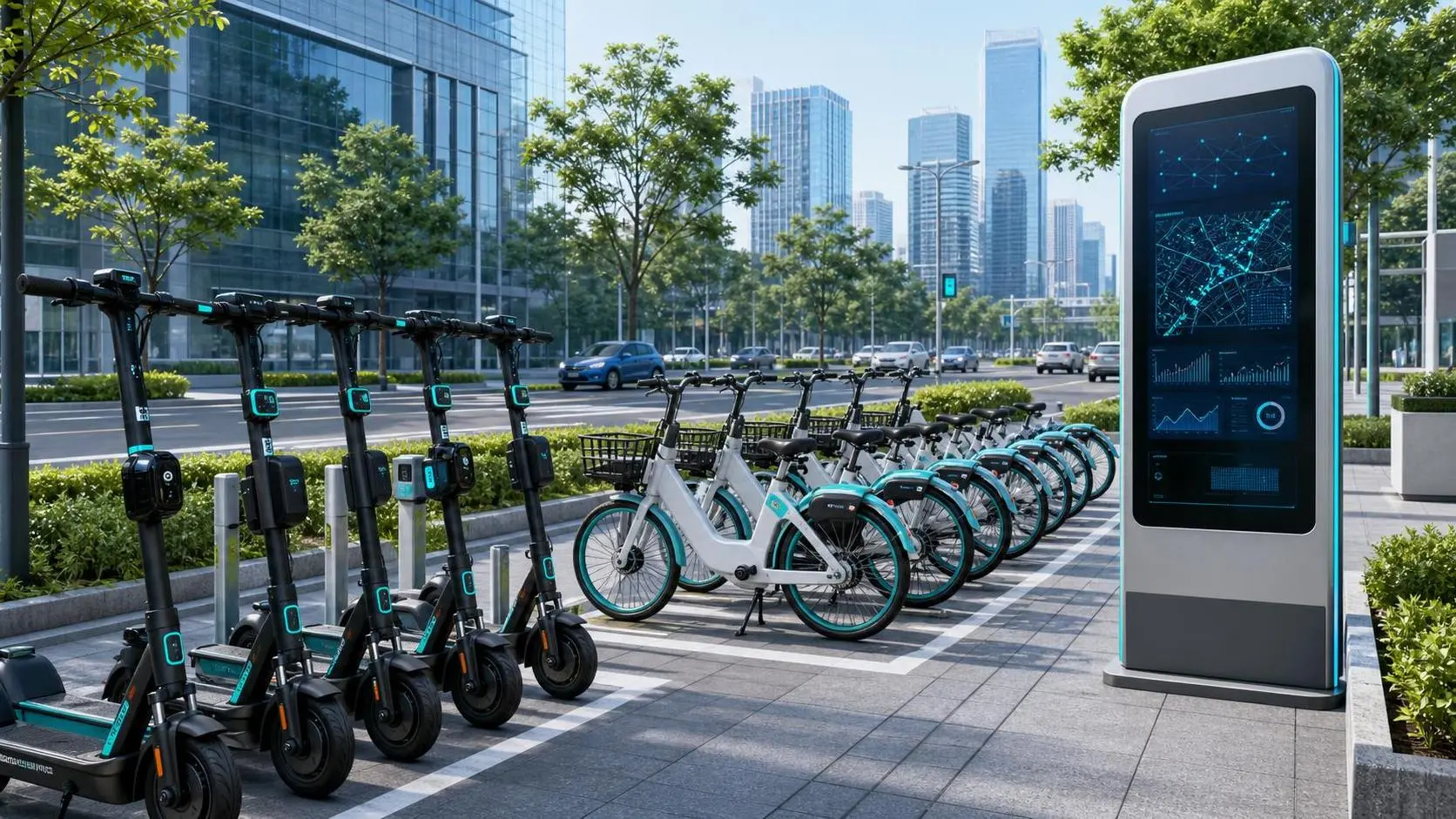
What Is the Intellectualization of Mobility Platform and How Is It Applied in Shared Fleets?
Intellectualization of mobility platform is reshaping shared fleets with real-time data, predictive maintenance, and smarter compliance—learn how it boosts safety, uptime, and urban mobility efficiency.
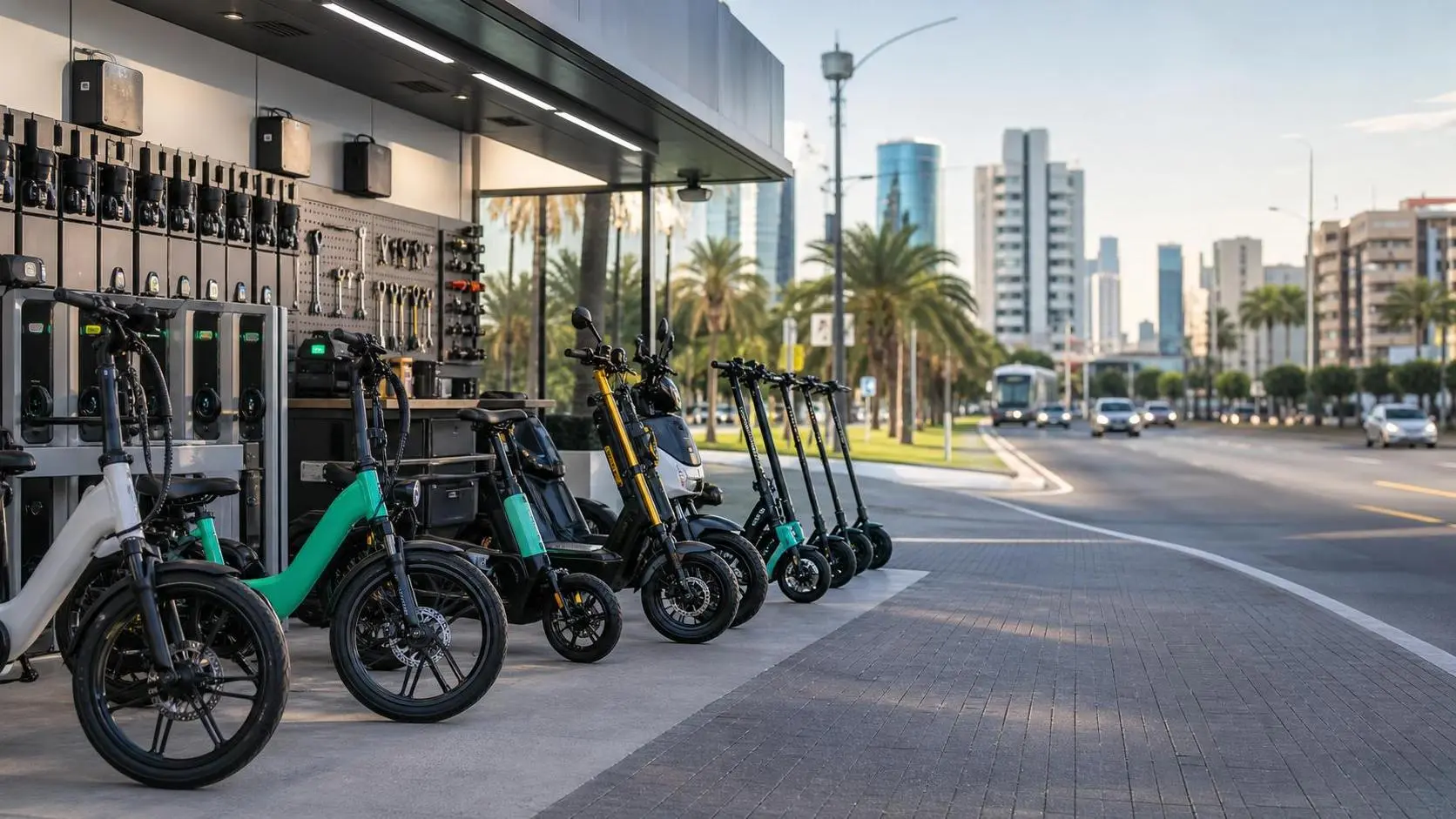
Urban Micro-Mobility Systems in Latin America: Key Market Drivers, Barriers, and Growth Segments
Urban micro-mobility systems Latin America are reshaping city transport. Explore key drivers, barriers, and high-growth segments to spot the region’s most investable opportunities.
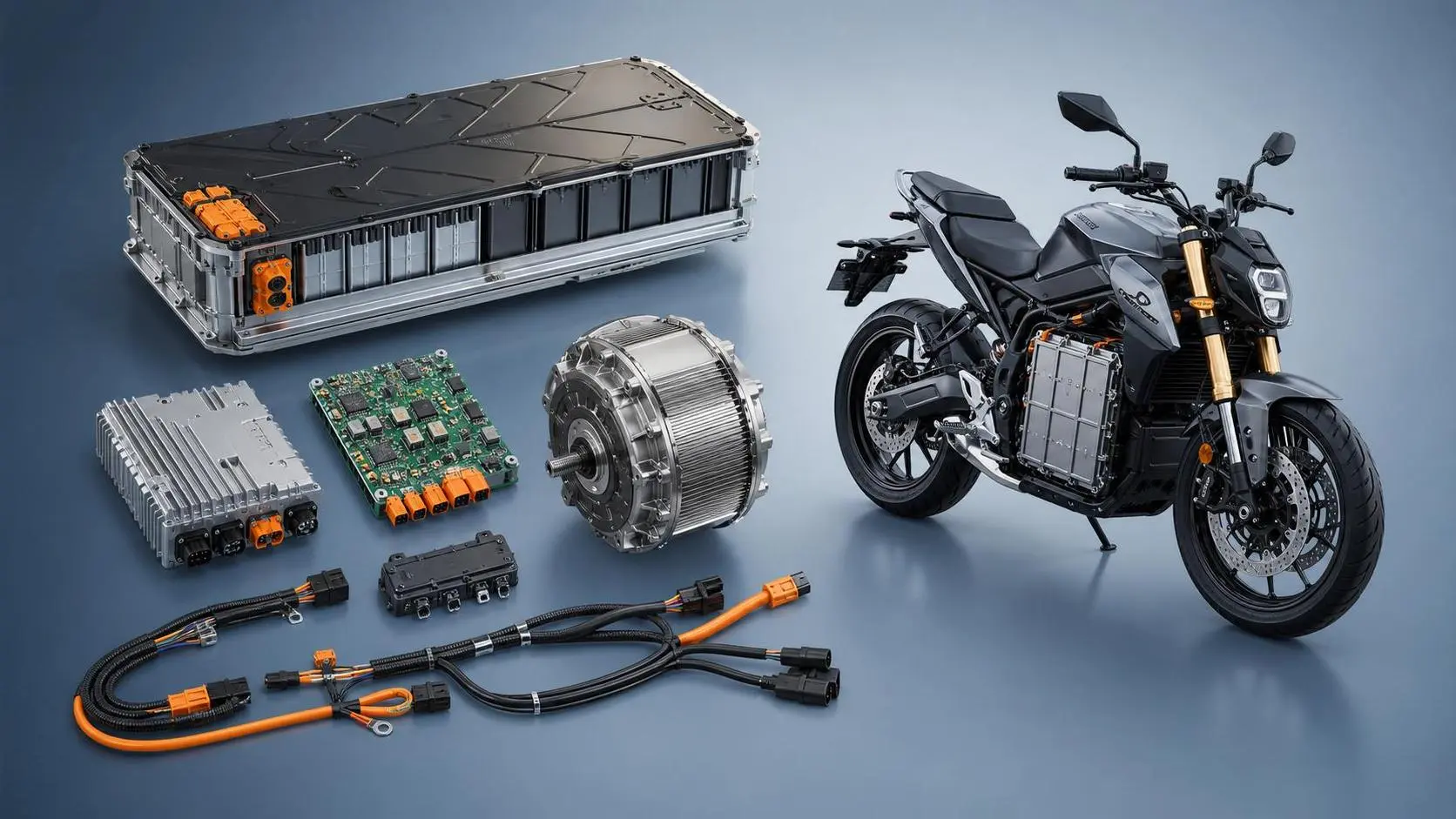
Electric Motorcycle Systems Price Breakdown: What Affects Cost From Battery to Controller?
Electric motorcycle systems price explained: see how battery, controller, motor, BMS, and wiring affect total cost, reliability, and sourcing value before you buy.
72V Electric Motorcycle Technology Explained: Motors, Controllers, Range, and Charging
Electric motorcycle technology 72V explained clearly: compare motors, controllers, range, battery design, and charging to choose a smoother, stronger, and smarter electric ride.
Where LED Urban Visibility Safety Systems Fit Best in Shared Scooters and City E-bikes
LED urban visibility safety systems deliver the most value in shared scooters and city e-bikes by improving multi-angle safety, fleet durability, and urban compliance across real-world routes.
Intellectualization of Mobility in North America: What Is Driving Adoption Across Urban Transport?
Intellectualization of mobility North America is reshaping urban transport through data, smart fleets, and battery intelligence. Explore what is driving adoption and why cities and operators are accelerating now.

How to Choose a Compact Battery Pack: Size, Energy Density, Thermal Design, and Cycle Life
Compact battery pack selection starts with more than size. Learn how energy density, thermal design, and cycle life shape range, safety, and long-term value.
What Is Driving Green Two-wheelers Demand in Europe? Policy, Fuel Costs, and Buyer Segments
Green two-wheelers demand Europe is rising as policy support, fuel cost pressure, and diverse buyer segments reshape urban mobility. Explore the trends driving the next growth wave.