
Related News
- 00
0000-00
Urban Micro-Mobility Systems in Latin America: Key Market Drivers, Barriers, and Growth Segments - 00
0000-00
Intellectualization of Mobility in North America: What Is Driving Adoption Across Urban Transport? - 00
0000-00
What Is Driving Green Two-wheelers Demand in Europe? Policy, Fuel Costs, and Buyer Segments - 00
0000-00
Urban Micro-Mobility in North America: Policy, Charging Access, and Fleet Growth Drivers - 00
0000-00
Carbon Neutrality for Fleets: How to Measure Emissions and Prioritize Upgrades
Prof. Marcus Chen
Weekly Insights
Stay ahead with our curated technology reports delivered every Monday.
Electric Bike Trends in China: What Buyers and Brands Should Watch in 2025





China’s e-bike signals matter far beyond China in 2025
China still sets the rhythm for global two-wheeler electrification, but 2025 looks less like scale alone and more like selective capability.
That is why electric bike trends China now influence product roadmaps, channel strategy, and cost planning across the wider micro-mobility economy.
The shift is visible in batteries, controllers, connected functions, export documentation, and the growing demand for more reliable component integration.
What makes this phase different is not a single breakthrough.
It is the convergence of compliance pressure, urban usage change, and a maturing expectation that e-bikes should behave like intelligent mobility systems.
From the perspective of UMMS, this mirrors a broader pattern across smart e-scooters, high-speed e-motorcycles, and precision drivetrain components.
Markets are no longer rewarding isolated hardware performance alone.
They are rewarding how well motors, batteries, sensors, transmission parts, and software work together under real-world constraints.
The market is moving from volume competition to system competition
One of the clearest electric bike trends China is the move away from simple price-led volume growth.
Capacity remains strong, yet buyers increasingly compare system stability rather than headline specifications.
That includes battery consistency, thermal control, display logic, torque response, and compatibility with braking and shifting components.
In practical terms, the most attractive offers are not always the cheapest assembled units.
They are often the products with lower field risk, clearer traceability, and easier adaptation to local regulations.
This matters because e-bikes now serve more diverse use cases.
Urban commuting, food delivery, cargo movement, leisure riding, and intermodal transport all impose different duty cycles.
As a result, system engineering is becoming a commercial differentiator, not just a technical talking point.
Why this change is becoming more visible
- Export destinations are tightening battery, charger, and product safety expectations.
- End users expect smoother power delivery and fewer maintenance interruptions.
- Replacement cycles are slower, so durability now influences purchase decisions more strongly.
- Platform brands want common component architectures across multiple vehicle categories.
Battery intelligence is no longer a premium extra
If one theme dominates electric bike trends China, it is battery management moving closer to the center of brand value.
Range still matters, but the conversation has widened.
Attention is shifting toward cell matching, BMS logic, charging behavior, heat control, and data visibility throughout the battery life cycle.
This reflects a broader reality in urban micro-mobility.
As fleets, retailers, and cross-border brands scale, hidden battery risk becomes far more expensive than a small increase in upfront component cost.
More Chinese suppliers are responding with smarter battery packs, better firmware coordination, and deeper diagnostic capabilities.
That direction fits the UMMS view that high-density battery management logic is now a strategic, not secondary, capability.
This does not mean every model needs the most advanced pack design.
It means battery architecture now has to match route profile, charging frequency, climate exposure, and regulatory destination more precisely.
Connected functions are becoming operational tools, not showroom features
Another important electric bike trends China signal is the quiet rise of practical connectivity.
Earlier connected features often focused on novelty.
In 2025, the stronger demand is for functions that reduce friction in use, service, and fleet oversight.
That includes anti-theft alerts, battery status visibility, remote diagnostics, firmware updates, and riding data that can inform maintenance timing.
The same logic already shapes smart e-scooters and high-speed electric motorcycles.
E-bikes are now catching up because urban users increasingly expect transport devices to be connected, manageable, and interoperable.
What matters is restraint.
Too many features add cost and user confusion, while too little visibility makes servicing harder and weakens brand trust.
Where connected design is creating the most value
- Shared and managed fleets that need location, usage, and battery oversight.
- Urban delivery use cases with heavy daily mileage and tighter uptime needs.
- Retail programs where digital diagnostics shorten service turnaround.
- Premium commuter segments seeking theft prevention and ride personalization.
Compliance and certification now shape product design much earlier
A few years ago, compliance was often treated as a late-stage export checkpoint.
That approach is becoming harder to sustain.
Electric bike trends China now show a more front-loaded process, where target market standards influence battery housing, charger selection, labeling, and software settings from the start.
This is especially relevant in Europe, where safety, right-of-way rules, power limits, and documentation discipline have become central to category credibility.
The knock-on effect is significant.
Suppliers with stronger testing discipline and cleaner documentation gain an advantage even if their nominal pricing is not the lowest.
For the wider industry, this is a sign of maturation.
Micro-mobility is increasingly judged as transport infrastructure, not just consumer electronics on two wheels.
Price pressure remains real, but the market is separating by use case
It would be inaccurate to discuss electric bike trends China without mentioning pricing pressure.
Competition is intense, and many categories still face margin compression.
Yet the market is not moving in one direction.
Low-cost urban mobility, cargo utility, and premium commuting are increasingly behaving like separate submarkets with different tolerance for cost, weight, software, and service levels.
That separation changes sourcing logic.
A platform built for basic commuting may fail in delivery operations.
A model designed for enthusiast riders may be overengineered for entry-level urban programs.
The better question in 2025 is not how to chase the lowest cost.
It is how to align cost with the expected duty cycle and compliance burden of each channel.
A simple way to read the market split
- Entry mobility favors simple architecture, stable quality, and clear regulatory fit.
- Delivery and utility demand stronger frames, battery resilience, and serviceable electronics.
- Premium urban models reward refined ride feel, lighter systems, and better digital experience.
Component integration is becoming a sharper competitive edge
One underappreciated aspect of electric bike trends China is the growing strategic value of components once treated as secondary.
Braking consistency, drivetrain efficiency, lighting logic, sensor calibration, and display readability all shape real user confidence.
This is where China’s role as a manufacturing hub intersects with deeper system design.
The strongest products increasingly borrow lessons from across the UMMS landscape, including wireless shifting precision, motor control refinement, and safety-focused peripheral engineering.
Even adjacent categories matter.
The emphasis on visibility safety in wiper systems, for example, reflects the same broader move toward dependable operation under difficult urban conditions.
In e-bikes, that translates into better waterproofing, cleaner cable routing, and electronics that continue to perform in rain, heat, and heavy stop-start traffic.
What deserves closer attention through the rest of 2025
The most useful response to electric bike trends China is not to overreact to every monthly fluctuation.
It is to track a small set of signals that reveal whether a supplier or product line can stay competitive as the market matures.
- Watch how battery safety and traceability claims are documented, not just advertised.
- Check whether connected features solve service and uptime problems rather than adding interface clutter.
- Compare component compatibility across motors, drivetrains, displays, and braking systems.
- Review how early export compliance is built into product definition and testing plans.
- Assess whether pricing still works after warranty, certification, and maintenance realities are included.
The broader judgment is fairly clear.
China will remain central to global e-bike supply and innovation, but leadership in 2025 will depend less on scale and more on disciplined integration.
For anyone tracking electric bike trends China, the next step is to map market signals against real application scenarios, then build a phased evaluation plan around compliance, battery logic, connected capability, and lifecycle reliability.
That is where the most durable advantage is likely to emerge across global micro-mobility.
- urban micro-mobility
- e-bikes
- smart e-scooters
- high-speed e-motorcycles
- two-wheeler electrification
- wiper systems
- battery management
- precision drivetrain
- high-density battery
- shared mobility
- electric bike trends
- micro-mobility
- electric motorcycles
- electric bike trends China
- precision drivetrain components
- shifting precision
- wireless shifting
Related News
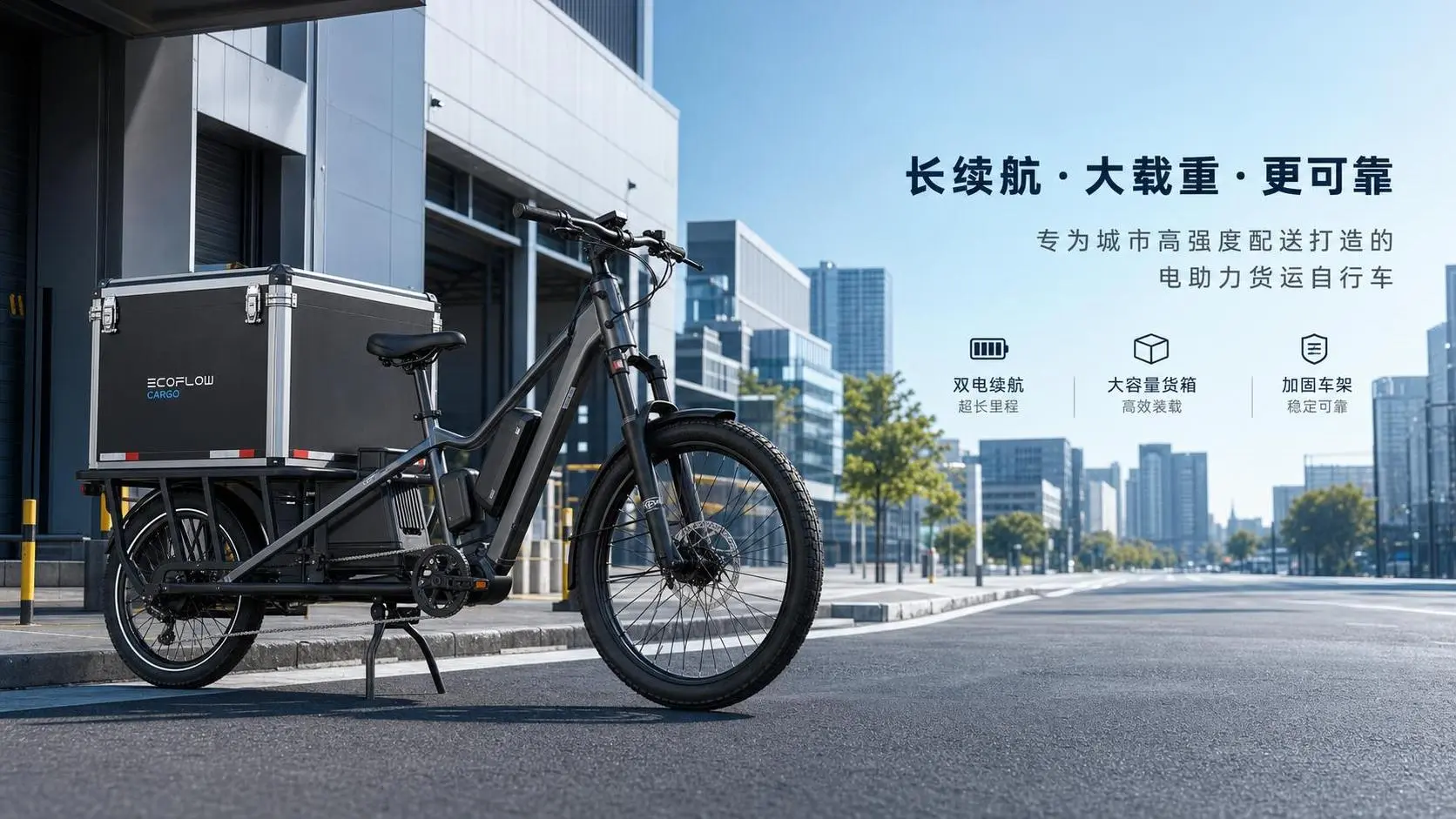
How to Choose a Long-Range Commercial Cargo E-Bike for Delivery Operations
Commercial cargo e-bike long range buying guide: learn how to assess battery, payload, route fit, and uptime support to choose a reliable delivery model with lower operating costs.
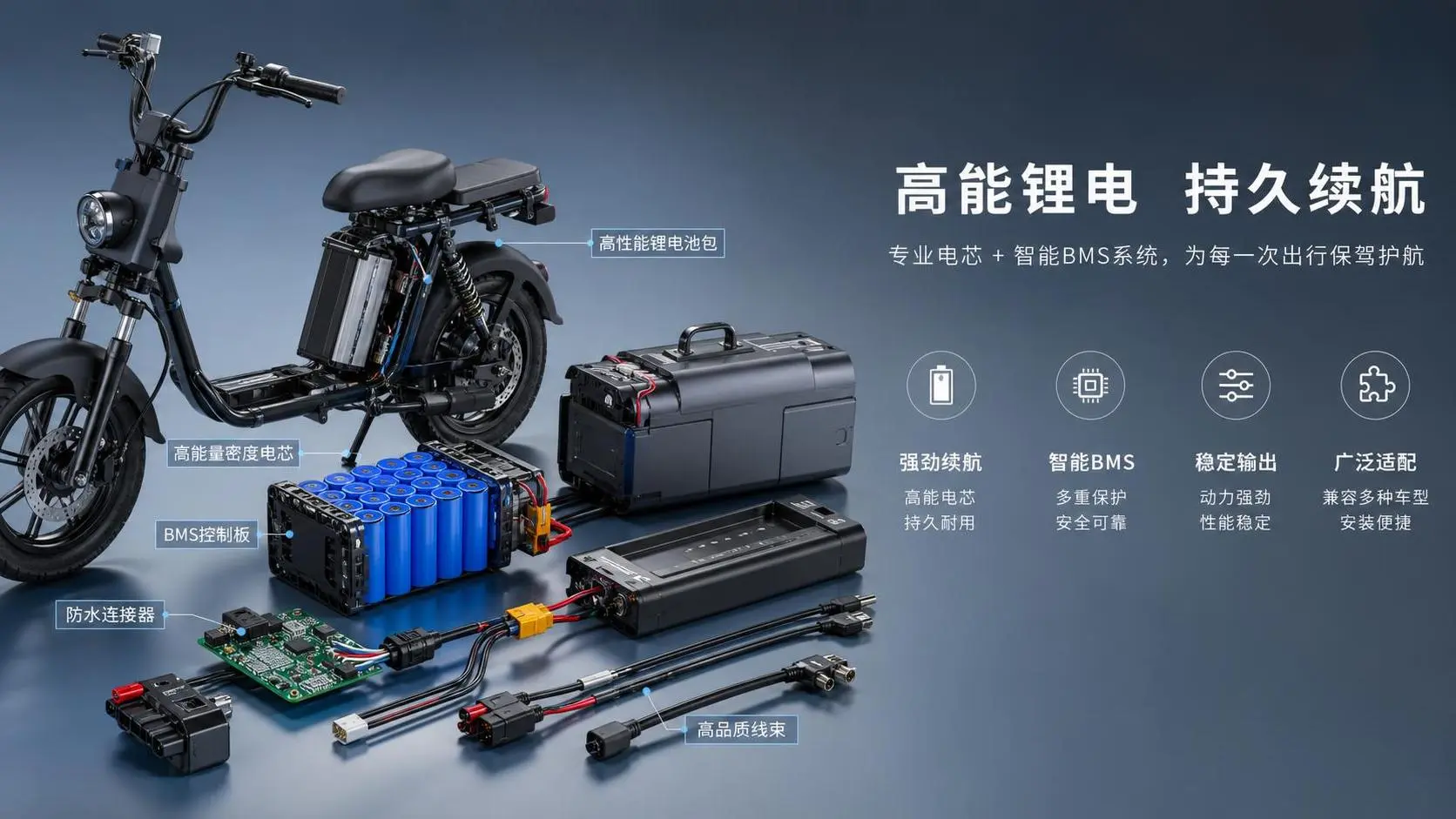
How to Select the Right E-Bike Battery Components for Range, Safety, and Fit?
E-bike component selection battery guide: learn how to choose the right battery components for better range, stronger safety, and perfect fit across modern e-bike platforms.
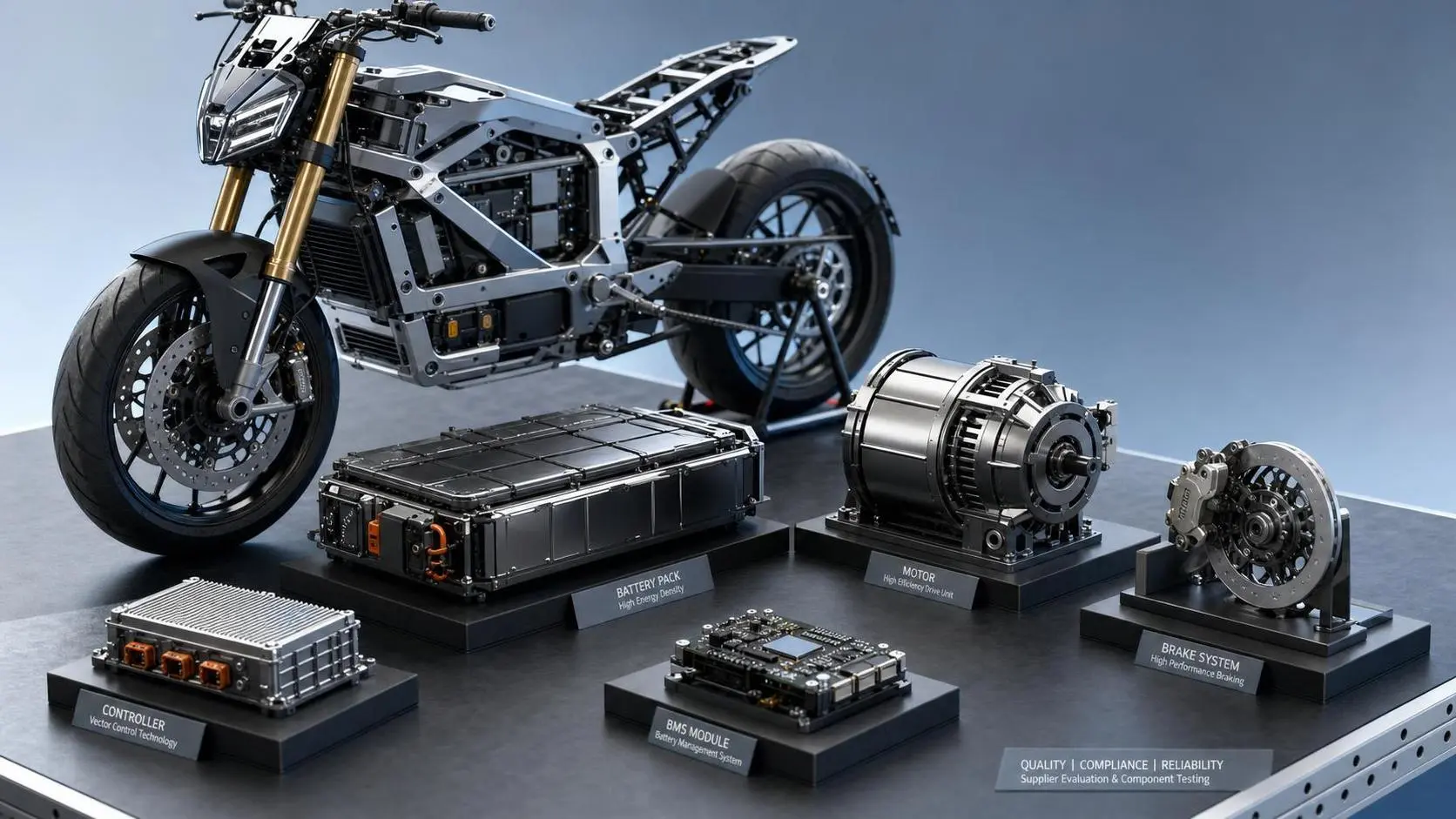
How to Evaluate Core Component Suppliers for Electric Motorcycles Before Sourcing?
Core component suppliers for electric motorcycles can make or break safety, compliance, and delivery. Learn how to assess technical strength, certifications, quality control, and hidden sourcing risks before you buy.
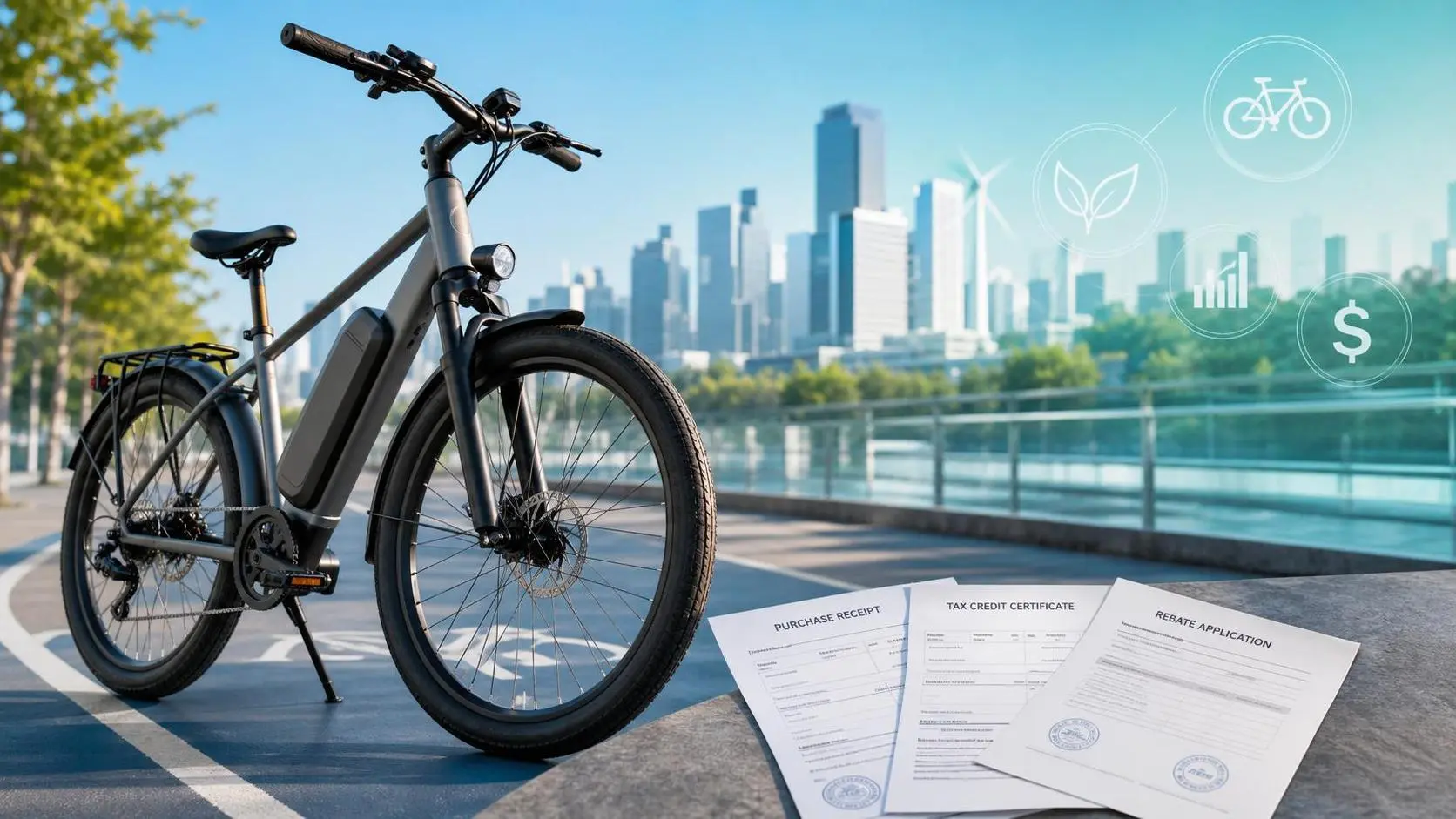
E-Bike Incentives Explained: How Riders Can Find Local Rebates and Tax Credits
E bike incentives explained: learn how to find local rebates, tax credits, and utility offers, avoid common mistakes, and cut the real cost of your next e-bike.
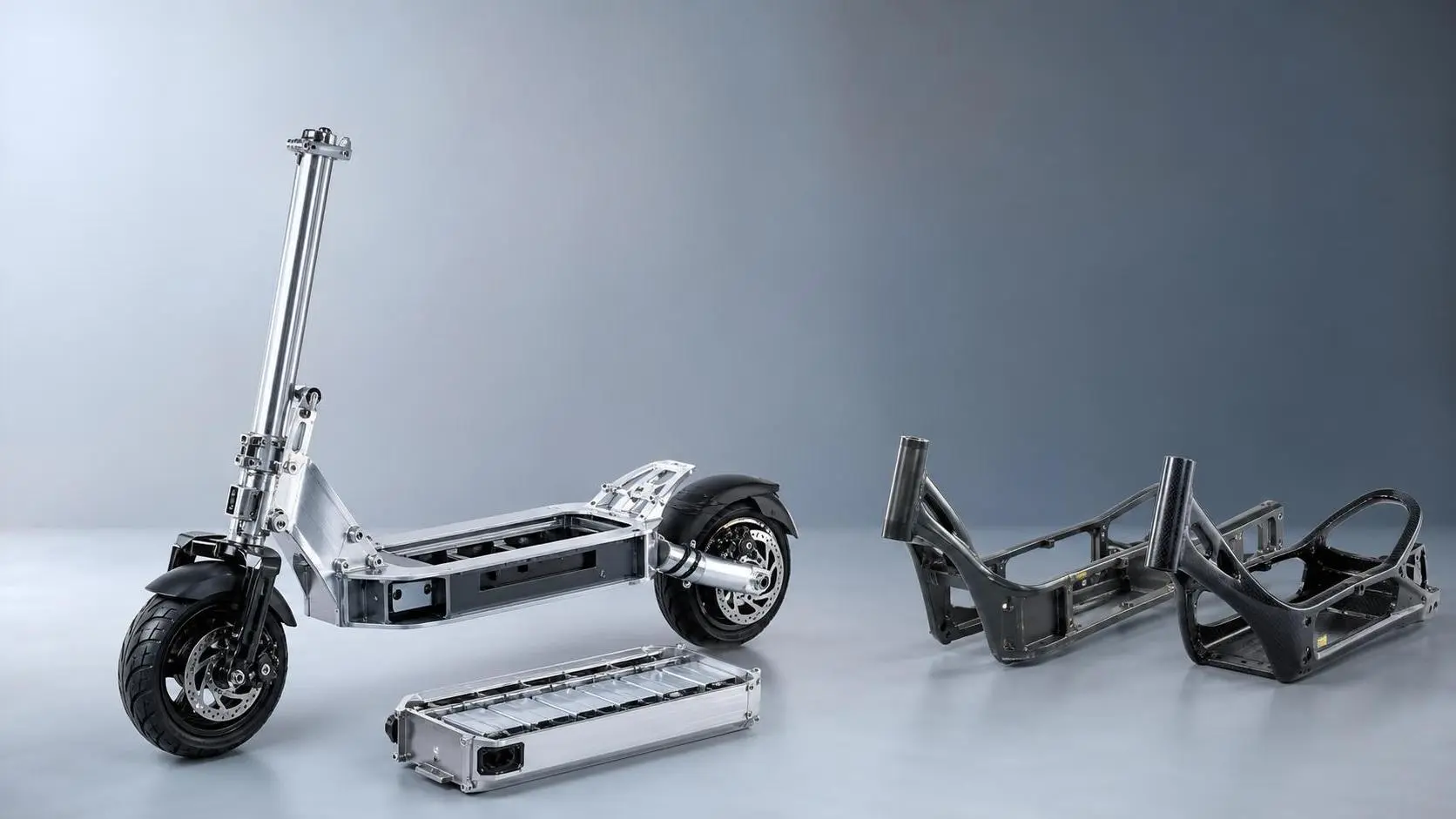
How to Choose Lightweight Scooter Frames in Europe: Materials, Standards, and Use Cases
Lightweight scooter frames Europe buyers need should balance materials, EN standards, durability, and real use cases. Discover how to choose safer, smarter, compliant frames.
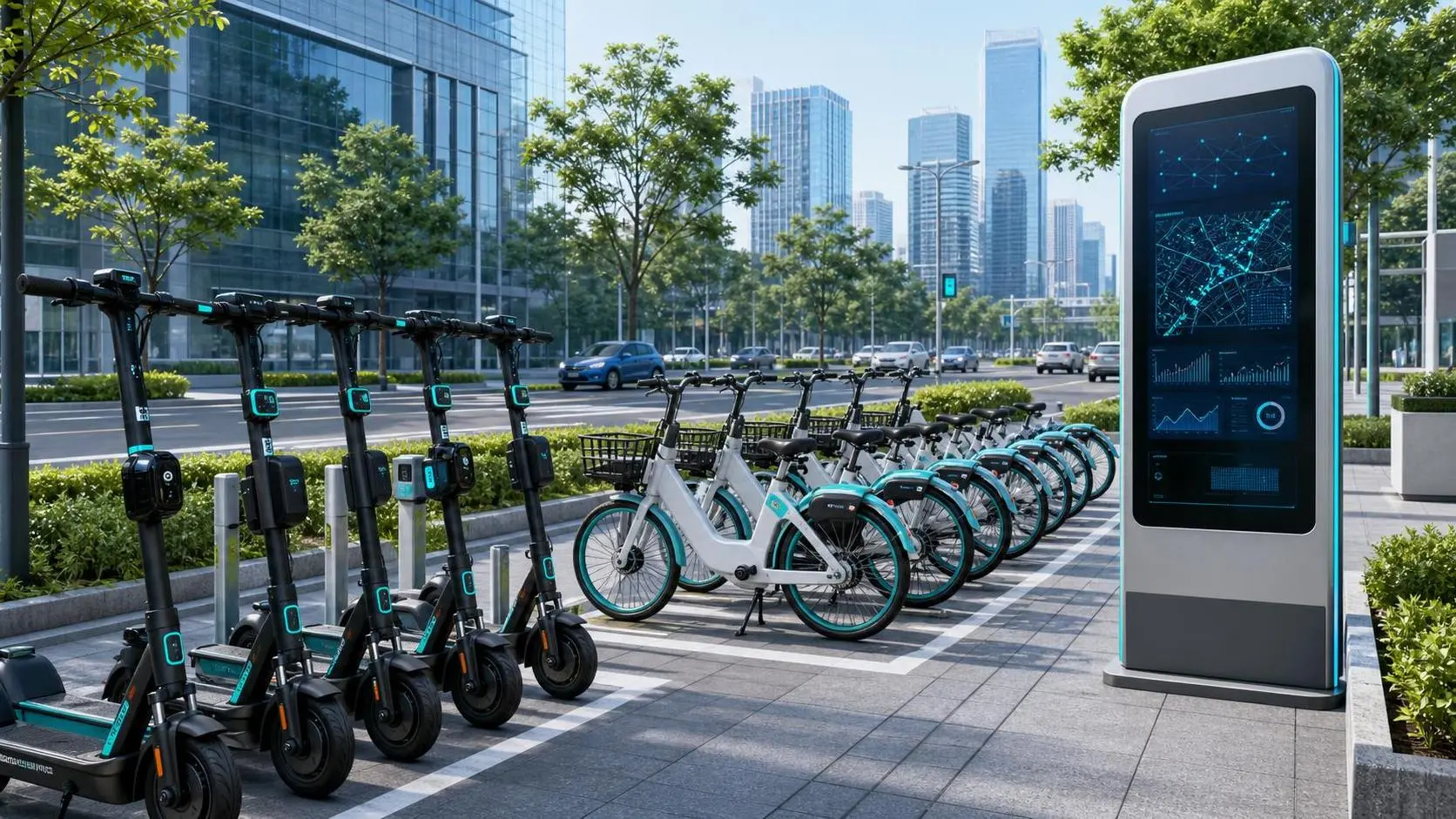
What Is the Intellectualization of Mobility Platform and How Is It Applied in Shared Fleets?
Intellectualization of mobility platform is reshaping shared fleets with real-time data, predictive maintenance, and smarter compliance—learn how it boosts safety, uptime, and urban mobility efficiency.
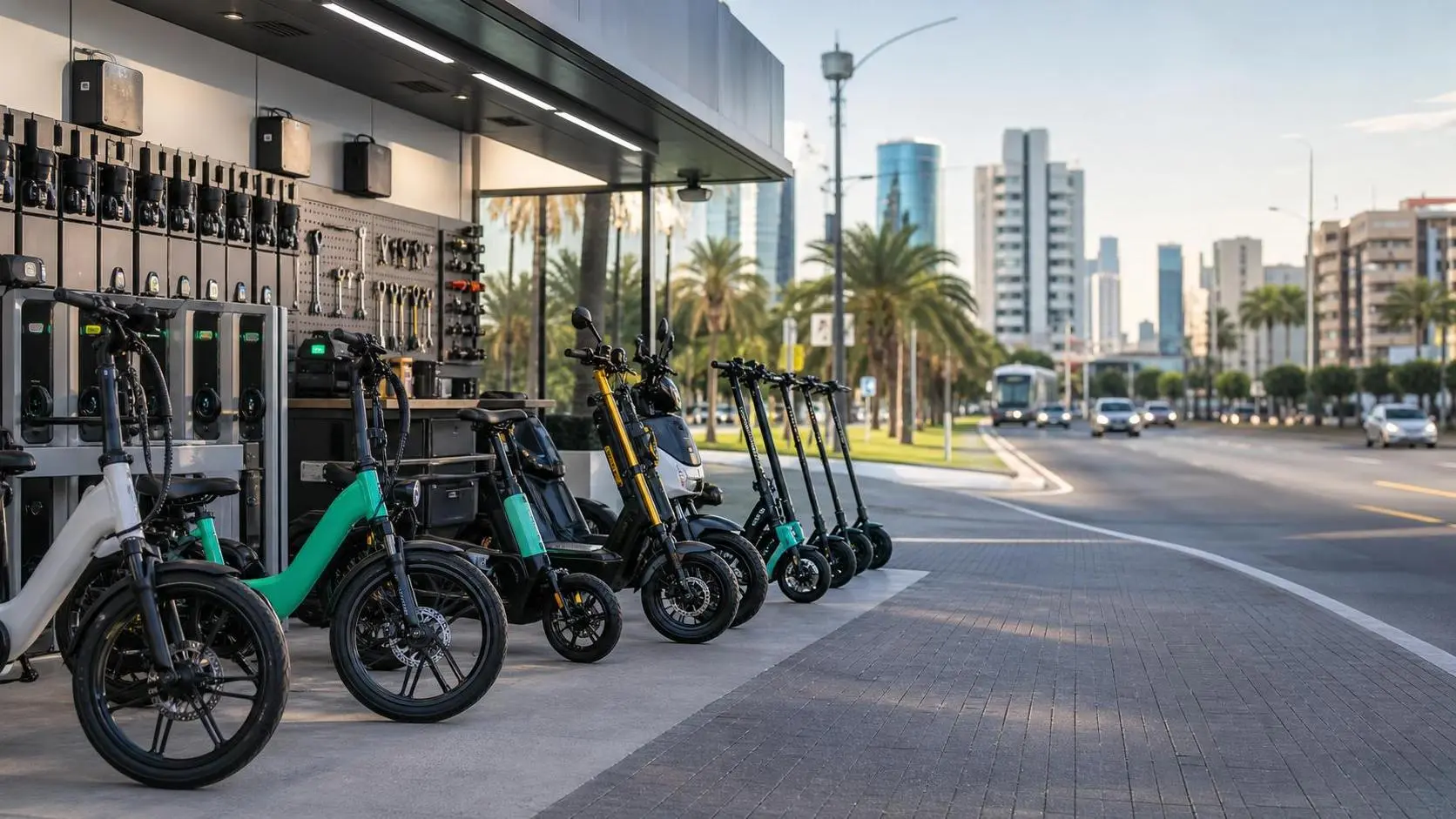
Urban Micro-Mobility Systems in Latin America: Key Market Drivers, Barriers, and Growth Segments
Urban micro-mobility systems Latin America are reshaping city transport. Explore key drivers, barriers, and high-growth segments to spot the region’s most investable opportunities.
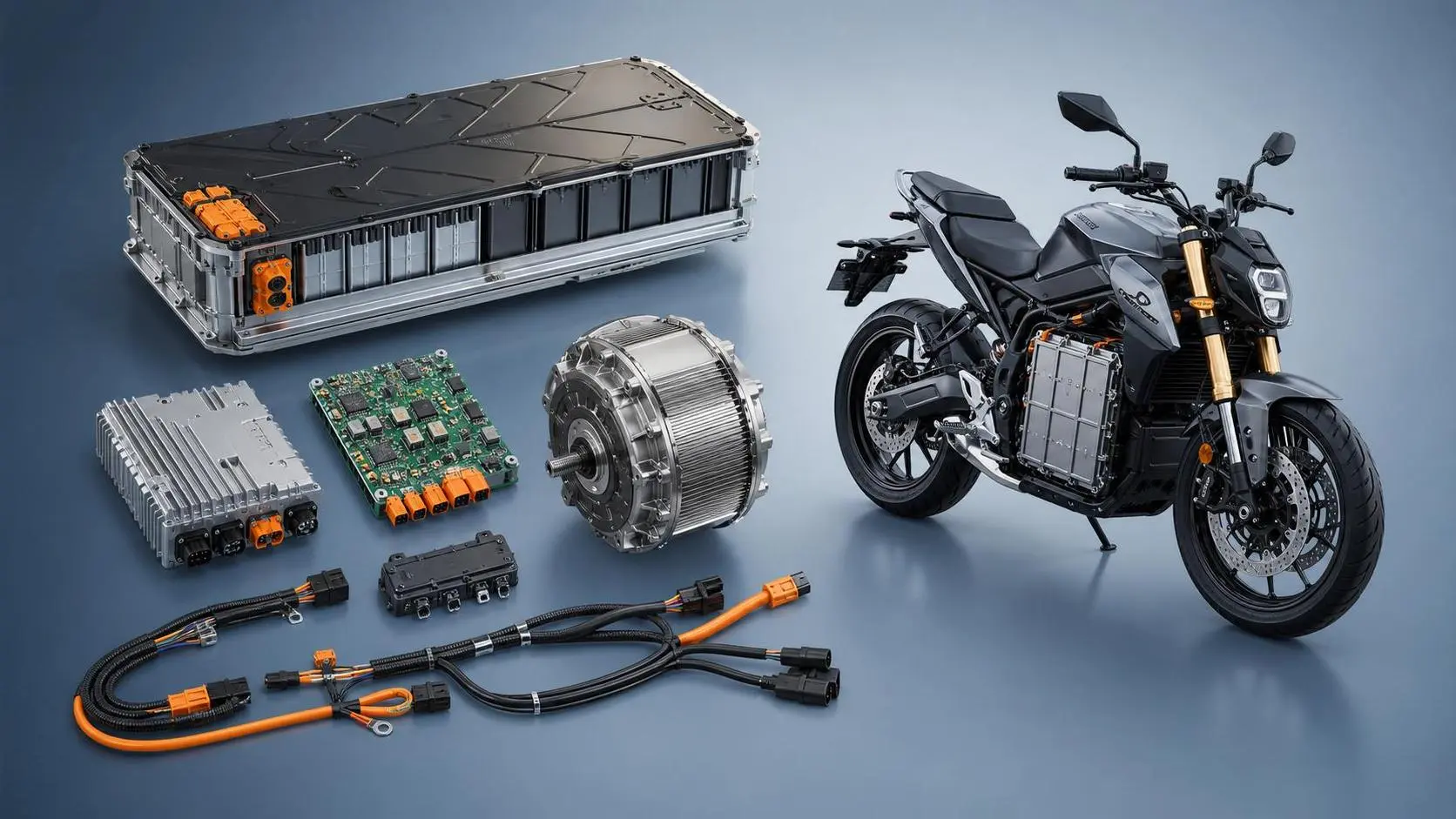
Electric Motorcycle Systems Price Breakdown: What Affects Cost From Battery to Controller?
Electric motorcycle systems price explained: see how battery, controller, motor, BMS, and wiring affect total cost, reliability, and sourcing value before you buy.
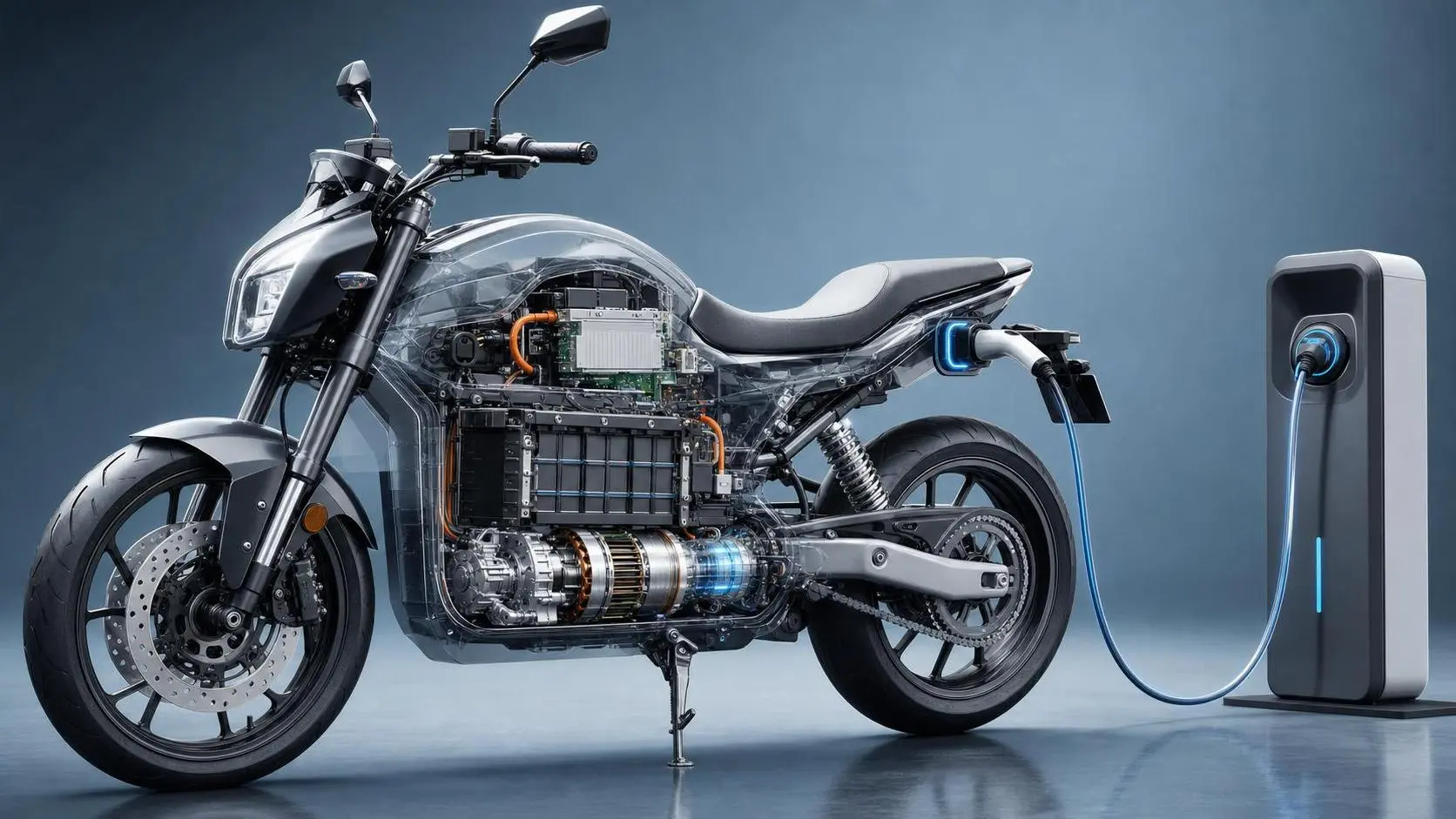
72V Electric Motorcycle Technology Explained: Motors, Controllers, Range, and Charging
Electric motorcycle technology 72V explained clearly: compare motors, controllers, range, battery design, and charging to choose a smoother, stronger, and smarter electric ride.