
Related News
- 00
0000-00
How to Choose Urban Commuting E-bikes for Rental Fleets by Range, Durability, and Serviceability - 00
0000-00
E-Bike Component Selection: How to Evaluate a Torque Sensor for Commuting and Cargo Use - 00
0000-00
What Drives Low Carbon E-bike Price: Materials, Battery Specs, and Compliance Costs - 00
0000-00
Utility Maximization in E-bikes: Which Motor, Battery, and Range Trade-offs Matter Most? - 00
0000-00
Brushless Motor for Scooters: How to Compare Power, Torque, and Efficiency
Micro-Mobility Strategist
Weekly Insights
Stay ahead with our curated technology reports delivered every Monday.
2026 E-Bike Technology Trends Shaping City Commutes





From smarter batteries to connected safety systems, e-bike technology is set to redefine urban commuting in 2026.
For business decision-making, these shifts matter because regulation, rider expectations, and component innovation are converging faster than before.
Within the broader micro-mobility ecosystem, e-bike technology now sits at the center of urban efficiency, decarbonization, and connected transport strategy.
This article outlines the 2026 trends shaping city commutes and explains their practical significance across design, supply chains, infrastructure, and market positioning.
Understanding the 2026 Direction of E-Bike Technology
E-bike technology combines electric drive systems, battery management, sensors, software, and mechanical efficiency into one urban mobility platform.
In 2026, the category is moving beyond basic pedal assist.
The next phase emphasizes intelligence, safety, energy optimization, serviceability, and compliance with city transport rules.
That means an e-bike is no longer judged only by range or top speed.
It is evaluated by software integration, charging logic, theft protection, rider data, motor response, and lifecycle cost.
This broader definition places e-bike technology alongside smart e-scooters, connected traffic systems, and urban electrification planning.
Industry Signals Reshaping City Commutes
Several forces are accelerating the adoption of advanced e-bike technology in cities worldwide.
- Congestion is increasing demand for compact, flexible mobility.
- Carbon reduction policies are supporting electrified short-distance transport.
- Battery prices and power electronics continue to improve.
- Cities are developing bike lanes, parking zones, and charging pilots.
- Insurance and safety rules are driving better component standards.
- Fleet operators want telematics, uptime, and predictive maintenance.
These signals show why e-bike technology is becoming a strategic layer in urban mobility systems rather than a standalone product segment.
Core E-Bike Technology Trends for 2026
Smarter Battery Management Systems
Battery intelligence is becoming one of the most decisive parts of e-bike technology.
In 2026, systems are expected to deliver better state-of-charge accuracy, safer thermal balancing, and improved cell health prediction.
This reduces warranty risk and supports longer service intervals.
Higher Efficiency Mid-Drive and Hub Motors
Motor development is focusing on torque smoothness, noise reduction, and efficiency under stop-start urban conditions.
Mid-drive systems remain attractive for premium commuting and cargo use.
Advanced hub motors continue gaining ground where simplicity and lower maintenance are priorities.
Connected Safety and Anti-Theft Functions
Connected e-bike technology now includes GPS tracking, motion alarms, geofencing, crash alerts, and remote locking.
These features align with city concerns around theft, rider safety, and fleet control.
Integration with mobile platforms is becoming a standard expectation rather than a premium option.
Sensor-Driven Adaptive Assistance
Pedal torque sensors, cadence detection, incline sensing, and route-aware assistance are making rides more natural and energy efficient.
This area of e-bike technology improves comfort without increasing rider complexity.
It also supports better battery optimization in dense urban travel patterns.
Modular Drivetrain and Service-Friendly Design
The market is placing more value on replaceable modules, standardized connectors, and easier maintenance access.
For city fleets and high-use commuters, uptime can matter more than peak specification.
That is pushing e-bike technology toward practical engineering instead of feature overload.
Business Value Across the Urban Mobility Chain
The value of e-bike technology extends well beyond the vehicle itself.
It influences component sourcing, after-sales service, digital subscriptions, insurance models, and mobility platform integration.
For market strategy, the strongest opportunities often appear where hardware and data capabilities connect.
- Battery analytics can improve residual value forecasting.
- Connected diagnostics can reduce service downtime.
- Software updates can extend product relevance after sale.
- Safety data can support better insurance alignment.
- Component standardization can strengthen global expansion.
For intelligence-driven platforms such as UMMS, these intersections define where competitive positioning becomes defensible and scalable.
Typical Urban Use Cases and Technology Priorities
Different city applications require different priorities within e-bike technology.
This segmentation matters because not every e-bike technology investment creates equal value in every mobility context.
Practical Considerations for 2026 Planning
Strong planning starts with realistic assumptions about regulation, interoperability, and service capacity.
- Track local classification rules for speed, power, and road access.
- Evaluate battery certifications and thermal safety pathways early.
- Prioritize secure firmware architecture and data privacy controls.
- Assess repair ecosystems before scaling connected features.
- Compare lifecycle economics, not only initial unit cost.
- Use pilot deployments to validate rider behavior and maintenance assumptions.
The most resilient e-bike technology strategies balance innovation with regulation-ready execution and long-term service reliability.
Strategic Outlook for City Mobility
By 2026, e-bike technology will increasingly function as infrastructure-linked mobility intelligence rather than simple electric transportation.
The market direction favors platforms that connect mechanical efficiency, battery logic, digital visibility, and urban policy alignment.
For those tracking the last-mile revolution, the next opportunity lies in understanding where component innovation meets system-level transport change.
Use 2026 planning to map technology priorities, compliance needs, and city use cases together.
That approach turns e-bike technology from a product trend into a measurable urban mobility advantage.
Related News
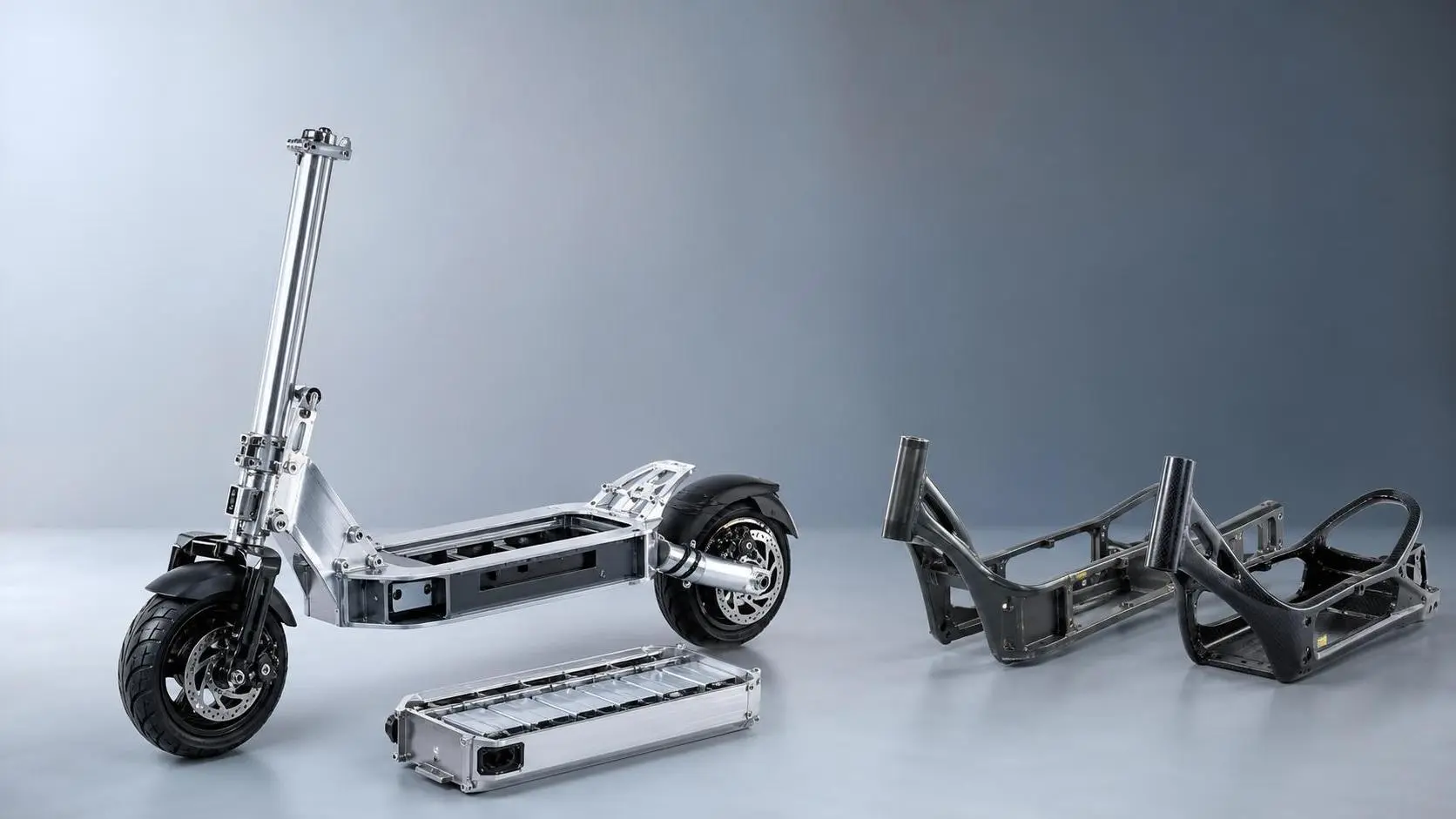
How to Choose Lightweight Scooter Frames in Europe: Materials, Standards, and Use Cases
Lightweight scooter frames Europe buyers need should balance materials, EN standards, durability, and real use cases. Discover how to choose safer, smarter, compliant frames.
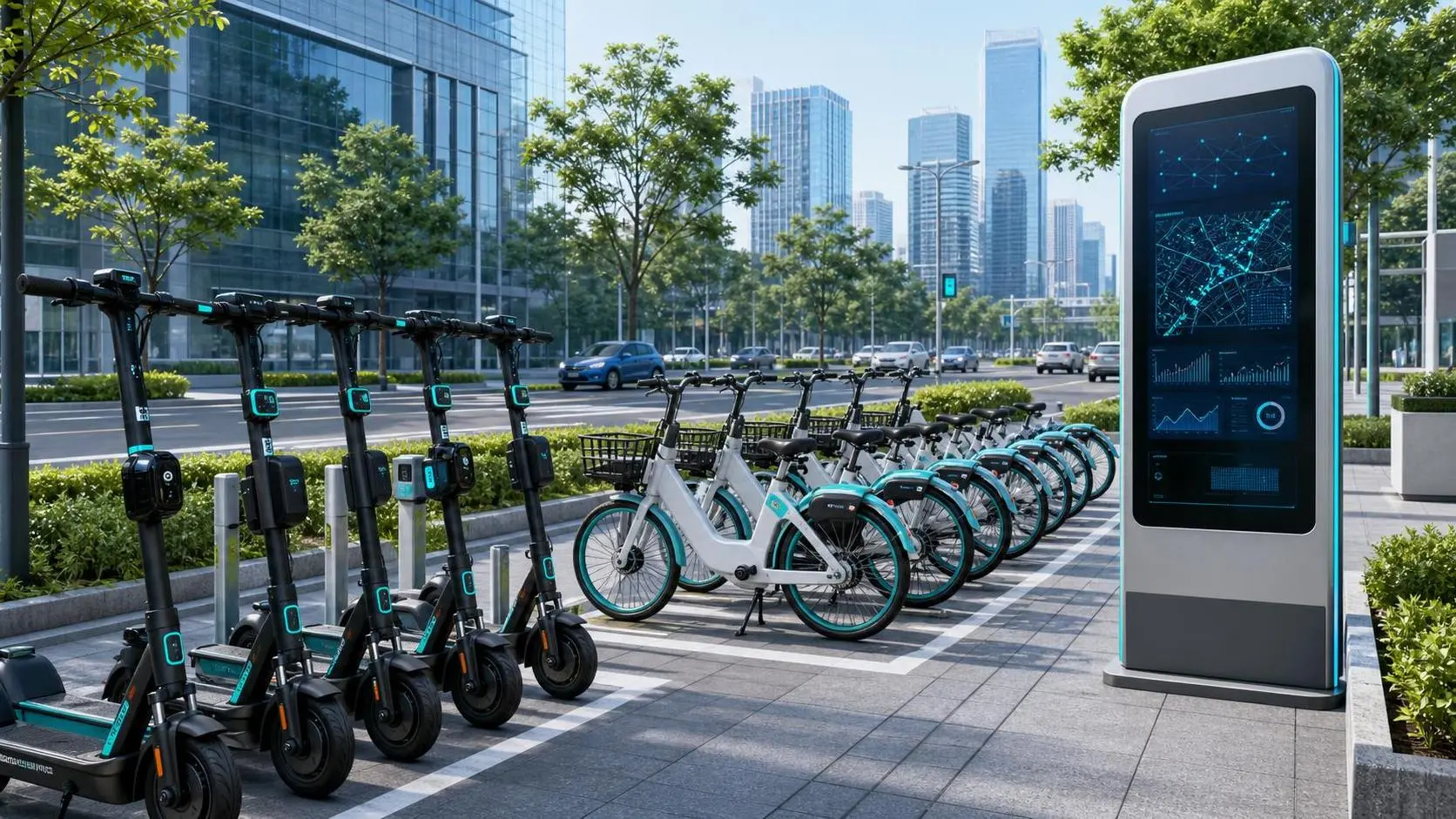
What Is the Intellectualization of Mobility Platform and How Is It Applied in Shared Fleets?
Intellectualization of mobility platform is reshaping shared fleets with real-time data, predictive maintenance, and smarter compliance—learn how it boosts safety, uptime, and urban mobility efficiency.
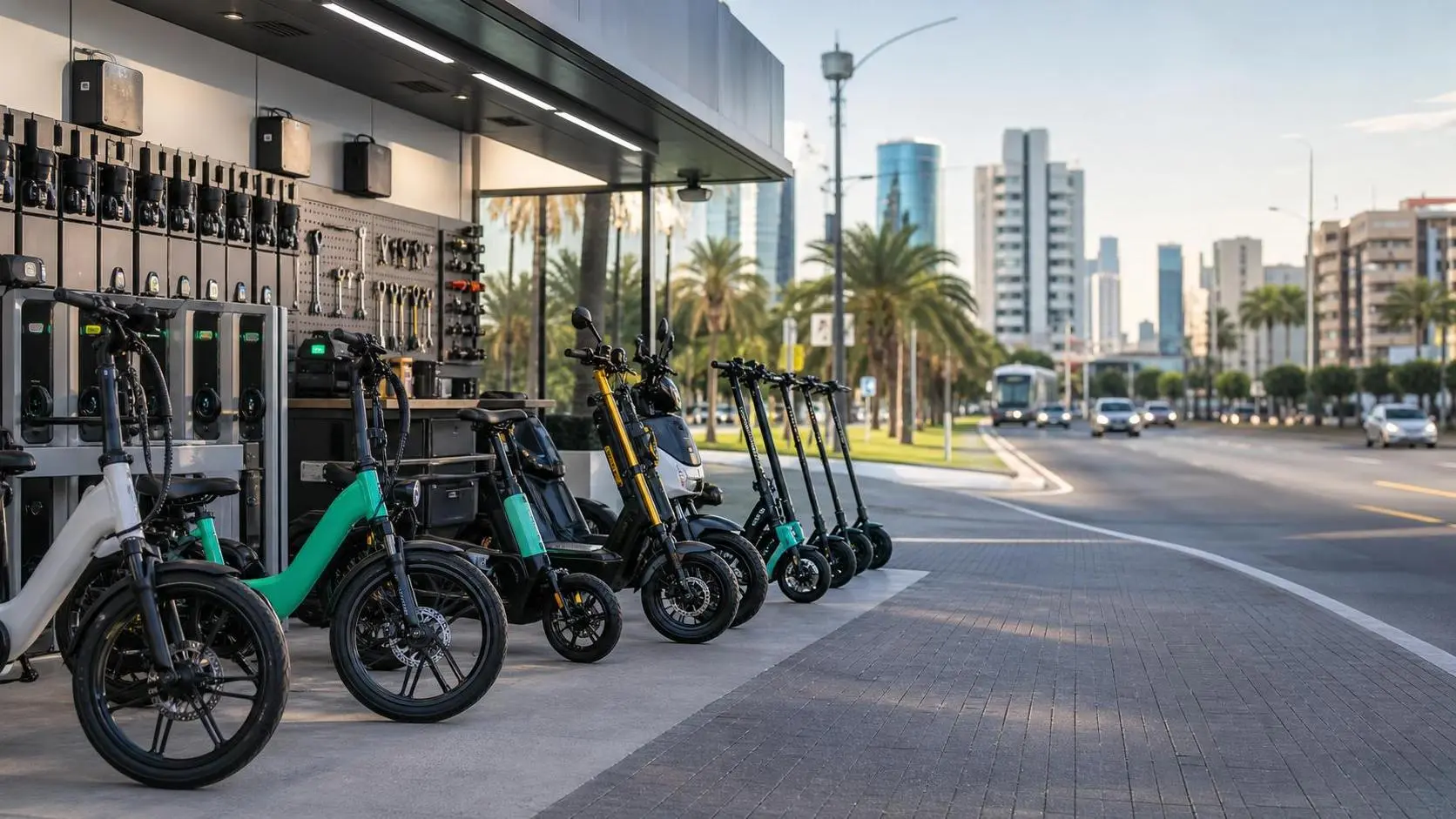
Urban Micro-Mobility Systems in Latin America: Key Market Drivers, Barriers, and Growth Segments
Urban micro-mobility systems Latin America are reshaping city transport. Explore key drivers, barriers, and high-growth segments to spot the region’s most investable opportunities.
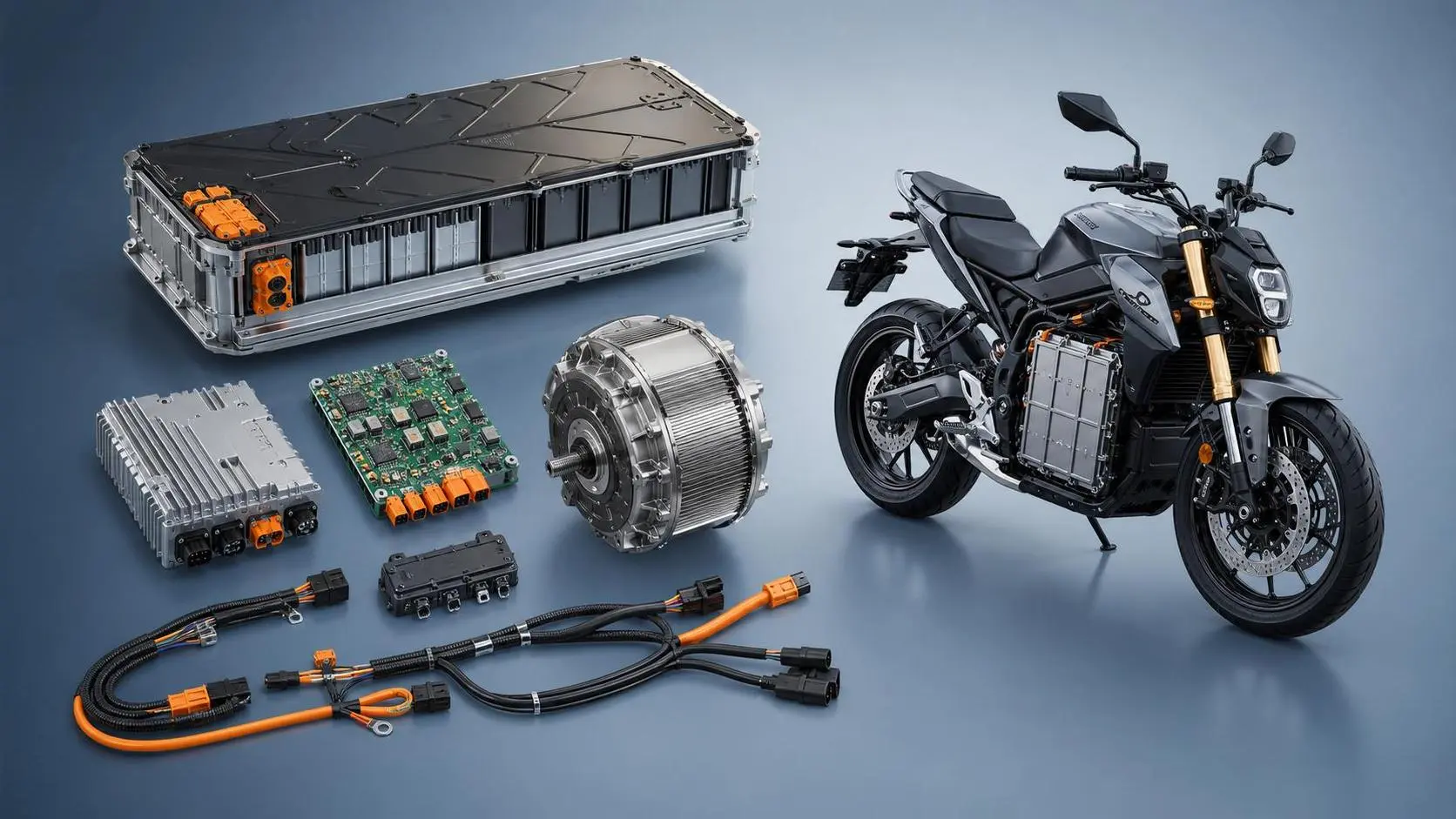
Electric Motorcycle Systems Price Breakdown: What Affects Cost From Battery to Controller?
Electric motorcycle systems price explained: see how battery, controller, motor, BMS, and wiring affect total cost, reliability, and sourcing value before you buy.
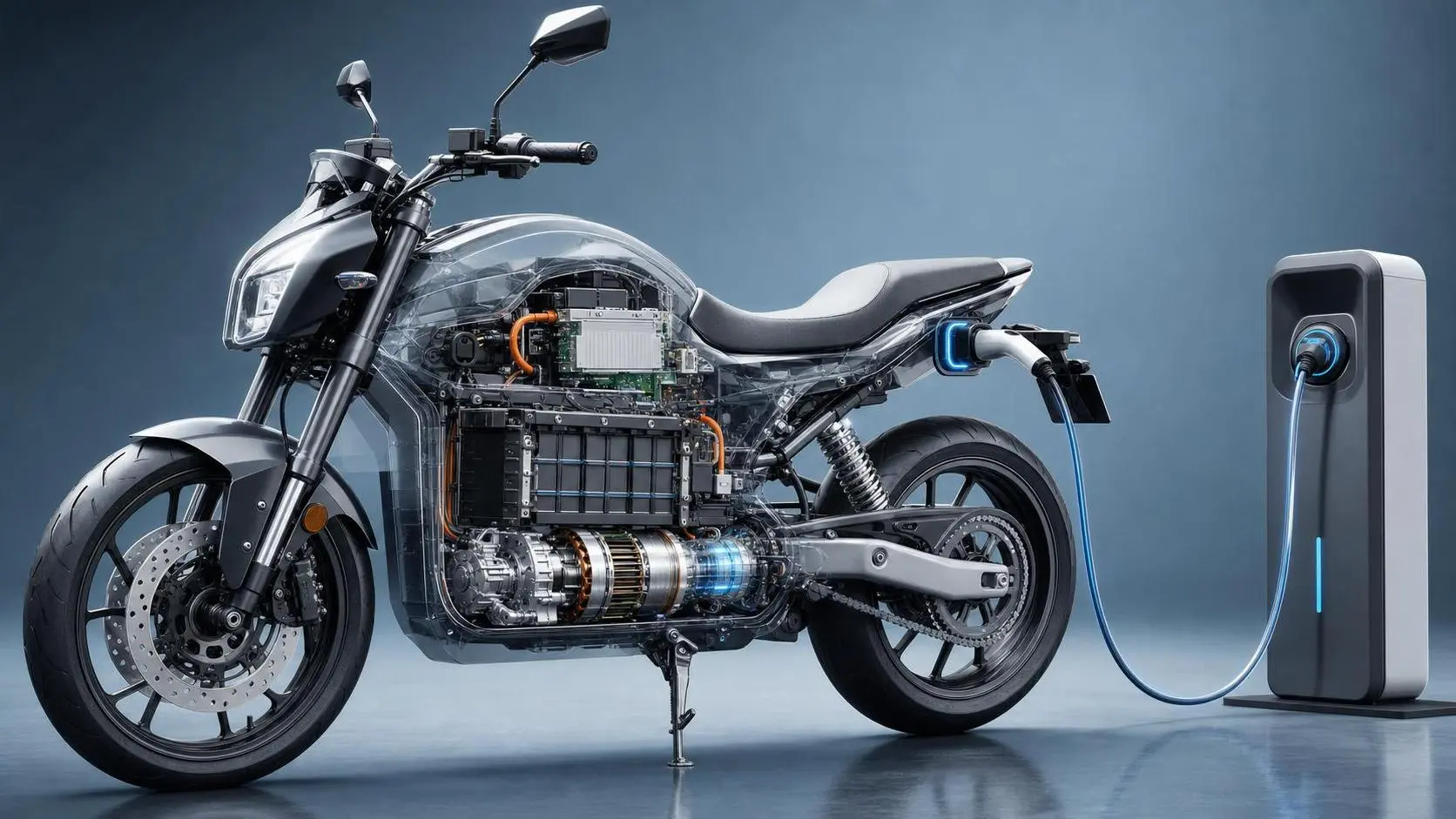
72V Electric Motorcycle Technology Explained: Motors, Controllers, Range, and Charging
Electric motorcycle technology 72V explained clearly: compare motors, controllers, range, battery design, and charging to choose a smoother, stronger, and smarter electric ride.
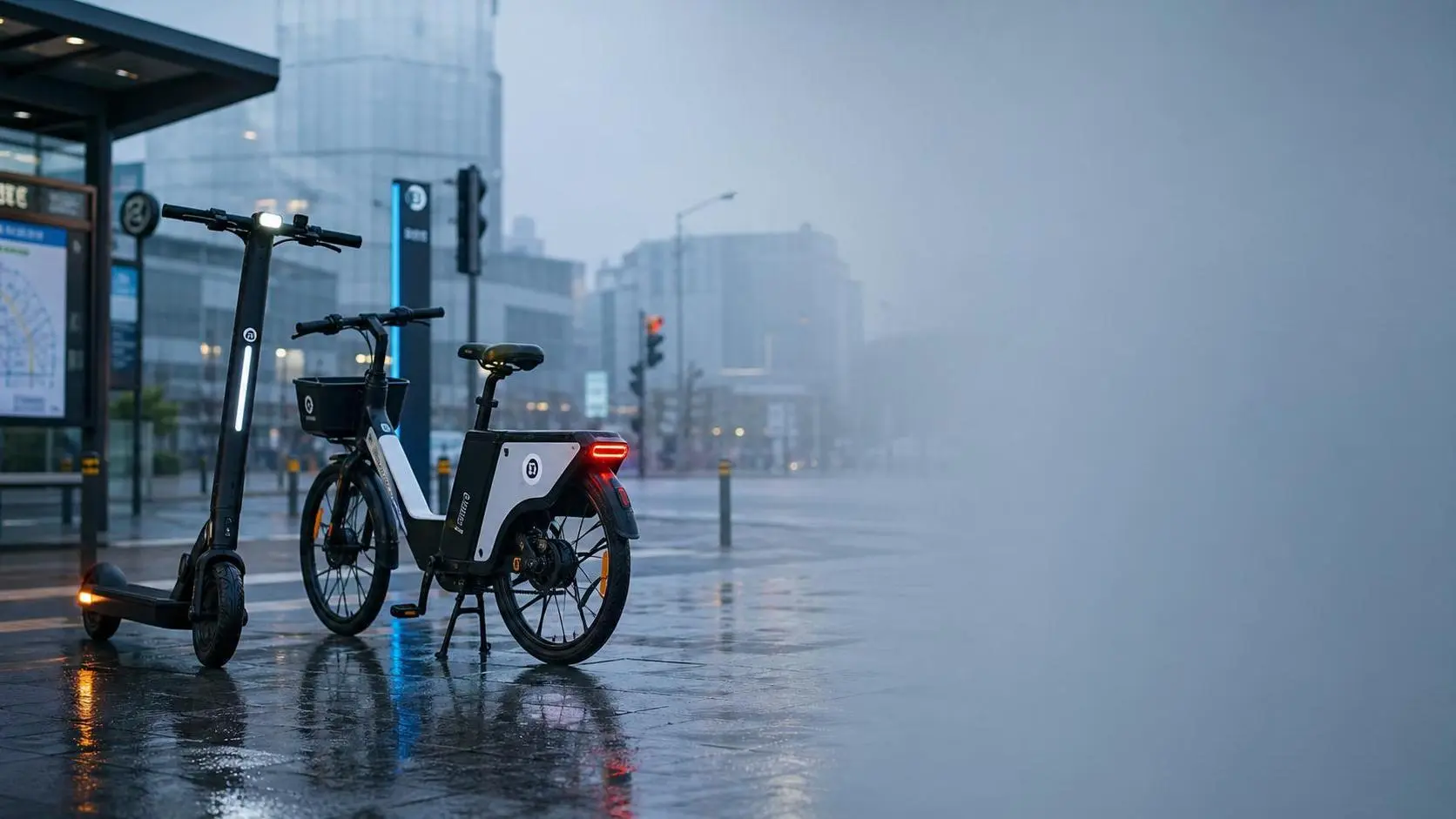
Where LED Urban Visibility Safety Systems Fit Best in Shared Scooters and City E-bikes
LED urban visibility safety systems deliver the most value in shared scooters and city e-bikes by improving multi-angle safety, fleet durability, and urban compliance across real-world routes.
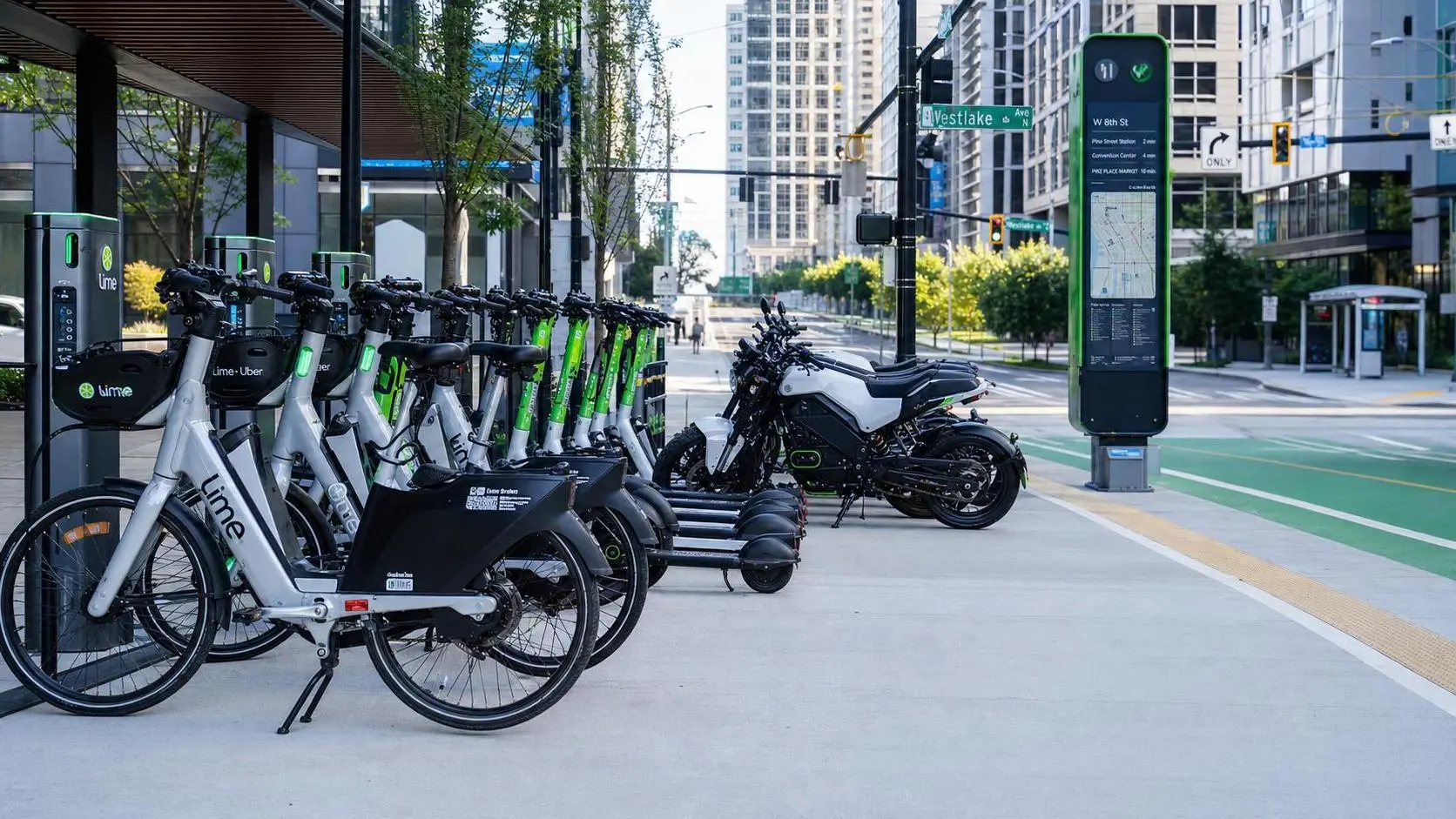
Intellectualization of Mobility in North America: What Is Driving Adoption Across Urban Transport?
Intellectualization of mobility North America is reshaping urban transport through data, smart fleets, and battery intelligence. Explore what is driving adoption and why cities and operators are accelerating now.
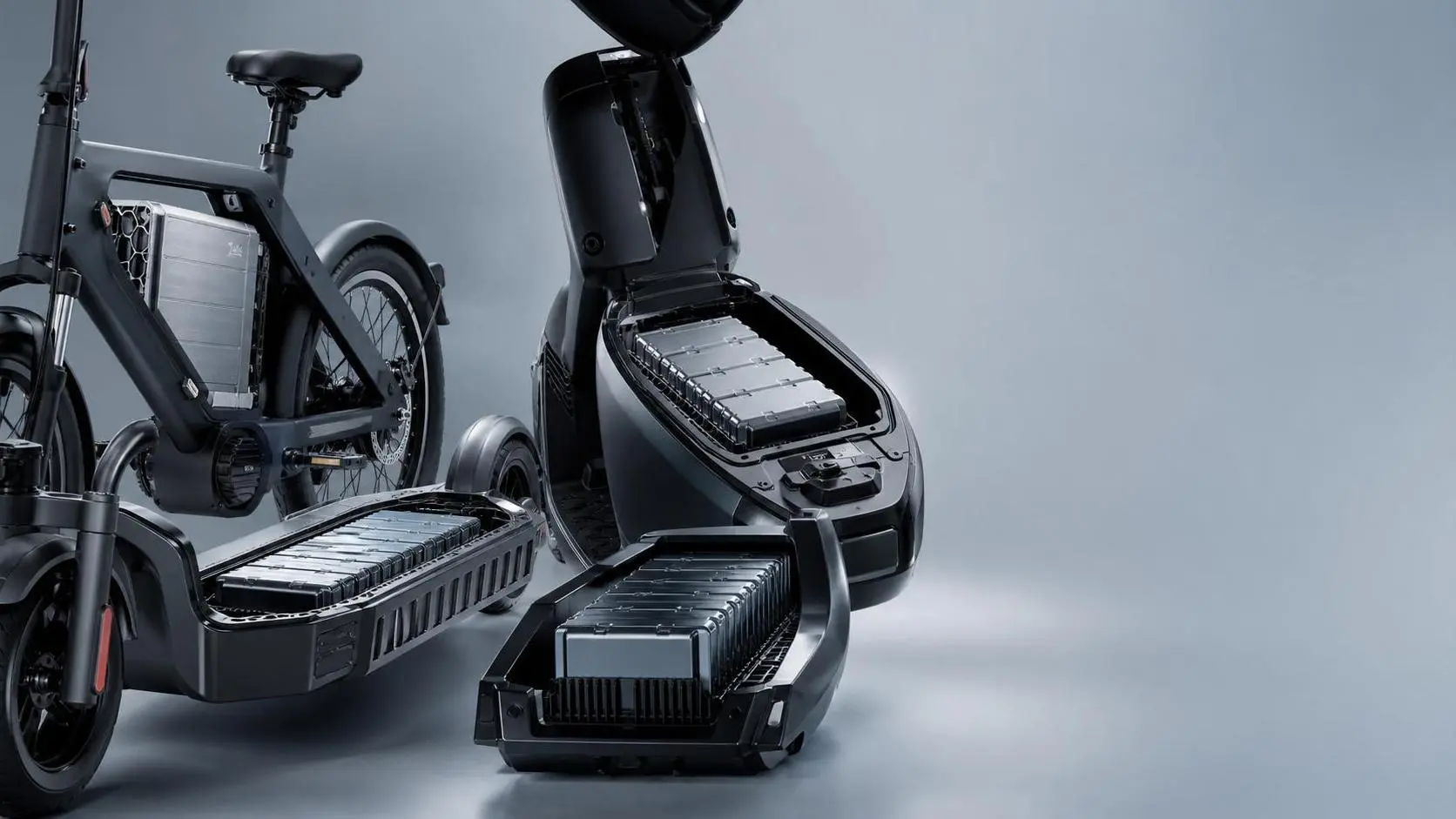
How to Choose a Compact Battery Pack: Size, Energy Density, Thermal Design, and Cycle Life
Compact battery pack selection starts with more than size. Learn how energy density, thermal design, and cycle life shape range, safety, and long-term value.
What Is Driving Green Two-wheelers Demand in Europe? Policy, Fuel Costs, and Buyer Segments
Green two-wheelers demand Europe is rising as policy support, fuel cost pressure, and diverse buyer segments reshape urban mobility. Explore the trends driving the next growth wave.