
Related News
- 00
0000-00
How to Choose Urban Commuting E-bikes for Rental Fleets by Range, Durability, and Serviceability - 00
0000-00
E-Bike Component Selection: How to Evaluate a Torque Sensor for Commuting and Cargo Use - 00
0000-00
What Drives Low Carbon E-bike Price: Materials, Battery Specs, and Compliance Costs - 00
0000-00
Utility Maximization in E-bikes: Which Motor, Battery, and Range Trade-offs Matter Most? - 00
0000-00
Brushless Motor for Scooters: How to Compare Power, Torque, and Efficiency
Micro-Mobility Strategist
Weekly Insights
Stay ahead with our curated technology reports delivered every Monday.
Micro-Light Technology in Commuter E-Bikes: Benefits, Limits, and Use Cases





As commuter e-bikes evolve from simple assisted bicycles into data-driven urban mobility systems, micro-light technology is becoming a key lens for evaluating efficiency, portability, and real-world usability.
By combining lightweight materials, compact power electronics, optimized batteries, and integrated control logic, this approach promises better range, easier handling, and lower lifecycle energy demand.
Yet its value depends on use case, rider profile, cost tolerance, and infrastructure conditions.
This article examines the benefits, limits, and practical applications of micro-light technology in commuter e-bikes for researchers tracking the next phase of urban micro-mobility.
What Does Micro-Light Technology Mean in Commuter E-Bikes?
Micro-light technology is not a single component or marketing label.
It describes a design philosophy that reduces weight while preserving safety, ride quality, and daily transport reliability.
In commuter e-bikes, micro-light technology usually combines four engineering layers.
- Lightweight frames using aluminum alloys, carbon composites, or optimized steel geometries.
- Compact motors with high torque density and refined thermal control.
- Battery packs designed for energy density, modular service, and safe urban charging.
- Integrated electronics that reduce wiring, housing bulk, and unnecessary power loss.
The goal is not always to build the lightest possible e-bike.
A commuter bike must survive potholes, rain, theft risk, racks, elevators, and repeated stop-start riding.
Therefore, micro-light technology works best when mass reduction is balanced with durability and maintainability.
For urban mobility systems, this balance matters more than headline weight.
A 17 kg e-bike that rides efficiently may outperform a fragile 13 kg model in real commuting.
Why Is Micro-Light Technology Valuable for Daily Commuting?
The first benefit of micro-light technology is practical handling.
Commuter e-bikes often move through stairs, apartment corridors, public transit entrances, and crowded parking zones.
Lower mass makes these small transitions easier and safer.
The second benefit is energy efficiency.
Every kilogram affects acceleration, climbing, braking, and battery consumption during dense urban travel.
Micro-light technology reduces the energy penalty of repeated traffic-light starts.
This can improve usable range without increasing battery size.
The third benefit is ride feel.
A lighter e-bike can feel closer to a traditional bicycle, especially above assistance cut-off speeds.
That matters in markets where regulations limit motor assistance to 25 km/h or similar thresholds.
The fourth benefit is lifecycle efficiency.
Smaller motors and batteries may reduce embedded material use when properly matched to commuting needs.
However, micro-light technology delivers this value only when components remain repairable and long-lived.
Where Does Micro-Light Technology Fit Best?
Micro-light technology fits several commuter e-bike scenarios especially well.
It is most useful when convenience, mixed transport, and moderate distances define the ride pattern.
Apartment-Based Urban Commuting
Many riders store bikes indoors because outdoor theft and weather exposure remain serious concerns.
Micro-light technology helps when an e-bike must be lifted into elevators or narrow storage rooms.
Integrated batteries and cleaner wiring also reduce snagging during daily handling.
Rail, Metro, and Bus Connections
A lighter commuter e-bike supports multimodal travel.
It can bridge the gap between home, transit stations, and final destinations.
Here, micro-light technology improves the last-mile experience without requiring full car replacement.
Short-to-Medium Daily Routes
Routes between 5 and 20 kilometers often benefit from smaller battery systems.
Micro-light technology can keep total bike mass low while providing enough assistance for hills and headwinds.
This avoids oversized packs that add cost and weight without daily value.
Corporate and Campus Mobility
Large campuses, hospitals, logistics parks, and business districts need quiet, low-emission internal movement.
Micro-light technology supports fleet usability where bikes are moved, charged, parked, and redeployed frequently.
What Are the Main Limits and Trade-Offs?
Micro-light technology creates meaningful benefits, but it also introduces trade-offs.
The most obvious limit is cost.
Advanced materials, compact drives, and integrated electronics often require tighter manufacturing control.
That can raise purchase price and replacement-part costs.
The second limit is load capacity.
A very light commuter e-bike may not suit heavy cargo, child seats, or rugged utility use.
Frame stiffness, wheel strength, rack standards, and brake capability must match actual loads.
The third limit is battery range under harsh conditions.
Cold weather, steep terrain, poor tire pressure, and aggressive acceleration can reduce expected performance.
Micro-light technology cannot override basic energy physics.
The fourth limit is service complexity.
Highly integrated displays, batteries, motors, and controllers may look clean but complicate repair.
A strong design should allow diagnostics, modular replacement, and software support beyond the warranty period.
How Should Micro-Light Technology Be Compared with Conventional E-Bike Design?
A conventional commuter e-bike often prioritizes robustness, larger batteries, and lower purchase cost.
That approach works well for long routes, heavy riders, and cargo-heavy daily use.
Micro-light technology takes a different path.
It prioritizes system optimization, reduced mass, and efficient integration.
Neither approach is universally superior.
The correct choice depends on route profile, parking conditions, budget, and service expectations.
- Choose micro-light technology for frequent lifting, multimodal trips, and compact storage.
- Choose heavier utility designs for cargo, poor roads, and demanding all-weather duty.
- Choose mid-weight models when comfort, durability, and price must be balanced.
In real purchasing decisions, total system weight should be viewed with component quality.
A lighter bike with weak wheels or underpowered brakes is not a better commuter tool.
Micro-light technology must support confidence, not only portability.
What Should Be Checked Before Selecting a Micro-Light Commuter E-Bike?
Selection should begin with the daily route, not the specification sheet.
Distance, gradients, road surface, charging access, and parking security shape the ideal configuration.
Micro-light technology becomes more valuable when these conditions favor portability and efficiency.
Battery capacity should match real commuting demand.
For many urban routes, moderate capacity with fast, safe charging is better than excessive battery mass.
Motor choice should match terrain and local regulation.
Compact hub motors may suit flat cities, while mid-drive systems can support hilly routes.
Connectivity features also deserve scrutiny.
GPS, app controls, anti-theft alerts, and diagnostics can improve ownership.
Yet over-integration can add dependency on proprietary software.
A strong micro-light technology platform should remain usable even when apps or cloud services change.
FAQ: Practical Answers About Micro-Light Technology
Conclusion: Turning Micro-Light Technology into Real Mobility Value
Micro-light technology is shaping the next stage of commuter e-bike development.
Its value comes from balanced engineering, not isolated weight reduction.
The strongest designs combine efficient motors, right-sized batteries, durable frames, and repairable electronics.
For urban micro-mobility, the practical question is simple.
Does the e-bike make daily travel easier, cleaner, safer, and more dependable?
If the answer is yes, micro-light technology becomes more than a specification.
It becomes a foundation for efficient low-carbon urban movement.
The next step is to map route needs, compare component architecture, review service options, and test real handling before selection.
That process turns micro-light technology into a practical commuting advantage rather than a headline claim.
Related News
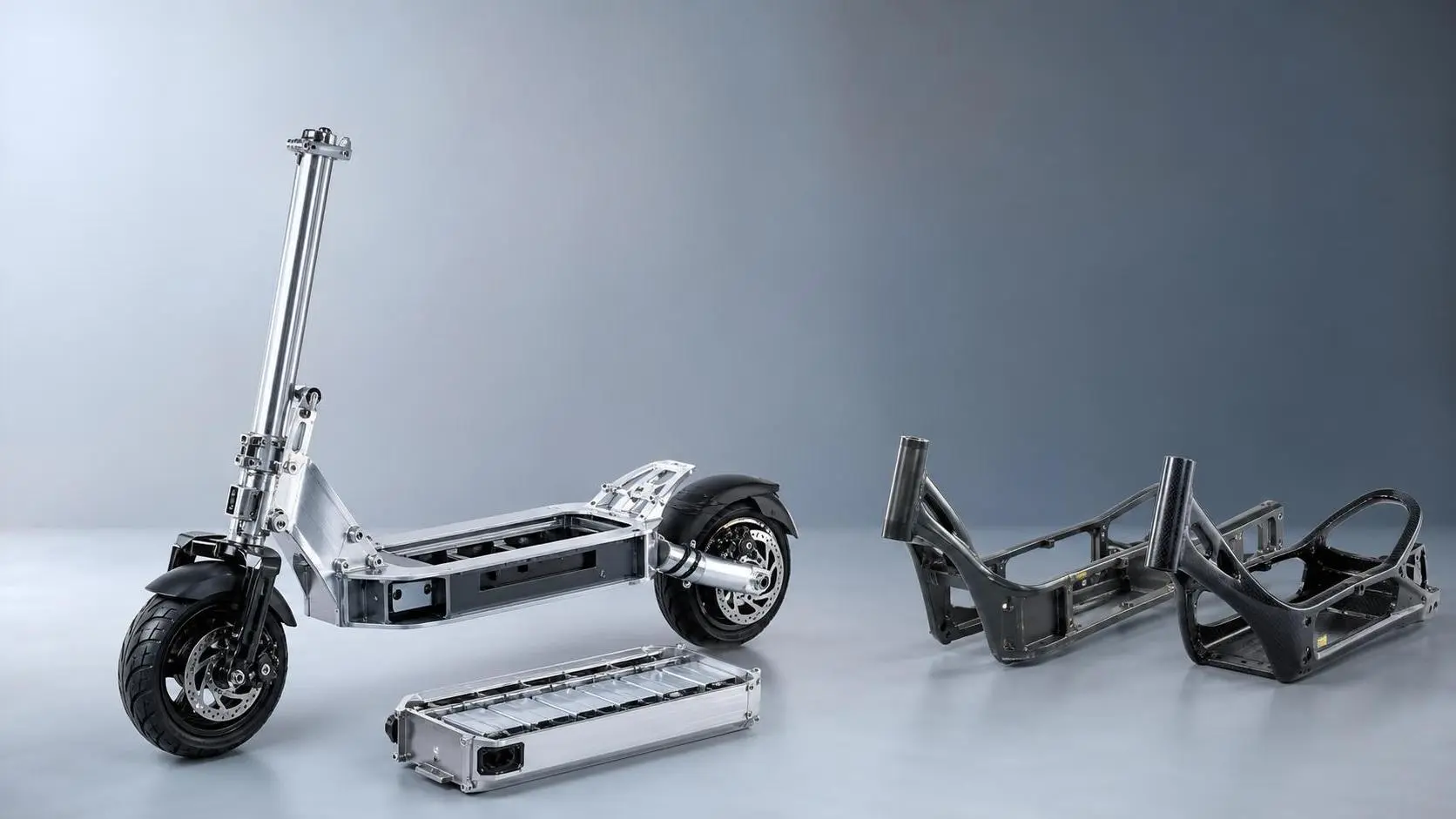
How to Choose Lightweight Scooter Frames in Europe: Materials, Standards, and Use Cases
Lightweight scooter frames Europe buyers need should balance materials, EN standards, durability, and real use cases. Discover how to choose safer, smarter, compliant frames.
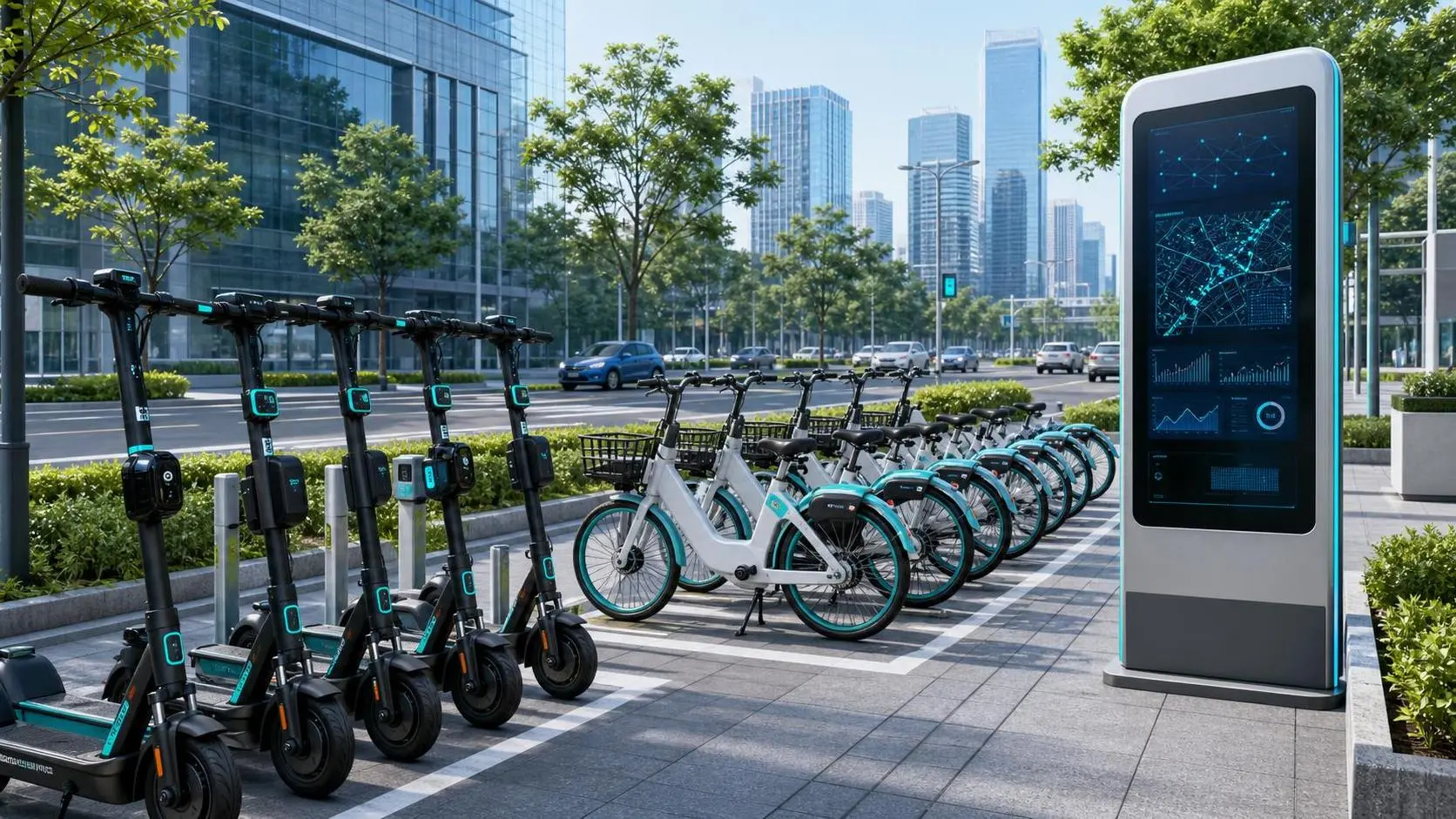
What Is the Intellectualization of Mobility Platform and How Is It Applied in Shared Fleets?
Intellectualization of mobility platform is reshaping shared fleets with real-time data, predictive maintenance, and smarter compliance—learn how it boosts safety, uptime, and urban mobility efficiency.
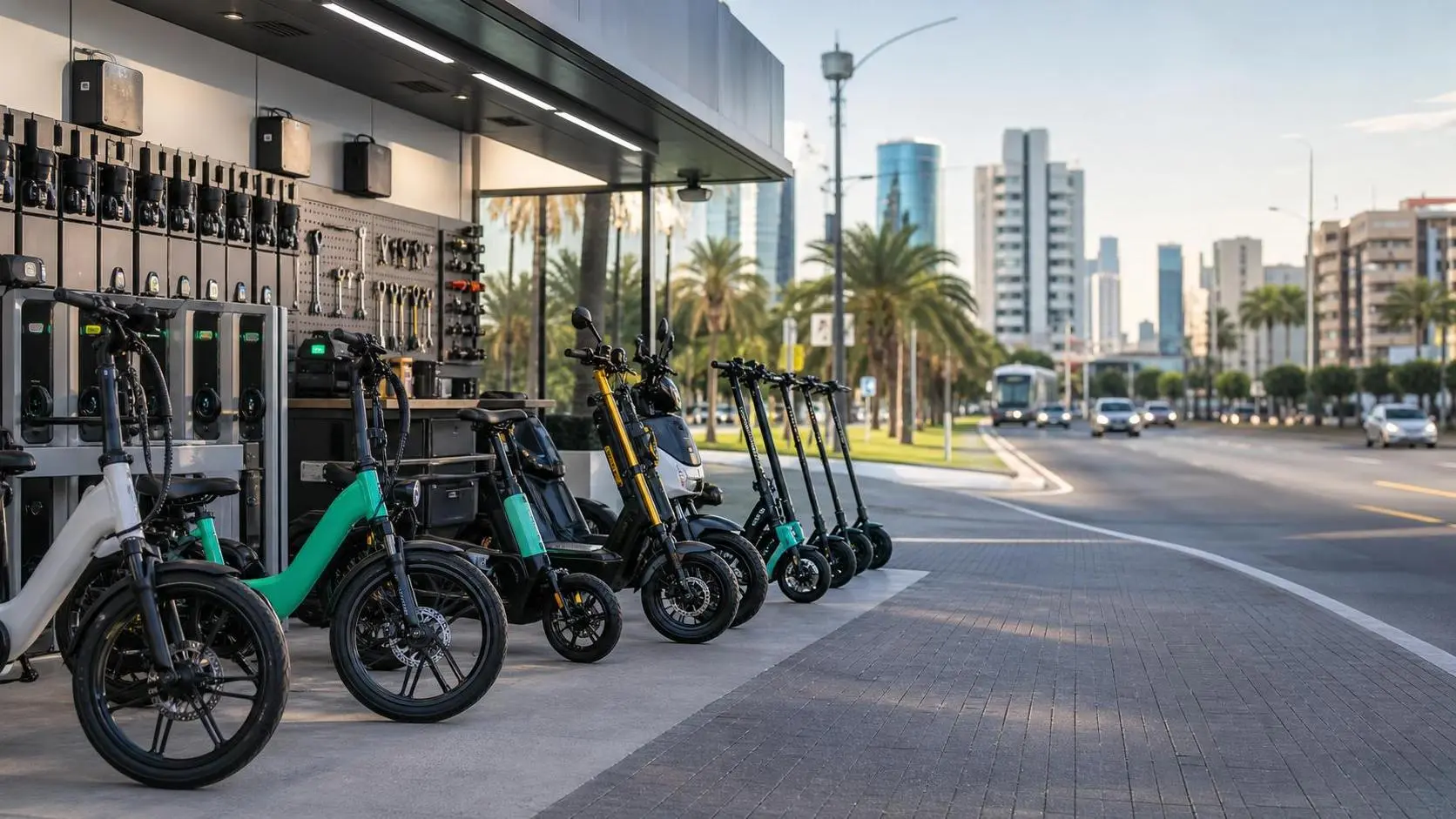
Urban Micro-Mobility Systems in Latin America: Key Market Drivers, Barriers, and Growth Segments
Urban micro-mobility systems Latin America are reshaping city transport. Explore key drivers, barriers, and high-growth segments to spot the region’s most investable opportunities.
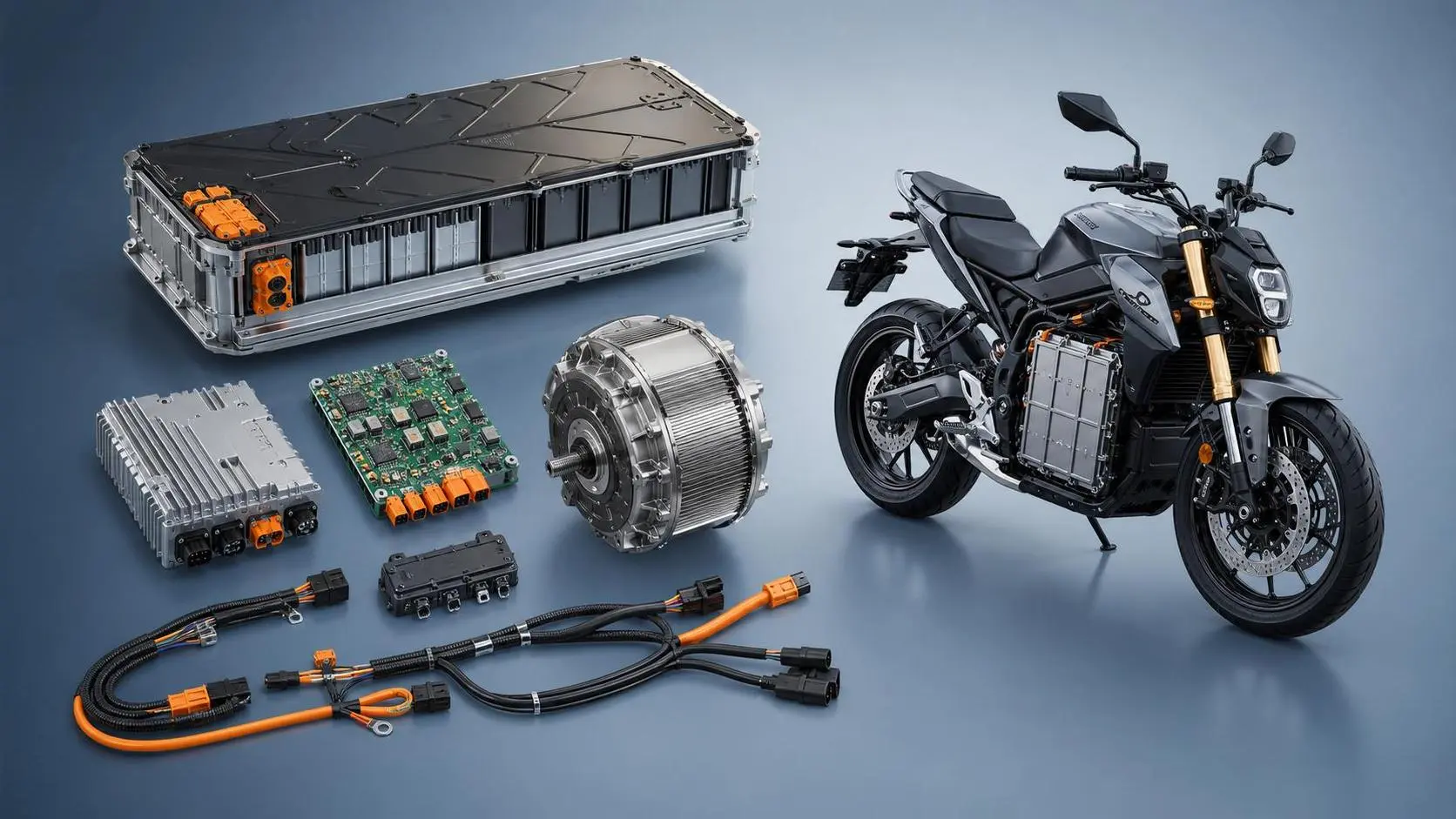
Electric Motorcycle Systems Price Breakdown: What Affects Cost From Battery to Controller?
Electric motorcycle systems price explained: see how battery, controller, motor, BMS, and wiring affect total cost, reliability, and sourcing value before you buy.
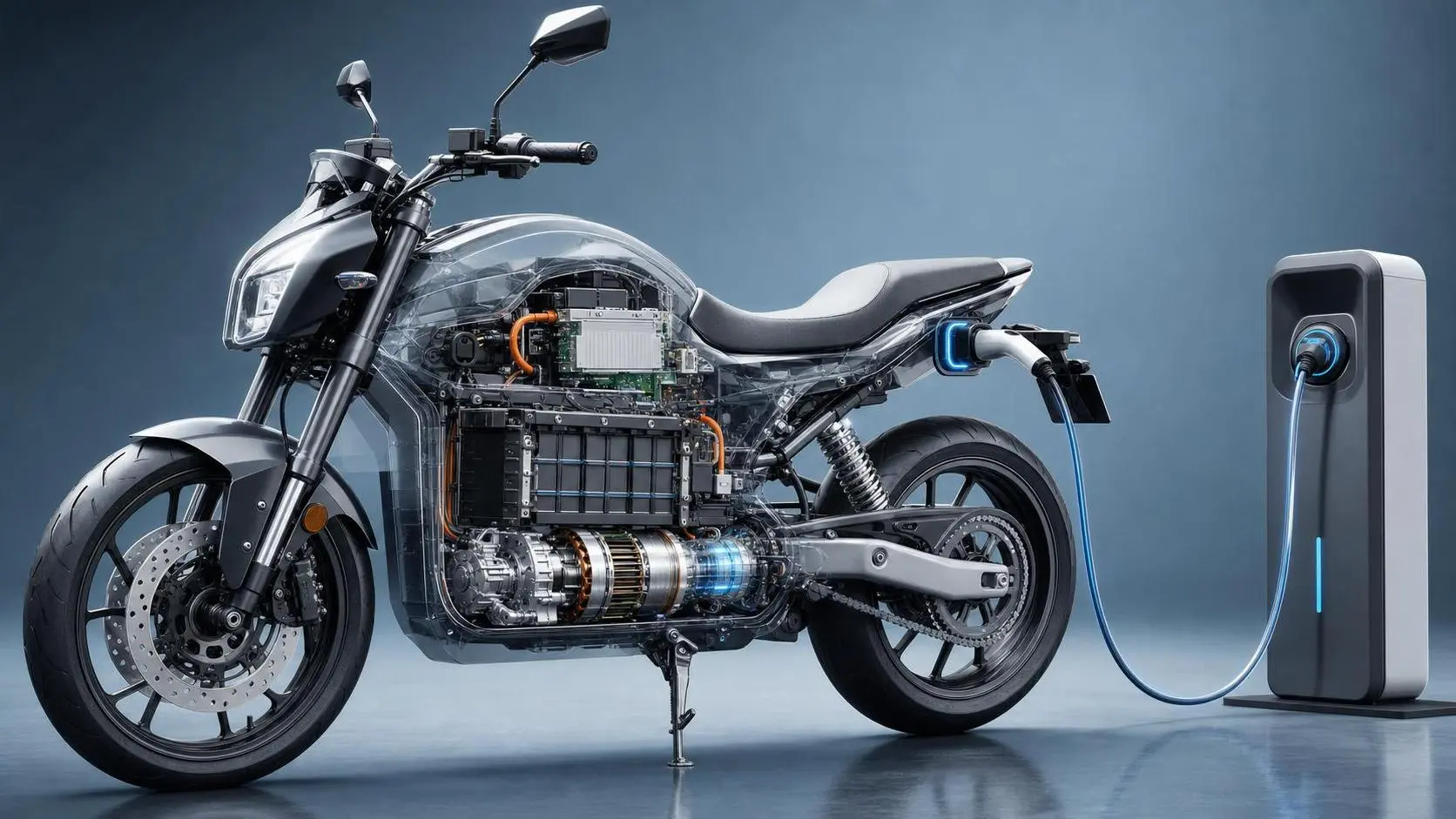
72V Electric Motorcycle Technology Explained: Motors, Controllers, Range, and Charging
Electric motorcycle technology 72V explained clearly: compare motors, controllers, range, battery design, and charging to choose a smoother, stronger, and smarter electric ride.
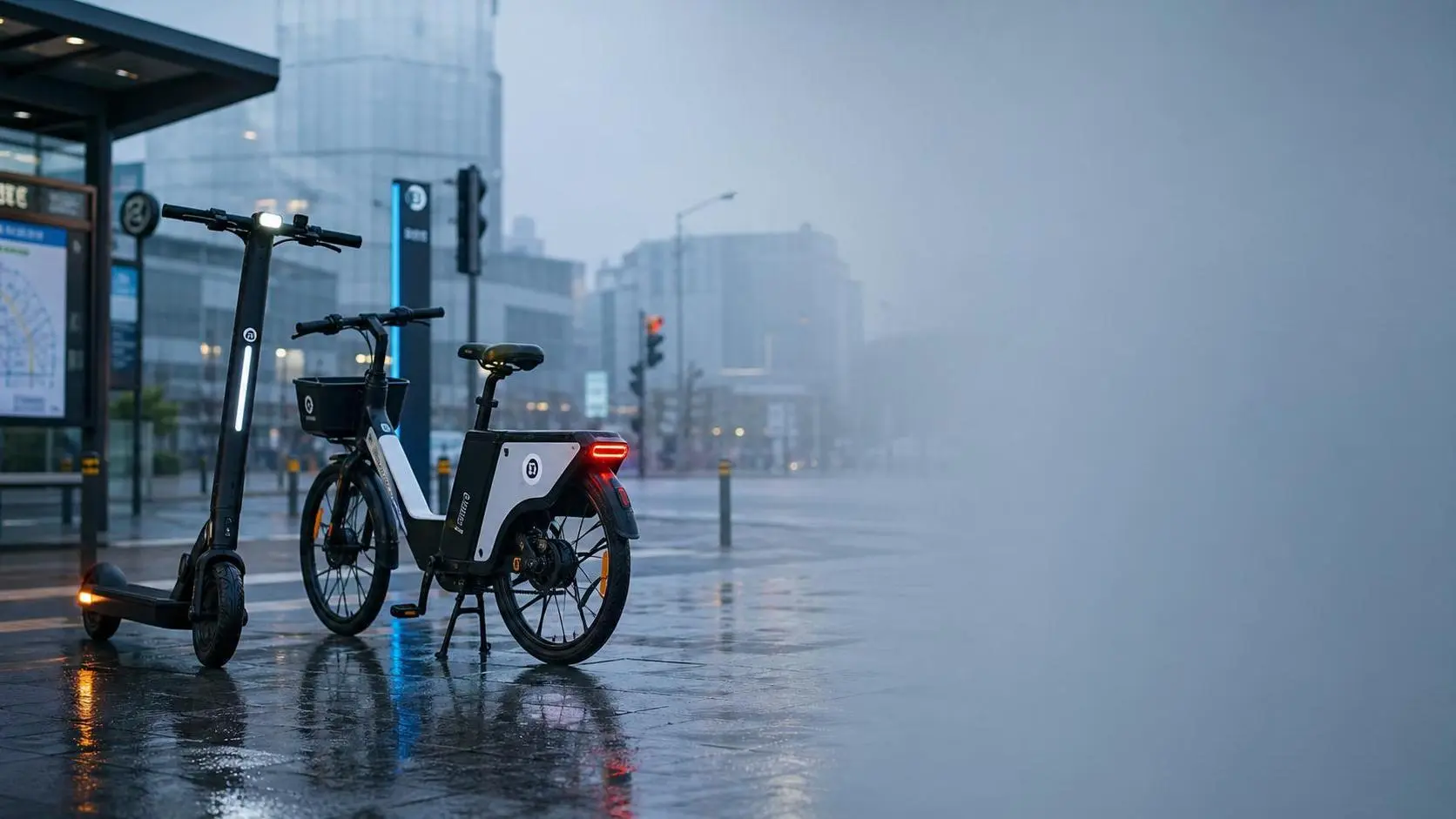
Where LED Urban Visibility Safety Systems Fit Best in Shared Scooters and City E-bikes
LED urban visibility safety systems deliver the most value in shared scooters and city e-bikes by improving multi-angle safety, fleet durability, and urban compliance across real-world routes.
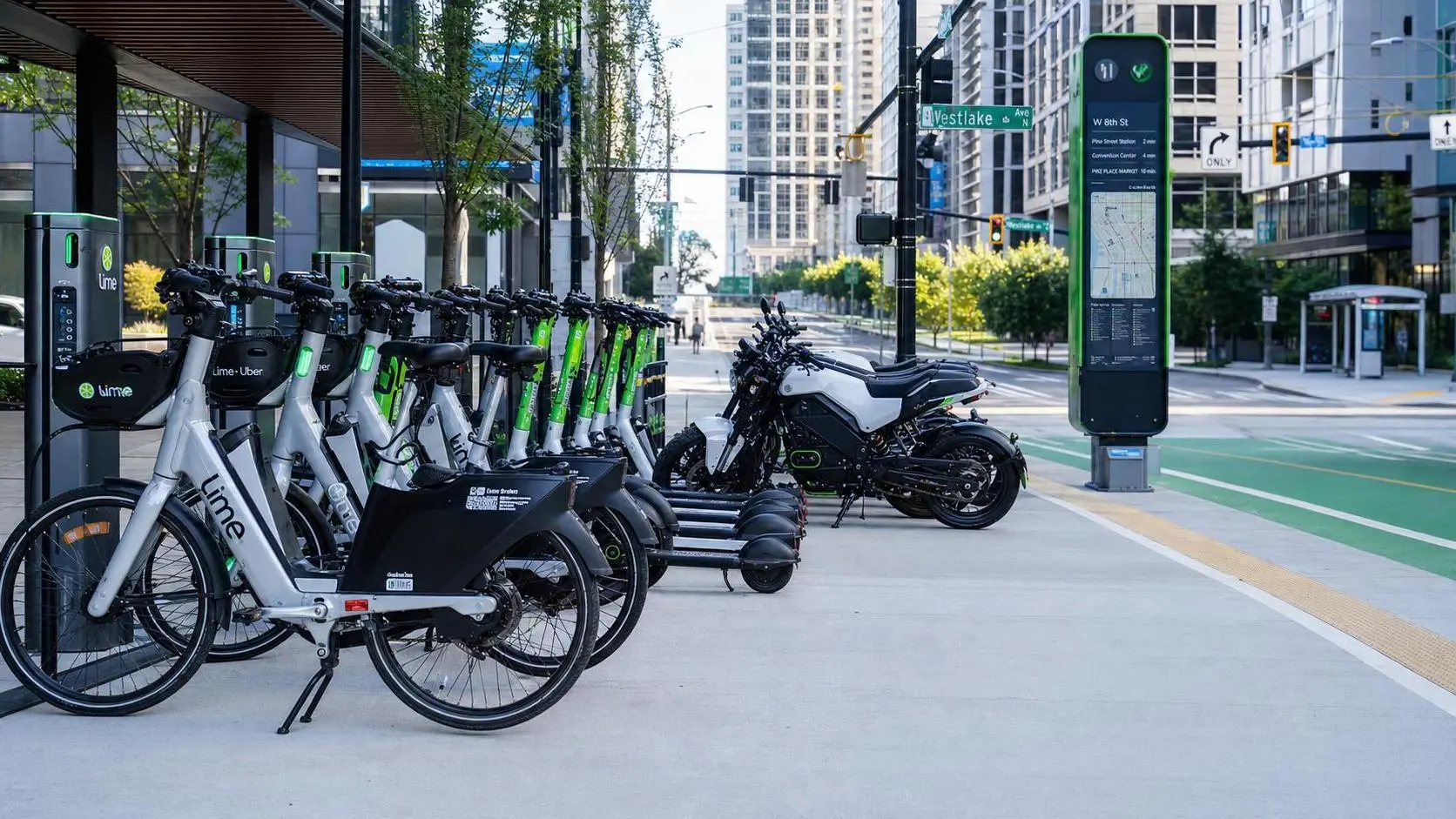
Intellectualization of Mobility in North America: What Is Driving Adoption Across Urban Transport?
Intellectualization of mobility North America is reshaping urban transport through data, smart fleets, and battery intelligence. Explore what is driving adoption and why cities and operators are accelerating now.
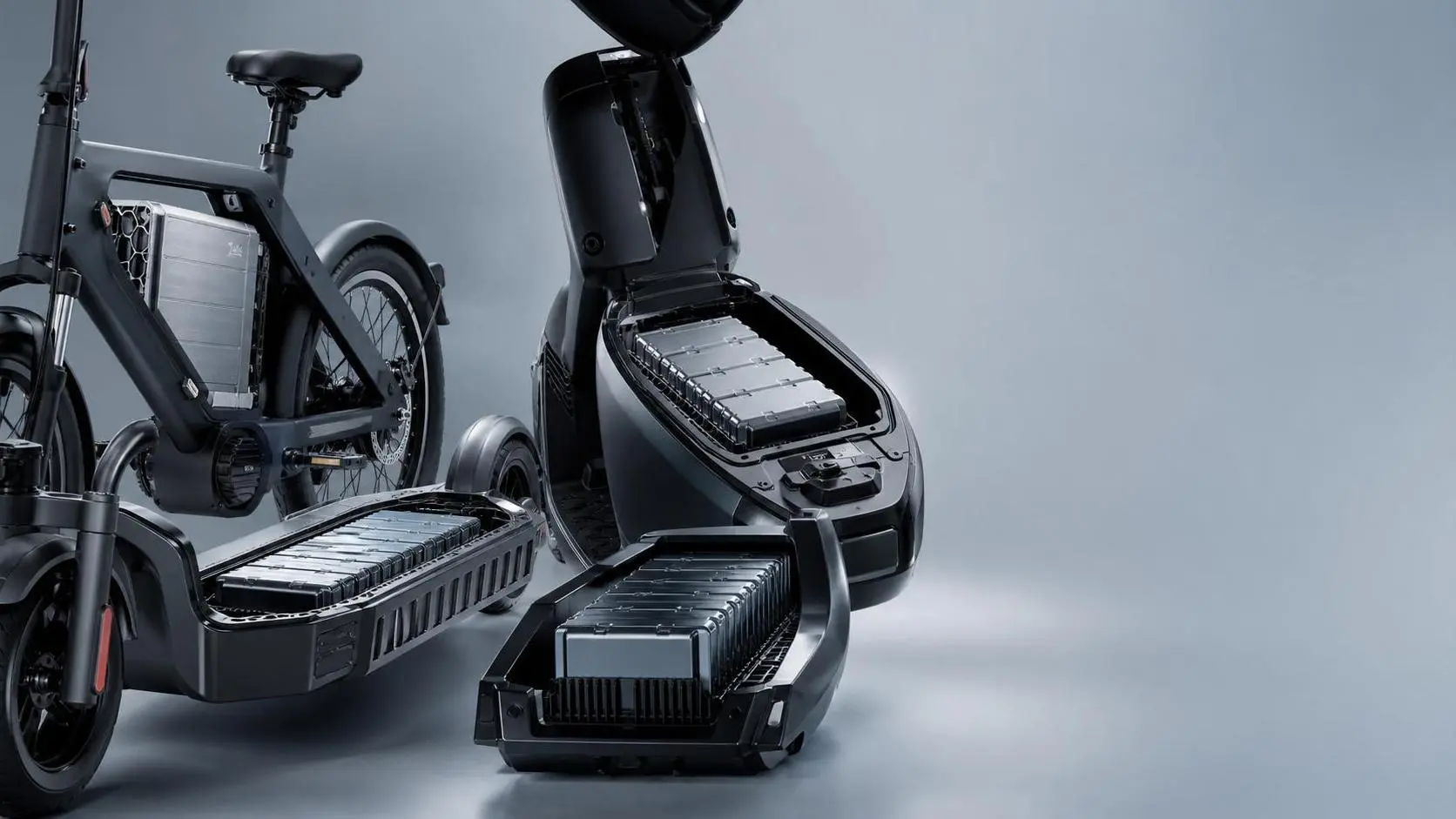
How to Choose a Compact Battery Pack: Size, Energy Density, Thermal Design, and Cycle Life
Compact battery pack selection starts with more than size. Learn how energy density, thermal design, and cycle life shape range, safety, and long-term value.
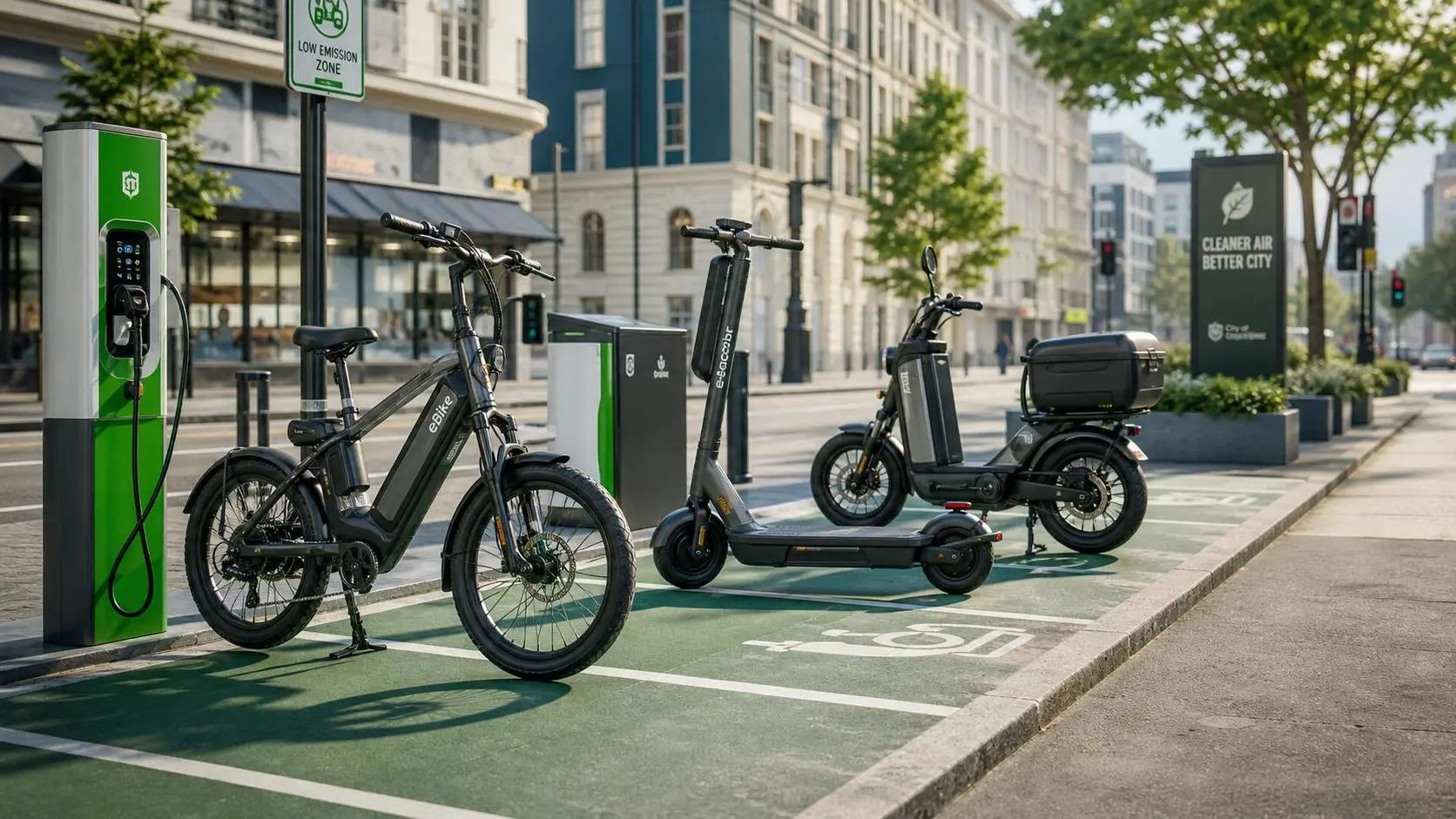
What Is Driving Green Two-wheelers Demand in Europe? Policy, Fuel Costs, and Buyer Segments
Green two-wheelers demand Europe is rising as policy support, fuel cost pressure, and diverse buyer segments reshape urban mobility. Explore the trends driving the next growth wave.