
Related News
- 00
0000-00
How to Choose Urban Commuting E-bikes for Rental Fleets by Range, Durability, and Serviceability - 00
0000-00
E-Bike Component Selection: How to Evaluate a Torque Sensor for Commuting and Cargo Use - 00
0000-00
What Drives Low Carbon E-bike Price: Materials, Battery Specs, and Compliance Costs - 00
0000-00
Utility Maximization in E-bikes: Which Motor, Battery, and Range Trade-offs Matter Most? - 00
0000-00
Brushless Motor for Scooters: How to Compare Power, Torque, and Efficiency
Micro-Mobility Strategist
Weekly Insights
Stay ahead with our curated technology reports delivered every Monday.
Which e-bike technology upgrades matter most this year?





From smarter batteries to more responsive motors and connected safety features, e-bike technology is evolving fast this year. But which upgrades truly improve everyday riding for consumers? This guide explores the innovations that matter most, helping you understand what delivers better range, comfort, control, and value before you choose your next e-bike.
For buyers comparing commuter models, cargo e-bikes, and versatile urban hybrids, the challenge is no longer finding an electric bike with enough basic power. The real question is which e-bike technology upgrades deliver measurable benefits in daily use, lower maintenance risk over 12 to 36 months, and make sense for the price tier.
In the broader micro-mobility market observed by UMMS, consumer expectations are becoming more technical. Riders now compare battery management systems, torque sensors, software tuning, braking intelligence, and serviceability with the same care they once reserved for frame size or color. That shift makes practical technology literacy a buying advantage.
The upgrades that change everyday riding most
Not every new feature deserves a premium. In most urban and suburban use cases, the most valuable e-bike technology upgrades affect four core outcomes: range, ride feel, safety, and reliability. If a feature does not improve at least one of those areas, it may be marketing noise rather than a real ownership advantage.
Battery systems: smarter management matters more than raw capacity
Many consumers still focus first on watt-hours, and capacity does matter. A 500Wh to 750Wh battery usually suits mainstream commuting, while lighter city e-bikes may stay closer to 360Wh to 540Wh. However, this year’s more important upgrade is battery intelligence rather than battery size alone.
A better battery management system can improve thermal stability, charging consistency, and cell balancing over hundreds of cycles. In practical terms, that means more predictable range in hot summers, less sudden voltage drop on hills, and slower long-term degradation after 18 to 24 months of regular use.
What to look for in battery upgrades
- Clear information on charging cycles, not just maximum range claims
- Integrated temperature and overcurrent protection
- Removable battery design for indoor charging and easier replacement
- Support for 2A to 4A charging that balances convenience with battery health
Fast charging can be useful, but it should be evaluated carefully. For most end users, reducing a charge window from 6 hours to 3.5 or 4 hours is helpful. Pushing even faster charging without robust thermal control may not be worth the battery stress, especially for everyday commuter ownership.
The table below compares battery-related upgrades according to real consumer value, not just specification-sheet appeal.
The key takeaway is simple: a well-managed 540Wh or 630Wh battery can outperform a poorly managed larger pack in real-world satisfaction. When assessing e-bike technology this year, smarter energy control is often more valuable than chasing the biggest number on the label.
Motor response: torque sensing now matters more than peak output claims
Another major change in e-bike technology is the rising importance of ride response. Many consumers do not need the strongest motor available. They need support that feels natural in traffic, at intersections, on moderate inclines, and during stop-and-go commutes repeated 2 to 4 times per day.
That is why torque sensing is becoming a higher-value upgrade than basic cadence-only assist. A torque sensor measures how hard you pedal and adjusts support more precisely. Compared with older systems, it usually delivers smoother starts, better control in wet conditions, and less “surge” when weaving through crowded bike lanes.
Motor and sensor priorities for different riders
- Urban commuters should prioritize smooth low-speed modulation and quiet operation.
- Hilly-area riders should look for stronger torque support, often in the 60Nm to 85Nm range.
- Leisure riders may value low weight and natural pedaling feel over maximum acceleration.
- Cargo or child-seat users should assess both hill-start behavior and braking confidence.
For mainstream commuting, a mid-drive motor with refined torque sensing often feels more efficient than a higher-powered but less controlled setup. Hub motors still work well in many price-sensitive models, but better software calibration and sensor integration are what separate a merely acceptable ride from an excellent one.
Safety and control upgrades worth paying for
Performance sells e-bikes, but safety keeps owners satisfied. The best e-bike technology improvements this year are not always visible in showroom photos. They appear in braking confidence, lighting performance, traction predictability, and connected alerts that reduce risk before a minor issue becomes a crash or a theft event.
Brakes, tires, and lighting are still high-value technology decisions
Hydraulic disc brakes remain one of the most meaningful upgrades for end consumers. On heavier urban e-bikes weighing 22 kg to 32 kg, the difference between mechanical and hydraulic braking can be substantial, especially in rain, on downhill sections, or when carrying groceries, work gear, or a second passenger load.
Likewise, wider puncture-resistant tires improve comfort and control more than many riders expect. Moving from a narrow slick setup to tires in the 2.0-inch to 2.4-inch range often improves grip, curb absorption, and stability on painted road surfaces. This is practical e-bike technology, even if it is less glamorous than app connectivity.
Integrated lighting is also improving. Better systems now offer daytime running visibility, brake-light functions, and automatic activation tied to ambient light. For commuters riding in winter darkness or mixed traffic, this feature can be more valuable than an extra 10 km of advertised range.
The following table shows which safety-oriented upgrades typically produce the strongest real-world return for consumers.
For many consumers, the smartest purchasing decision is to allocate budget toward braking, tire quality, and lighting before paying more for cosmetic display upgrades. These features influence every ride, not just the first week of ownership.
Connected security and diagnostics: useful when they solve a real problem
App-connected e-bike technology is maturing. At its best, it helps users locate a stolen bike, monitor battery health, receive service reminders, and update firmware without a shop visit. At its worst, it adds subscription complexity without improving reliability or ownership convenience.
Consumers should focus on connected features with clear outcomes. GPS location tracking, motion alerts, digital locking, and diagnostic reporting are generally useful. Overly complex social features or dashboard gimmicks may not justify extra cost, especially in entry and mid-range segments.
Questions to ask before paying for connected features
- Does the bike still function normally if the app is unavailable?
- Are theft alerts instant, delayed, or dependent on a paid plan?
- Can the system report battery health trends after 6, 12, or 24 months?
- Will firmware updates improve motor tuning or only interface design?
This is where e-bike technology overlaps with the wider smart micro-mobility ecosystem. Connected functions should support ownership efficiency, not distract from it. Riders benefit most when digital tools simplify service planning, battery care, and security management in one clear interface.
How to choose the right e-bike technology for your riding profile
The best upgrade depends on how and where the bike will be used. A student riding 8 km per day has different needs from a parent carrying cargo or a commuter covering 35 km round-trip. Matching e-bike technology to actual use prevents overspending and reduces dissatisfaction after purchase.
Three common buying scenarios
For short-distance city use under 15 km per day, buyers should prioritize natural pedal assist, reliable brakes, integrated lights, and a battery that is easy to remove for apartment charging. Large dual-battery systems are often unnecessary in this category.
For medium commutes in the 15 to 40 km range, battery management, ergonomic geometry, puncture resistance, and a refined motor system become more important. This group usually gains the most from balanced e-bike technology rather than maximum specifications in a single area.
For cargo, child transport, or heavier utility use, buyers should emphasize torque delivery, frame stability, hydraulic stopping power, and service access. Here, durability and safety upgrades usually matter more than display size, top-speed marketing, or lifestyle branding.
A practical 5-point decision checklist
- Estimate your real weekly distance, not your ideal weekend plan.
- Check whether your route includes hills, rough pavement, or frequent stops.
- Decide if indoor charging is required within your home or office setup.
- Compare local service support, parts availability, and diagnostic access.
- Choose two priority upgrades only, then evaluate the rest as optional.
This approach helps cut through feature overload. In most cases, consumers who identify two must-have improvements make better long-term decisions than those who chase the longest list of premium add-ons.
Common mistakes when comparing new models
One common mistake is treating maximum range as a universal measure of value. Range depends on rider weight, terrain, assist level, tire pressure, temperature, and stop frequency. A claimed 80 km can feel closer to 45 to 60 km in dense city use with frequent acceleration.
Another mistake is undervaluing fit and control. Even the best e-bike technology cannot compensate for unstable handling, awkward reach, or poor braking feedback. A test ride of 15 to 20 minutes often reveals more than an hour spent comparing digital feature lists online.
Consumers also overlook service pathways. Ask how long common replacement parts take to obtain, whether battery diagnostics require a dealer visit, and if firmware support is available after the first year. In practical ownership terms, these factors may matter more than one extra assist mode.
What matters less than buyers think
Some e-bike technology features attract attention but should rank lower in a smart buying hierarchy. Ultra-large displays, excessive ride mode variety, and aggressive acceleration tuning can look impressive in marketing material, yet they rarely define satisfaction after 6 to 12 months of routine use.
Likewise, the highest nominal motor output is not automatically better. In crowded cities, controlled delivery, legal compliance, and efficient power use are often more beneficial than brute-force assistance. Smoothness saves energy, improves confidence, and reduces wear on drivetrain parts.
The same logic applies to novelty-driven connectivity. If a feature cannot improve security, maintenance timing, or ride management, it should be treated as secondary. Good e-bike technology solves repeated user problems. Weak e-bike technology creates more settings to manage.
Priority order for most consumers this year
A sensible ranking for mainstream buyers is often: 1) battery management quality, 2) torque-sensing ride response, 3) hydraulic braking, 4) tire and lighting package, and 5) connected security. Once those bases are covered, upgrades in display polish or premium interface features become easier to justify.
The most important e-bike technology upgrades this year are the ones that improve daily life in measurable ways: steadier range, smoother power delivery, safer braking, better visibility, and simpler ownership. For end consumers, the smartest purchase is rarely the bike with the longest feature list. It is the one with the best balance of battery intelligence, motor control, safety hardware, and service-ready design.
If you are comparing models, refining a buying strategy, or evaluating which innovations are truly worth the premium, UMMS can help you interpret the market through a practical micro-mobility lens. Contact us to explore product details, request tailored guidance, or learn more about the e-bike technology trends shaping better urban riding decisions.
Related News
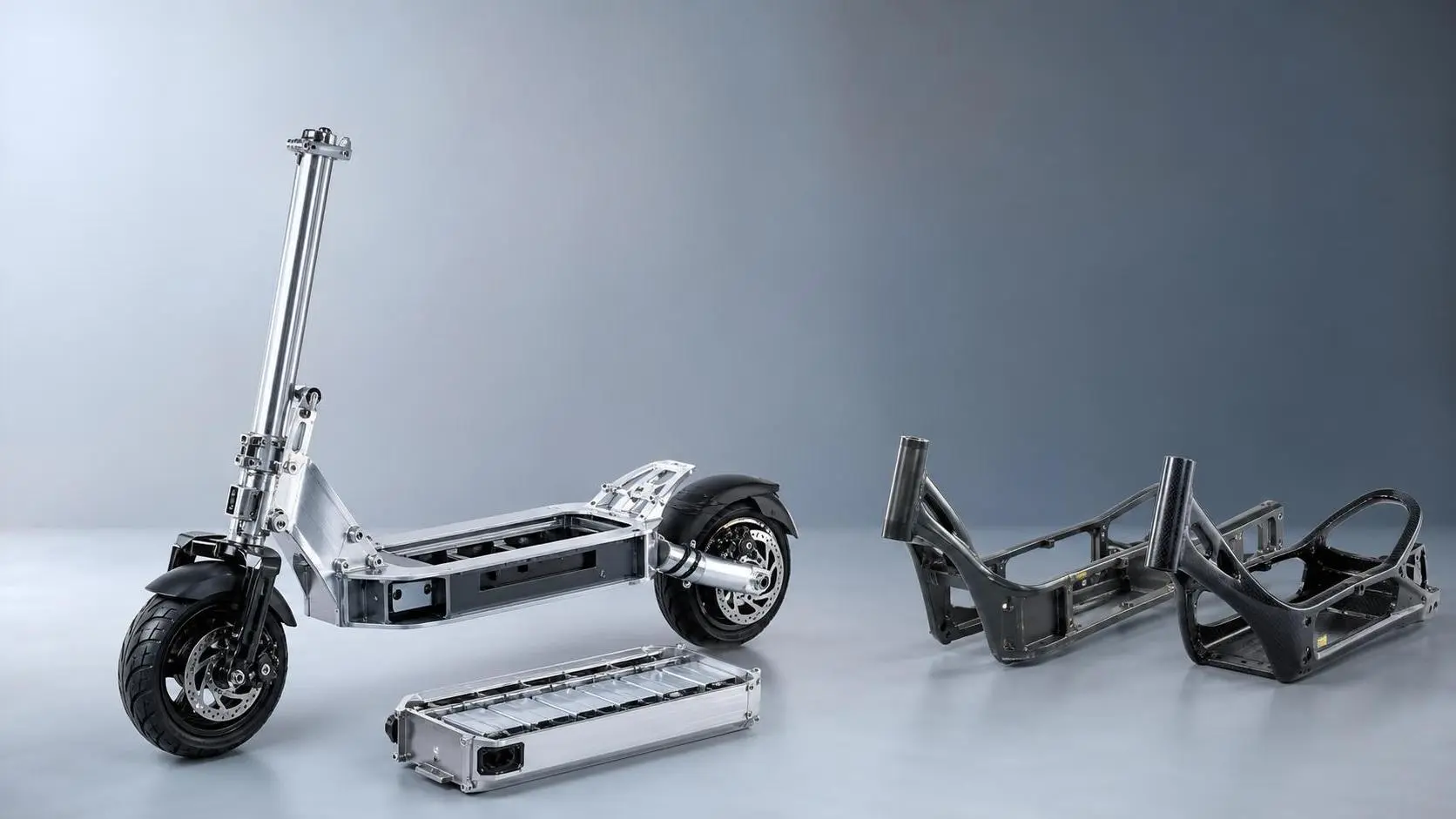
How to Choose Lightweight Scooter Frames in Europe: Materials, Standards, and Use Cases
Lightweight scooter frames Europe buyers need should balance materials, EN standards, durability, and real use cases. Discover how to choose safer, smarter, compliant frames.
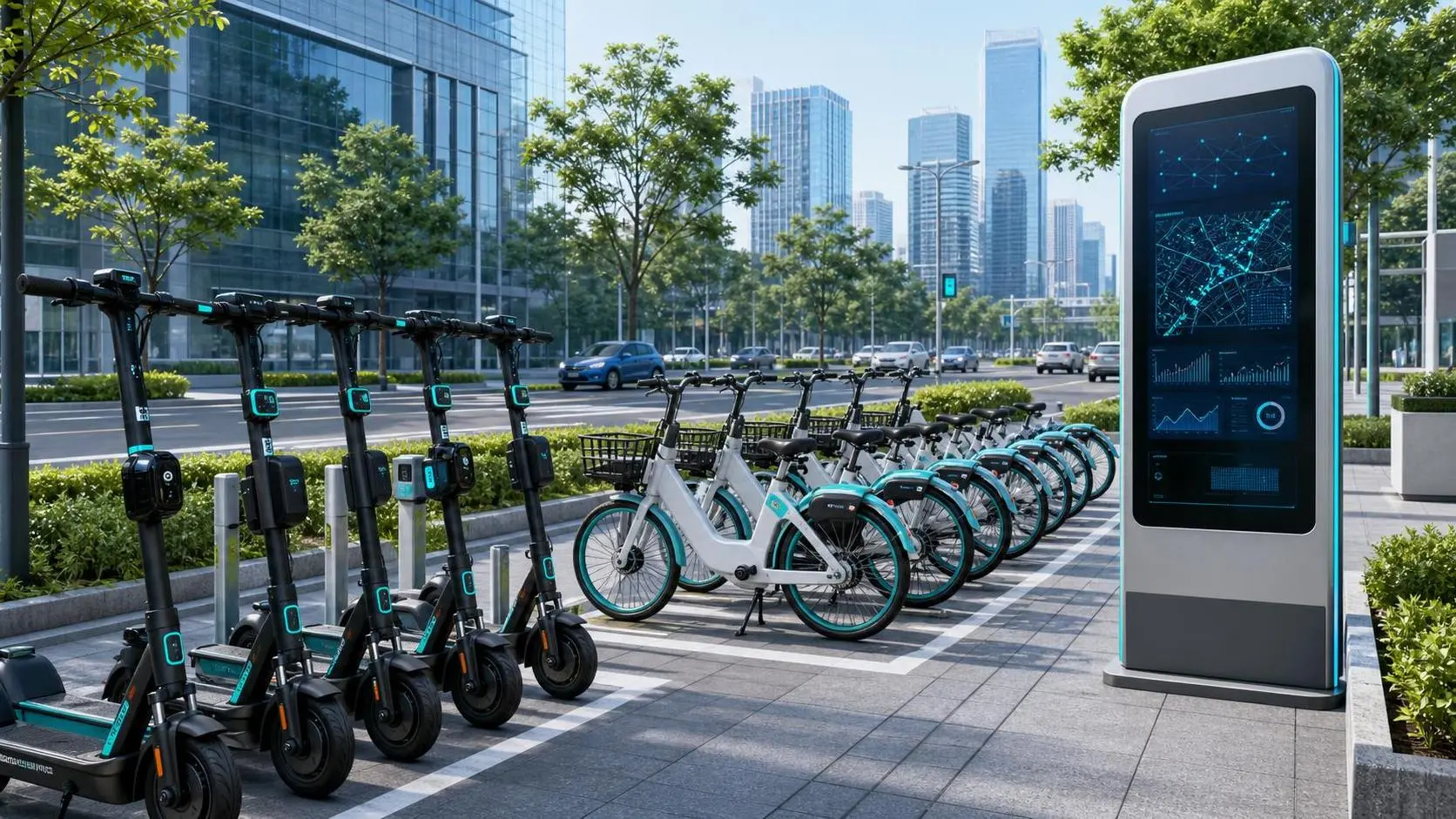
What Is the Intellectualization of Mobility Platform and How Is It Applied in Shared Fleets?
Intellectualization of mobility platform is reshaping shared fleets with real-time data, predictive maintenance, and smarter compliance—learn how it boosts safety, uptime, and urban mobility efficiency.
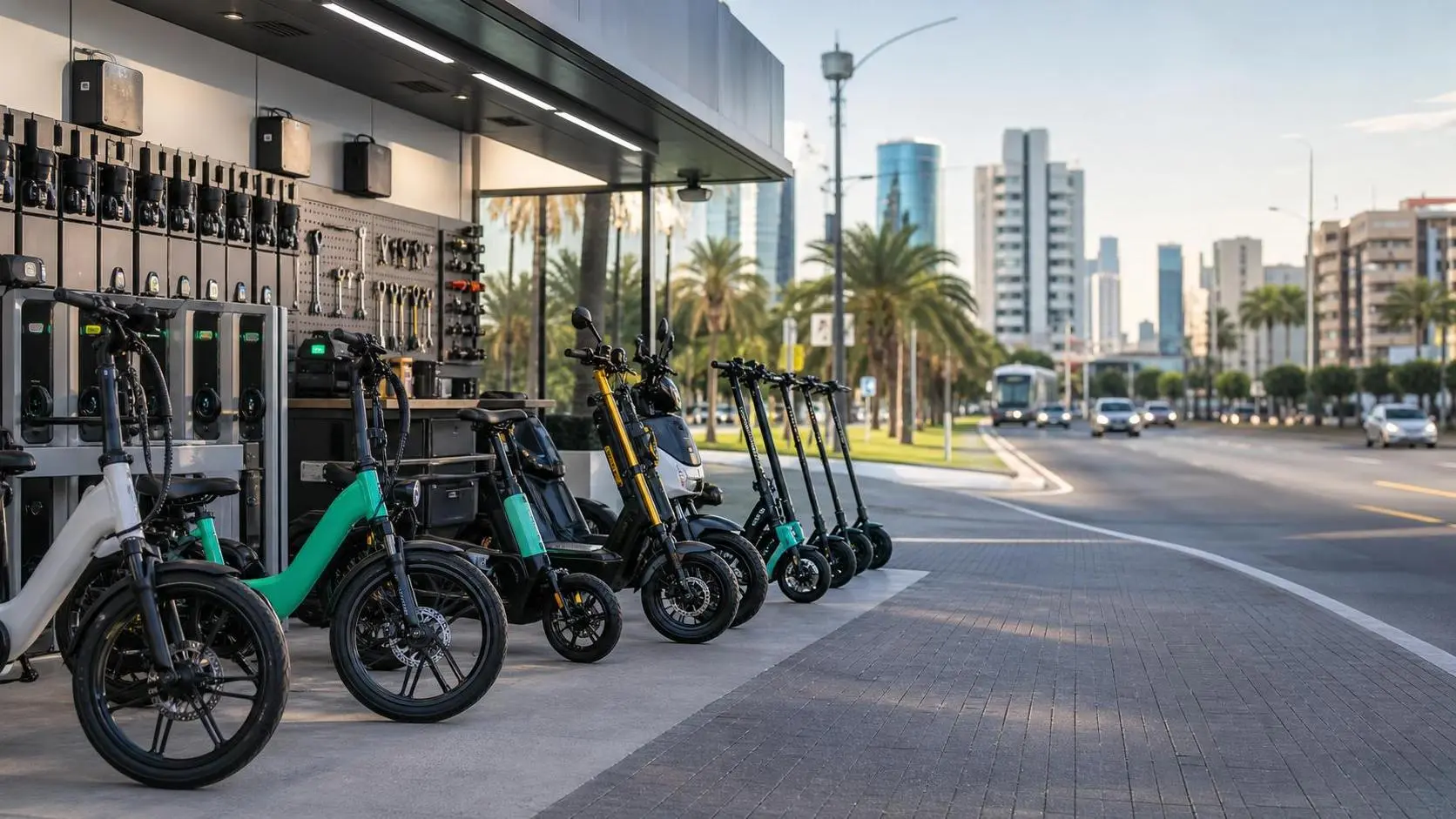
Urban Micro-Mobility Systems in Latin America: Key Market Drivers, Barriers, and Growth Segments
Urban micro-mobility systems Latin America are reshaping city transport. Explore key drivers, barriers, and high-growth segments to spot the region’s most investable opportunities.
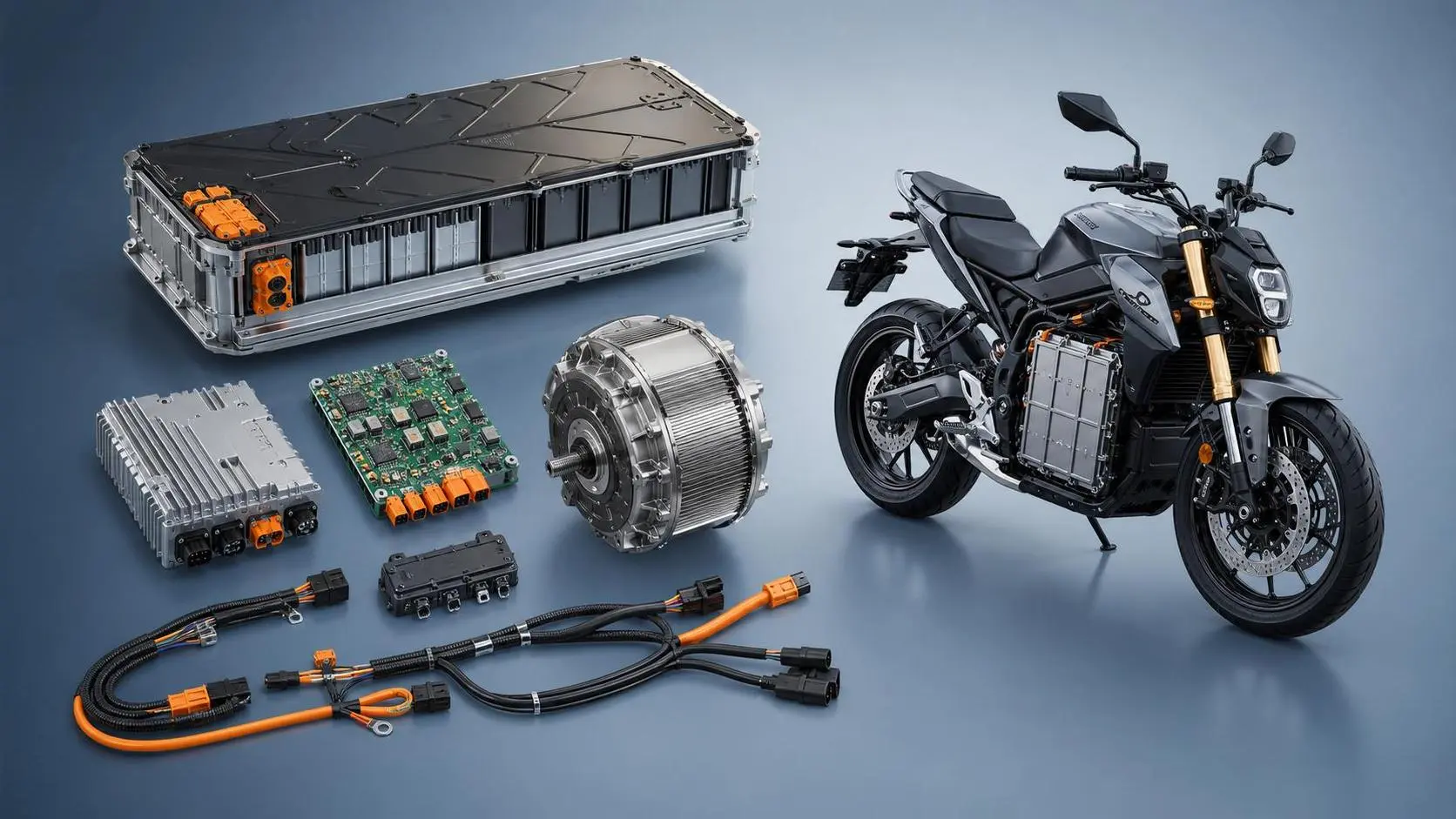
Electric Motorcycle Systems Price Breakdown: What Affects Cost From Battery to Controller?
Electric motorcycle systems price explained: see how battery, controller, motor, BMS, and wiring affect total cost, reliability, and sourcing value before you buy.
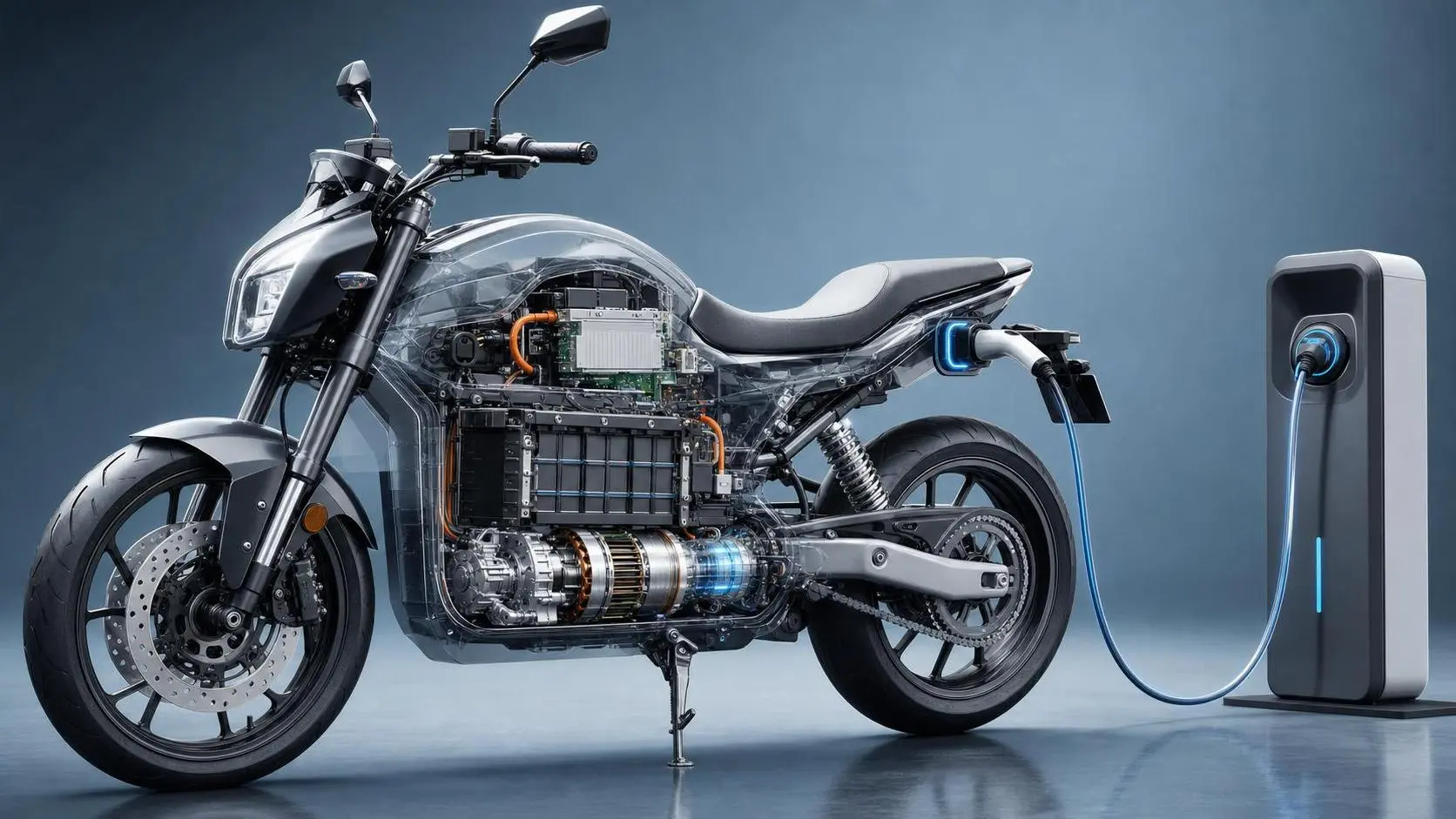
72V Electric Motorcycle Technology Explained: Motors, Controllers, Range, and Charging
Electric motorcycle technology 72V explained clearly: compare motors, controllers, range, battery design, and charging to choose a smoother, stronger, and smarter electric ride.
Where LED Urban Visibility Safety Systems Fit Best in Shared Scooters and City E-bikes
LED urban visibility safety systems deliver the most value in shared scooters and city e-bikes by improving multi-angle safety, fleet durability, and urban compliance across real-world routes.
Intellectualization of Mobility in North America: What Is Driving Adoption Across Urban Transport?
Intellectualization of mobility North America is reshaping urban transport through data, smart fleets, and battery intelligence. Explore what is driving adoption and why cities and operators are accelerating now.
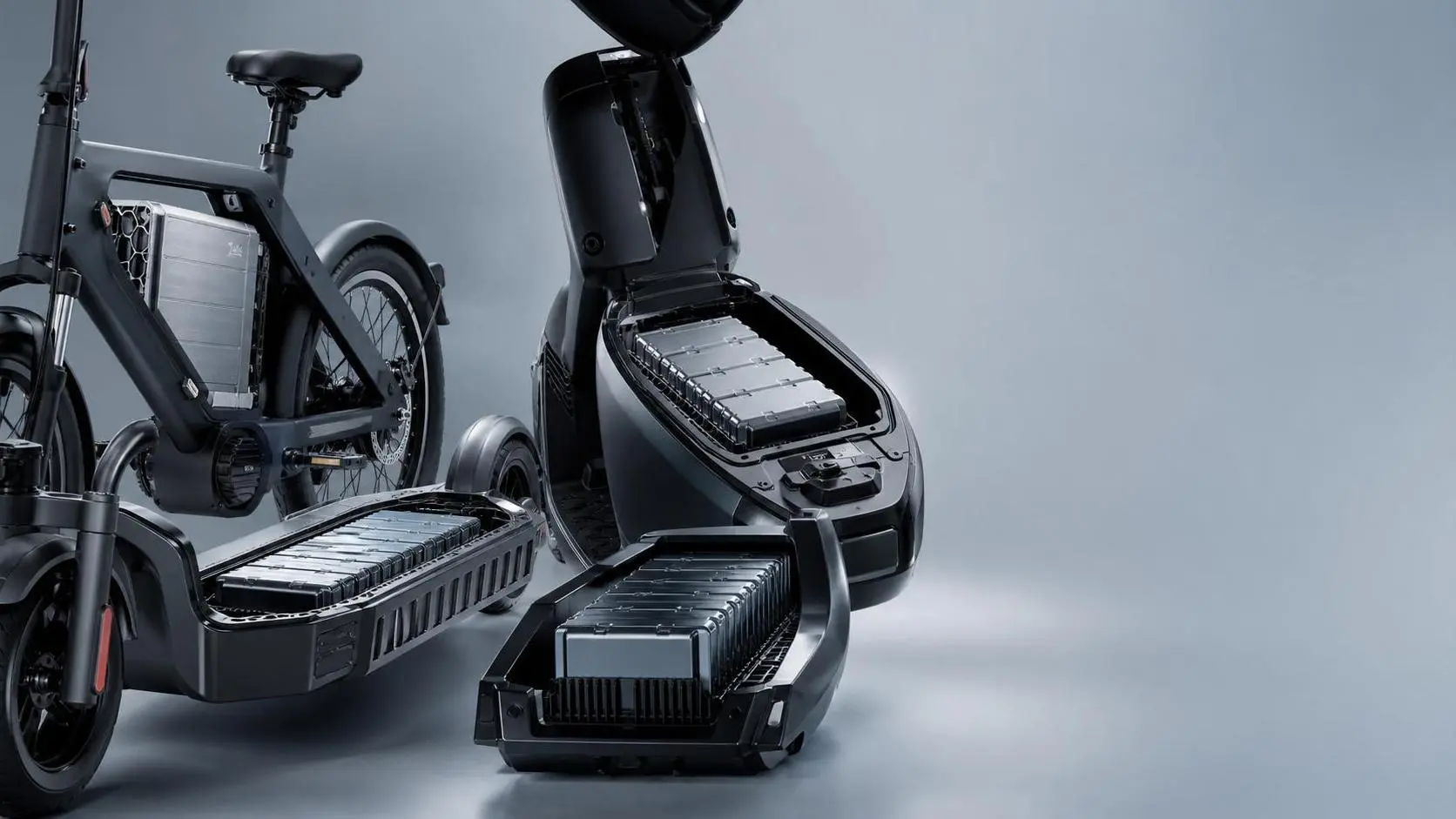
How to Choose a Compact Battery Pack: Size, Energy Density, Thermal Design, and Cycle Life
Compact battery pack selection starts with more than size. Learn how energy density, thermal design, and cycle life shape range, safety, and long-term value.
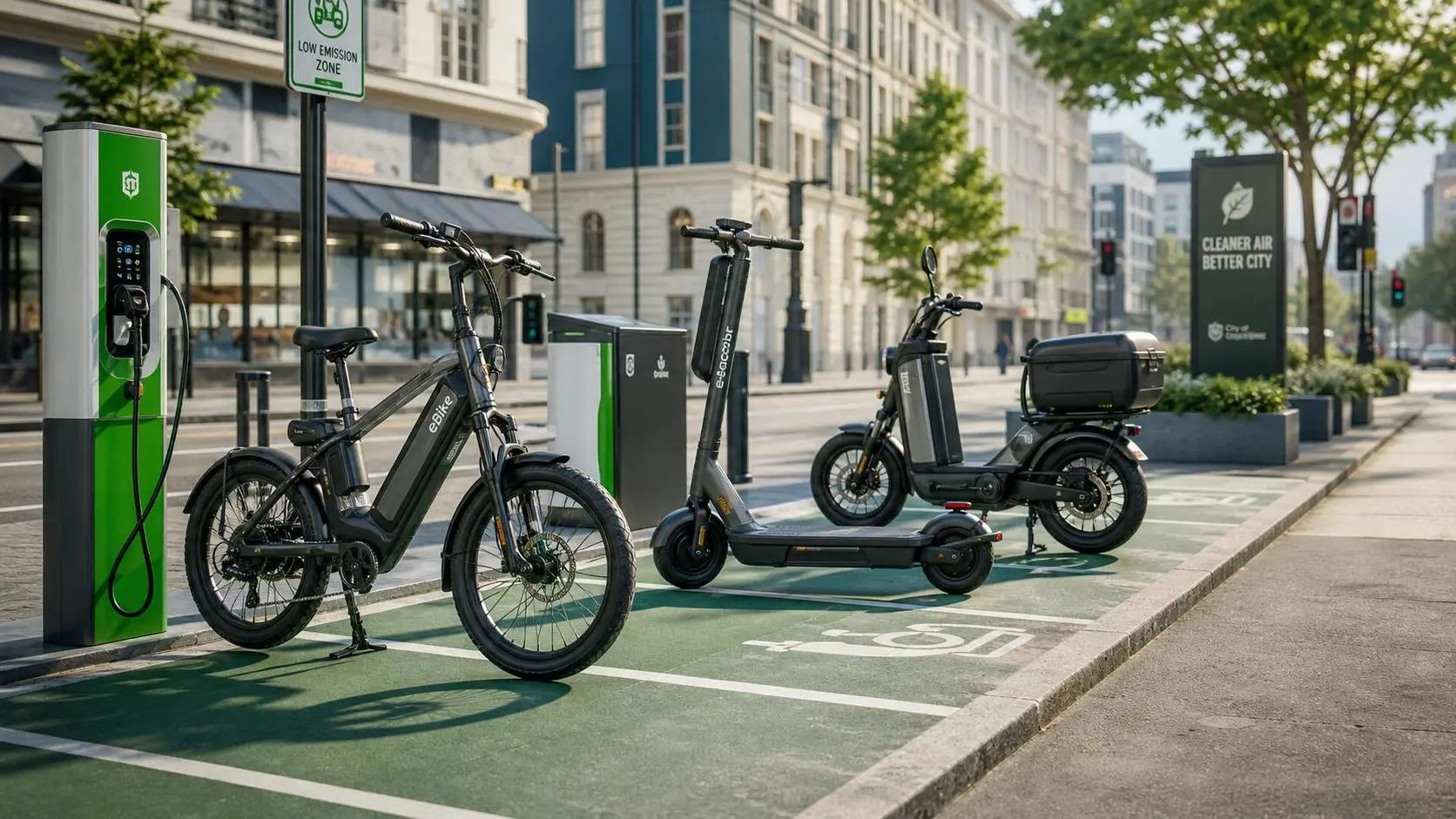
What Is Driving Green Two-wheelers Demand in Europe? Policy, Fuel Costs, and Buyer Segments
Green two-wheelers demand Europe is rising as policy support, fuel cost pressure, and diverse buyer segments reshape urban mobility. Explore the trends driving the next growth wave.